
You should stop using the appliance immediately if you see water pooling on your floor, as a kitchenaid dishwasher leaking can create a slip hazard or damage your subfloor. Turn off the water supply valve under your sink or at the main line to prevent more water from entering the unit. Unplug the power cord or flip the circuit breaker to the off position to remove electrical risks. If you see water touching any wiring, don’t touch the machine; contact a professional plumber or electrician to handle the situation safely.
Stop your KitchenAid dishwasher from leaking
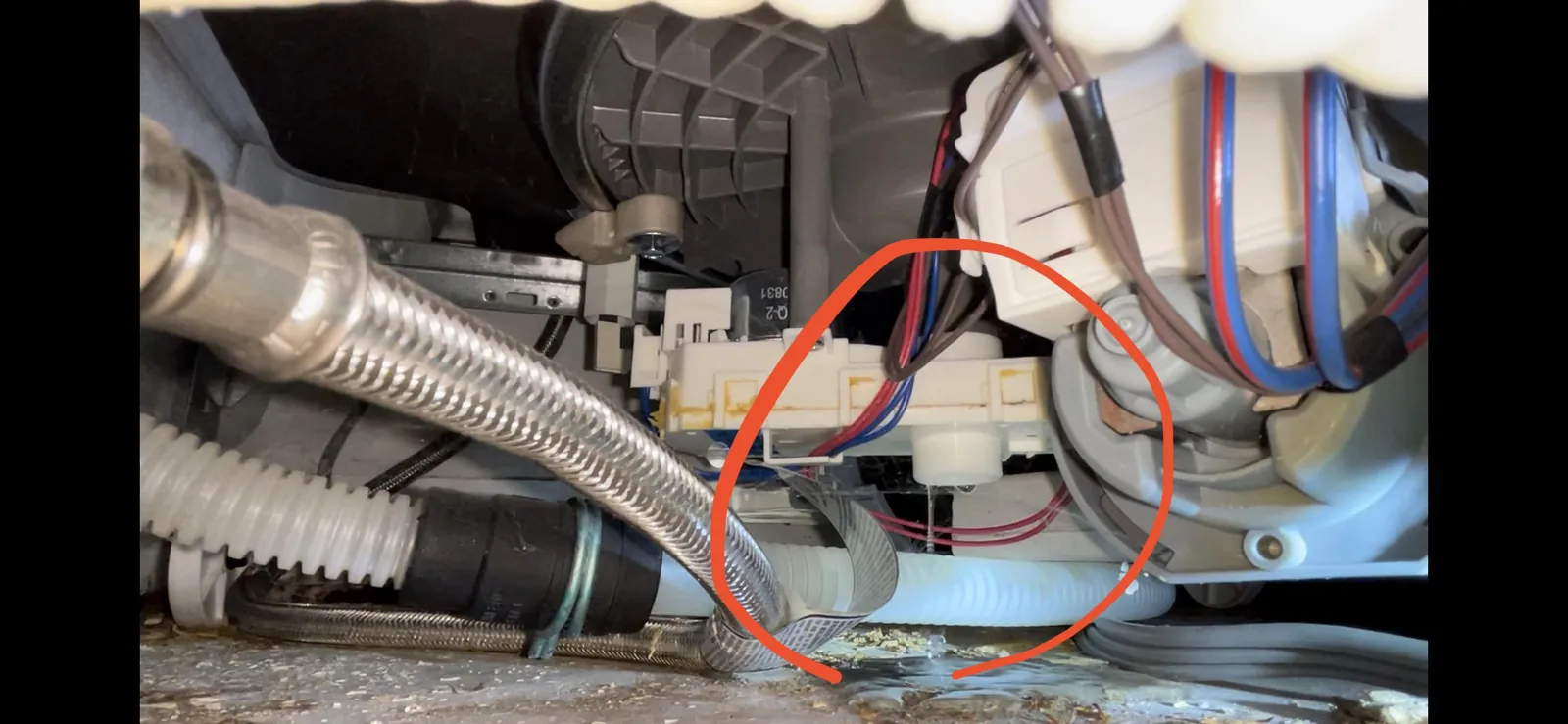
Follow these steps to prevent further damage while you assess the situation.
Close the shut-off valve located under your kitchen sink to stop the water supply to the unit. If the valve is seized or rusted, turn the main water supply for the entire house off at the street or basement meter.
Disconnect the power at the circuit breaker or unplug the unit if the power cord is accessible and dry. Never reach into standing water to pull a plug; if the floor is wet, go straight to the breaker box to cut the power.
Place a thick towel or a tray under the front of the door to soak up any remaining water. Remove the lower rack to see if any large objects are blocking the door seal or the spray arm.
Check the drain filter at the bottom of the tub for debris that might cause water to back up. If the filter is clear but the water remains, your drain hose is likely kinked or clogged.
Understanding the source of the leak
Water escapes from a dishwasher when the internal seals fail or when the drainage system becomes blocked. The most common cause is a worn or dirty door gasket, the rubber seal running along the edge of the door. Over time, food particles and mineral buildup prevent this gasket from creating a tight seal. When the seal isn’t perfect, water splashes out during the wash cycle and pools on the floor.
Inspect the gasket for visible cracks or hardened debris. If you can pull the seal away from the frame with minimal effort, it has lost its elasticity and requires immediate replacement. A common mistake is using harsh chemical cleaners on the rubber, which accelerates decay. Instead, wipe the gasket monthly with a damp cloth and mild soap to maintain its flexibility.
Another frequent cause involves internal components like the pump seal or the water inlet valve. If the water inlet valve fails to close properly, the unit may overfill, causing water to spill out through the overflow vents.
You can verify if this is the issue by checking the water level after a cycle; it should never rise above the heating element. If the water level continues to rise while the machine is turned off and the water supply is on, the inlet valve is likely stuck open and must be replaced.
If the leak happens during the drain cycle, the issue is likely a blocked or cracked drain hose. Check underneath the unit to see if the hose has a kink or a small puncture. If you see water dripping from the middle of the unit, the pump seal might be the culprit. This part often wears out after several years of regular use.
Distinguish the source by the water’s appearance. If the leaking water is clear, it’s likely a supply issue or a faulty inlet valve. If the water is dirty or contains food debris, the problem is almost certainly a drainage obstruction or a compromised pump seal. Always disconnect the power before reaching into the base of the unit to inspect these components.
Check these, cheapest first
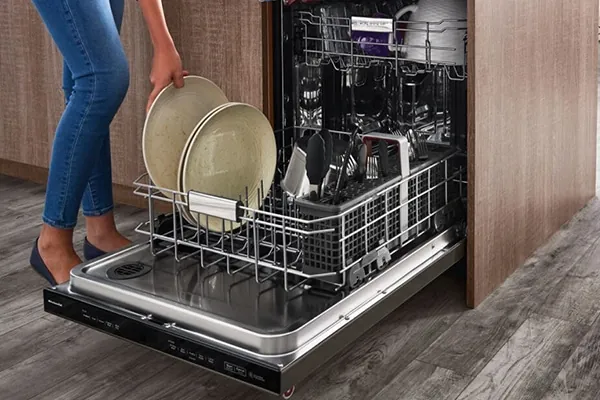
Start with these simple checks to find the source before you buy any new parts.
Inspect the door gasket
Look at the rubber seal around the door for cracks, gaps, or food buildup. A good seal looks smooth and stays flexible. If it feels hard or brittle, it won’t seal the water inside the tub.
Clear the filter
Remove the filter at the bottom of the tub and wash it under hot, running water. A clogged filter traps water and forces it to rise higher than it should. Clean it until you can see through the mesh.
Check the spray arm
Spin the spray arm with your hand to ensure it turns freely without hitting the racks. If the arm is loose or has a crack, it may spray water directly at the door seal. This causes leaks even when the gasket is perfectly fine.
Examine the drain hose
Look under the sink to see if the drain hose is bent, kinked, or leaking at the connection point. Tighten any loose clamps with a screwdriver. If the hose is brittle or shows cracks, it needs a replacement.
Test the float switch
Push the small plastic float assembly up and down inside the tub to ensure it moves freely. If it stays stuck in the down position, the machine won’t know when to stop filling. This leads to an overfill and a leak.
Fixing the most likely cause
The most common fix involves cleaning or replacing the door gasket. Start by pulling the old gasket out of the channel around the door frame. Wipe the channel with a damp cloth to remove all soap scum and food residue.
Press the new gasket into the channel, starting at the top center and working your way down both sides. Ensure the gasket sits flat without any twists or bunching, as even a small fold will allow water to bypass the seal.
If you see a gap wider than a dime, the gasket is likely permanently compressed. Replace it immediately rather than trying to stretch it, as heat cycles will only shrink it further. Many people make the mistake of using adhesive to hold the gasket in place. Avoid this; the pressure of the door latch is designed to hold the seal secure. Adding glue often creates uneven lumps that worsen the leak.
If the leak persists, check the spray arm for cracks or clogs. Use a thin wire to clear any debris from the spray holes. If the plastic arm is warped, order a replacement specific to your model number, which you can find on the edge of the door.
A successful fix means the floor remains dry through a full wash cycle. If the water returns within a week, the issue might be a hidden crack in the tub or a failing pump seal.
When to call a professional
You should reach out to a certified technician if the leak comes from the motor housing or the pump assembly. These parts require specialized tools and knowledge to disassemble without damaging the delicate plastic components or the wiring. If you’re unsure about the electrical connections, stop immediately to avoid the risk of shock. A professional will typically use a multimeter to test the pump motor and inspect the internal hoses for hidden pinhole leaks.
If you see water pooling near the front door seal, try cleaning the rubber gasket with a damp cloth before calling for help. Debris often prevents a tight seal, causing water to drip down the front panel. If the leak persists after a thorough cleaning, the gasket has likely lost its elasticity and requires a professional replacement.
When you call, describe whether the water is clean or dirty and exactly where you see it pooling. This helps the technician determine if they need to bring a new water inlet valve or a replacement pump. If the dishwasher is still under warranty, contact the manufacturer directly to find an authorized service provider. Attempting to open the motor housing yourself often voids your warranty, leaving you responsible for the full cost of a replacement unit.
Related guides
- Bendix AD-IS Air Dryer Troubleshooting: Fix Moisture and Leaks in 2026
- 8 Best Performance Engine Valve Cover Bolts for Leak-Free Seals in 2026
Frequently asked questions
Can I use a dishwasher with a small leak?
You shouldn’t use the dishwasher if it’s leaking, as water can seep into the floorboards and cause rot or mold. Even a small leak indicates that a seal or hose is failing, which will only get worse with every cycle. Stop using the unit and fix the problem before running it again to protect your kitchen cabinetry and flooring from long-term water damage.
How long does a door gasket last?
A door gasket’s lifespan depends on how often you run the machine and the hardness of your water, so consult your owner’s manual for replacement guidance. You’ll know it’s time to replace it when the rubber feels stiff or you notice water drips on the floor. Check the seal periodically for signs of wear to prevent sudden leaks during a cycle.
Is it safe to fix a dishwasher leak myself?
It’s safe to perform basic maintenance like cleaning filters, clearing spray arms, and replacing a door gasket yourself. You must always disconnect the power and water before starting any work. If the repair involves complex electrical systems or the motor, you should consider leaving that work to a qualified professional.
What happens if I ignore a dishwasher leak?
Ignoring a leak will lead to significant water damage to your subfloor and potentially the walls behind your cabinets. Over time, standing water creates a perfect environment for mold growth, which is difficult and costly to remove. Replacing a few parts now is much cheaper than paying for floor repairs or replacing the entire dishwasher because of internal corrosion.
Does it matter if the water is clean or dirty?
It matters because the source of the water tells you which part has failed. Clean water usually points to a problem with the water inlet valve or the door seal, while dirty, soapy water indicates a clog in the drain or a leak in the pump assembly. Identifying the type of water helps you narrow down the list of parts you might need to fix.
How often should I clean the drain filter?
You should clean the drain filter based on your usage and the manufacturer’s recommendations in the owner’s manual to prevent buildup that causes leaks. If you live in an area with hard water or if you don’t rinse your dishes before loading them, you should check it more frequently. Keeping the filter clear ensures proper water flow and prevents the machine from overfilling or backing up during the cycle.
Conclusion
Regular maintenance and timely repairs will keep your kitchen dry and the appliance running efficiently for years. If you follow the steps provided, you can resolve most common leaks quickly and safely. Always prioritize safety by cutting the power before you touch any internal parts. If the problem continues after your initial checks, don’t hesitate to contact a professional to prevent further damage to your home.