
To stop a samsung refrigerator freezing food, you should adjust the temperature settings to a warmer level, ideally 37°F to 40°F for the fridge section. This issue happens when the unit’s internal thermostat or air damper malfunctions, causing the cooling system to run longer than necessary. If your food is turning to ice, checking your temperature display is the first step to correcting the balance.
Why your Samsung refrigerator is freezing food
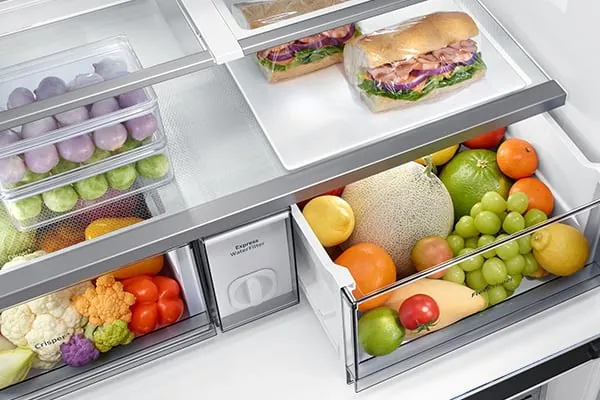
The primary cause for items freezing in your fresh food compartment is an incorrect temperature setting. Many users set the fridge too low, which forces the compressor to work harder, especially if the ambient room temperature is also cool. If you live in a climate where your kitchen stays under 60°F, your fridge may struggle to maintain the correct gap between the freezer and the fridge zones.
Another common cause is blocked air vents. Samsung refrigerators use a forced-air system to circulate cold air from the freezer into the fridge. If you pack items directly against the back wall or near the air vents, the cold air hits these objects first, freezing them solid before it can circulate properly. This creates localized cold spots, even if the main control panel shows a normal temperature reading.
Finally, a faulty air damper or thermistor can cause continuous cooling. The air damper is a small door that opens and closes to control how much air enters the fridge. If it gets stuck in the open position, cold air floods the compartment constantly. According to the Samsung support center, checking these components is vital when your settings appear correct but the temperature remains too low.
Adjust your temperature settings
If you notice frost on your food, the first thing to do is raise the temperature by 2 degrees on your digital panel. Wait 24 hours for the internal environment to stabilize before making further changes. Most modern models perform best when the fridge is set to 38°F. If you set it to the lowest possible number, you’ll almost certainly freeze your produce and liquids.
If you have a manual dial instead of a digital display, turn it toward the “warmer” or “least cold” setting. Keep in mind that a full fridge holds its temperature better than an empty one.
If your fridge is mostly empty, the cooling system cycles on and off more often, which can lead to temperature swings. Fill empty shelf space with jugs of water to act as thermal mass. This stabilizes the internal climate and reduces the workload on your compressor.
This fix is for owners who have access to the control panel and whose fridge is currently running. If the control panel is unresponsive or flashing, you may have a board failure that requires a professional technician.
If your temperature is set correctly but the unit still runs constantly, check the door seals. A simple test involves closing the door on a dollar bill; if it slides out with zero resistance, your seal is compromised and leaking cold air. Replace the gasket to prevent hardware burnout.
Relocate items and clear vents
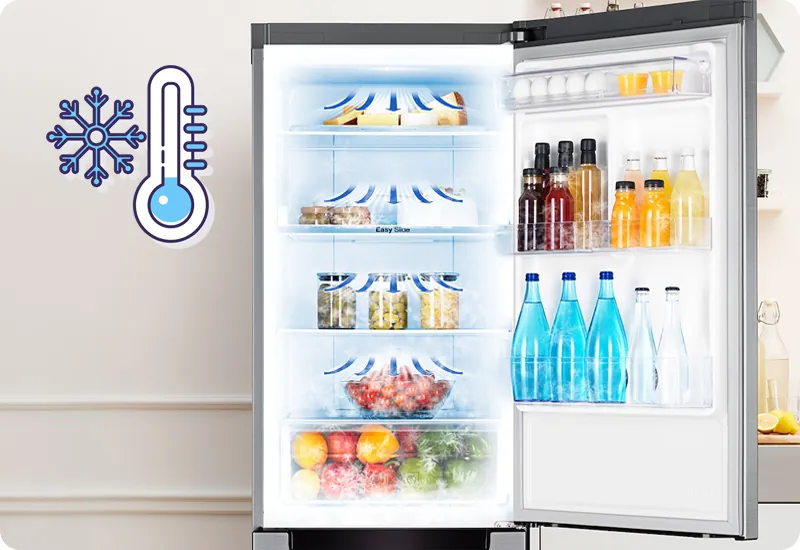
To prevent freezing, ensure there’s at least a 2-inch gap between your groceries and the back wall. Air needs space to move; when you crowd the shelves, you block the return air path. If you keep water bottles or leafy greens near the back vent, move them to the front of the shelf or into a crisper drawer.
Crisper drawers are designed to be slightly warmer and more humid than the rest of the fridge. If you find your vegetables are still freezing even after moving them, check the drawer’s humidity slider. Closing the slider traps more moisture and can help insulate the items inside against the harsh, dry air coming from the freezer vent.
Most modern refrigerators rely on a single evaporator coil located behind the rear panel. If you see frost buildup on the back wall itself, you’re likely dealing with a failure in the defrost system rather than just poor airflow. In this specific case, rearranging your food will provide no relief because the cooling system is stuck in an active cycle.
If you suspect a mechanical failure, check the temperature of your milk. If it registers below 34 degrees Fahrenheit, your thermostat is likely miscalibrated. A simple repair involves replacing the thermistor, a small sensor that tells the compressor when to stop cooling.
Don’t try to force the vent open or closed, as the plastic parts are fragile and can snap easily. If your unit is still under warranty, contact the manufacturer to schedule a service visit before attempting any internal repairs.
Inspect the door seals
A loose or damaged door gasket allows warm, humid air to leak into the fridge. When the fridge detects this extra heat, it forces the cooling system to run continuously to compensate. This constant running often causes the areas closest to the cold air supply to freeze, even while the rest of the fridge feels too warm.
To check your seal, close the door on a piece of paper. You should feel firm resistance when you try to pull the paper out. If the paper slides out easily, your gasket isn’t creating a tight seal. Test this at six-inch intervals around the entire perimeter of the door. A seal that holds in one spot but fails in another indicates a warped door or a compressed gasket that requires immediate attention.
Clean the rubber with warm water and mild soap to remove sticky residue that might prevent a good connection. If the gasket is cracked or no longer sits flat against the frame, it needs to be replaced. Most gaskets are held in by friction or a few screws. If you see a gap larger than a dime between the seal and the frame, the gasket is likely warped or damaged and needs to be replaced.
If you aren’t comfortable using a screwdriver on your appliance frame, ask a professional to handle the replacement. Improper installation can cause the door to hang crooked, which prevents the latch from engaging and forces the compressor to work overtime.
Common mistakes to avoid
Setting the fridge to the coldest level creates a high risk of freezing items near the vents. If your milk or produce develops ice crystals, dial the setting back one notch immediately.
Pushing food against the back wall blocks air circulation, creating localized freezing zones. Maintain a two-inch gap between your groceries and the rear panel to ensure consistent cooling.
Leaving the door open for long periods tricks the sensor into thinking the fridge is warm. This forces the compressor to run continuously, which spikes your electricity bill and prematurely wears out the motor. If you’re unloading a large grocery haul, close the door every few minutes.
Visible ice on the back wall suggests a clogged drainage hole. This blockage forces the unit to cool unevenly and can lead to water pooling under your crisper drawers. Clear the drain with a thin, flexible wire to restore proper airflow. If the ice returns within 48 hours, the door gasket is likely failing.
Maintaining optimal fridge conditions
Proper maintenance ensures your appliance lasts longer and keeps food fresh without turning it into ice. Use the following table to adjust your habits based on your fridge’s current state.
| If you’re doing this | Do this instead | Why |
|---|---|---|
| Setting to coldest | Set to 38°F | Prevents excessive cycling |
| Stacking to the back | Keep 2-inch gap | Allows air to circulate |
| Storing water at back | Store water at front | Prevents freezing liquids |
| Ignoring ice buildup | Clear the drain hole | Stops air flow blockage |
Most owners mistakenly push items flush against the rear wall. This blocks the cooling vents, forcing the compressor to run continuously to reach the target temperature. You pay for this error through a higher utility bill and premature motor failure.
If your fridge hums constantly, check the coils behind or beneath the unit. Keep these coils clean to maintain cooling efficiency, though the frequency of cleaning depends on your specific environment; consult your owner’s manual for the manufacturer’s recommended maintenance schedule. If the door seal fails the paper test—where a dollar bill slips out easily when the door is closed—replace the gasket immediately to stop cold air leaks.
Related guides
- Samsung Smart Tv Troubleshooting Guide: Fix Glitches Fast
- How Long Should a Refrigerator Last: Lifespan and Maintenance
- 5 Best Dog Food for Overall Health Picks for Your Pet in 2026
Frequently asked questions
Is it safe to eat food that was frozen in the fridge?
Yes, it’s generally safe to eat food that was frozen in the fridge, provided it hasn’t been in the “danger zone” for more than two hours. If the food has thawed and refrozen multiple times, the texture may be poor, though the safety risk remains low.
How long should it take for the temperature to stabilize?
It takes 24 hours for the internal temperature to stabilize after you change a setting. Because refrigerators are insulated, they don’t react instantly to button presses on the display. If you make a change and don’t see results within an hour, don’t panic or adjust it further. Wait a full day before checking your items again to see if the freezing issue has stopped.
Why does my fridge have ice on the back wall?
Ice on the back wall usually happens because the defrost drain is clogged or the door seal is failing. When the drain is blocked, water can’t escape and freezes during the next cooling cycle. If the seal is leaking, moisture from your kitchen enters the unit and turns to frost on the coldest surfaces. Clear the drain carefully with a soft tool and inspect the door gasket for any gaps.
Can a full fridge cause freezing issues?
No, a full fridge actually helps maintain a stable temperature by acting as a thermal mass. While you should never block the air vents, having a well-stocked fridge means the unit doesn’t have to work as hard to keep the air cold. The items inside hold the temperature steady, which prevents the compressor from kicking on and off as frequently as it would in an empty or nearly empty unit.
How do I know if my thermostat is broken?
If your fridge freezes items despite warmer settings, the thermistor or control board is likely faulty. A functioning thermostat should deactivate the cooling system once the target temperature is reached. If the compressor runs continuously, the unit is failing to read the internal temperature correctly and requires professional repair.
Conclusion
Regularly checking your temperature display and keeping the vents clear will keep your food fresh. If you follow these steps and still notice ice, it’s time to call a technician to check your sensors or control board.