
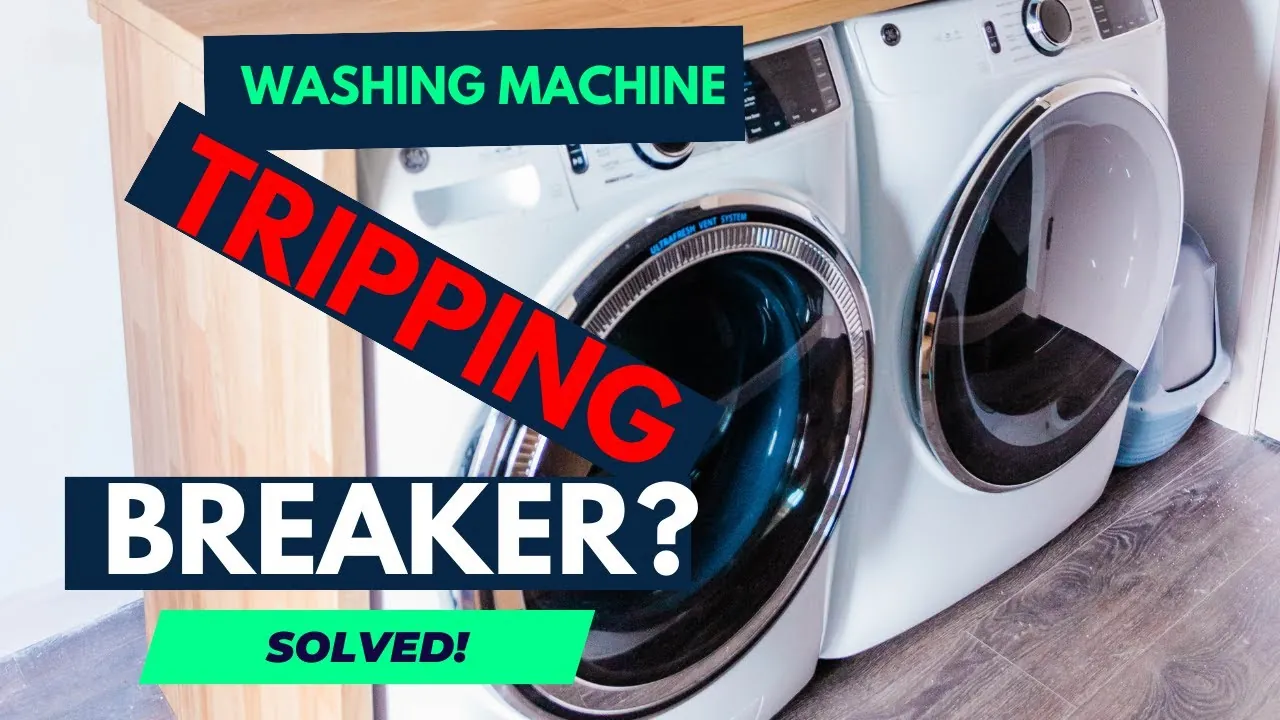
A faulty heater, a ground fault, or an overloaded circuit are the most common reasons why a washing machine keeps tripping breaker switches in your home. If you notice your power cutting out the moment the machine starts, you should first check for other appliances sharing that same circuit. This is a common issue that often stems from the machine drawing more current than the electrical panel can safely handle during its high-power heating cycle.
Stop the washing machine from tripping
Don’t try to force the breaker back on repeatedly, as this can cause permanent heat damage to your electrical panel’s internal bus bar. Follow these steps to keep the situation stable until you can find the root cause.
Unplug the machine from the wall outlet immediately to stop the flow of current. If the plug feels hot to the touch, use an insulated tool or a thick dry cloth to pull it from the socket.
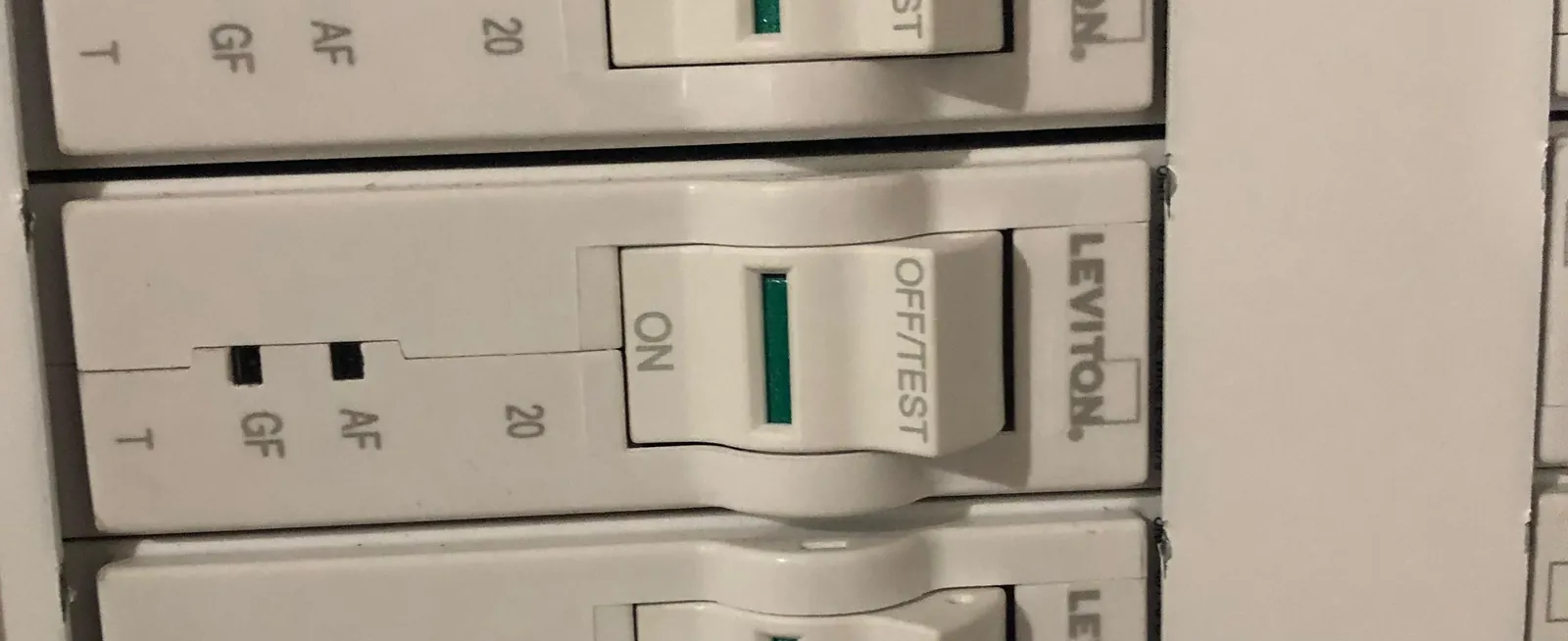
Turn off the circuit breaker in your electrical panel that controls the laundry room. If the switch feels loose or fails to click into the “off” position, the internal spring is likely broken and the entire breaker needs replacement.
Remove all other high-power devices, such as space heaters or irons, from the same circuit. Many homeowners mistake a shared circuit for a dedicated one, which causes the breaker to trip during simultaneous use.
Check the power cord for any visible signs of burning, melting, or fraying near the plug. If you see exposed copper or blackened plastic, don’t attempt to repair the cord with electrical tape.
Wait at least 15 minutes for the breaker to cool down before you attempt to reset it. A warm breaker will trip again instantly.
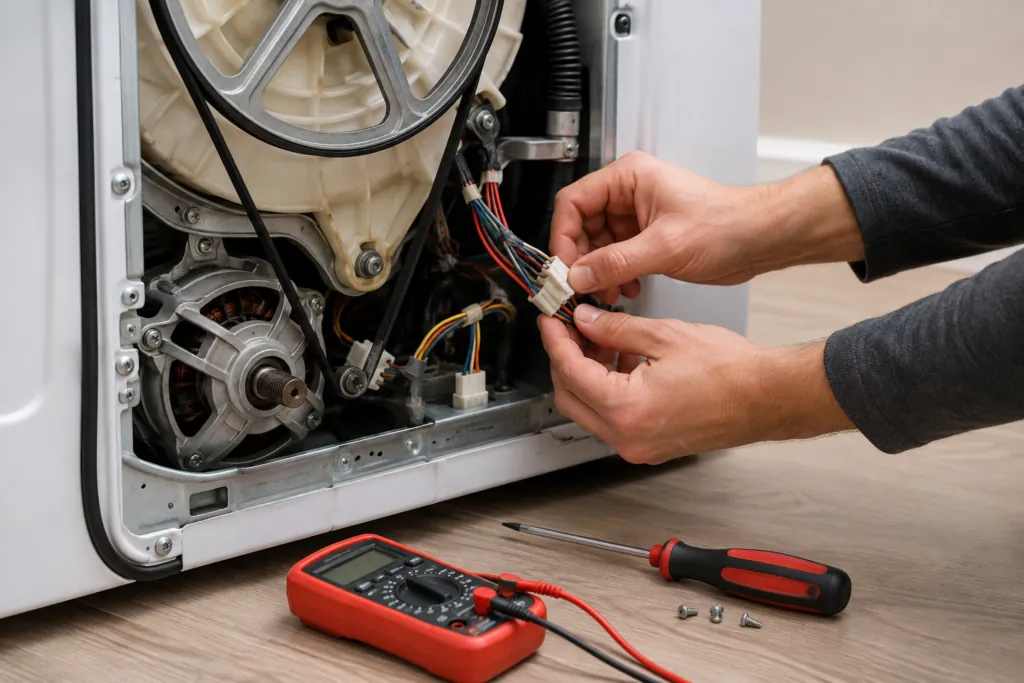
Safety: Inside a mains-powered machine, the parts behind the outer cover can hold a dangerous electrical charge even after it has been unplugged — that’s why they sit behind a cover. Opening the housing, or testing or replacing anything behind it, is a job for a qualified technician, never a home repair.
Why the power cuts out
The electrical system in your home is designed to protect your wiring from overheating by shutting off power when it detects a surge or a ground fault. Most modern washing machines use a heating element to warm the water for deep cleaning, which requires a significant amount of electricity. If your circuit is already near its maximum limit, this extra demand pushes the system over the edge.
Check your service panel for a label. If your machine draws too much power for your breaker, you have almost no room for other appliances on that same circuit. Running a vacuum or a space heater on the same line will trip the breaker every time.
A ground fault occurs when electricity escapes its intended path and touches the metal frame of the machine or the ground wire. This is often caused by water leaking inside the unit and reaching internal electrical components. Because water conducts electricity, it creates a shortcut that forces the breaker to trip instantly to prevent a shock hazard.
If the breaker trips the moment you press start, look for moisture near the motor or the heating element. If the trip happens mid-cycle, you likely have a failing pump seal that only leaks under pressure.
Another mechanism involves the age of the breaker itself. Over time, the internal springs of a circuit breaker can weaken, causing it to trip even when the load is within the normal range. If you have ruled out water leaks and overloads, the breaker itself may simply be tired and unable to hold the necessary current.
If your home was built before 1985, the internal components have likely lost their tension. A breaker that feels “mushy” or loose when you flip it back to the on position is a clear sign of mechanical failure.
Distinguish between these issues by checking the breaker after a trip. A breaker in the middle position simply indicates that the circuit has tripped. If the switch flips all the way to the off position, the circuit has tripped, but this doesn’t identify the specific cause. If the breaker is hot to the touch, replace it immediately to prevent a fire.
Check these, cheapest first
Check other appliances
Unplug everything else on the same circuit to see if the machine works alone. If it stays on, you were simply overloading the line with too many devices.
Inspect the power cord
Look for discoloration or melted plastic on the plug and the cord. If you see damage here, the cord must be replaced by a professional, as it’s a fire risk.
Examine the wall outlet
Look for signs of charring or loose fittings around the socket. If the plug feels loose when inserted, the internal contacts are likely worn and causing high resistance.
Test a different outlet
Plug the machine into a different circuit using a heavy-duty extension cord for one test cycle. If the breaker doesn’t trip, the problem is with your original wall circuit.
Inspect for leaks
Look underneath the machine for water puddles or damp spots on the floor. Water leaking onto internal wires causes immediate ground faults, which require a repair technician.
Fixing the power issue
The most effective fix for an overloaded circuit is to move the machine to a dedicated line. Many modern machines require a 20-amp circuit to handle the heating element’s power draw. If you find that the machine works fine on another circuit, you should hire an electrician to install a new, dedicated outlet for your laundry area. This ensures the machine has the full power it needs without competing with lights or other tools.
Check your breaker box for the label. If the switch is marked for a lower capacity, it will fail under the load of a modern heating cycle. You must have a technician upgrade the breaker and matching wiring to prevent the wire from overheating inside your walls. Never simply swap the breaker for a higher-rated one on existing thin wires, as this creates a genuine fire hazard.
If the problem is a water leak, you must identify the source of the drip before using the machine again. A small leak from a hose connection might be an easy tighten, but a leak from the pump or the drum seal is a more complex repair.
If your fix works, the machine will finish its cycle without the breaker moving. If the breaker trips again within the first week of normal use, you likely have an internal electrical short that requires a professional diagnosis. If the machine trips the breaker immediately upon startup, the issue is almost certainly a failed heating element or a grounded motor winding.
When to call a professional
Stop your repair attempts if you suspect an internal electrical fault or a water leak inside the machine’s chassis. Never attempt to open the cabinet or touch internal electrical components, as capacitors can hold a lethal charge even when the power is unplugged. If you have checked the external cord, the outlet, and the circuit load, and the problem persists, the issue is likely inside the control board or motor.
If you smell burning plastic or hear a persistent humming sound without the motor engaging, pull the plug immediately. These signs indicate a short circuit that can melt internal wiring or cause a fire if left powered. Don’t attempt to reset the breaker more than once. If the breaker trips again, you have a hard short that requires a professional to trace and isolate.
An electrician or a qualified appliance technician will confirm whether the part has failed. They can confirm if the machine is drawing more power than its specifications allow or if a specific component has failed.
When you call them, provide a list of the specific steps you have already taken, such as testing the machine on a different circuit. This allows them to skip basic checks and focus on the internal hardware. If you see water pooling beneath the unit, clear the area and leave the machine unplugged until they arrive to inspect the pump seals.
Related guides
- Milnor Washing Machine Troubleshooting: Fix Common Error Codes
- Brother Sewing Machine Troubleshooting: Fix Common Errors Fast
- 3 Best Snow Machines for Ice Fishing: Top Picks Reviewed in 2026
Frequently asked questions
Can a bad extension cord cause this?
Yes, using a light-duty or damaged extension cord can cause the breaker to trip because it adds extra resistance to the power flow. You should always plug a washing machine directly into a wall outlet to ensure it receives the correct voltage without overheating the cord. If you must use an extension, it must be rated for the specific amperage of your machine, which is usually listed on the product’s back label.
Is it safe to reset the breaker?
It’s safe to reset the breaker one time if you have unplugged the machine and checked for obvious external issues like a damaged cord. If the breaker trips again immediately after you turn it back on, you must leave it off and stop using the machine. Repeatedly forcing a breaker to stay on when there’s a fault can lead to melted wires or a fire inside your walls.
How long does a breaker usually last?
A standard residential circuit breaker typically lasts for a long period under normal conditions. If your home’s electrical panel is older than this, the internal mechanisms may be worn out and prone to “nuisance tripping.” You can check the age of your panel by looking for a label inside the door or checking the date on the inspection sticker often found on the panel’s interior.
Does the age of my machine matter?
Yes, older machines often have worn-out pumps or seals that are more likely to leak water onto electrical parts. As a machine ages, the insulation on internal wires can also become brittle and crack, which leads to ground faults. If your machine is quite old and keeps tripping the breaker, the cost of a professional repair may be higher than the value of the unit itself.
What happens if I ignore the tripping?
Ignoring the breaker trips will eventually cause the wires inside your walls to overheat and potentially start a fire. Every time a breaker trips, it’s a signal that your home’s electrical safety system is working to stop a dangerous situation. Continued use of a faulty appliance or an overloaded circuit will degrade your home’s wiring and increase the risk of permanent damage to your electrical panel.
How do I know if the circuit is overloaded?
You can determine if a circuit is overloaded by counting the total watts of every device currently plugged into that specific breaker. Most standard household circuits are limited to 1,500 to 1,800 watts, and a washing machine often uses 1,000 to 1,500 watts during its heating phase. If you have other appliances on the same line, the total will exceed the safety limit, causing the breaker to cut power.
Conclusion
If the problem persists after you’ve cleared the circuit, don’t ignore it. Electrical issues can be dangerous, so it’s best to call a licensed electrician for a professional inspection. They’ll quickly identify if there’s a hidden wiring fault, ensuring your home stays safe and your laundry routine gets back to normal.