
To resolve maytag dishwasher control panel problems, you should first perform a hard reset by turning off the circuit breaker for one minute and then turning it back on. This simple step clears temporary software glitches that often freeze the interface. If the display remains unresponsive after the power cycle, the issue usually stems from a loose ribbon cable or a failed control board component.
Why Maytag dishwasher control panel problems occur
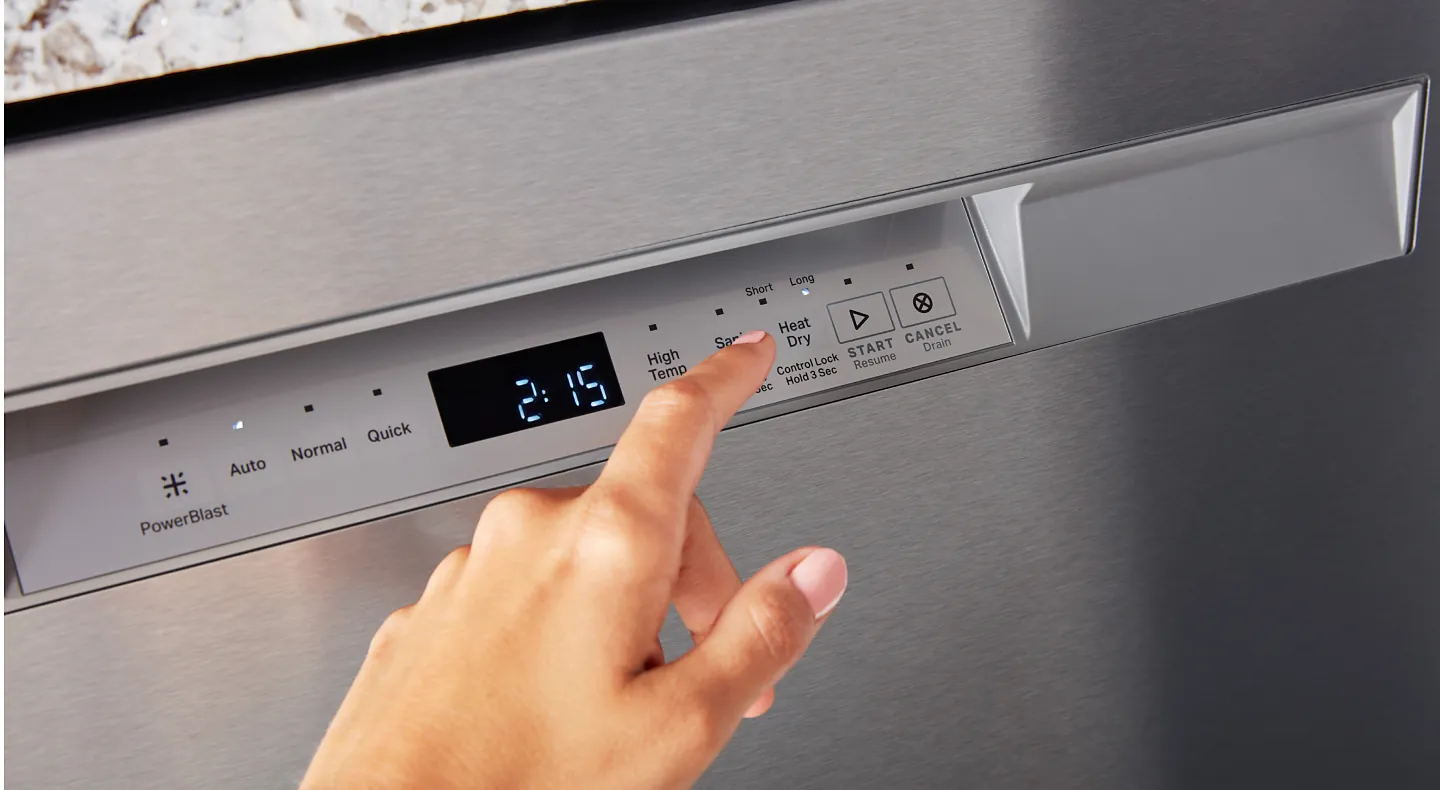
Most control panel errors happen because of moisture buildup or simple electrical surges. When steam escapes the door seal, it can condense on the back of the console, causing short circuits in the sensitive electronics. If your unit is older, the membrane switch—the part you press to select a cycle—may have worn out from constant use.
Another common reason is a blown thermal fuse or a tripped breaker. Maytag dishwashers are designed to shut down if they detect a heating error to prevent potential fire hazards. You can verify the status of your specific model by visiting the Maytag product support page and entering your serial number. This allows you to check for known recalls or specific error codes that require professional attention rather than a simple reset.
If you suspect a power issue, look at your home’s main service panel first. If the breaker isn’t tripped but the machine has no lights, the control board may have failed due to a power spike. Never attempt to disassemble the inner housing or touch the internal capacitors yourself, as these parts can hold a lethal electrical charge even when the unit is unplugged.
Reset the dishwasher cycle
A hard reset is the most effective way to address a “stuck” or “frozen” display. Turn off the power at your home’s breaker box and wait at least 60 seconds before flipping it back on. This forces the control board to reboot its internal software.
Once the power is restored, look for any lights on the panel. If the lights blink, the control board is trying to communicate an error code. Note the pattern of these flashes, as they often correspond to a specific fault in the heating element or drainage pump.
If the buttons still don’t respond after the reset, you might be dealing with a “demo mode” activation. Some models enter this state if a specific sequence of buttons is held down accidentally. Consult your user manual to see if your specific model has a button combination to exit showroom or demo mode.
Many users mistake a locked control panel for a broken one. If you see a small padlock icon or a lit “Control Lock” indicator, the machine is functioning perfectly but ignoring your inputs for safety. Simply hold the designated lock button for three seconds to override this feature.
If the panel remains dark despite these steps, the failure is likely physical rather than a software glitch. In this case, contact a certified appliance technician to test the voltage at the control board before replacing expensive components.
Inspect the door latch mechanism
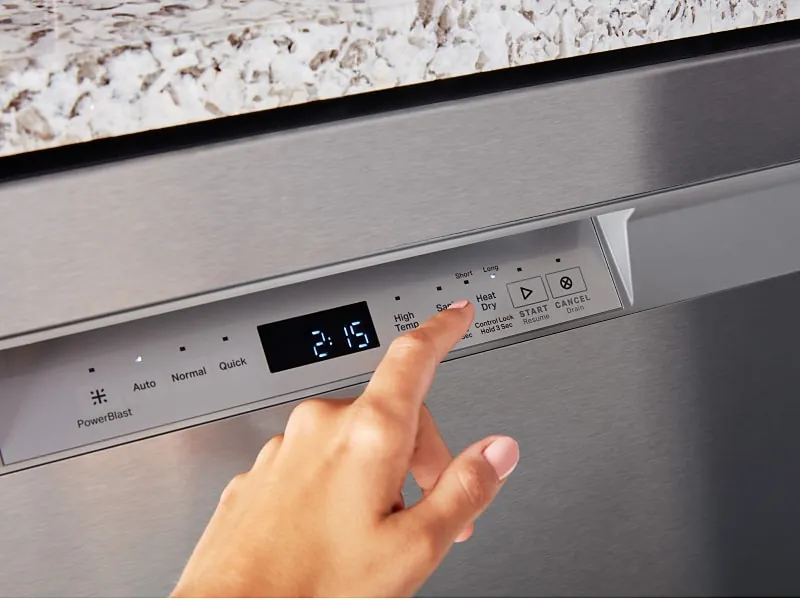
Sometimes the control panel appears dead because the dishwasher door isn’t latching correctly. The control board won’t illuminate or start a cycle if it doesn’t receive a signal that the door is securely closed. Check the latch assembly at the top of the door for any debris or food buildup that might prevent it from clicking into place.
If you find that the latch is loose or the plastic hook is cracked, the door sensor will stay open. You can test this by firmly pressing against the top center of the door while trying to start a cycle. If the machine suddenly wakes up, you have confirmed the latch is the culprit. This is a common point of failure for households with heavy daily use.
If the door closes but the cycle fails to trigger, inspect the strike plate on the tub frame. A misaligned plate prevents the latch from engaging the microswitch. If the plate is loose, tighten the mounting screws. If the latch is broken, you must replace the entire assembly to restore the connection, as it’s a safety-critical component.
Most users mistakenly attempt to bypass the sensor with tape or magnets. Never do this. It disables the door interlock, which prevents the machine from operating safely while the door is open.
Test the thermal fuse
When the dishwasher stops mid-cycle and the control panel goes dark, the thermal fuse may have blown. This component acts as a safety shield to prevent the control board from overheating. If you have a multimeter, you can check for continuity across the fuse terminals to see if it has failed.
Set your multimeter to the lowest resistance setting or the continuity mode. Touch the probes to the two terminals on the fuse. A functional fuse will result in a reading near zero ohms or an audible beep. If the meter shows “OL” or no change, the internal link is broken and the part is dead.
This check requires removing the outer door panel, a task best left to a professional if you aren’t comfortable with internal repairs. Most people make the mistake of assuming the fuse is the culprit when the door latch is actually faulty. If the latch doesn’t click firmly, the circuit remains open regardless of the fuse status.
If the fuse shows no continuity, it must be replaced with an exact match for your model. Always disconnect power at the breaker before starting. If you can’t confirm the part number, don’t guess; an incorrect fuse can fail to trip during a surge, risking a fire.
Things to avoid when fixing it
Don’t spray liquid cleaner directly onto the control panel. Moisture will seep behind the buttons and permanently damage the board. If you must clean the surface, spray a microfiber cloth until it’s damp, not wet, then wipe gently.
Avoid using a hairdryer to dry out the electronics. Intense heat can melt the plastic membrane and warp the internal circuitry within seconds. If water has entered the panel, disconnect the power immediately and wait 24 hours for it to air dry naturally.
Don’t try to bypass the door latch sensor with a magnet or tape. This disables a critical safety feature designed to prevent the machine from running while the door is unlatched. If the machine fails to start, check for debris in the latch first.
Never attempt to solder or modify the control board yourself. This voids your warranty and creates a significant fire risk for your home. If a component fails, replace the entire board assembly. Professionals use specialized diagnostic tools to confirm the fault; guessing which resistor failed often leads to a short circuit that ruins the entire wiring harness.
Prevent future control panel issues
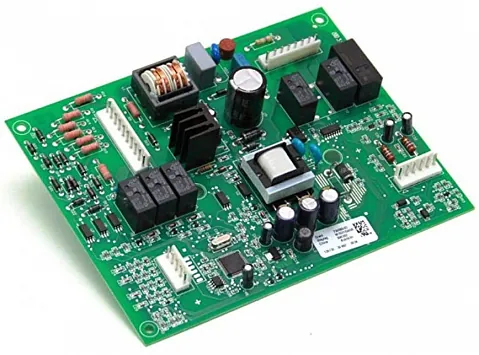
The way you manage your kitchen workflow changes how long your appliance lasts. If you’re regularly overloading the machine or using too much soap, you’re creating conditions that lead to early failure.
| If you’re doing this | Do this instead | Why |
|---|---|---|
| Leaving the door cracked open | Close it fully after loading | Prevents moisture from hitting the panel |
| Using harsh abrasive cleaners | Use a damp microfiber cloth | Prevents scratching the membrane surface |
| Ignoring blinking error lights | Check your manual immediately | Stops minor glitches from becoming permanent |
| Slamming the door shut | Gently engage the latch | Protects the fragile sensor switches |
Moisture is the primary enemy of electronic control panels. If you notice steam escaping from the top of the door during a cycle, your door seal is likely compromised. Replace the gasket immediately to prevent condensation from shorting the internal circuit board.
Many users make the mistake of wiping the panel with heavy-duty degreasers. These chemicals strip the protective coating from the buttons, eventually causing the plastic to crack or the underlying sensors to stick. If your panel feels tacky or shows visible wear, switch to a dry cloth immediately to stop further degradation.
If you live in an area with hard water, mineral buildup can interfere with the touch-sensitive membrane. Test your water hardness; if it exceeds 7 grains per gallon, install a softening system or use a rinse aid to prevent deposits from fouling the delicate electronic contacts.
Related guides
- Maytag Washer Bravos XL Troubleshooting: Fix Common Errors
- Maytag Washer Bravos Xl Troubleshooting: Fix Common Errors in 2026
- Dodge Ram Transmission Troubleshooting: Fix Common Problems in 2026
Frequently asked questions
How long does a dishwasher control board usually last?
Control boards typically last between 7 and 10 years depending on kitchen humidity and usage frequency. Exposure to heavy steam near a sink can cause the electronics to fail sooner. If your unit is older than 10 years, replacing the board may not be cost-effective.
Is it safe to use the dishwasher if the panel is flickering?
No, you should stop using the machine immediately if the panel flickers, as this indicates an electrical short. A flickering light often means that water has entered the console or a connection has become loose. Continued use can lead to a total board failure or even a small electrical fire. Turn off the power at the breaker and wait for a professional to inspect the wiring harness and the console seal.
Why do the lights on my dishwasher blink?
Blinking lights indicate an error code that points to a specific failed component like a heater or pump. The flash pattern corresponds to a unique issue listed in your user manual. Identifying this code helps service technicians diagnose the problem more efficiently, potentially reducing your labor costs.
What happens if I keep using it with a broken latch?
A broken latch prevents the dishwasher from starting to protect your kitchen from accidental leaks. The control board blocks all functions until the door switch confirms a secure seal. Don’t attempt to bypass this safety feature, as it prevents water from spraying out during the wash cycle.
Can I replace the control panel myself?
You can replace the control panel yourself if you’re comfortable using basic tools and have confirmed the part is faulty. The process involves removing inner door screws and swapping the wire harness. If you’re uncomfortable handling electrical connections, hire a professional to avoid damaging the new board.
Conclusion
If these quick fixes don’t restore your appliance’s functionality, it’s time to reach out to a professional technician. They’ll have the right tools to safely inspect the internal wiring. Don’t hesitate to call for help, as you shouldn’t have to deal with a faulty machine for another day.