
An lg dishwasher smells like burning plastic primarily because a plastic object or food residue has fallen onto the heating element at the bottom of the tub. You should stop the cycle immediately and turn off the power at the circuit breaker to prevent a fire hazard. If you see smoke, evacuate the area and call emergency services.
Inspect the dishwasher for burning plastic

Press the power button on your unit to stop the current cycle immediately. Don’t rely on the electronic control panel alone to isolate the machine.
Go to your home’s main electrical panel and switch off the breaker for the dishwasher to cut all power. If you skip this step, you risk an accidental restart while your hands are inside the unit.
Open the dishwasher door fully and wait at least 5 minutes for the interior to cool down. Steam trapped inside can cause second-degree burns if you reach in too quickly.
Use a flashlight to inspect the bottom of the tub, specifically near the exposed heating element, for any melted items. If you see a dark, charred residue, scrape it off with a plastic putty knife to prevent a burning smell during future cycles.
If you find a plastic object, use tongs to remove it safely. Never use your bare hands if the material is still warm, as molten plastic adheres to skin instantly and causes deep tissue damage. If the plastic has fused to the element, call a technician rather than prying it off forcefully.
Why the burning smell occurs
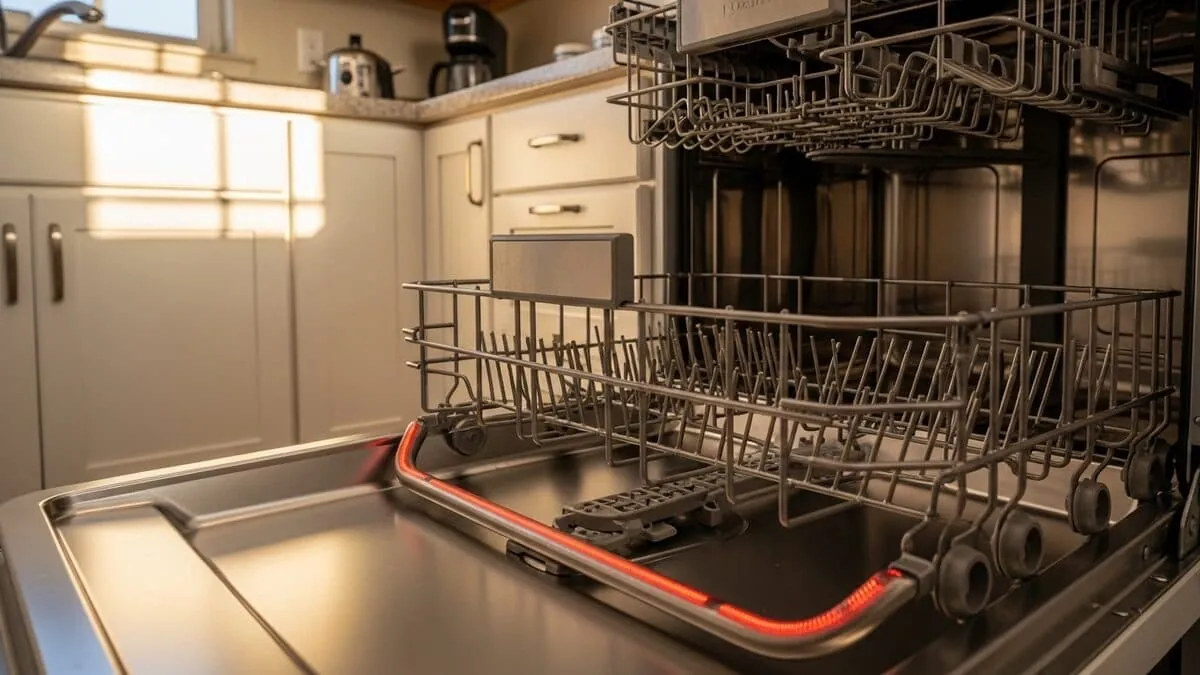
The heating element in an LG dishwasher is designed to heat water and dry dishes by reaching high temperatures. When a stray piece of plastic, such as a container lid or a utensil, drops through the rack, it lands directly on this hot metal coil.
The intense heat causes the plastic to melt and bond to the surface, which releases a pungent, acrid odor that mimics the smell of burning wires. This is the most common cause of the issue and is usually easy to spot during a visual inspection.
Check the element after the unit has cooled for at least thirty minutes. If you see a dark, hardened smudge or a distorted shape on the metal coil, you have found the culprit. You can often remove this residue by gently scraping it with a wooden spatula once the element is completely cold. Avoid using metal tools, as these can scratch the protective coating and lead to premature corrosion.
A second, less common cause involves an electrical fault within the control board or the motor wiring. If the smell is sharp and chemical but you can’t find any melted plastic on the element, the issue may be internal. Electrical components can overheat if there’s a loose connection or a failing pump motor.
Distinguish between these two scenarios by the persistence of the odor. If the smell dissipates after you clear the debris from the element, the problem is resolved. However, if the scent returns or persists even when the dishwasher is empty, the fault is likely internal. A faint ozone smell, similar to a sparking outlet, is a definitive sign of failing insulation rather than a foreign object.
If the problem is internal wiring, you might notice the smell coming from the kickplate area at the bottom front of the machine. Never remove the kickplate or attempt to inspect the wiring behind it yourself. High-voltage connections are located in this area, and improper handling can lead to severe electric shock.
If you can’t find a physical item on the heating element, assume the issue is electrical and don’t attempt to run the machine again. Ignoring this warning can lead to localized melting of the control harness, which is a significant fire risk that often costs more to repair than the appliance is worth.
Simple checks to perform
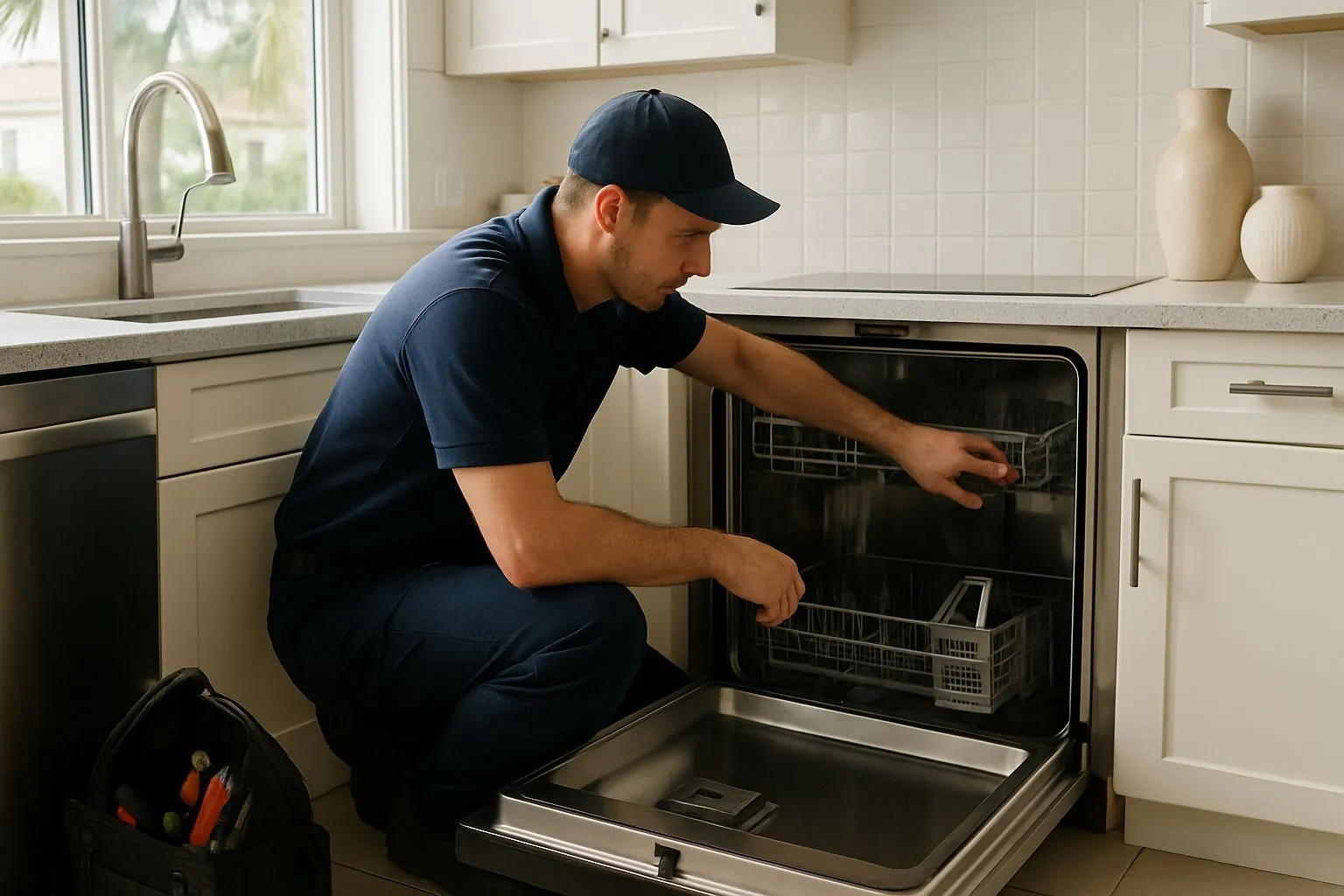
Before calling a repair service, perform these checks to rule out minor issues.
Inspect the lower rack
Look for gaps in the rack where small items might slip through. A missing rack tine can allow plastic containers to shift during the wash cycle.
Check the filter area
Remove the filter at the bottom of the tub to see if debris is blocking the drain. Sometimes, small plastic labels or food waste can get stuck near the heating element.
Verify the heating element
Ensure the metal coil isn’t touching any plastic parts of the dishwasher tub itself. If the element is bent and making contact with the plastic floor of the unit, it will cause melting.
Check the water temperature
Ensure your home water heater isn’t set above 150°F. Excessively hot water can soften plastic items, making them more likely to deform and fall onto the heating element.
Check for loose items
Ensure no plastic lids were placed in the bottom rack. Always place plastic items on the top rack to keep them away from the heating element.
Removing melted plastic from the element
If you find melted plastic on the heating element, you must remove it to stop the odor. Wait until the element is completely cold to the touch. Use a plastic scraper or a wooden spatula to gently chip away the hardened plastic from the metal surface. Avoid using metal tools, as these can scratch the element’s protective coating and lead to corrosion or future electrical failures.
If the plastic is particularly stubborn, apply a small amount of rubbing alcohol to a cotton swab and dab the residue. The solvent softens the bond, allowing you to lift the debris without gouging the metal. Never use abrasive scouring pads or steel wool, which strip the protective finish and invite rust.
Once you have removed the visible residue, run a rinse cycle with the dishwasher empty to clear away any remaining microscopic particles. If the smell persists after a full rinse cycle, the plastic has likely permeated the heating element’s surface or affected the internal airflow.
If the problem returns after one successful wash, it indicates that the plastic hasn’t been fully cleared or that an internal component is failing. If the odor is sharp and chemical rather than burnt, check the pump filter for trapped plastic shards. A clean element is useless if plastic is still circulating through the drainage system.
When to contact a professional
If you can’t find a melted object on the heating element, or if the burning smell returns after you have cleaned the area, you must stop using the machine. An electrical smell without a physical cause points to a failing motor, a shorted wire, or a damaged control board. These repairs require specialized training and safety equipment to ensure the unit doesn’t pose a fire risk. Contact a certified technician to inspect the internal wiring and motor components.
If you smell ozone or a sharp, acrid scent similar to burning hair, disconnect the power at the circuit breaker immediately. This specific odor often indicates that a plastic wire nut has melted or a terminal block is arcing. Attempting to run the cycle again can cause a catastrophic short that ruins the control board, turning a simple repair into a total loss.
When you call, describe the smell and tell them you have already checked the heating element for melted plastic. This helps the technician narrow down the potential electrical faults before they arrive. Never try to bypass the safety systems or open the housing of the dishwasher to inspect the motor or wiring yourself.
A qualified professional will have the tools to safely test for ground faults and verify that the electrical system is operating within safe limits. If the technician suggests a repair cost exceeding fifty percent of the unit’s current market value, replacement is usually the wiser financial path.
Related guides
Frequently asked questions
Can I run the dishwasher if it smells like burning plastic?
No, you should never run the dishwasher if you smell burning plastic. This odor is a warning sign of a potential fire hazard, either from a melting object or an electrical short. Continuing to use the appliance can cause further damage to the internal wiring or lead to a house fire. Keep the unit powered off at the circuit breaker until a professional determines it’s safe to use.
How long does the burning smell last after removing the plastic?
The smell usually fades within one or two wash cycles after you have successfully removed all melted residue from the heating element. If the odor is still strong after two cycles, it means some plastic remains on the element or the smell has been absorbed by the door seal. If you have cleaned the element thoroughly and the smell persists, there’s likely an internal electrical fault that requires repair.
Is it safe to use a knife to scrape plastic off the element?
No, you shouldn’t use a metal knife to scrape plastic off the heating element. Metal tools can scratch or damage the protective coating on the element, which may lead to corrosion or future electrical shorts. Use a plastic scraper, a wooden spatula, or a stiff nylon brush to remove the debris safely. Always ensure the dishwasher is unplugged or the breaker is off before touching the element.
Why does my dishwasher smell like burning even when it’s off?
If your dishwasher smells like burning while powered off, it indicates a serious electrical issue such as a smoldering wire or a faulty control board. This is a critical safety concern that requires immediate attention from a professional technician. Don’t attempt to investigate the cause yourself, as this could lead to electric shock or fire. Keep the power disconnected at the circuit breaker until the unit is inspected.
Does it matter if I place plastic on the bottom rack?
Yes, placing plastic items on the bottom rack increases the risk of them falling onto the heating element during the wash cycle. The high heat near the bottom of the tub can cause plastic to soften, warp, or melt if it touches the heating coil. Always place plastic containers on the top rack to keep them away from the heat source and prevent potential damage to the dishwasher.
What happens if I ignore the burning smell?
Ignoring a burning smell can lead to permanent damage to your dishwasher’s motor, wiring, or control board, and significantly increases the risk of a kitchen fire. The plastic residue can continue to off-gas toxic fumes, and an electrical short can cause the machine to stop working entirely. Addressing the issue early prevents minor problems from becoming expensive, dangerous repairs that might require a full replacement of the appliance.
Conclusion
If you can’t find the source of the odor, don’t risk running another load. It’s best to contact a qualified technician who’ll inspect the internal wiring and heating assembly for you. Getting a professional’s opinion will ensure your kitchen stays safe and your appliance doesn’t cause any further trouble down the road.