
You can successfully connect your appliance to your home network because how to setup wifi on lg refrigerator is a task that typically takes 10 to 15 minutes. This process is of medium difficulty, as it requires you to be near the unit and have your smartphone ready. You must have your home Wi-Fi network name and password available before you begin. If you’re unsure about your network settings, check your router label or your internet service provider’s mobile application for the correct credentials.
Requirements for refrigerator wifi setup
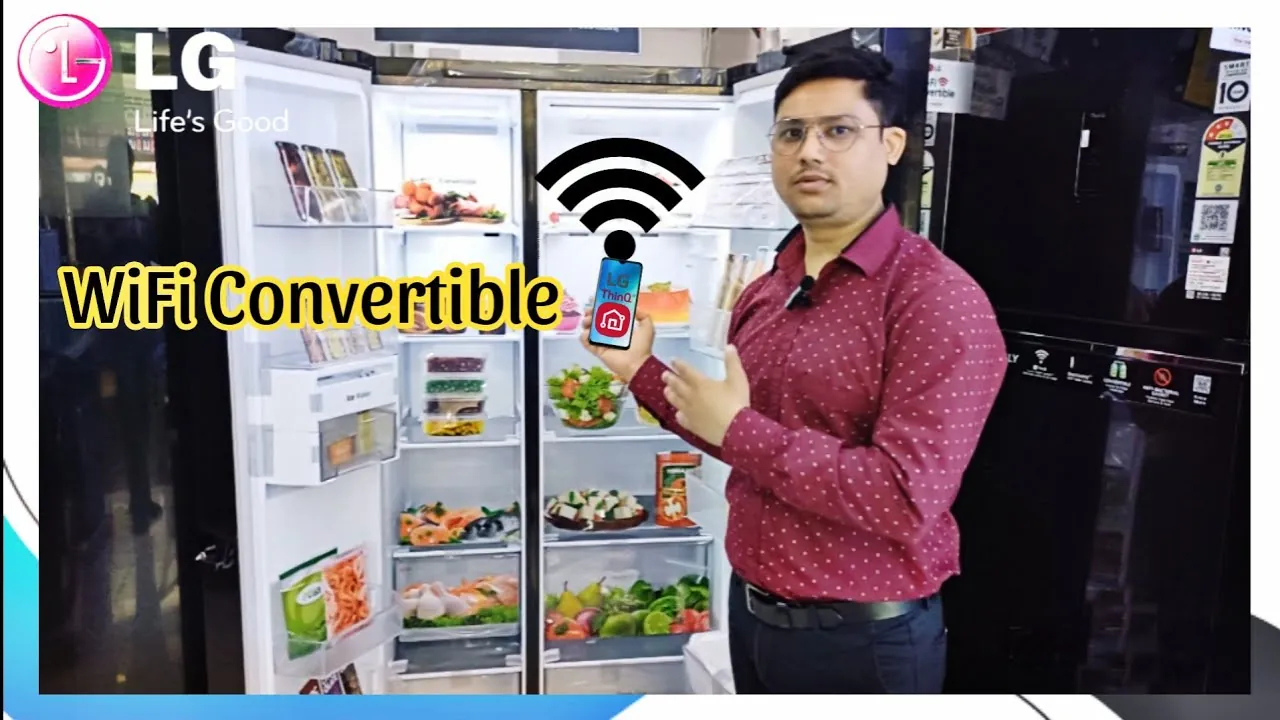
You’ll need the following items to finish the setup. Don’t substitute these tools, as each plays a specific role in communicating with the appliance’s internal module.
| Item | How much | Why it’s needed | A substitute |
|---|---|---|---|
| Smartphone | 1 device | Runs the control app | none — don’t swap this |
| LG ThinQ app | 1 install | Acts as the bridge | none — don’t swap this |
| Wi-Fi network | 2.4 GHz band | Required for connection | 5 GHz isn’t supported |
| Router access | 1 connection | Needed for password | none — don’t swap this |
| User manual | 1 copy | Shows button location | LG Product Support |
Most users fail because they attempt to connect using a 5 GHz band. Check your router settings before starting; if your network name doesn’t explicitly state “2.4G,” you likely have a dual-band router that requires you to manually select the slower frequency in your phone’s Wi-Fi settings.
If your router combines both bands under a single name, move your smartphone to the far edge of your home, away from the router. The device will often automatically drop to the 2.4 GHz band to maintain a signal at that distance, allowing the appliance to pair successfully.
Keep your Wi-Fi password written down before you begin the app process. If you enter the wrong credentials three times, the appliance will lock its communication module for ten minutes. You must wait for this cooldown period to expire before the app will allow you to attempt a new connection.
Preparing your appliance
Check that your router is broadcasting on a 2.4 GHz frequency, as the refrigerator module can’t detect 5 GHz signals. If your router uses a combined band, log into the admin portal to temporarily disable the 5 GHz radio during setup.
Ensure your smartphone is connected to the exact same 2.4 GHz Wi-Fi network you intend to use for the appliance. If you have a dual-band network, your phone might automatically hop to the faster 5 GHz band, which will cause the pairing process to hang indefinitely at the final handshake.
Move any items blocking the front display panel so you can clearly see the buttons and light indicators. Obstructed sensors often fail to register the long-press commands required to enter pairing mode.
Power cycle your router if you have recently changed your network password. Old credentials cached in the appliance’s memory often cause silent login failures.
If you have a weak signal in your kitchen, the setup will likely fail. Aim for at least two bars of signal strength on your phone while standing directly in front of the unit. If you see only one bar, use a Wi-Fi range extender to boost the signal.
Steps for wireless setup
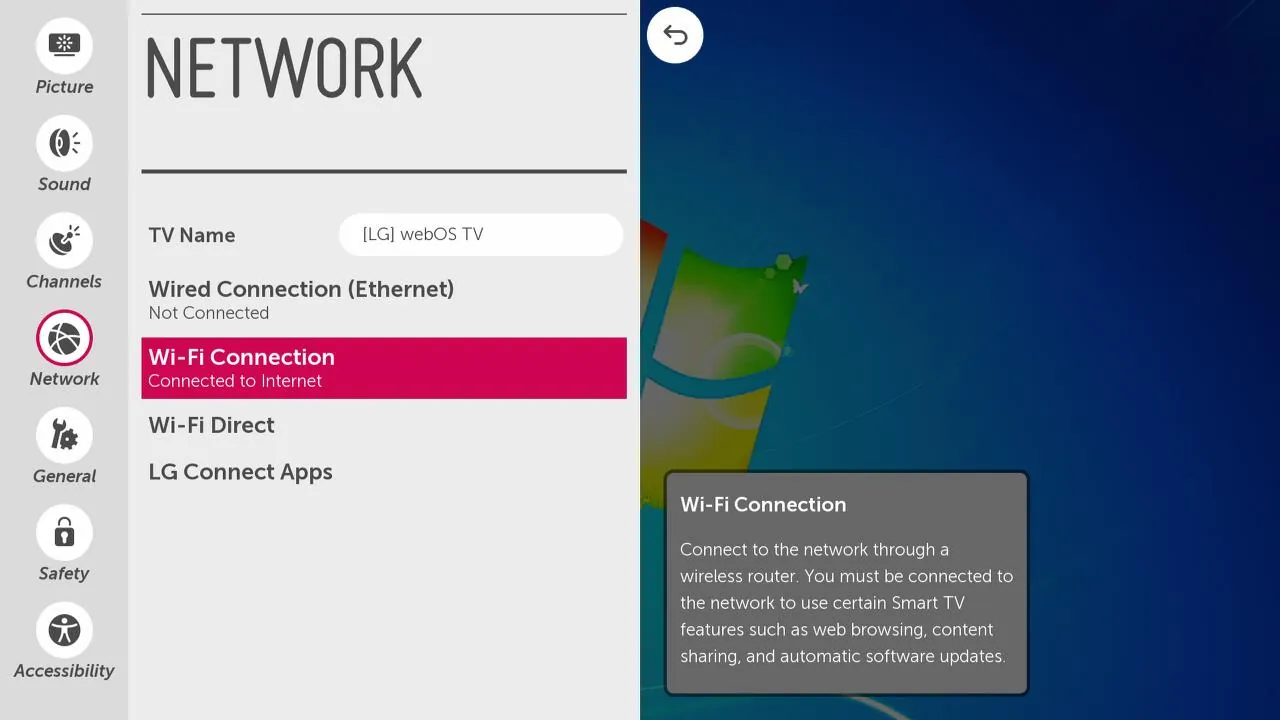
- Download and install the LG ThinQ app from your smartphone’s official app store. Create an account or sign in if you already have one, then select the “Add a Device” option to begin the process.
- Locate the Wi-Fi button on your refrigerator’s control panel. Press and hold this button for 3 seconds until the Wi-Fi icon on the display starts to blink.
- Open the ThinQ app and select the “Refrigerator” category from the list of available appliances. Follow the on-screen prompts to scan for your specific model or enter the model number found on the interior sticker.
- When the app asks you to join the network, go to your phone’s Wi-Fi settings and look for a network starting with “LGE_”. Connect your phone to this network, then return to the ThinQ app immediately.
- Select your home’s 2.4 GHz Wi-Fi network from the list shown in the app. Enter your home Wi-Fi password exactly as it appears on your router, paying close attention to capital letters and special characters.
- Wait for the app to register the refrigerator. This process usually takes 60 seconds; if the app freezes, close it and restart the process from the beginning.
- Verify that the Wi-Fi icon on the refrigerator display stops blinking and remains solid. A solid light indicates the appliance is now successfully linked to your home network and the cloud server.
- Test the connection by opening the app and checking the status of your refrigerator’s temperature settings. If you can see the current temperature, the setup is complete and your device is ready for remote control.
Confirming the connection
Success is confirmed when the Wi-Fi icon on the refrigerator display remains solid without flashing. If the icon continues to blink, the appliance is still searching for a signal and hasn’t established a link to your router.
A successful connection allows you to monitor the unit’s temperature and receive alerts through your phone. If you see an error message in the app, the most common cause is an incorrect password or a signal drop during the final handshake phase. Retype your credentials carefully, as the app is case-sensitive. If the error persists, move your router closer to the kitchen; the appliance requires a signal strength of at least two bars to maintain a stable handshake.
If the light remains off, the Wi-Fi module is inactive. Press the Wi-Fi button once to wake the module before trying the connection steps again. Most users fail by pressing this button for too long, which triggers a factory reset. A quick, single tap is all that’s required to wake the system. If you hold it for more than three seconds, you must restart the entire pairing process.
Troubleshooting common issues
| What happened | Why | What to do |
|---|---|---|
| Can’t find network | Signal is 5 GHz | Switch to 2.4 GHz |
| Connection times out | Signal is too weak | Move router closer |
| App shows offline | Password is wrong | Re-enter your password |
| Icon stays blinking | Setup not finished | Restart the app |
| No network found | Module is off | Press Wi-Fi button |
If your device fails to join the network despite a strong signal, check your router’s frequency band. Most smart home modules lack the hardware to handshake with 5 GHz bands. If you see two network names in your list, always select the one ending in 2.4G.
Many users mistakenly assume a blinking light means a hardware defect. In practice, a slow pulse usually indicates a pending firmware update. Wait five full minutes before force-closing the application. If the light remains steady but the app shows offline, toggle your phone’s airplane mode to refresh the local cache.
Distance matters more than you think. If your router is behind a brick wall or inside a metal cabinet, the signal strength drops by half every six feet. If the connection drops intermittently, move the router to an open, elevated surface. You should see at least three bars on your phone when standing next to the device. If you see only one, the connection will time out during data transfers.
Frequency of connection
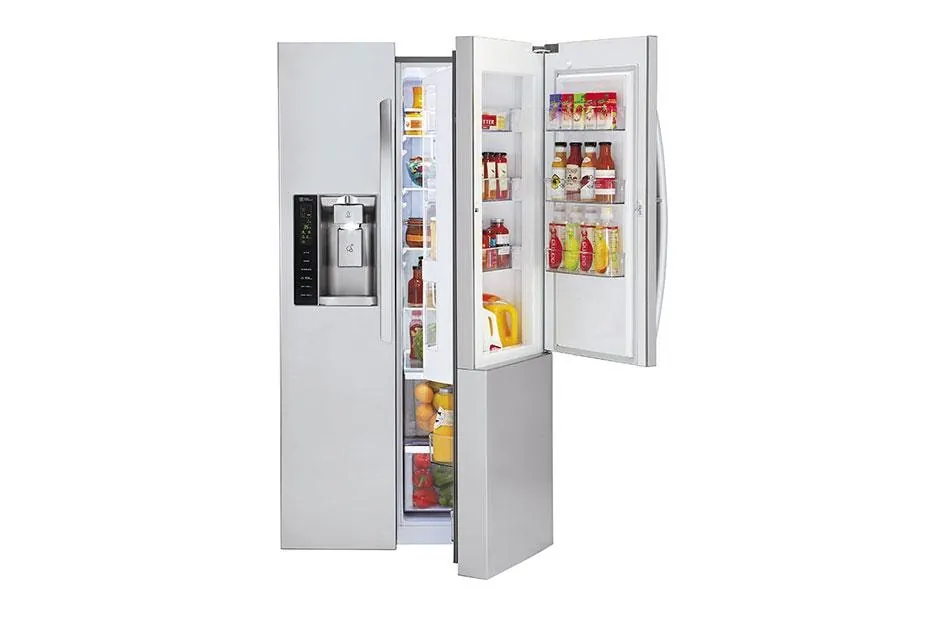
You should only need to perform this setup once. However, two things will force you to repeat the process: changing your home router or updating your Wi-Fi password.
If you replace your internet hardware, the refrigerator will lose its saved connection and require a full reset to discover the new network. To reset the connection, press and hold the Wi-Fi button for 5 seconds until the icon flashes, then follow the steps in the application again.
If the appliance loses power for a short time, it should reconnect automatically once the electricity returns, provided your router settings remain unchanged.
Most users mistakenly assume the fridge will automatically hunt for a new signal if the network name changes. It will not. If you see the connection icon blinking slowly, the unit is still looking for the old network. You must manually initiate the handshake by holding the button.
If your router uses a combined 2.4GHz and 5GHz band, ensure your phone is on the 2.4GHz frequency during the initial pairing. The fridge can’t bridge the gap to a 5GHz-only network.
Frequently asked questions
Can I use a 5 GHz network for my refrigerator?
No, you can’t use a 5 GHz network because the internal Wi-Fi module is designed only for the 2.4 GHz frequency band. If your router uses a single name for both bands, you may need to log into your router settings to temporarily disable 5 GHz or create a dedicated 2.4 GHz guest network for your smart appliances to ensure a stable connection.
How long does the setup process take?
The setup process takes 10 to 15 minutes on average, assuming you have your Wi-Fi password ready and your phone is already connected to your home network. If you struggle to find the Wi-Fi button or if your router is far from the kitchen, you should allow an extra 10 minutes to troubleshoot signal strength or locate the specific button on your panel.
Is it safe to connect my refrigerator to Wi-Fi?
Yes, it’s safe to connect your appliance, as the connection is encrypted through the LG ThinQ platform. Always keep your smartphone’s operating system and the ThinQ app updated to the latest version to ensure you have the most recent security patches, which helps protect your home network from unauthorized access or potential vulnerabilities found in older software versions.
What happens if my Wi-Fi goes down?
The refrigerator continues to work as a normal appliance even if the Wi-Fi goes down, so your food will remain cold and safe. The only thing that changes is that you’ll lose remote monitoring and push notifications on your phone until the internet connection is restored or the refrigerator reconnects to your local router automatically.
Does it matter where my router is located?
Yes, it matters because the refrigerator’s Wi-Fi module has a limited range compared to a phone or laptop. If your router is behind thick walls or several rooms away, the connection may be unstable, causing the refrigerator to drop offline frequently; in these cases, a standard Wi-Fi range extender placed halfway between the router and the kitchen is the best solution.
How do I know if my refrigerator is connected?
You know the refrigerator is connected when the Wi-Fi icon on the front display panel remains solid rather than blinking. You can also verify this by checking the dashboard in the ThinQ app; if the app shows the current temperature of the fridge and freezer, the link between the appliance, your local network, and the cloud server is working correctly.
Conclusion
Once your connection is active, don’t forget to explore the smart features in the app. You’ll find helpful options like remote temperature control and energy usage reports that make managing your kitchen much easier. If you run into any trouble later on, you can always check the settings menu to reconnect.