
You can resolve most heating issues by checking the power supply, thermostat settings, and air filter before consulting a Lennox Furnace Troubleshooting Manual. If your system won’t start, the most common cause is a tripped circuit breaker or a loose service switch near the furnace unit. These basic checks often restore heat without needing a technician.
Lennox Furnace Troubleshooting Manual: Common Causes
Heating systems stop working for several reasons, and most are related to safety protections built into the equipment. The most frequent issue is a lack of power. If the furnace detects an electrical fault, it cuts power to prevent damage. You should check your home’s electrical panel first to ensure the breaker hasn’t flipped to the “off” or “middle” position.
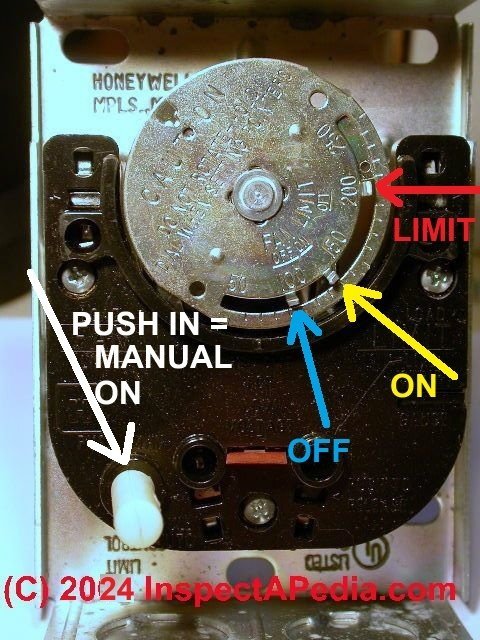
Another common cause involves the air filter. When the filter becomes clogged with dust and hair, the furnace can’t pull enough air through the system. This causes the internal temperature to rise too quickly, which triggers a high-limit switch. This switch is a safety device that turns off the burners to prevent the metal heat exchanger from cracking. You can verify if your filter is the problem by removing it briefly to see if the system cycles on. If it does, you have found the restricted airflow issue.
Finally, consider the thermostat. If the batteries are low or the display is blank, the furnace won’t receive the signal to start. Ensure the setting is on “Heat” and the temperature is set at least five degrees higher than the current room temperature to force a call for heat. If you hear the furnace click but the burners don’t ignite, the problem may involve the flame sensor or gas supply. These parts are sensitive and require a professional to handle, as they involve gas combustion and electrical ignition systems.
Check the power and service switches
This fix is for users who notice that the furnace control board lights are completely dark or the blower fan doesn’t move at all. Start by locating the electrical switch on the side of the furnace cabinet. It looks exactly like a standard light switch. If someone bumped it while cleaning the basement or utility room, the furnace will have no power. Flip the switch to the “on” position and wait about three minutes for the system to run its startup sequence.
If the switch is on, head to your main electrical panel. Look for a breaker labeled “Furnace” or “Heat.” If the switch is in the middle, push it all the way to “off” and then back to “on.” Never attempt to touch the wiring inside the furnace panel, as the internal components can carry a high-voltage charge. If you smell gas or notice the blower motor making a loud grinding noise, stop immediately and call a licensed HVAC contractor. This fix isn’t for you if you notice burnt wires or water leaking near the electrical connections, as these indicate a serious hazard that requires a qualified technician to repair. You can find official guidance on Lennox furnace system maintenance to understand which tasks are safe for homeowners to perform.
Inspect the air filter and return vents
This fix is for systems that turn on for a few minutes and then shut down suddenly. A restricted airflow is the primary reason a unit short-cycles. Find the filter slot, which is usually located where the return duct meets the furnace cabinet. Slide the filter out and hold it up to a light source. If you can’t see light passing through the mesh or fabric, the filter is too dirty to allow proper airflow.
Replace the filter with a new one of the exact same dimensions. If you can’t find the size, check the label printed on the frame of your old filter. Installing a filter that’s too thick can actually restrict air more than a dirty one, so stick to the manufacturer’s recommended thickness. Once the new filter is installed, ensure all return air vents in your home are open and not blocked by furniture or rugs. If the system continues to turn off after you replace the filter, the issue might be a faulty limit switch or a blocked flue pipe. These components are internal and require specialized testing equipment. If you aren’t comfortable or lack the tools to verify the flue is clear, don’t attempt to disassemble the venting. It’s better to hire a professional to ensure the exhaust gases, including carbon monoxide, are venting safely outside your home.
Reset the thermostat and cycle the heat
This fix is for homeowners whose furnace seems to have power but simply won’t start when the temperature drops. First, check the display on your thermostat. If it’s blank, replace the batteries with fresh alkaline ones. Many modern digital thermostats won’t send a signal to the furnace if the power level is too low. Once the display is active, set the mode to “Heat” and adjust the set-point to at least five degrees above the current room temperature.
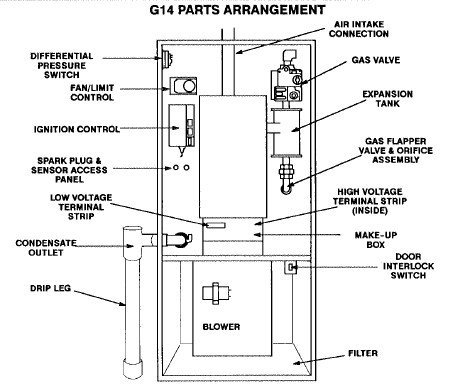
Wait for the system to respond. Most furnaces have a built-in delay of two to five minutes before the blower starts. If you hear a soft “click” from the thermostat or the furnace, the signal is getting through. If nothing happens after five minutes, try toggling the “Fan” setting from “Auto” to “On.” If the blower motor starts, the issue is likely the ignition control board or gas valve. If the blower doesn’t start even with the fan set to “On,” the problem is likely the blower motor itself or the control board. This fix isn’t for you if you have a smart thermostat that’s connected to a complex home automation hub, as these may require a software reset or a call to the manufacturer’s support line. If you’re uncertain about the wiring behind the thermostat, leave it alone. Touching the wrong wires can damage the control board inside your furnace, leading to expensive repairs.
What not to do
- Don’t attempt to bypass the door safety switch by taping it down, as this exposes you to moving fan blades and high-voltage electrical components.
- Use only a fine-grit abrasive pad to clean the flame sensor, as harsh materials can damage the metal surface.
- Don’t attempt to light the burners with a match or lighter if the electronic ignition fails, as this is extremely dangerous and can lead to an explosion.
How to stop it happening again
Consistent maintenance prevents the most common failures before they start. Use this table to keep your furnace running through the coldest months of the year.
| If you’re doing this | Do this instead | Why |
|---|---|---|
| Changing filters once a year | Change filters every 3 months | Dust buildup causes overheating |
| Ignoring strange sounds | Call a technician immediately | Early detection prevents major damage |
| Blocking return air vents | Keep vents clear of furniture | Restricted air stresses the blower |
| Using high-MERV filters | Use standard pleated filters | High-MERV filters restrict airflow |
Frequently asked questions
Can I fix a Lennox furnace myself?
You can perform basic tasks like changing the air filter, checking the circuit breaker, and replacing thermostat batteries. These steps resolve most common issues that cause a furnace to stop heating. However, tasks involving gas lines or internal electrical components must be left to a licensed professional.
Why does my furnace blow cold air?
Your furnace blows cold air because the burners aren’t igniting, usually due to a blocked flame sensor or faulty ignition. The system shuts off the gas supply for safety while the blower clears unburned gas. If the gas supply is open, you likely need a professional diagnosis.
How long should a Lennox furnace last?
A well-maintained furnace typically lasts fifteen to twenty years depending on climate and usage. Factors like installation quality and regular filter changes significantly impact the equipment’s lifespan. If your furnace is over fifteen years old and requires frequent, expensive repairs, it may be more cost-effective to replace it.
Is it safe to leave the furnace running if it makes a noise?
You should turn the furnace off at the service switch if it makes grinding, screeching, or banging noises. These sounds usually indicate mechanical failures like worn-out blower motor bearings or loose fan blades. Contact a service professional to identify the specific part causing the noise before turning it back on.
What happens if the furnace filter is too dirty?
A dirty filter restricts airflow, causing the furnace to overheat and shut down. This cycle puts unnecessary stress on the electronics and the heat exchanger. Check your filter every month and replace it as soon as it looks gray or dusty to maintain steady airflow.
Final Thoughts
If these simple fixes don’t get your home warm again, it’s time to call a licensed professional. Don’t hesitate to reach out for help if the problem persists, as they’ll have the right tools to handle complex repairs safely. You’ll be much more comfortable once an expert’s checked the internal components.
Related guides
- Bryant Plus 80 Furnace Troubleshooting: Fix Common Heating Issues in 2026
- Atwood Camper Furnace Troubleshooting: Simple Fixes for Heat in 2026