
Amana washing machine troubleshooting is the process of checking your power supply, water valves, and door interlock to fix common cycle or drainage errors. Most issues start with a simple power interruption, an unbalanced load, or a clogged drain pump filter. If your machine stops mid-cycle, first ensure the lid is fully latched and the power cord is pushed firmly into the wall outlet. If the machine still doesn’t respond, check your home’s circuit breaker for a tripped switch. These steps address the majority of basic operational errors without requiring technical intervention.
Amana Washing Machine Troubleshooting
The most frequent cause is an uneven load, which triggers the machine’s safety sensors to pause the spin cycle to prevent excessive vibration or damage. When a load is too heavy or contains only one large item, the drum can’t balance itself, and the control board stops the process to protect the motor.
Another major cause is a restriction in the water supply or drainage system. If your fill times are too long, the internal timer may time out, causing the machine to halt. This is often caused by sediment buildup in the inlet screens where the hoses connect to the wall. Conversely, drainage issues usually stem from debris—like coins or loose buttons—blocking the drain pump filter. When water can’t exit the tub, the machine won’t proceed to the spin phase.
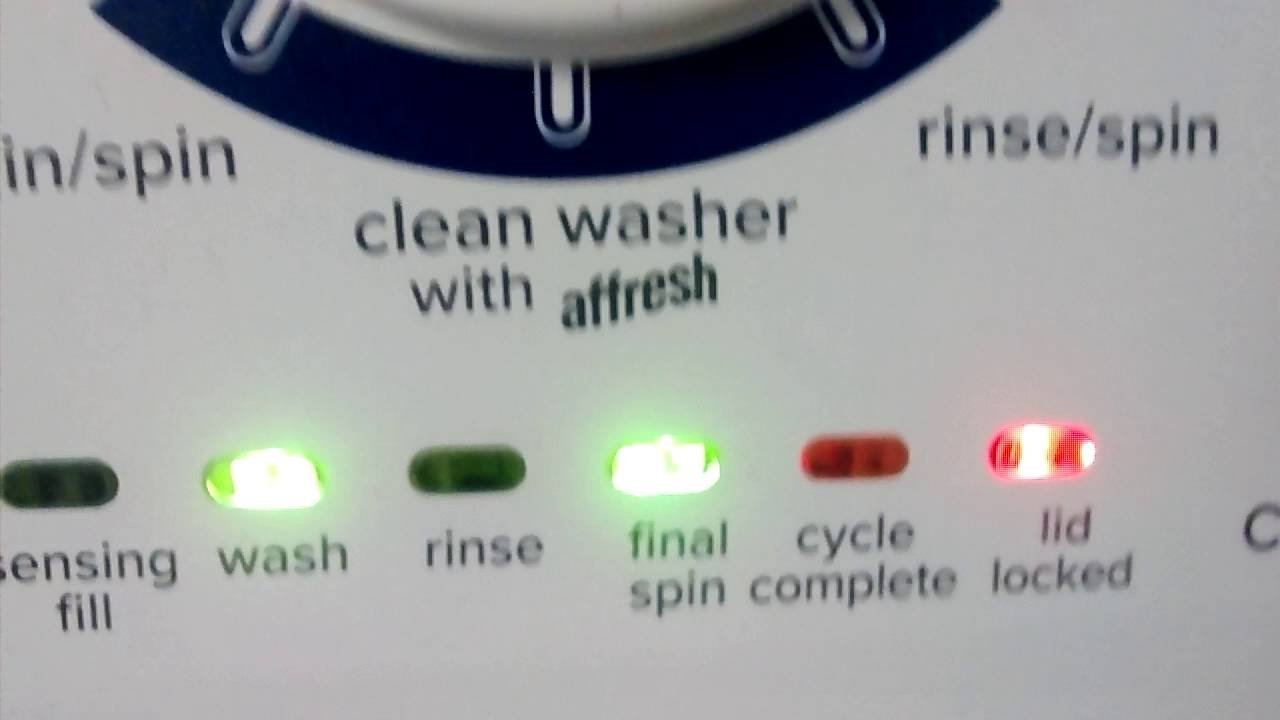
Finally, the door or lid switch mechanism is a critical safety point. If the machine senses the lid is open, it will refuse to spin for user protection. Over time, the latch mechanism can become worn or misaligned, failing to signal the controller that the door is secure. You can check the manufacturer’s official Amana product support to see if your specific model has a known diagnostic light sequence that points to a faulty switch or a sensor error.
Clear the drain path
A common issue is the machine failing to drain water after the wash cycle completes. This often happens because the drain hose is kinked or the drain pump filter is obstructed. First, check the drain hose behind the unit. If it’s pinched against the wall, straighten it out to allow water flow. Next, look for a small access panel near the bottom front of the machine. If your model has an accessible filter, place a shallow pan beneath it, open the door, and slowly unscrew the cap to remove trapped debris.
If you don’t see an access panel, your drain pump may be internal. In this case, verify that your standpipe or sink drain isn’t backed up, as the machine can’t pump water into a full pipe. If the machine is still full of water after these checks, it’s time to stop. Don’t attempt to take apart the machine housing or reach into the pump motor area. A capacitor can hold a lethal electrical charge even when the unit is unplugged. If clearing the hose and the external drain doesn’t work, contact a qualified appliance repair professional to inspect the pump motor.
Balance the laundry load
When your machine shakes violently or stops during the spin cycle, the load is likely uneven. This happens when heavy items like towels or bedding clump together, creating an off-center weight. To fix this, pause the cycle and wait for the lid to unlock. Redistribute the wet clothes evenly around the agitator or the center of the drum. If you’re washing a single large item, add a few smaller items to help balance the weight.
This fix is for users who experience “U-L” or “u-L” error codes on their digital display. If you see these letters, the machine is telling you it can’t balance the drum. If you have rearranged the clothes and the machine still refuses to spin, check that the leveling feet on the bottom of the unit are firm against the floor. Use a level tool to ensure the machine isn’t tilting, as a tilted machine will never balance a high-speed spin. If the machine is on a pedestal, ensure the bolts are tight. If you have adjusted the feet and the load is balanced but the machine still vibrates excessively, the internal suspension springs may be worn. This is a repair for a technician, as it involves removing the cabinet to access the suspension system.
Check the water supply
If the machine takes too long to fill or stops during the rinse cycle, the problem is likely a restricted water flow. Start by turning off the hot and cold water valves behind the machine. Unscrew the hoses from the back of the washer and inspect the small mesh screens inside the inlet valves. These screens often catch mineral deposits or sediment from your home plumbing. If you see debris, clean the screens with a soft brush and rinse them under a faucet.
This fix is for anyone experiencing slow filling or an error code related to water levels. If you have low water pressure in your house, the machine won’t be able to fill within the allotted time, causing it to “time out” and stop. Before you decide to call a plumber, verify the water pressure by checking another faucet in the same room. If that faucet also has low pressure, the issue is your home plumbing, not the washing machine. If the water pressure is fine but the machine still fills slowly, the inlet valve itself might be failing. Because this requires testing the electrical flow to the valve, you shouldn’t attempt to replace it yourself. A professional repair person can safely test the solenoid and confirm if the valve needs a replacement.
What not to do
- Don’t use a screwdriver to force the lid latch open. This breaks the plastic housing and permanently disables the safety interlock, which is a major fire and injury risk.
- Don’t pour drain cleaner into the tub. These chemicals are designed for pipes, not the delicate rubber seals and internal plastic components of a washer, and they will cause leaks.
- Don’t attempt to bypass the door sensor by taping it down. The sensor exists to prevent high-speed rotation while the lid is open, and bypassing it can lead to severe injury if the drum is touched while moving.
- Don’t overload the machine beyond the manufacturer’s weight limit. This puts excessive strain on the bearings and the motor, leading to premature failure that’s often not covered by standard warranties.
How to stop it happening again
Regular maintenance prevents most common malfunctions. Follow this schedule to keep your unit running smoothly and avoid the need for frequent troubleshooting.
| If you’re doing this | Do this instead | Why |
|---|---|---|
| Washing heavy rugs | Wash only one rug per cycle | Prevents extreme imbalance |
| Using too much soap | Use high-efficiency (HE) detergent | Excess suds confuse sensors |
| Leaving coins in pockets | Check pockets before every wash | Debris clogs the drain pump |
| Ignoring vibrations | Level the machine feet | Prevents premature bearing wear |
Frequently asked questions
Can I reset my Amana washing machine?
You can attempt to clear temporary error codes by unplugging the power cord for several minutes before plugging it back in. After waiting, plug the machine back in to select a new cycle. If the error persists, the issue is likely a physical component rather than a software glitch.
Why is my washing machine leaking from the bottom?
A leak from the bottom usually indicates a damaged door seal or a loose drain hose connection. First, check the rubber gasket for debris preventing a tight seal and inspect the rear hoses for drips. If the leak originates from the center, a technician may need to disassemble the cabinet.
How long should a wash cycle take?
A standard wash cycle typically takes between 45 and 60 minutes, depending on the model and selected settings. Specialized cycles like “Heavy Duty” may extend this time to 90 minutes. If the machine consistently exceeds the estimated time, it may be struggling with an imbalance or a slow water fill.
Is it safe to use the machine if it makes a loud noise?
It isn’t safe to use the machine if it makes a loud, grinding, or metallic noise. These sounds usually indicate failing drum bearings or a foreign object trapped between the tubs. Stop using the machine immediately to avoid further damage to the motor or tub assembly.
What happens if I use regular soap in an HE washer?
Using regular soap in an HE machine creates excess suds that trap dirt and leave residue inside the drum. These suds can also interfere with water level sensors, causing the machine to stop mid-cycle. Always use detergents labeled “HE” to ensure proper rinsing and sensor function.
Final Thoughts
If your appliance still won’t run properly after these checks, it’s time to consult your owner’s manual for specific error codes or contact a professional technician. Don’t hesitate to reach out for help if you’re unsure about a repair, as it’s better to stay safe than to risk further damage.
Related guides