
Lennox Heating System Troubleshooting often involves checking thermostat settings, air filters, and power supplies to avoid complex repairs. If your heater fails to start, verify the breaker is on and the filter is clean. If these steps don’t restore function, contact a qualified contractor, as internal components pose significant safety risks and require professional expertise.
Lennox Heating System Troubleshooting
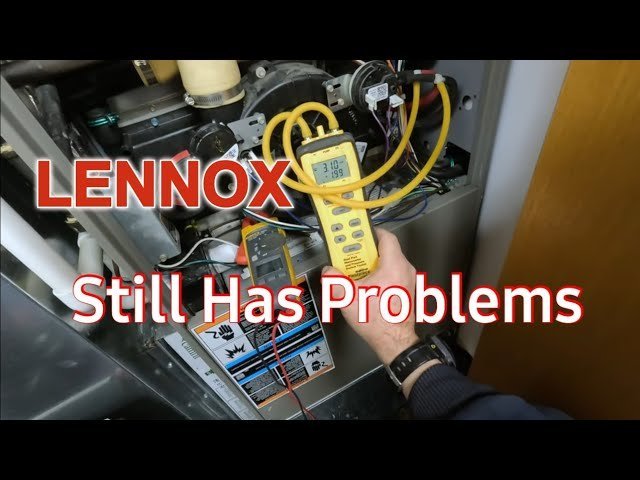
Heating systems often stop working because of safety features designed to prevent fire or equipment damage. When a unit detects an airflow restriction, it triggers a high-limit switch to cut the heat. This is common when filters are clogged with dust, which forces the blower motor to work harder than it should. If the unit doesn’t get enough air, the heat exchanger overheats and the system cuts off.
Another frequent cause involves the power supply. Modern heating units are sensitive to voltage fluctuations. If a power surge occurs, the control board may enter a lockout mode to protect sensitive electronics. You might notice the system trying to cycle on and off repeatedly without success. This is a sign that the logic board has detected an error code, which is often displayed as a flashing light on the control panel behind the front door.
Finally, thermostat communication issues prevent the system from receiving the signal to fire. If the batteries are weak or the wiring has loosened, the signal won’t reach the furnace. Check your Lennox owner support guides to see how your specific model displays status codes. If you see a code, note it down before calling for service. This helps the professional diagnose the issue faster, saving you time and potentially reducing the labor cost.
Check the thermostat and power
Start by confirming the thermostat is in the correct mode. If you see a blank screen, replace the batteries immediately. Many digital thermostats require fresh power to send signals to the furnace. If the screen is on, verify the set point. If the system is set to cool or the temperature is below the current room heat, it won’t engage.
If the thermostat is set correctly, move to the circuit breaker panel. Look for a switch labeled “furnace” or “heat.” If it’s in the middle position, it has tripped. Flip it to “off” and then back to “on.” If it trips again immediately, don’t try to force it back. This indicates a short circuit that requires a professional to resolve.
Check the power switch located on or near the furnace housing. Someone may have bumped it while cleaning the basement or utility closet. Ensure it’s in the “on” position. If your unit is a high-efficiency model, it may also have a condensate drain line that can become clogged. If this line backs up, a safety switch will prevent the unit from starting. You can look for a small plastic pipe near the unit; if it’s overflowing or blocked, call a professional to clear the drain.
Replace the air filter
Restricted airflow is the most common reason for a system to fail. A dirty filter creates a trade-off: it keeps your air cleaner but puts immense stress on the blower motor. If the filter is dark gray or clogged with debris, the furnace can’t pull in enough air to operate safely.
To check your filter, locate the slot where the intake duct meets the furnace. Slide the filter out carefully. Hold it up to a light source. If you can’t see light passing through the mesh, it’s time for a replacement. Match the dimensions printed on the side of the old filter exactly. Using a filter that’s too thick or dense can restrict airflow even more than a dirty one.
Who this isn’t for: If you have a custom-built, high-capacity air filtration system integrated into your HVAC unit, don’t replace the filter yourself without consulting the manual. These systems often require specific manufacturer-approved media. For standard units, swapping the filter takes only minutes. If the system still fails to heat after a new filter is installed, the issue is internal and beyond a DIY repair.
Check the gas and vent
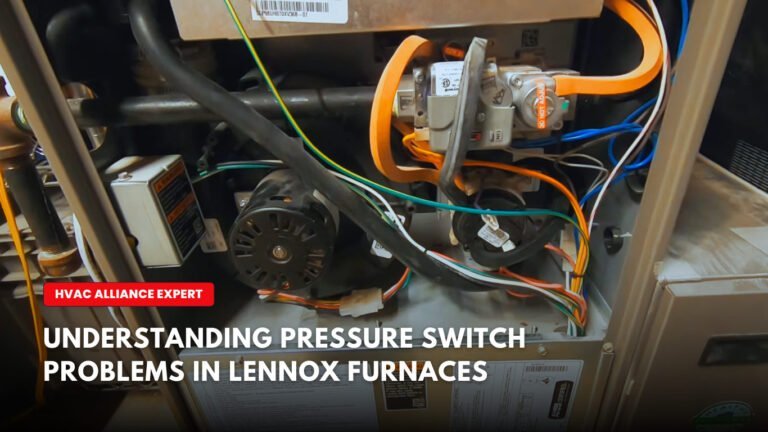
If you have a gas-fired furnace, ensure the gas supply valve is open. The valve handle should be parallel to the gas pipe. If it’s perpendicular, the gas is off. If you smell gas or rotten eggs, leave the area immediately and call your utility company or emergency services from outside your home. Never attempt to light a pilot light or mess with gas lines yourself.
Some newer systems have external intake and exhaust pipes that exit through the side of the house. Check these pipes outside to ensure they aren’t blocked by snow, ice, or bird nests. If the vent is blocked, the furnace won’t start because it can’t exhaust combustion gases safely. This is a critical safety feature. If you find a blockage, clear it carefully with a brush. If the system still fails, there may be an internal obstruction in the flue. This varies by model — check the label on your furnace for specific venting requirements. If you see ice buildup, don’t use a heat gun or open flames to melt it, as this can crack the PVC piping.
What not to do
- Never bypass safety switches or tape down door sensors to force the unit to run, as this removes the system’s ability to shut down during a fire.
- Avoid using generic, high-density “allergy” filters if your system was designed for standard fiberglass ones, because the blower motor may burn out from the extra resistance.
- Don’t attempt to clean the heat exchanger or blower wheel with household chemicals, as these can damage the metal and cause hazardous fumes once the unit heats up.
- A technician confirms whether the part has failed, as internal components pose a risk of electric shock.
- Don’t pour bleach or heavy cleaners into the condensate drain line, as this can damage the plastic tubing and cause leaks inside the wall or floor.
How to stop it happening again
Maintenance is the best way to prevent future failures. A clean system runs more efficiently and lasts longer.
| If you’re doing this | Do this instead | Why |
|---|---|---|
| Prevents dust buildup and motor strain | ||
| Ignoring strange noises | Call a technician early | Small rattles often lead to broken fans |
| Blocking floor vents | Keep all vents open | Maintains proper pressure balance |
| Closing doors to rooms | Leave interior doors open | Ensures consistent airflow to the return |
Frequently asked questions
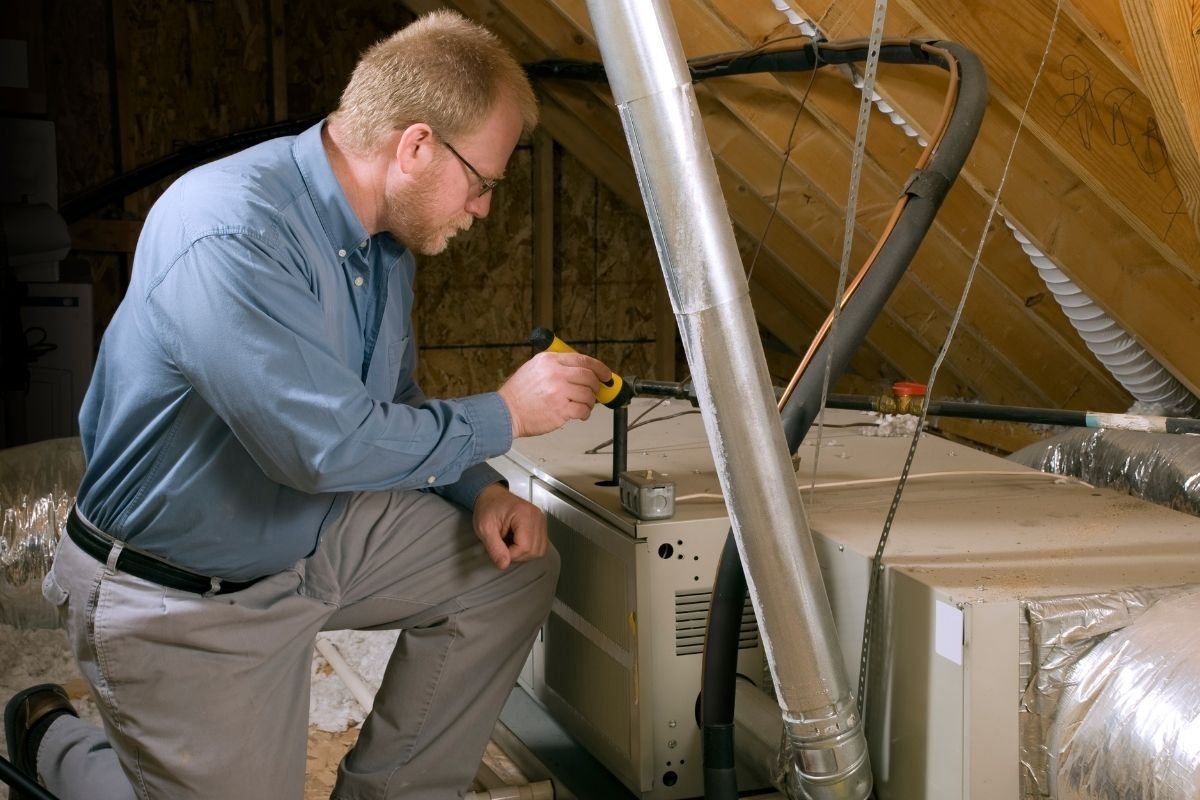
Can I fix a Lennox furnace myself?
You can perform basic maintenance like replacing the air filter, but you shouldn’t attempt internal mechanical repairs. The furnace contains high-voltage components and gas lines that pose serious safety risks. If basic troubleshooting fails, you must hire a licensed HVAC contractor to avoid costly damage or voiding your warranty.
Why is my Lennox furnace flashing a red light?
A flashing light on your furnace control board is an error code that identifies a specific system fault. These patterns correspond to unique issues like pressure switch failures or ignition problems listed on the furnace door label. While you can’t fix these components yourself, knowing the code helps technicians bring the correct parts.
How long should a Lennox heating system last?
A well-maintained heating system typically lasts between fifteen and twenty years, depending on usage and environmental factors. Regular professional cleanings and timely filter changes are the most effective ways to maximize this lifespan. If your system is over fifteen years old and requires frequent, expensive repairs, consider if a replacement is more cost-effective.
Is it safe to leave a furnace running with a bad smell?
You should never leave a furnace running if you notice a sharp, acrid, or burning smell. While a faint, dusty odor is normal at the start of the season, these other scents often indicate electrical or mechanical faults. If you detect a rotten egg scent, evacuate immediately and contact your gas provider.
What happens if I use the wrong size air filter?
Using the wrong size filter will cause air to bypass the media or create a blockage that restricts airflow. Improper sizing allows dust to damage the blower motor or causes the system to overheat and shut down. Always purchase a replacement with the exact dimensions and efficiency rating as your current filter.
How do I reset a Lennox heating system?
You can attempt a manual reset by cycling the thermostat or the furnace breaker to clear minor electronic glitches. If the system doesn’t ignite after these steps, it has likely locked out due to a mechanical fault. Don’t continue cycling the power, as this can damage the control board; call a professional.
Final Thoughts
Keeping your home comfortable doesn’t have to be a constant struggle. If you’re still noticing uneven temperatures or strange noises, it’s a good idea to schedule a seasonal maintenance visit. A technician can spot hidden wear before it becomes a major problem, so you’ll stay cozy all winter long.