
Atwood Camper Furnace Troubleshooting involves checking your propane supply, battery voltage, and sail switch to restore heat. Most issues stem from fuel flow problems or dirty sensors. You can often resolve these by verifying your battery charge, opening propane tanks, and clearing vents, though persistent failures require a certified RV technician.
Atwood Camper Furnace Troubleshooting
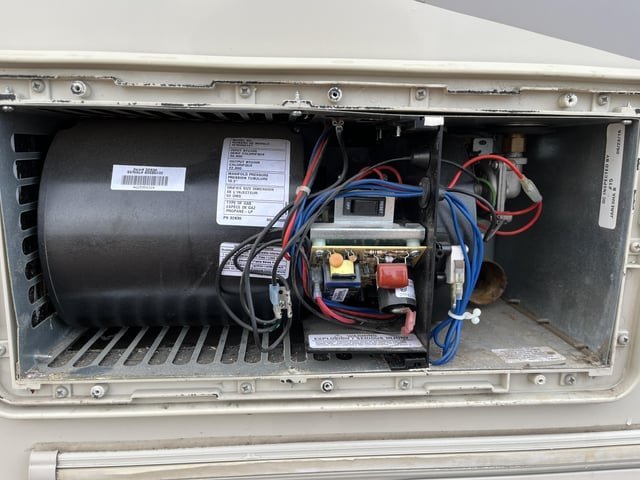
The furnace in your camper relies on a sequence of events to provide heat. First, the thermostat sends a signal to the control board. The blower motor then starts to clear out any remaining gas. A sail switch, which is a small lever moved by air, must detect enough airflow to confirm the blower is working correctly. Once the sail switch closes, the board opens the gas valve and triggers the igniter.
If any part of this chain breaks, the furnace stops. The most common cause is low battery voltage. Your furnace needs a strong, steady 12-volt current to spin the blower motor fast enough to push the sail switch. If your battery is weak, the motor spins slowly, the sail switch stays open, and the burner never ignites. Another frequent cause is propane starvation. If you have recently changed tanks, air can get trapped in the lines. You should light your stove burners for a minute to bleed the air out of the system before trying the furnace again.
Finally, debris often blocks the exterior intake or exhaust ports. Insects like mud daubers love to build nests inside these small pipes. If the furnace can’t breathe, it can’t burn fuel. Always check the exterior vents for physical blockage before you assume the hardware has failed. If the blower runs but the furnace makes a clicking sound without lighting, the issue is usually related to the igniter or the gas supply. You can confirm the safety guidelines for your specific model by checking the Atwood Mobile Products service manuals provided by the manufacturer.
Safety: Inside a mains-powered machine, the parts behind the outer cover can hold a dangerous electrical charge even after it has been unplugged — that’s why they sit behind a cover. Opening the housing, or testing or replacing anything behind it, is a job for a qualified technician, never a home repair.
Check your power supply
If your furnace blower doesn’t turn on at all, start by checking your camper’s main fuse panel. A blown fuse is the most common reason for a total lack of power. If the fuse is intact and the unit still fails to start, contact a professional technician to inspect the electrical system.
If your battery is fully charged, inspect the connections at the furnace itself. Vibration from driving can loosen these wires over time. Ensure the ground wire is tight and free of corrosion. If you have power at the fuse but not at the furnace, you likely have a break in the wiring harness. This is a common point of failure in older units.
Who this isn’t for: If you aren’t comfortable working with electrical wiring or if you can’t safely access the furnace compartment without removing major components, stop here. A loose wire can cause a short circuit or a fire hazard if not repaired with the correct gauge of wire and heat-shrink connectors. If the wiring looks burned or melted, don’t attempt a repair. Hire a professional.
How to tell it worked: Once you replace a fuse or tighten a connection, the blower should start immediately when you turn the thermostat to the “Heat” setting. If the blower runs but you still don’t get heat, move to checking the propane supply.
Clear the propane lines
If the blower runs but the furnace never lights, air in the propane lines is a common culprit. This fix is for those who are comfortable using the propane stove inside the camper. When you disconnect a propane tank to refill it, air enters the system. The furnace has a very small gas valve that can’t easily push this air bubble through.
To clear the line, turn on your stove burners one by one. Let them run for about 60 seconds. This draws the propane from the tanks through the main lines, pushing the air out of the system. Once the stove burners have a steady, blue flame, turn them off and try the furnace again. You may need to cycle the furnace thermostat off and on three or four times to give the gas valve enough time to fill the line.
The trade-off here is the time spent waiting for the gas to reach the furnace. If you try to cycle the furnace too quickly, the control board may enter “lockout” mode. If this happens, turn the thermostat to “Off” for at least five minutes to reset the board.
Mistake people make: Many people try to light the furnace repeatedly without bleeding the lines. This drains the battery and locks out the control board. It costs you an hour of waiting for the system to reset, while a simple 30-second stove test would have fixed it instantly.
How to tell it worked: You’ll hear a distinct “click” followed by a “whoosh” sound as the burner ignites. The air coming out of the vents will turn from cold to warm within 30 to 60 seconds.
Inspect the exterior vents
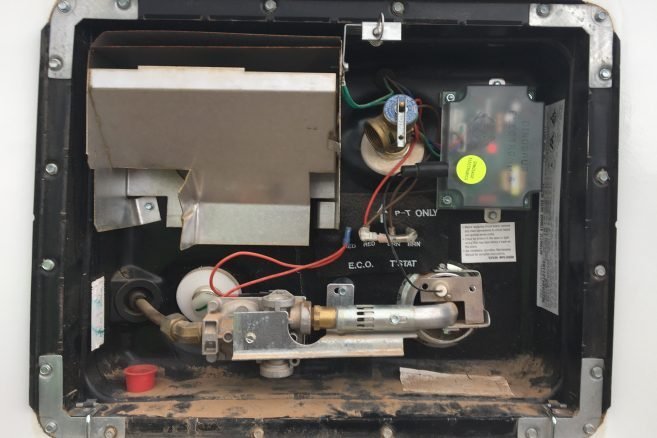
This fix is for cases where the furnace fan runs, but you hear no ignition sound, or the furnace shuts down after a few seconds. Inspect the exterior intake and exhaust ports on the side of your camper. These are the two holes usually covered by a metal screen or a plastic cover.
Look for mud dauber nests, spider webs, or leaves. These blockages prevent oxygen from entering the combustion chamber. If the furnace can’t get enough air, the flame won’t sustain itself, and the safety sensor will kill the gas flow. Use a soft-bristled brush to gently remove any debris. Never use a high-pressure air nozzle or a pressure washer, as this can damage the sensitive internal components of the burner assembly.
This varies by model—check the label on the side of your furnace for the specific intake and exhaust configuration. Some units have a removable screen that you can clean separately. If the screen is damaged, replace it immediately to prevent pests from entering again.
If you clean the vents and the furnace still fails to light, the sail switch or the igniter may be faulty. These are technician-only parts. Gas valve repairs require specialized pressure-testing equipment to prevent leaks. If cleaning the exterior vents doesn’t solve the problem, contact a local RV service center.
What not to do
- Don’t spray flammable cleaners into the intake vent to “help” the furnace start, as this can cause an explosion or fire inside the burner box.
- Don’t bypass the sail switch with a jumper wire, because this removes the safety mechanism that prevents the furnace from burning without proper airflow.
- Don’t attempt to adjust the gas pressure at the regulator, as this requires a calibrated manometer and specific training to ensure the unit doesn’t produce dangerous levels of carbon monoxide.
- Don’t leave the furnace running if you smell a strong, rotten-egg odor, which indicates a propane leak that requires immediate professional repair.
How to stop it happening again
Regular maintenance is the best way to prevent future failures.
Frequently asked questions
Can I fix my RV furnace if it won’t light?
You can troubleshoot your furnace by checking your battery, propane supply, and exterior vents. Most failures stem from low battery power preventing the blower from triggering the sail switch. If these steps fail, internal components like the igniter require a professional technician.
Why does my furnace blow cold air?
No, the furnace shouldn’t blow cold air, which indicates the burner failed to ignite. This is often caused by a lack of propane or a dirty sail switch. If the air remains cold, ensure your propane tanks are open and lines are bled.
How long should I wait for the furnace to light?
You should wait 30 to 60 seconds for the furnace to light after setting the thermostat to heat. The blower must run briefly to clear the combustion chamber before the gas valve opens. If it fails to ignite, wait five minutes for the board to reset.
Is it safe to use a space heater instead?
Yes, you can use a space heater as a temporary backup if you follow all manufacturer safety instructions. Keep the heater at least three feet from flammable items and never leave it unattended. Note that it won’t protect your water pipes from freezing.
What happens if I smell gas near my furnace?
If you smell gas, turn off the propane supply at the tanks immediately and exit the camper. A propane leak is a serious safety risk that requires a professional technician to repair. Don’t attempt to operate any electrical switches or light any matches.
Final Thoughts
If your heater still won’t kick on after these checks, don’t hesitate to reach out to a local service center. It’s better to have a pro inspect the internal wiring than to risk a gas leak. You’ll be much happier staying warm and cozy on your next trip out.
Related guides
- Bryant Plus 80 Furnace Troubleshooting: Fix Common Heating Issues in 2026
- Englander Pellet Stove Troubleshooting: Fix Common Heating Issues in 2026