
Ice Machine Manitowoc troubleshooting involves checking the water supply, air intake, and evaporator plate. Most issues stem from simple blockages rather than complex mechanical failures. If the machine fails to produce or drop ice, inspect the water inlet valve, filter, and harvest probe. Always follow the manufacturer’s cleaning schedule to ensure sensors function correctly.
Ice Machine Manitowoc Troubleshooting
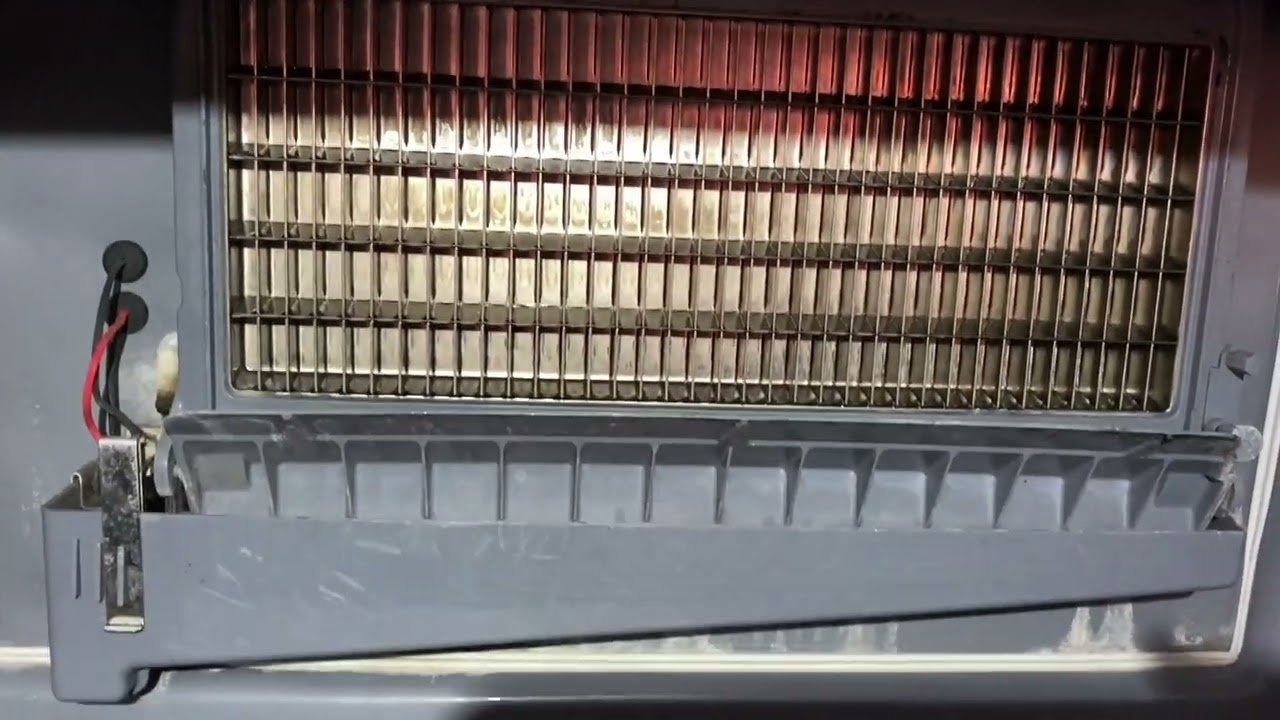
Most performance drops in these units are caused by mineral buildup or restricted airflow. Because these machines rely on a precise timing cycle to freeze and harvest ice, even a small layer of scale on the sensors can confuse the controller. When the sensors can’t detect the ice thickness, the machine may skip the harvest cycle entirely or enter a self-protection mode.
Airflow is another frequent culprit. These units require significant space around the condenser to dump the heat removed from the water. If you place the machine in a cramped, unventilated closet, the condenser will overheat. This forces the unit to work harder, which leads to longer cycle times and, eventually, a complete shutdown to prevent compressor damage.
Water quality also plays a role. If your local supply is “hard,” minerals will deposit on the water distributor and the evaporator plate. This buildup acts as an insulator, preventing the water from freezing at the expected rate. This varies by model — check the label on your specific unit for the recommended water hardness levels and filtration requirements.
Finally, consider the ambient temperature. If the room temperature is too high, the machine can’t reach the freezing point efficiently. Most commercial-grade ice makers are designed for specific operating ranges; if you operate the machine outside these limits, the ice will be soft, cloudy, or fail to form at all. Always consult the official Manitowoc Ice technical support resources to verify the exact environmental requirements for your specific model.
Clean the sensors and water path
If your machine is running but the ice is thin or the harvest cycle doesn’t start, the sensors are likely dirty. This fix is for users who have noticed a buildup of white scale or slime inside the food zone. You’ll need a manufacturer-approved nickel-safe cleaner and a soft brush.
First, turn the machine to the “OFF” position. Remove the front panel to access the evaporator plate and the ice thickness probe. If you see white, crusty deposits on the probe, it can’t accurately sense when the ice sheet is ready. Use a soft cloth and the approved cleaning solution to gently wipe the probe until it’s clean. Don’t use metal scrapers or harsh abrasives, as these can scratch the surface and cause ice to stick permanently in the future.
Next, inspect the water distributor tube. If the small holes are blocked, water won’t flow evenly over the plate. Use a small pipe cleaner or a soft brush to clear any mineral obstructions. If the water flow is uneven, you’ll notice “gaps” in the ice sheet. Once you have cleaned the parts, run the machine’s self-cleaning cycle according to the manual. You’ll know this fix worked if the ice sheet forms evenly and the machine initiates the harvest cycle as soon as the ice reaches the correct thickness.
This isn’t for users who suspect a refrigerant leak or a broken compressor. If the machine makes loud grinding noises or smells like burning plastic, stop immediately and call a professional. Working on the internal electrical systems, such as the compressor or control relays, requires specialized tools and training. A capacitor can hold a lethal charge even after the machine is unplugged, so leave all internal electrical and refrigerant work to a certified technician.
Clear the condenser and air paths
If the machine is running but the ice production is slow or the ice is melting before it drops, the condenser is likely clogged. This fix is for units that have gone several months without a deep cleaning of the air intake.
Locate the air filter on the front or side of the unit. Remove it and hold it up to a light; if you can’t see through it, it’s blocking the airflow. Rinse the filter with warm water and let it dry completely before reinstalling it. If your model doesn’t have a removable filter, use a vacuum with a soft brush attachment to clear the dust from the condenser fins. Be careful not to bend the thin metal fins, as this will restrict airflow even further.
If you’re a business owner, a mistake people often make is stacking supplies or boxes against the side of the machine. This creates a “heat trap” that causes the compressor to cycle on and off constantly, which costs you money in higher electricity bills and shortens the lifespan of the motor. A good rule of thumb is to leave at least six inches of clearance on all sides of the machine. If the machine continues to run hot after cleaning the condenser, check the ambient room temperature. If the room is above ninety degrees Fahrenheit, you may need to add an exhaust fan to the room. If the machine is still not producing ice after these steps, the issue may be a faulty fan motor, which requires a technician to replace.
Check water supply and pressure
For cases where the machine refuses to start or displays a “water” error code, the problem is usually a lack of incoming water. This fix is for users who have confirmed that the main water valve is open but the machine still shows an error.
First, verify that the water pressure is within the manufacturer’s specified range. Most units require a minimum of twenty pounds per square inch (PSI) to function. If you have recently had plumbing work done, there may be air in the lines. You can often clear this by briefly disconnecting the water line and running the water into a bucket until it flows steadily without sputtering.
Next, check the water inlet screen. Most Manitowoc units have a small mesh screen where the water line connects to the machine. If this screen is packed with debris from your pipes, the machine will “starve” for water during the fill cycle. Turn off the water supply, unscrew the hose, and pull out the screen with needle-nose pliers to rinse it clean.
This is the point where you must decide if the fix is worth the effort. If you clean the screen and the machine still fails to fill, the internal water solenoid valve may have failed. This is a common part that’s relatively inexpensive, but it requires opening the internal cabinet. If you aren’t comfortable working with water connections inside the cabinet, don’t attempt the repair yourself. A small leak from a poorly seated connection can cause significant water damage to your floor or surrounding equipment. If you’re unsure about your plumbing skills, call a professional plumber or an authorized service agent to handle the valve replacement.
What not to do
- Never use vinegar or household lime removers: These acidic cleaners can corrode the nickel plating on the evaporator, causing the ice to stick and ruining the machine’s finish permanently.
- Don’t force the ice off the plate with a knife or screwdriver: You’ll scratch the evaporator surface, which creates a permanent site for mineral buildup and prevents the ice from sliding off smoothly in the future.
- Never bypass the high-pressure switch: If the machine keeps shutting down due to heat, the switch is doing its job to protect the compressor; bypassing it will likely lead to a burned-out motor.
- Don’t ignore “Service” or “Error” lights: These codes are there to prevent catastrophic failure, and running the machine while it’s in an error state often leads to more expensive repairs later.
How to stop it happening again
Regular maintenance is the only way to avoid repeated service calls. The following table outlines how to manage your unit to keep it running efficiently.
| If you’re doing this | Do this instead | Why |
|---|---|---|
| Using standard tap water | Install a water filter | Removes minerals before they enter |
| Placing it in a small closet | Ensure 6 inches of clearance | Allows the heat to escape properly |
| Waiting for a breakdown | Perform a visual inspection | Catches small leaks early |
Frequently asked questions

Can I fix a Manitowoc ice machine myself?
You can perform basic maintenance like cleaning sensors, clearing filters, and checking the water supply yourself. These tasks require no specialized tools and support long-term machine health. However, you must call a licensed technician for issues involving the refrigerant system, compressor, or main control board.
Why is my Manitowoc ice machine making thin ice?
Thin ice is typically caused by a dirty ice thickness probe or an incorrect water-to-ice ratio. Mineral scale on the probe prevents accurate measurement, triggering the harvest cycle too early. If the probe is clean, check your water pressure or inlet screen for blockages limiting flow.
How long should a Manitowoc ice machine cycle take?
A standard freeze cycle lasts between fifteen and thirty minutes, while the harvest cycle is significantly shorter. This duration varies by model, so check your unit’s label for specific manufacturer times. If your machine is significantly slower, a clogged condenser or high room temperature may be the cause.
Is it safe to use a machine with a dirty evaporator?
It isn’t safe to use the machine if the evaporator plate has heavy mineral buildup or visible slime. These contaminants can harbor bacteria that end up in your ice and potentially contaminate food or drinks. Additionally, buildup prevents proper ice release, which puts excessive strain on the harvest mechanism.
What happens if I ignore a Manitowoc error code?
Ignoring an error code will likely lead to major mechanical failure, such as a burned-out compressor or broken water pump. These codes protect internal components when the machine operates outside normal parameters. Ignoring them often results in higher repair bills due to secondary damage to otherwise functional parts.
Final Thoughts
If your machine still isn’t working right after these checks, don’t hesitate to reach out to a certified technician. They’ll have the specialized tools needed to diagnose deeper electrical faults or refrigerant leaks. It’s better to call for help early so you won’t be left without a steady supply of ice.
Related guides
- Milnor Washing Machine Troubleshooting: Fixes for Common Issues in 2026
- Milnor Washing Machine Troubleshooting: Fix Common Error Codes
- Brother Sewing Machine Troubleshooting: Fix Common Errors Fast