
Is your American Standard toilet acting up and causing you frustration? Whether it’s running nonstop, flushing weakly, or making strange noises, these common issues can disrupt your daily routine.
But don’t worry—you don’t need to call a plumber just yet. In this guide, you’ll find simple, step-by-step troubleshooting tips to fix your toilet quickly and easily. Keep reading, and you’ll save time, money, and the hassle of a bathroom that won’t behave.
Your toilet problems have solutions, and you’re about to discover them.
Common Toilet Issues
American Standard toilets are reliable but can face common problems over time. Knowing these issues helps you fix them quickly. Most problems are simple and do not require a plumber.
Here are some common toilet issues that many users experience. Each problem has easy solutions to keep your toilet working well.
Running Toilet
A running toilet wastes water and raises your bill. It usually happens when the flapper does not seal well. Dirt or wear can stop it from closing tightly. Check the flapper and replace it if needed. Also, the chain might be too tight or tangled. Adjust it to allow full flapper movement. Sometimes, the fill valve needs cleaning or replacement to stop water flow.
Clogged Bowl
Clogs block water flow and cause overflow risks. Most clogs come from too much toilet paper or waste. Use a plunger to clear the blockage. Avoid flushing items like wipes or feminine products. A toilet auger can help with tougher clogs deep inside the drain. Regular maintenance keeps clogs from forming.
Weak Flush
A weak flush leaves waste in the bowl. This problem often comes from low water levels in the tank. Check the water level and adjust the float arm or cup. Mineral build-up in rim holes can reduce water flow. Clean these holes with a brush or vinegar to improve flushing power. Also, ensure the trapway is clear of obstructions.
Phantom Flushing
Phantom flushing means the toilet refills by itself sometimes. This waste water and signals a slow leak. The flapper may not seal properly, letting water leak from the tank. Replace the flapper or clean the valve seat to fix this issue. Check the flush valve for cracks or damage too.

Credit: www.reddit.com
Tools You’ll Need
Troubleshooting an American Standard toilet requires some basic and special tools. Having the right tools ready makes the job easier and faster. It helps avoid mistakes and damage. Below is a list of tools you need for most common repairs and checks.
Basic Tools
Start with simple tools. A flathead screwdriver and a Phillips screwdriver are essential. They help remove screws and panels. A pair of adjustable pliers is useful for gripping and turning nuts. A small flashlight helps see inside the tank or bowl. A sponge or towel can soak up water spills. A bucket is handy to catch water when draining the tank. These basic tools cover many minor fixes.
Specialized Equipment
Some problems need special tools. A toilet auger or closet auger clears tough clogs deep in the drain. A water pressure gauge checks if water flow is correct. A replacement flapper or flush valve can be installed with a wrench. A seal kit helps fix leaks around the base. These tools are not needed every time but help with more serious repairs.
Fixing A Running Toilet
A running toilet wastes water and raises your bill. Fixing it is simple. Start by checking parts inside the tank. Common problems include the flapper, fill valve, and float. Each part can cause water to keep flowing.
Adjusting The Flapper
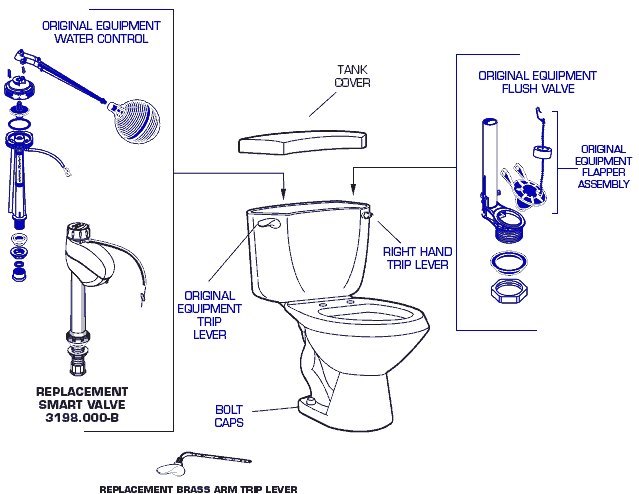
The flapper seals the flush valve. It lifts when you flush and closes to stop water. If the flapper is worn or misaligned, water leaks into the bowl. Check if it fits tightly over the valve seat. Adjust the chain length so the flapper closes fully. Replace the flapper if it looks cracked or warped.
Replacing The Fill Valve
The fill valve controls water entering the tank. A broken valve can cause water to run nonstop. To replace it, turn off the water supply first. Remove the old valve and install the new one. Make sure to tighten connections to prevent leaks. Test by flushing and watching the tank fill.
Checking The Float
The float stops water flow when the tank is full. If it is set too high, water keeps running. Adjust the float level by bending the arm or sliding the float down. Check for damage or sticking parts. A faulty float may need replacing to fix the problem.
Credit: www.chicagofaucetshoppe.com
Clearing Clogs Quickly
Clogs in American Standard toilets can be frustrating. Clearing them quickly saves time and prevents damage. Simple tools and methods often fix common blockages fast. Acting early stops the clog from getting worse.
Using A Plunger
A plunger is the easiest tool to clear a clog. Choose a flange plunger made for toilets. Place it over the drain hole and push down gently. Pull up without breaking the seal. Repeat this motion several times. Water pressure helps break up the blockage. Flush the toilet to check if it drains well.
Applying A Toilet Auger
A toilet auger works well for tougher clogs. Insert the auger cable into the toilet drain carefully. Turn the handle to push the cable deeper. The cable breaks or pulls out the clog. Pull the auger out slowly. Flush the toilet to ensure the clog is gone. Clean the auger after use to avoid germs.
Natural Drain Cleaners
Natural cleaners protect pipes and the environment. Mix baking soda and vinegar for a safe solution. Pour the baking soda into the toilet bowl. Add vinegar slowly and wait 15 minutes. The fizzing action loosens minor clogs. Flush with hot water to clear the drain. Repeat if needed but avoid harsh chemicals.
Boosting Weak Flushes
Weak flushes in American Standard toilets can cause frustration. It may leave waste behind or need multiple flushes. Small fixes often improve the flush strength. Simple steps can help boost flushing power without calling a plumber.
Check for blockages or worn parts first. Clean and adjust parts to restore the flush. This saves water and keeps your toilet working well.
Cleaning Rim Jets
Rim jets are small holes under the toilet bowl rim. They release water to clear waste. Over time, these jets can get clogged with dirt or mineral build-up. This lowers water flow and weakens the flush.
Use a brush or wire to clean each jet. Vinegar can dissolve mineral deposits. Pour vinegar into the rim and let it sit for an hour. Rinse with water to clear loosened debris. Clean jets improve water flow and flush strength.
Adjusting Water Level
The water level in the tank affects flush power. Low water means less force to push waste away. Open the tank lid and check the water height. It should be near the fill line marked inside the tank.
Adjust the float to raise the water level. For ball floats, bend the arm slightly upward. For cup floats, turn the adjustment screw. Do not raise water too high to avoid overflow. Proper water level gives a stronger, cleaner flush.
Replacing Flush Valve
The flush valve controls water release during flushing. A worn or damaged valve can cause weak flushes. Look for cracks or leaks around the valve seal. Replacement valves are affordable and easy to install.
Turn off water supply and drain the tank. Remove the old valve and clean the area. Install the new valve, ensuring a tight fit and seal. Test flush to confirm stronger water flow and proper operation.
Stopping Phantom Flushing
Phantom flushing wastes water and raises your bills. This problem happens when the toilet flushes by itself. The cause usually lies in small leaks inside the tank. Fixing it can save water and money.
Inspecting The Flapper Seal
Start by checking the flapper seal at the tank bottom. This rubber piece controls water flow during flushing. Look for cracks, warping, or dirt. A bad seal lets water leak slowly into the bowl. Clean it gently or replace it if damaged.
Testing For Leaks
To find leaks, add food coloring to the tank water. Wait 15 minutes without flushing. If color appears in the bowl, water is leaking. This test helps confirm flapper or valve problems. Leaks cause phantom flushing and waste water.
Replacing Worn Parts
Old or broken parts cause many phantom flushes. Replace the flapper, fill valve, or flush valve as needed. Use parts designed for American Standard toilets. Proper parts ensure a tight seal and correct water flow. This stops leaks and saves water.
Maintenance Tips
Keeping your American Standard toilet in good shape requires regular care. Simple maintenance helps avoid common problems and keeps the toilet working well. Small checks and cleaning save time and money later.
Regular Cleaning
Clean the toilet bowl with a mild cleaner every week. Avoid harsh chemicals that can damage parts. Wipe the seat and handle to remove germs. Clean under the rim to stop stains and buildup. Regular cleaning keeps the toilet fresh and prevents clogs.
Inspecting Internal Parts
Open the tank to check the flush valve and flapper. Look for cracks or wear on the rubber parts. Make sure the float moves freely and water stops at the right level. Replace damaged parts quickly to stop leaks and running water. Regular inspections keep your toilet efficient.
Water Efficiency Tips
Use the dual-flush feature to save water. Choose a light flush for liquid waste and a full flush for solid waste. Check for leaks by adding food coloring to the tank; if color appears in the bowl, fix the leak. Adjust the water level to avoid wasting water. These tips help reduce your water bill.

Credit: www.youtube.com
Frequently Asked Questions
Why Is My American Standard Toilet Running Nonstop?
A running toilet often means the flapper isn’t sealing well. Check for a worn or misaligned flapper and replace it if needed. Also, inspect the fill valve for proper function.
How Do I Fix A Weak Flush In My American Standard Toilet?
Weak flushes usually come from clogged rim holes or low water levels. Clean the rim holes with a small brush and adjust the water level in the tank. Make sure the flush valve opens fully.
What Causes My American Standard Toilet To Fill Slowly?
A slow fill often happens due to a clogged fill valve or a partially closed water supply. Clean or replace the fill valve and ensure the water valve is fully open.
How Can I Stop My American Standard Toilet From Leaking?
Leaks often come from a bad wax ring or tank bolts. Tighten bolts gently and replace the wax ring if water pools around the base. Also, check for cracks in the tank or bowl.
Why Does My American Standard Toilet Make Loud Noises?
Loud noises can be due to water hammer or a faulty fill valve. Install a water hammer arrestor or replace the fill valve to reduce noise. Check for loose parts inside the tank.
How Do I Replace The Flush Handle On An American Standard Toilet?
Turn off the water and empty the tank first. Unscrew the old handle from inside the tank and install the new one by reversing the steps. Make sure the chain connects properly to the flapper.
Conclusion
American Standard toilets can face common issues, but many are easy to fix. Knowing simple troubleshooting steps saves time and money. Regular care helps keep your toilet working well. Small problems don’t need a plumber right away. Follow basic tips to handle leaks, clogs, or running water.
Stay patient and check parts carefully. Your toilet will stay reliable with simple attention. Keep this guide handy for quick help anytime. Troubleshooting becomes less stressful with clear steps. A well-maintained toilet means less worry and better home comfort.