
Is your Craftsman riding mower not moving the way it should? Problems with the hydrostatic transmission can be frustrating and bring your work to a halt.
But don’t worry—understanding how to troubleshoot these issues can save you time and money. You’ll learn simple steps to identify common hydrostatic transmission problems and how to fix them. Keep reading, and you’ll get your mower back to running smoothly in no time.
Common Symptoms
Recognizing common symptoms of Craftsman hydrostatic transmission issues helps keep your equipment running smoothly. Early detection can prevent costly repairs and downtime. Watch for signs that suggest the transmission needs attention. Knowing these symptoms saves time and money.
Unusual Noises
Strange sounds often signal transmission problems. Grinding, whining, or clunking noises may come from worn or damaged parts. These noises usually happen during movement or changes in speed. Ignoring them can lead to severe damage.
Loss Of Power
The machine may slow down or struggle to move. Loss of power can mean the transmission isn’t transferring engine power correctly. This symptom often appears as sluggish response or inability to climb hills. It is a clear sign of internal transmission trouble.
Overheating Issues
Overheating causes the transmission to stop working properly. Heat builds up from low fluid levels or dirty fluid. The transmission may smell burnt or feel hot to touch. Overheating reduces the lifespan of the transmission components.
Leaking Fluid
Fluid leaks are easy to spot and indicate a problem. Look for wet spots or puddles under the machine. Leaks reduce fluid levels, causing poor transmission performance. Seals, hoses, or fittings may be damaged or loose.
Basic Checks
Basic checks are the first step in troubleshooting your Craftsman hydrostatic transmission. These simple inspections help identify common issues fast. Start with these easy steps before moving to complex repairs. They save time and prevent bigger problems.
Fluid Level Inspection
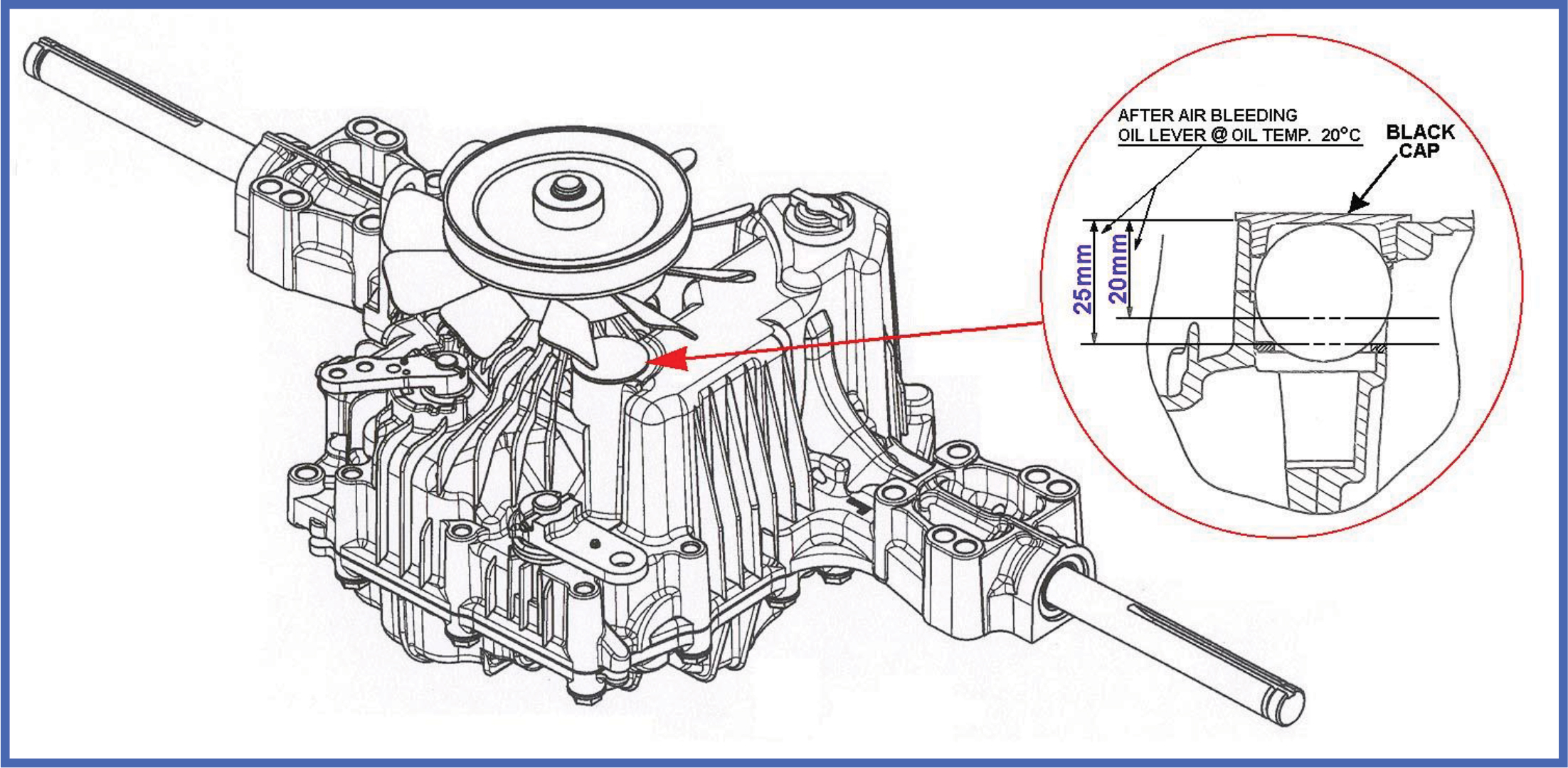
Check the fluid level regularly. Low fluid causes poor transmission performance. Find the dipstick or fill plug on your transmission. Wipe it clean, then insert and remove it to check the level. The fluid should be at the full mark. Add the recommended hydraulic fluid if low. Avoid overfilling to prevent leaks and damage.
Filter Condition
Inspect the transmission filter for dirt and clogs. A dirty filter blocks fluid flow and reduces efficiency. Remove the filter carefully. Look for debris or discoloration. Replace the filter if it looks dirty or clogged. Clean filters help maintain smooth transmission operation and extend its life.
Hose And Connection Review
Examine all hoses and connections for leaks or cracks. Leaking hoses lower fluid pressure and cause malfunction. Tighten loose fittings and replace damaged hoses. Check both ends of each hose. Good hose condition ensures proper fluid flow and reliable transmission function.
Diagnosing Problems
Diagnosing problems in a Craftsman hydrostatic transmission requires careful inspection. Understanding the root cause helps fix the issue faster. The process involves checking pressure, valve function, and pump performance. Each step reveals important clues about the transmission’s condition.
Pressure Testing
Pressure testing measures the hydraulic pressure inside the system. Low or uneven pressure may show leaks or blockages. Use a pressure gauge to check the readings at different points. Compare these with the manufacturer’s specifications. Accurate pressure ensures smooth operation of the transmission.
Valve Function
Valves control the flow and direction of hydraulic fluid. Faulty valves can cause slipping or loss of power. Test valves by listening for unusual noises or feeling for resistance. Clean or replace any valves that do not respond properly. Proper valve function keeps the transmission running efficiently.
Pump Performance
The pump supplies hydraulic pressure to the transmission. Worn or damaged pumps reduce power and cause overheating. Inspect the pump for leaks, cracks, or worn parts. Check how well it maintains pressure under load. A strong pump is essential for reliable hydrostatic transmission performance.
Credit: www.tufftorq.com
Quick Fixes
Quick fixes can save time and money when your Craftsman hydrostatic transmission acts up. These simple steps often restore smooth operation. They require basic tools and little experience.
Start with easy tasks before moving to complex repairs. Check the fluid, filters, and connections first. These steps can solve many common problems fast.
Fluid Replacement
Old or dirty fluid can cause poor transmission performance. Draining and replacing the fluid helps keep parts moving smoothly. Use the exact type recommended in the manual. Avoid mixing fluids to prevent damage.
Check the fluid level after refilling. Low fluid can cause slipping or slow response. Proper fluid maintenance extends the transmission’s life.
Filter Cleaning Or Replacement
Clogged filters reduce fluid flow and cause overheating. Cleaning or replacing the filter improves transmission health. Remove the filter carefully and inspect it for debris.
Replace the filter if it looks worn or damaged. Clean filters allow the fluid to circulate freely. This step helps prevent costly repairs later.
Tightening Connections
Loose connections can cause leaks or loss of pressure. Check all fittings and hoses around the transmission. Use a wrench to tighten any loose parts carefully.
Make sure not to overtighten, which can cause cracks. Secure connections ensure steady fluid flow. This simple fix often stops leaks and improves performance.
Bleeding The System
Air trapped in the transmission system causes jerky or weak movement. Bleeding the system removes air pockets and restores smooth operation. Follow the manual’s instructions for bleeding procedures.
Use a clear tube and container to catch fluid during bleeding. Keep adding fluid as air escapes. This process helps maintain proper hydraulic pressure.
When To Replace Parts
Knowing when to replace parts in your Craftsman hydrostatic transmission is crucial. It saves you from bigger damage and costly repairs. Regular checks help find worn components early. Acting on signs of wear keeps your machine running smoothly.
Signs Of Worn Components
Listen for strange noises like grinding or whining. These sounds mean parts may be damaged. Watch for slow or jerky movement during operation. Leaks around the transmission are a clear warning sign. Check for overheating; this can cause serious damage. If controls feel loose or unresponsive, parts might be failing. Early detection of these signs helps you replace parts on time.
Cost Vs Repair Considerations
Compare repair costs against buying new parts. Sometimes repairing can be cheaper, but not always. Consider the age of your Craftsman machine. Older units may need full part replacement. New parts can improve performance and reliability. Repairs might only fix the problem temporarily. Weigh the cost of downtime during repairs. Choose the option that saves money and time in the long run.

Credit: www.youtube.com
Maintenance Tips
Maintaining your Craftsman hydrostatic transmission is key to its long life and smooth operation. Simple care steps help prevent breakdowns and costly repairs. Regular attention keeps the transmission running at its best.
Regular Fluid Checks
Check the transmission fluid often. Low or dirty fluid can cause slipping or overheating. Use the recommended fluid type for your model. Keep the fluid at the right level. Top it up if needed to avoid damage.
Scheduled Filter Changes
Change the transmission filter at set intervals. A clean filter stops dirt from harming the system. Follow the manufacturer’s schedule for filter replacement. This keeps the transmission fluid clean and the system working well.
Storage Recommendations
Store your mower in a dry, covered place. Protect it from rain and dust. Before storing for a long time, drain or change the transmission fluid. This prevents moisture buildup and corrosion inside the system.
Safety Precautions
Safety is very important when troubleshooting Craftsman hydrostatic transmissions. These machines have moving parts and fluids that can cause harm if not handled right. Taking safety steps helps prevent accidents and injuries. Always prepare and be careful before starting any repair work.
Handling Fluids Safely
Hydrostatic transmissions use special fluids that can be harmful. Wear gloves and eye protection to avoid spills on skin or in eyes. Clean up any fluid spills quickly to stop slips or falls. Dispose of old fluids properly to protect the environment.
Using Proper Tools
Use the right tools made for hydrostatic transmission repairs. Wrong tools can damage parts or cause injury. Keep tools clean and in good condition. Check tools before use to ensure they work safely and correctly.
Avoiding Injury During Repairs
Turn off the machine and remove the key before repairs. Keep hands clear of moving parts and sharp edges. Work in a well-lit area to see clearly. Take breaks to avoid tiredness, which can lead to mistakes and injury.
Credit: www.ifixit.com
Frequently Asked Questions
What Causes Craftsman Hydrostatic Transmission To Lose Power?
Loss of power often comes from low hydraulic fluid or dirty filters. Check fluid levels and clean or replace filters for better flow.
How To Fix Craftsman Transmission Not Moving Forward?
This problem can result from air in the system or a faulty pump. Bleed the system and inspect the pump for damage to restore movement.
Why Is My Hydrostatic Transmission Making Noise?
Noises usually indicate worn bearings or low fluid levels. Inspect bearings and maintain proper fluid to reduce or stop the noise.
How To Check Hydrostatic Transmission Fluid On Craftsman?
Locate the transmission dipstick or fill plug, then check fluid level and color. Use the correct fluid type if levels are low.
What Causes Hydrostatic Transmission To Overheat?
Overheating happens due to low fluid, dirty fluid, or clogged cooling lines. Keep fluid clean and lines clear to prevent heat issues.
How Often Should I Change Hydrostatic Transmission Fluid?
Change fluid every 100 hours or yearly for best performance. Regular changes keep the system clean and prevent damage.
Conclusion
Troubleshooting your Craftsman hydrostatic transmission can save time and money. Start with basic checks like fluid levels and leaks. Listen for unusual sounds and observe how the machine moves. Small fixes often solve common problems. Keep your equipment clean and well-maintained to avoid issues.
Regular checks help catch problems early. Understanding these steps makes repair easier and faster. Stay patient and follow each step carefully. Your Craftsman will run smoothly again with proper care.