
Is your KitchenAid ice maker not working when you need it most? It’s frustrating to open the freezer and find no ice ready for your drinks or recipes.
You rely on your ice maker every day, and when it stops, it disrupts your routine. But don’t worry—you’re not alone, and this problem can often be fixed without calling a repair technician. You’ll discover simple steps to troubleshoot your KitchenAid ice maker and get it back up and running quickly.
Keep reading to find out how to solve this common issue and enjoy ice-cold convenience again.
Credit: www.youtube.com
Common Ice Maker Problems
Ice makers can stop working for several reasons. Knowing common problems helps you fix them fast. Most issues are simple and do not need a professional. Understanding these problems can save time and money.
No Ice Production
No ice means the ice maker is not making any cubes. Check if the water supply is turned on and connected. A frozen water line can block water flow. The ice maker motor or switch might be broken. Sometimes, the freezer temperature is too high. Make sure it is below 10°F for ice to form.
Slow Ice Making
Slow ice making means the machine takes too long to make ice. A dirty filter can reduce water flow and slow ice production. The freezer might be too warm or too cold. Ice molds need to be clean and free from debris. Check the water pressure; low pressure slows the process. Regular cleaning helps keep ice production fast.
Ice Maker Leaking
Leaks come from water spills or broken parts. A loose or damaged water line causes leaks. The ice maker tray could be cracked or misaligned. Check the drain for clogs that cause water backup. The water inlet valve might be faulty. Fix leaks quickly to avoid water damage.
Ice Tastes Bad
Bad-tasting ice comes from dirty water or ice maker parts. Clean the ice bin and dispenser regularly. Change water filters every six months or as recommended. Check if your water source has a strong taste or odor. Using bottled or filtered water can improve taste. Clean ice makers keep ice fresh and clear.
Basic Troubleshooting Steps
Basic troubleshooting steps can help fix a KitchenAid ice maker quickly. These steps are simple and can solve common problems. Follow each step carefully to find the issue. Sometimes, small problems stop the ice maker from working. Checking these basics saves time and money.
Check Power Supply
Make sure the ice maker is plugged in properly. Look for loose or damaged cords. Check the outlet by plugging in another device. If the outlet does not work, reset the circuit breaker. Without power, the ice maker cannot run.
Inspect Water Line
Look at the water line for kinks or leaks. A blocked water line stops water from reaching the ice maker. Turn off the water supply before checking. Clear any ice or debris that might block the flow. Secure the water line connection tightly.
Reset The Ice Maker
Sometimes, the ice maker needs a reset. Find the reset button or switch on your model. Press and hold it for about 10 seconds. Wait for the ice maker to restart. This can fix small software glitches.
Verify Temperature Settings
Check the freezer temperature. It should be between 0°F and 5°F. Warmer settings can stop ice production. Adjust the thermostat if needed. Proper temperature keeps the ice maker working well.
Cleaning And Maintenance Tips
Keeping your KitchenAid ice maker clean and well-maintained helps it work better and last longer. Dirt, ice buildup, and old filters can stop it from making ice. Simple cleaning and care can prevent many common problems.
Clean The Ice Maker Components
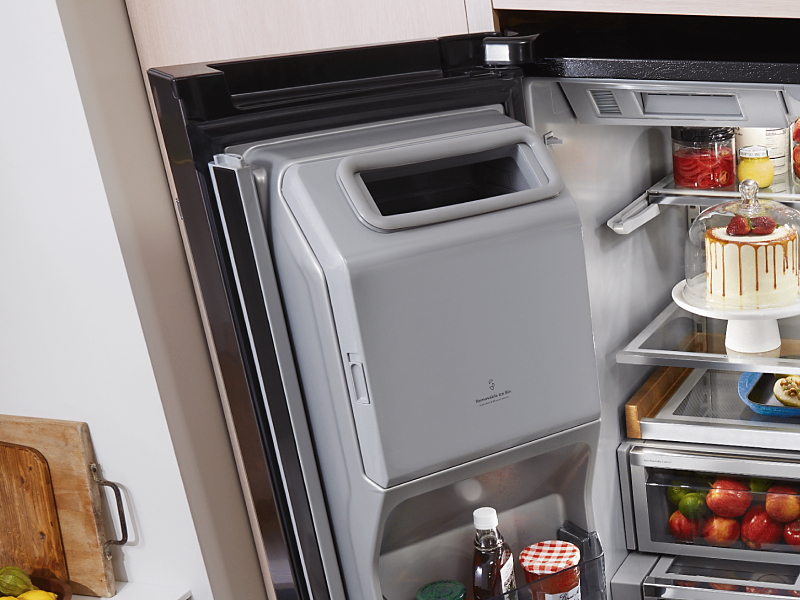
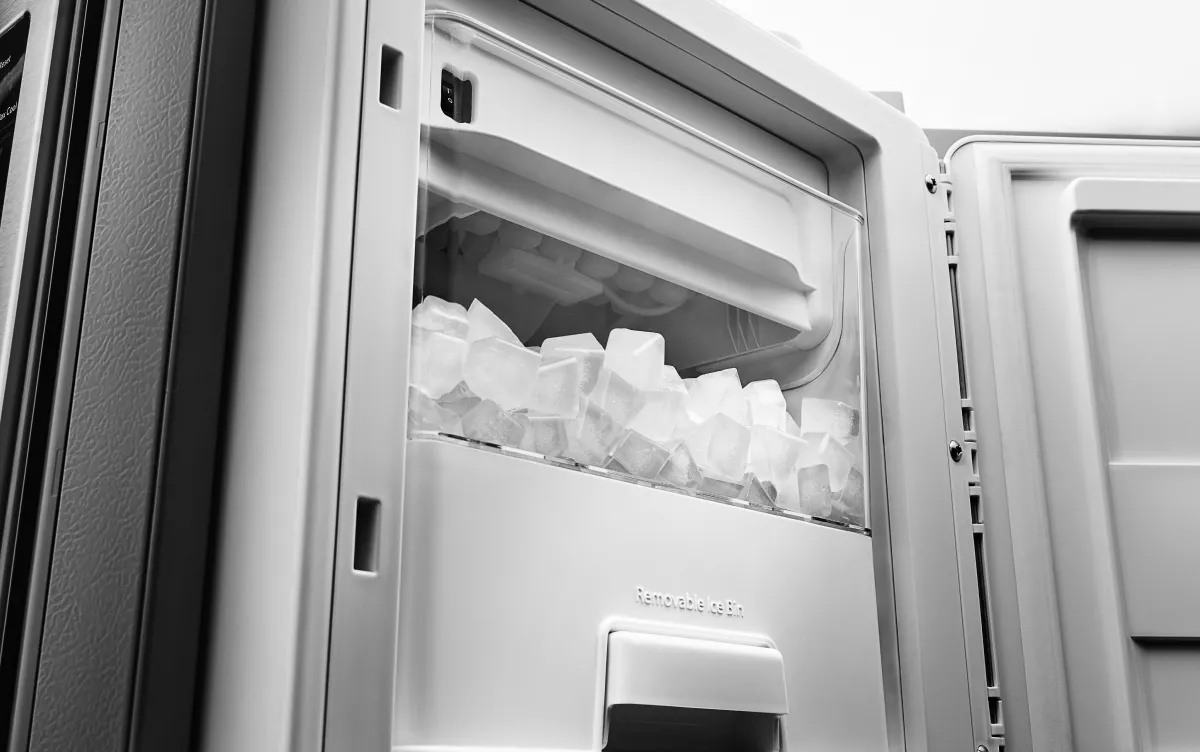
Turn off the ice maker before cleaning. Remove the ice bin and wash it with warm, soapy water. Wipe the ice maker’s interior with a soft cloth. Clean the ice mold to stop ice from sticking. Avoid harsh cleaners that can damage parts.
Replace Water Filter
Change the water filter every six months. A dirty filter blocks water flow and affects ice quality. Use the filter recommended by KitchenAid. Follow the instructions in your user manual for easy replacement. Clean water makes clear, fresh-tasting ice.
Defrost The Freezer
Ice buildup can block the ice maker. Turn off and unplug the freezer to defrost. Leave the door open until all ice melts. Wipe away water and dry the area well. Regular defrosting keeps the ice maker working smoothly.
Prevent Ice Blockages
Check for ice clumps inside the ice maker often. Remove any stuck ice gently with a soft cloth. Avoid using sharp tools that can break parts. Keep the freezer door closed to keep moisture out. Preventing blockages helps your ice maker run without interruptions.
Credit: www.kitchenaid.com
When To Replace Parts
Knowing when to replace parts in your KitchenAid ice maker saves time and money. Parts wear out over time and cause the ice maker to stop working. Replacing faulty components can restore its function and keep your ice flowing.
Watch for signs like no ice production, slow ice making, or unusual noises. These hints point to specific parts that may need replacement.
Faulty Water Inlet Valve
The water inlet valve controls water flow into the ice maker. If it fails, water won’t reach the ice tray. Replace the valve if you hear no water filling or see no ice forming. A stuck valve can also cause leaks or flooding.
Broken Ice Mold Thermostat
The ice mold thermostat controls the freezing process. A broken thermostat stops the ice maker from knowing when to freeze water. Replace it if ice cubes are too soft or if the maker does not cycle properly. This part keeps ice cubes firm and ready.
Damaged Ice Maker Motor
The motor powers the ice maker’s mechanical parts. If the motor is damaged, the ice ejector will not turn or push ice out. Replace the motor if the ice maker is silent or stuck. A working motor ensures ice is harvested and ready to use.
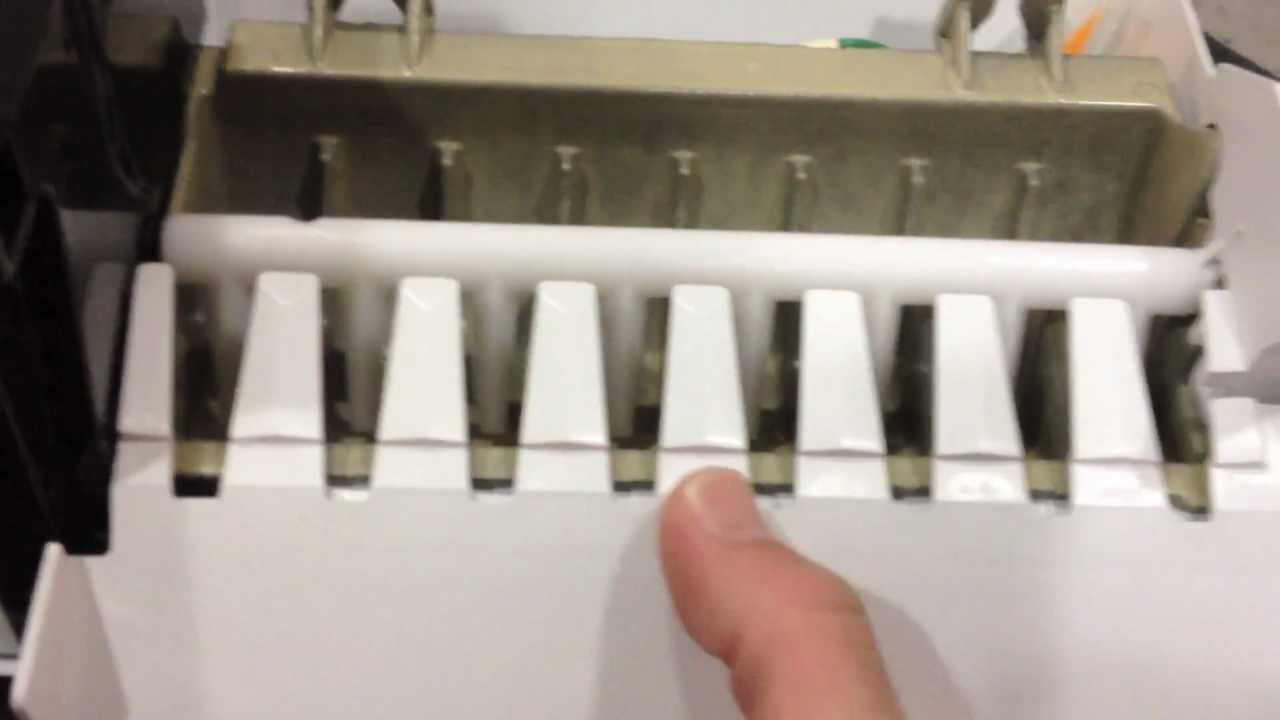
Worn-out Ejector Blades
Ejector blades push ice cubes out of the mold. When blades wear out or break, ice cubes stay stuck. Replace worn blades if ice builds up or does not drop into the bin. Sharp, strong blades make ice removal easy and smooth.
Preventing Future Issues
Preventing future problems with your KitchenAid ice maker helps save time and money. Regular care keeps the machine working well. Small habits make a big difference in performance and lifespan.
Regular Maintenance Schedule
Clean your ice maker every few months. Remove ice build-up to avoid blockages. Check the water filter and replace it as needed. Clear debris from the ice bin regularly. This keeps the ice fresh and the machine efficient.
Use Proper Water Supply
Use clean, cold water for the best ice quality. Avoid hard water if possible, as it can cause scale build-up. Check the water line for leaks or kinks. Proper water flow prevents many common ice maker issues.
Avoid Overloading The Freezer
Do not pack the freezer too tightly. Overloading blocks air circulation and affects ice production. Leave space around the ice maker for airflow. This helps keep temperature consistent and ice making smooth.
Monitor Ice Maker Performance
Watch for changes in ice size or speed of production. Strange noises or frequent stops may signal a problem. Address small issues early to avoid bigger repairs. Regular checks keep your ice maker running well.
Credit: www.kitchenaid.com
Frequently Asked Questions
Why Is My Kitchenaid Ice Maker Not Making Ice?
The ice maker may be off, the water supply could be blocked, or the freezer temperature is too high. Check these areas first.
How Do I Reset A Kitchenaid Ice Maker?
Locate the reset button, usually inside the ice maker. Press and hold it for 10 seconds to restart the cycle.
What Causes A Kitchenaid Ice Maker To Stop Producing Ice?
Common causes include a frozen water line, clogged filter, or a faulty water inlet valve. Inspect these parts carefully.
How Do I Fix A Kitchenaid Ice Maker That’s Making Small Ice Cubes?
Small cubes usually mean low water pressure or a clogged filter. Replace the filter and check the water supply.
Can A Dirty Water Filter Stop My Kitchenaid Ice Maker?
Yes, a dirty or old water filter can block water flow and stop ice production. Replace it every six months.
Why Is My Kitchenaid Ice Maker Leaking Water?
Leaks can come from a loose water line or cracked ice maker tray. Tighten connections and inspect for damage.
How Cold Should My Freezer Be For Ice Maker To Work?
Set the freezer temperature between 0°F and 5°F (-18°C to -15°C) for optimal ice making.
How Do I Clean My Kitchenaid Ice Maker?
Turn off the ice maker, remove the ice bin, and clean parts with warm, soapy water. Dry before reassembling.
What If My Kitchenaid Ice Maker Is Making Hollow Ice Cubes?
Hollow cubes usually mean slow water fill or a partial clog. Check the water inlet and filter for blockages.
When Should I Call A Professional For My Kitchenaid Ice Maker?
Call a technician if the ice maker still doesn’t work after checking water supply, filter, and reset.
Conclusion
A KitchenAid ice maker not working can be frustrating. Small issues often cause the problem. Check power, water supply, and ice settings first. Cleaning the machine can also help. Sometimes, a simple reset fixes the issue. If problems continue, calling a professional is best.
Regular care keeps your ice maker running smoothly. Don’t wait too long to address the problem. Quick action saves time and money. Your ice maker can work well again with proper steps. Keep these tips in mind for easy troubleshooting.