
Are you thinking about getting an air purifier but worried it might be noisy? You’re not alone.
Many people hesitate because they don’t want a constant hum or distracting sound in their home or office. But how loud are air purifiers really? And is that noise something you’ll quickly get used to, or will it drive you crazy?
You’ll discover the truth about air purifier noise levels and learn how to choose one that fits your comfort. Keep reading to find out if an air purifier can keep your air clean without disturbing your peace.
Credit: airdogusa.com
Noise Levels Of Air Purifiers
Noise levels of air purifiers vary widely. Some models run almost silently, while others can be quite loud. Understanding noise output helps choose the right device for your space. Quiet operation is important for bedrooms or offices. Loud machines may disrupt sleep or concentration.
Typical Sound Range
Most air purifiers produce sounds between 20 to 60 decibels. Twenty decibels is about the noise of rustling leaves. Sixty decibels equals a normal conversation. Low noise levels suit quiet environments. Higher levels may be fine for living rooms or garages.
Factors Influencing Noise
Fan speed is the main factor affecting noise. Higher speeds clean air faster but make more noise. Filter type and size also matter. Bigger filters often need stronger fans, raising sound. Placement affects noise too. Hard surfaces can reflect sound and make it louder.
Types Of Air Purifiers And Sound
Air purifiers come in different types, each with unique ways to clean the air. Their noise levels can vary depending on the technology inside. Understanding the types helps you pick a quieter model if noise is a concern.
Hepa Filters
HEPA filters trap small particles like dust and pollen. They use a fan to pull air through the filter. The fan speed affects how loud the purifier sounds. Higher speeds mean more noise but better cleaning. Many HEPA models offer low-speed settings for quieter operation.
Ionizers
Ionizers release charged ions to remove pollutants from the air. They do not use a fan, so they are usually very quiet. Some may produce a slight buzzing sound. Ionizers are good for noise-sensitive spaces but check for ozone emissions.
Activated Carbon Models
Activated carbon purifiers absorb odors and gases. These models often combine carbon filters with fans. The fan creates some noise, which varies by brand and speed. Carbon-only purifiers without fans tend to be quieter but less effective at particle removal.
Measuring Air Purifier Noise
Measuring the noise of air purifiers helps buyers know what to expect. Noise levels affect comfort, especially in bedrooms or offices. Understanding how noise is measured makes choosing easier. Below are key points about measuring air purifier noise.
Decibel Ratings
Noise is measured in decibels, or dB. The higher the number, the louder the sound. Quiet air purifiers usually run below 50 dB. Normal conversation is about 60 dB. A whisper is around 30 dB. Decibel ratings help compare models side by side.
Testing Conditions
Noise tests happen in quiet rooms to avoid extra sound. The purifier runs at different fan speeds during testing. Noise levels can change based on speed settings. Distance from the device also affects measured noise. Testing under standard conditions gives consistent results.
Impact Of Noise On Daily Life
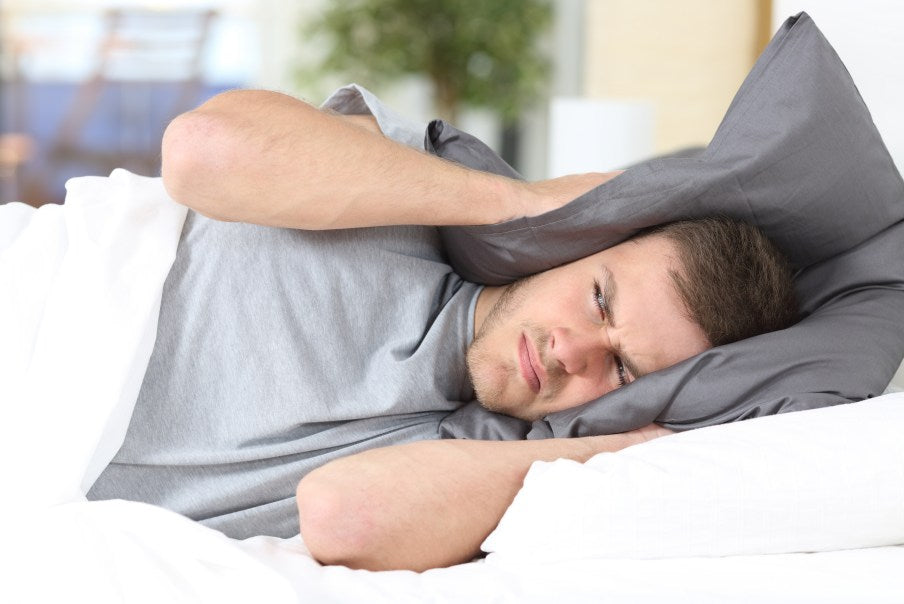
Noise affects many parts of daily life. Even small sounds can cause stress or disrupt activities. Air purifiers can create background noise. Understanding how this noise impacts life helps in choosing the right device. Noise can affect rest, focus, and well-being.
Sleep Quality
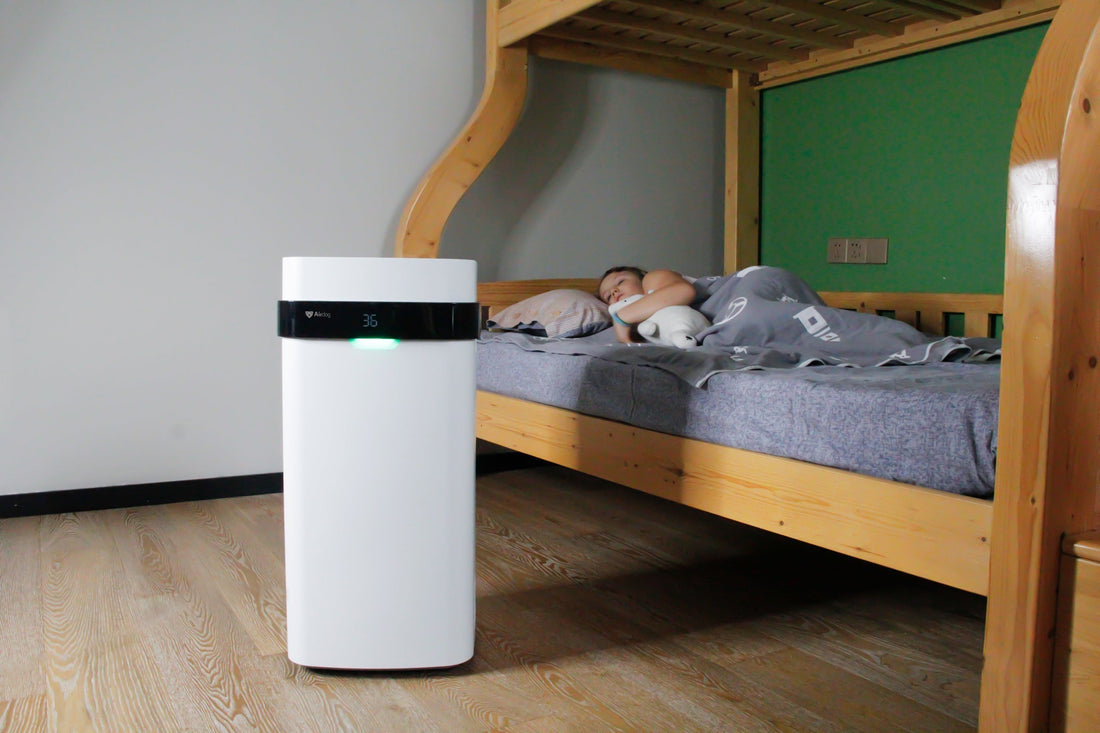
Noise can stop deep, restful sleep. Sudden or loud sounds wake people easily. Air purifiers that hum softly may help some sleep better. Others find constant noise distracting. Quiet models work best for light sleepers. Good sleep is key to health and energy.
Work And Concentration
Noise breaks focus and slows thinking. Tasks that need attention get harder with sound distractions. A noisy air purifier can reduce productivity. Low noise levels help maintain concentration. Choosing a silent or low-noise model improves work output. Quiet environments lead to better results.
Children And Sensitive Groups
Children and sensitive people react more to noise. Loud or irregular sounds cause discomfort and anxiety. Air purifier noise may disturb play or rest. Quiet devices create a calm space. This helps children learn and relax better. Sensitive groups need peaceful surroundings for well-being.
Choosing A Quiet Air Purifier
Choosing a quiet air purifier helps create a peaceful home environment. Noise can disturb sleep, work, or relaxation. A good purifier cleans air without adding loud sounds. Picking one with low noise levels is important for comfort.
Noise Levels To Consider
Check the decibel (dB) rating before buying. Quiet models usually run below 50 dB. Compare noise levels at different fan speeds. Some purifiers get louder on higher settings. A device with a sleep mode often stays very quiet.
Features That Reduce Sound
Look for air purifiers with soundproof designs. Soft fan blades reduce whirring sounds. Filters that require less airflow cause less noise. Some machines have vibration dampeners to cut noise. Adjustable speed controls help manage sound output.
User Reviews And Recommendations
Read user reviews for real noise experience. Buyers often share how loud a purifier really is. Look for comments about noise during night use. Recommendations from other users guide you to quiet options. Trusted reviews help avoid noisy surprises.
Credit: www.mspurelife.com
Tips To Minimize Noise
Air purifiers can sometimes make noise during operation. This noise might disturb your peace or sleep. Knowing how to reduce this sound helps you enjoy clean air quietly. Simple steps make a big difference in lowering noise levels. Here are some effective tips to keep your air purifier running softly.
Placement Strategies
Place the air purifier on a soft surface, like a carpet or rug. Hard floors can increase noise by reflecting sound. Avoid tight corners or small spaces that trap sound waves. Keep the device away from walls to prevent vibration noise. Position it where airflow is smooth and not blocked. This reduces strain on the fan and cuts down noise.
Maintenance For Quiet Operation
Clean or replace filters regularly to keep the purifier efficient. Dirty filters make the fan work harder, causing more noise. Check for loose parts and tighten screws to stop rattling sounds. Wipe dust off the fan blades carefully to maintain balance. Regular maintenance helps the device run smoothly and quietly for longer.
Credit: levoit.com
Frequently Asked Questions
Do Air Purifiers Make A Lot Of Noise?
Most air purifiers produce some noise, similar to a quiet fan. Noise levels vary by model and fan speed settings.
How Loud Is An Air Purifier On High Setting?
On high, air purifiers can be louder, sometimes like a soft hum or white noise. It depends on the brand and size.
Can Air Purifiers Disturb Sleep At Night?
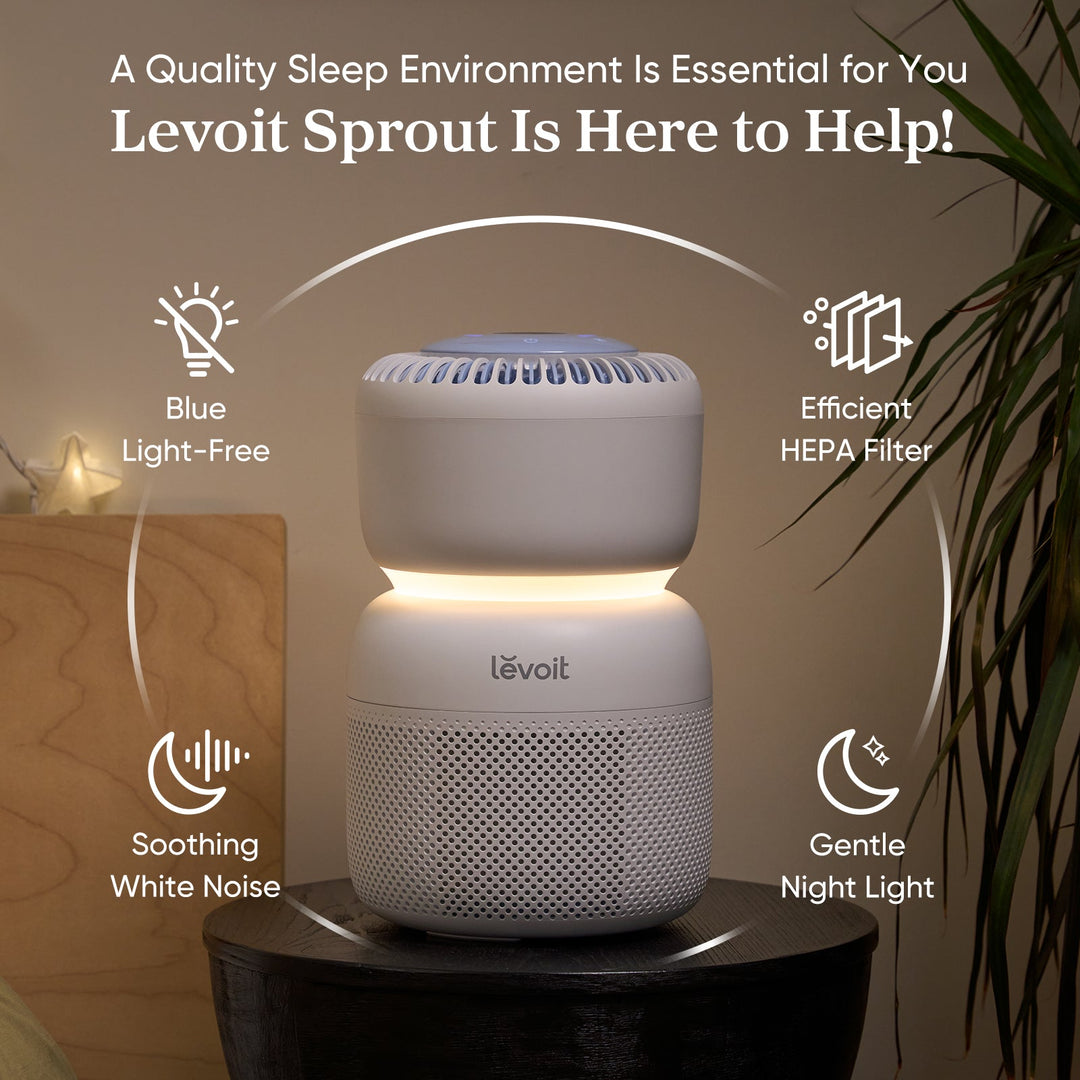
Many air purifiers run quietly enough for sleep, especially on low or night mode. Some users find the gentle sound comforting.
What Affects The Noise Level Of An Air Purifier?
Noise depends on fan speed, motor design, and filter type. Larger fans often run quieter than smaller, faster ones.
Are Quieter Air Purifiers Less Effective?
Not always. Some quiet models use efficient technology to clean air well without much noise. Check product reviews for sound and performance.
Conclusion
Air purifiers can make some noise, but it varies by model. Many run quietly, especially on low settings. Noise levels depend on fan speed and design. Choosing a quiet model helps maintain peace at home. Consider your room size and needs before buying.
Quiet air purifiers keep air clean without disturbance. They support better sleep and focus. Balance noise with air cleaning power for best results. Noise should not stop you from improving air quality.