
If you’re trying to make a potato flake sourdough starter, you might have run into some problems. Maybe your starter isn’t bubbling like it should, or it smells off.
It’s frustrating when your sourdough starter doesn’t behave, especially when you want to bake fresh bread. But don’t worry—this guide will help you fix those common issues fast. By the end, you’ll know exactly what to do to get your potato flake sourdough starter healthy and active again.
Keep reading, and say goodbye to sourdough starter headaches for good!
Credit: www.friendshipbreadkitchen.com
Common Issues With Potato Flake Sourdough Starter
Potato flake sourdough starters are simple to make and great for baking. Yet, they can sometimes cause problems. Knowing common issues helps keep the starter healthy. Here are some problems that often appear and how to spot them early.
Starter Not Bubbling
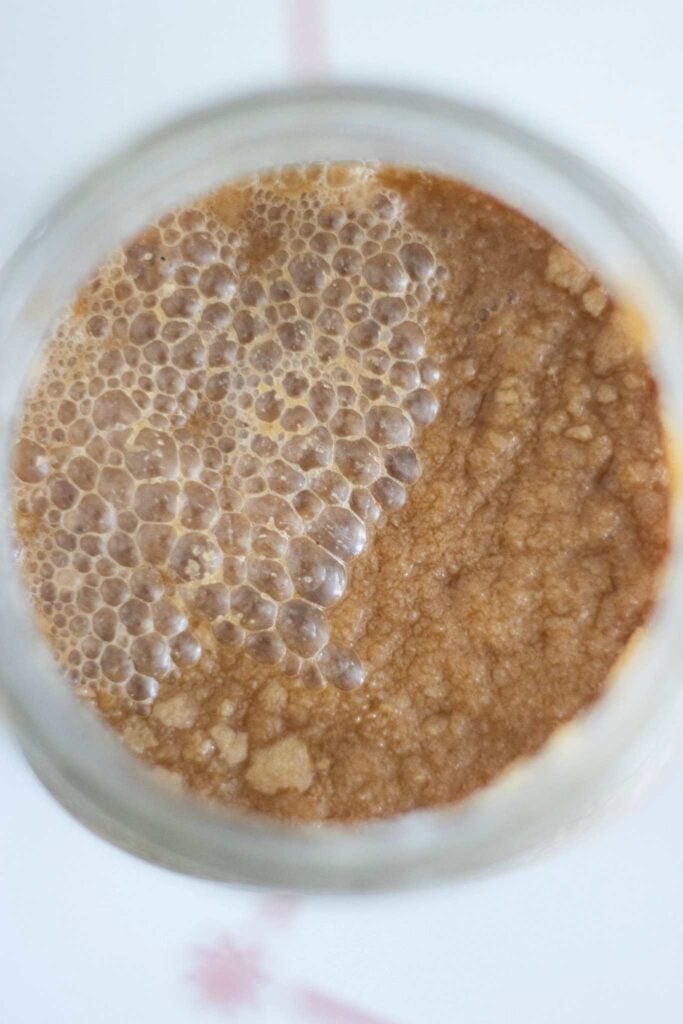
A healthy starter bubbles as it ferments. No bubbles mean the yeast is not active. This can happen if the starter is too cold or if the potato flakes are old. Fresh water and warm temperature can help. Stirring the starter regularly can also encourage bubbles.
Unpleasant Smell
A sourdough starter should smell fresh and slightly tangy. A strong, rotten, or bad smell means it may have harmful bacteria. This usually happens if the starter sits too long without feeding. Refresh the starter with fresh potato flakes and water often. Bad smell can also mean contamination, so use clean tools.
Slow Rise
A slow rise shows the starter is weak or not active enough. It may need more frequent feedings or warmer conditions. Using fresh potato flakes and good quality flour helps. Keep the starter in a warm spot, around 70-75°F. Patience is key; some starters take longer to become strong.
Mold Growth
Mold appears as fuzzy spots in green, black, or white colors. Mold means the starter is contaminated. Discard the starter immediately. Clean the container well before starting a new batch. Avoid using metal containers; glass or plastic works best. Keep the starter covered but allow airflow.
Quick Fixes For Starter Problems
Potato flake sourdough starters can be tricky at times. You might face common problems like slow rising or strange smells. Quick fixes can help bring your starter back to life. These simple steps improve your starter’s health and baking results fast.
Adjusting Feeding Schedule
Feed your starter regularly to keep it active. If it smells bad or stops rising, shorten feeding intervals. Feed every 12 hours instead of 24. Use fresh potato flakes and water for better growth. Stick to a consistent feeding routine for steady results.
Balancing Hydration Levels
Too much water makes the starter runny and weak. Too little water slows fermentation. Aim for a thick but stirrable batter. Adjust water or potato flakes to fix consistency. A balanced hydration level helps good bacteria thrive.
Using The Right Temperature
Starter activity depends on temperature. Keep it between 70°F and 75°F for best growth. Cooler temps slow fermentation. Warmer temps may kill good bacteria. Place your starter in a warm spot, like near the oven or on top of the fridge.
Reviving A Neglected Starter
Neglected starters need extra care. Discard most of it and feed with fresh ingredients. Repeat feeding every 12 hours for a few days. Look for bubbles and a pleasant smell. This shows the starter is waking up and ready to use.
Preventing Future Starter Troubles
Preventing future troubles with your potato flake sourdough starter makes baking easier and more fun. A healthy starter is key to good bread. Small steps help keep it alive and active for a long time. Focus on storage, ingredients, and routine to avoid common problems. These tips help you build a strong starter that rises well every time.
Proper Storage Tips
Store your starter in a clean glass jar. Keep the jar loosely covered to allow air flow. Avoid airtight lids; starters need oxygen. Keep the jar at room temperature if you feed daily. For less frequent feedings, refrigerate the starter. Cold slows fermentation but does not stop it. Always bring the starter back to room temperature before feeding. Clean the jar regularly to avoid mold and bacteria buildup.
Choosing Quality Potato Flakes
Use plain, unsweetened potato flakes for best results. Avoid instant mashed potato mixes with additives. Additives can kill the natural yeast and bacteria. Check the expiry date before buying. Fresh flakes offer better nutrients for fermentation. Store flakes in a dry, cool place to keep them fresh. Fresh, quality flakes support a strong sourdough culture.
Maintaining Consistent Routine
Feed your starter at the same time each day. Use the same amounts of water and flakes every time. Consistency helps yeast grow steadily and predictably. Watch the starter for signs of hunger or overfeeding. Stir the starter well to mix oxygen into it. Keep notes on feeding times and changes in activity. A steady routine creates a reliable starter for baking.
Credit: therosehomestead.com
Tools And Ingredients That Help
Having the right tools and ingredients makes sourdough starter care easier. It helps avoid common problems with potato flake sourdough starters. Using good materials ensures your starter grows strong and healthy.
Choosing the best flour type, measuring ingredients correctly, and checking acidity levels all play key roles. These steps keep your starter balanced and active. Let’s explore which tools and ingredients help most.
Best Flour Types To Use
Unbleached all-purpose flour works well for potato flake starters. Whole wheat flour adds nutrients and helps starter rise faster. Rye flour is great for boosting fermentation with natural wild yeast.
Try using a mix of these flours for better results. Avoid bleached or enriched flours, as they can slow down starter activity.
Measuring Tools For Accuracy
Use a digital kitchen scale for precise flour and water amounts. Measuring by weight is more accurate than cups or spoons. This helps keep starter hydration consistent.
Measuring spoons can help add small amounts of potato flakes. Consistency in measurements prevents starter problems like sluggish growth or mold.
Using Ph Strips For Monitoring
pH strips check acidity levels in your starter. A healthy starter usually has a pH between 3.5 and 4.5. Too high pH means less acid and possible bacterial issues.
Testing pH helps spot issues early. Adjust feeding or hydration based on pH to keep your starter lively and safe.

Credit: thenellalife.com
Frequently Asked Questions
Why Is My Potato Flake Sourdough Starter Not Bubbling?
A lack of bubbles means the starter is not active yet. Try feeding it more often and keep it warm. Patience is key; sometimes it takes several days.
How Often Should I Feed A Potato Flake Sourdough Starter?
Feed your starter every 12 to 24 hours. Use equal parts of potato flakes, flour, and water. Regular feeding keeps the yeast and bacteria alive and healthy.
What Is The Best Temperature For Potato Flake Sourdough Starter?
Keep your starter at about 70°F to 75°F. Warmer temperatures speed up fermentation; cooler slows it down. Avoid extreme heat or cold to protect the starter.
Can I Use Regular Flour With Potato Flake Starter?
Yes, you can mix regular flour with potato flakes. This helps provide nutrients for the yeast. It also improves the flavor and texture of your starter.
Why Does My Potato Flake Starter Smell Bad?
A foul smell means bad bacteria might be growing. Discard some starter and feed fresh ingredients. Keep it clean and feed regularly to avoid this.
How Do I Fix A Runny Potato Flake Sourdough Starter?
A runny starter means too much water or not enough flour. Add more flour and reduce water slightly. Stir well and feed regularly to thicken the mixture.
Conclusion
Potato flake sourdough starters can be tricky at first. Watch your starter every day for bubbles and growth. Feed it regularly to keep the yeast active. Keep the temperature steady and avoid too much water. Small changes make a big difference in your starter’s health.
Troubleshooting helps you learn and improve your bread baking. Stay patient, and your starter will become strong and lively. Enjoy the process and the tasty bread it creates!