
Are your brakes making that annoying squeaking sound every time you stop? You’re not alone, and the good news is, you don’t have to live with it.
Squeaky brakes can be more than just a nuisance—they might signal a problem that needs fixing. But don’t worry, you don’t have to be a car expert to get your brakes back to working smoothly and quietly. In this guide, you’ll discover simple, effective steps to fix those squeaky brakes yourself.
Ready to stop the noise and drive with confidence? Let’s dive in.
Causes Of Squeaky Brakes
Squeaky brakes can be annoying and sometimes dangerous. They often show that something is wrong with your vehicle’s braking system. Knowing the common causes helps fix the problem quickly. This section covers the main reasons brakes make noise.
Worn Brake Pads
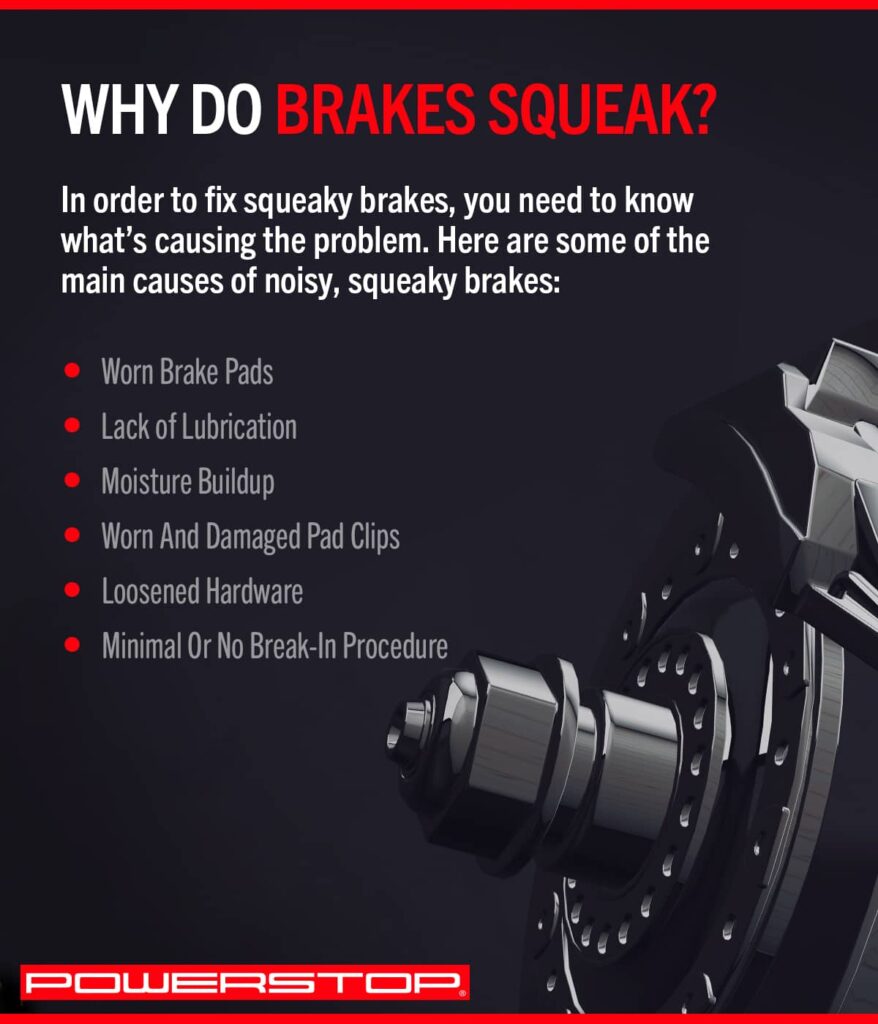
Brake pads wear down over time. Thin pads cause metal to rub on the rotor. This rubbing creates a high-pitched squeal. Worn pads also reduce braking power. Replacing pads stops the noise and improves safety.
Dirty Or Glazed Pads
Brake pads can get dirty or glazed. Dust, dirt, and oil affect their surface. Glazing happens when pads get too hot. Dirty or glazed pads lose grip and squeak. Cleaning or replacing them solves the issue.
Loose Or Missing Hardware
Brakes have many small parts that hold everything tight. Loose or missing clips, pins, or springs cause vibration. This vibration makes a squeaky sound. Checking and tightening hardware fixes the noise.
Lack Of Lubrication
Brake parts need lubrication to move smoothly. Without it, metal parts grind and squeal. Lack of grease on caliper slides or backing plates causes noise. Applying the right lubricant stops squeaks.
Brake Rotor Issues
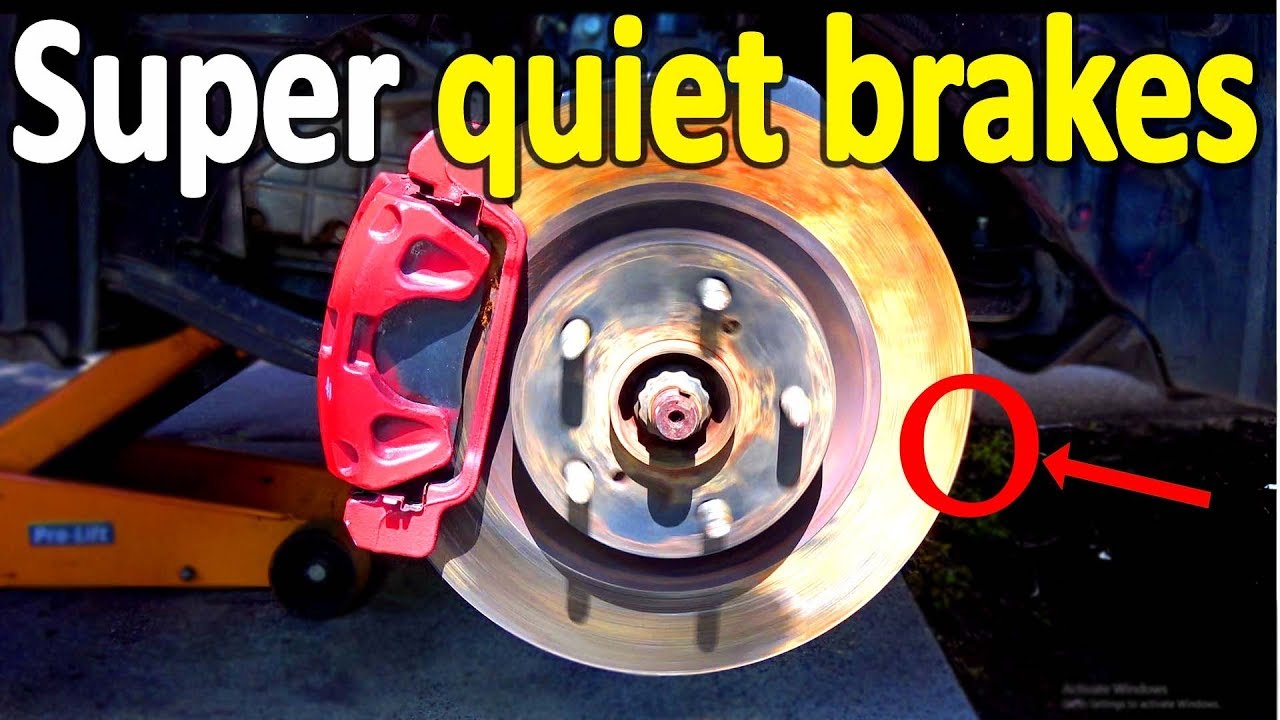
Rotors can develop grooves, rust, or warping. These problems make pads vibrate and squeal. Uneven rotor surfaces reduce braking efficiency. Resurfacing or replacing rotors ends the noise and improves stopping power.
Credit: www.youtube.com
Tools And Materials Needed
Fixing squeaky brakes requires the right tools and materials. Having everything ready makes the job easier and safer. This section lists the common items needed to get started. Each tool plays a role in the brake repair process.
Basic Hand Tools
You need a set of wrenches and sockets to remove brake parts. A screwdriver helps to pry off components carefully. Pliers assist in handling small clips and pins. A jack and jack stands lift and support the vehicle securely.
Brake Cleaner
Brake cleaner removes dirt, grease, and brake dust. It cleans the rotors and pads without leaving residue. Use it to prepare brake parts for inspection and repair. This product helps reduce noise by cleaning surfaces thoroughly.
Lubricants
Brake lubricants prevent squeaks by reducing friction. Apply them on metal-to-metal contact points like caliper pins. Use only brake-specific grease to avoid damage. Proper lubrication keeps brakes quiet and working smoothly.
Replacement Parts
Worn brake pads or damaged rotors cause noise and poor braking. Keep new pads or rotors ready for replacement. Inspect parts carefully before installation. Using quality parts ensures better performance and safety.
Safety Gear
Wear gloves to protect your hands from chemicals and sharp parts. Safety glasses shield your eyes from dust and debris. Use a mask to avoid inhaling brake dust. Safety gear keeps you safe during brake repairs.
Quick Fixes For Squeaky Brakes
Squeaky brakes can be annoying and distracting. Fixing the noise quickly can make driving safer and more comfortable. Many times, simple steps can stop the squeak without needing a mechanic. These quick fixes help keep your brakes quiet and working well.
Cleaning Brake Components
Dirt and dust cause brake noise. Use a brush or cloth to clean brake parts. Remove grime from the rotor and pads carefully. Avoid spraying water directly on brakes. Clean parts reduce friction and stop squeaking.
Applying Brake Lubricant
Brake lubricant helps parts move smoothly. Apply a small amount to the back of brake pads. Avoid putting lubricant on the pad surface or rotor. Lubricating stops metal parts from rubbing loudly against each other. Use only brake-specific grease for best results.
Tightening Hardware
Loose bolts cause brake squeaks. Check all bolts holding the brake system. Tighten any that feel loose using the correct tools. Secure hardware keeps parts from shifting and rubbing. Regular checks prevent noise and improve brake safety.
Checking Brake Pad Wear
Worn brake pads often cause noise. Inspect pads for thin or uneven wear. Replace pads if they are too thin. New pads help brakes grip better and stop squeaking. Regular pad checks extend brake life and safety.
Replacing Brake Pads
Replacing brake pads is a key step to stop squeaky brakes. Worn pads cause noise and reduce braking power. Changing them improves safety and driving comfort.
The process involves removing old pads, installing new ones, and performing a bed-in procedure. This ensures the brakes work quietly and efficiently.
Removing Old Pads
Start by lifting the car and removing the wheel. Locate the brake caliper and loosen the bolts holding it. Carefully lift the caliper off the rotor. Use a tool to push the piston back into the caliper. This creates space for the new pads. Slide out the old brake pads from the caliper bracket. Inspect the rotor for damage or wear. Clean the caliper and surrounding area with a brake cleaner.
Installing New Pads
Place the new brake pads into the caliper bracket. Make sure they fit snugly and align correctly. Reinstall the caliper over the new pads. Tighten the bolts securely but do not over-tighten. Check that the pads and caliper move freely. Repeat the process on the other wheels if needed. Always use pads that match your car’s specifications.
Bed-in Process
After installation, bed-in the new pads to improve performance. Drive slowly and apply the brakes gently several times. Increase speed gradually and brake harder each time. This helps the pads and rotors form a smooth, even surface. Avoid sudden stops during this process. Proper bedding reduces noise and extends pad life.
Dealing With Brake Rotors
Brake rotors play a big role in stopping your vehicle safely. Squeaky brakes can mean problems with these rotors. Understanding how to handle them helps you fix noise and improve brake performance.
Rotors work by pressing against brake pads to slow down your wheels. If rotors are worn or damaged, they cause noise and reduce braking power. Checking and fixing rotors keeps your brakes smooth and quiet.
Inspecting Rotors
Start by looking at the rotor surface. Check for grooves, cracks, or rust. Run your hand carefully across the rotor to feel any rough spots. Use a micrometer to measure rotor thickness. Thin rotors may not work well and need attention.
Resurfacing Rotors
Resurfacing smooths out rotor surfaces by removing a thin layer. This removes small grooves and uneven spots. It restores the rotor’s flatness for better contact with brake pads. Resurfacing is cheaper than replacing but works only if the rotor is thick enough.
Replacing Rotors
Replace rotors if they are cracked, warped, or too thin. New rotors ensure safe and quiet braking. Always replace rotors in pairs for even braking. Use quality parts and follow proper installation steps to avoid problems later.

Credit: www.drivesafeonline.org
Preventing Future Brake Squeaks
Stopping brake squeaks before they start saves time and money. You can avoid noisy brakes with a few smart habits. Keeping your brakes quiet means safer, smoother rides. Here are three ways to prevent future brake squeaks.
Regular Maintenance
Check your brakes often for wear and dirt. Clean brake parts to stop dust buildup. Replace brake pads before they wear out completely. Tighten loose parts that cause vibration and noise. Regular checks keep brakes working quietly and well.
Proper Driving Habits
Brake gently to reduce stress on the pads. Avoid sudden stops that cause heat and wear. Drive smoothly to keep brakes cool and quiet. Slow down early to use less brake pressure. Good habits extend brake life and stop squeaks.
Choosing Quality Parts
Use brake pads made from high-quality materials. Cheap parts wear out faster and make noise. Pick pads designed to reduce squeaking sounds. Match parts to your vehicle for best fit. Quality parts help keep brakes quiet longer.
Credit: www.powerstop.com
Frequently Asked Questions
Why Do Brakes Make A Squeaking Noise?
Brakes squeak when the pads wear down or get dirty. Dust, rust, or moisture can also cause the noise. Regular cleaning and inspection help prevent this issue.
How Can I Stop Brakes From Squeaking?
Use brake lubricant on the back of the brake pads. Clean the rotors and pads to remove dirt and rust. Replace worn brake pads promptly for best results.
Can Squeaky Brakes Be Dangerous?
Squeaky brakes usually mean wear or dirt, not immediate danger. But ignoring the noise can lead to poor braking performance. Check brakes soon to stay safe on the road.
What Tools Do I Need To Fix Squeaky Brakes?
You need a jack, lug wrench, brake cleaner, lubricant, and new brake pads. A C-clamp helps press the brake caliper back. Basic tools make the job easier.
How Often Should I Check My Brakes For Squeaking?
Check brakes every 6 months or 6,000 miles. Inspect them if you hear noises or feel vibrations. Regular checks keep brakes working well and quiet.
Conclusion
Squeaky brakes can annoy anyone on the road. Fixing them is easier than you think. Clean the brake parts and check for wear. Replace old pads if needed. Use proper tools and take safety steps. Regular brake care keeps your car quiet and safe.
Don’t ignore strange sounds while driving. A little effort now saves bigger problems later. Keep your brakes smooth for a comfortable ride every time.