
Is your toilet constantly running, driving up your water bill and creating an annoying noise you just can’t ignore? You’re not alone, and the good news is that fixing it is easier than you might think.
You’ll discover simple, step-by-step solutions you can try right now to stop that endless flow. Imagine saving money and peace of mind with just a few small adjustments. Keep reading, and you’ll have your toilet working properly again in no time.
Signs Of A Running Toilet
A running toilet wastes water and can increase your water bill. It also creates annoying noises that disrupt peace. Spotting the signs early helps fix the problem fast. Knowing what to listen for and check saves time and effort.
Common Noises To Listen For
Listen for constant hissing or trickling sounds. This often means water keeps flowing inside the tank. A repeating click or tapping noise may show the flapper is not sealing right. Sometimes, you hear water running even after flushing. These noises point to parts that need repair or replacement.
How To Check For Water Leaks
Check around the base of the toilet for wet spots or puddles. Look inside the tank for water flowing into the overflow tube. Put a few drops of food coloring in the tank water. Wait 15 minutes without flushing. If colored water appears in the bowl, a leak exists. Catching leaks early stops water waste and damage.
Tools And Materials Needed
Fixing a running toilet requires the right tools and materials. Having these ready makes the repair easier and faster. Prepare before you start to avoid interruptions.
Basic Plumbing Tools
Start with a few simple tools. A pair of adjustable pliers helps to tighten or loosen nuts. A flathead screwdriver is useful for adjusting parts inside the tank. A small cup or container can remove water from the tank. A sponge or towel helps clean up any spills. Gloves protect your hands while working. These basic tools cover most toilet repairs.
Replacement Parts To Have Ready
Common parts that wear out include the flapper, fill valve, and flush valve. A new flapper stops water from leaking. The fill valve controls water flow into the tank. A flush valve helps the toilet flush properly. Keep a few washers and nuts on hand too. Buying a repair kit with these parts saves time. Check your toilet model to get the right sizes.
Fixing The Flapper
The flapper is a small rubber part inside the toilet tank. It controls water flow from the tank to the bowl during a flush. A worn or damaged flapper often causes a running toilet. Fixing or replacing the flapper can stop water waste and lower your water bill.
Identifying A Faulty Flapper
Check if the toilet runs constantly after flushing. Listen for a hissing or trickling sound inside the tank. Look at the flapper to see if it closes tightly. A warped, cracked, or stiff flapper will not seal well. Water leaks from the tank into the bowl. This causes the toilet to run non-stop. Identifying these signs means the flapper needs attention.
Replacing The Flapper Step-by-step
First, turn off the water supply to the toilet. Flush to empty the tank water. Remove the old flapper by detaching it from the flush valve. Note how it is connected to the chain and overflow tube. Install the new flapper on the flush valve. Attach the chain to the flush handle lever. Adjust the chain length so the flapper closes fully. Turn the water back on and let the tank fill. Test the flush and watch the flapper seal. Replace again if it still leaks or runs.
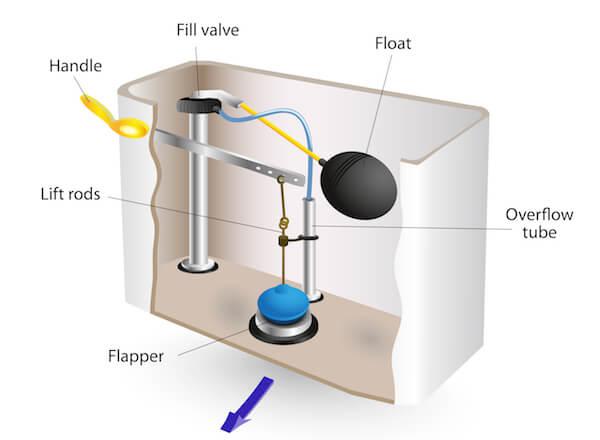
Credit: www.benjaminfranklinplumbing.com
Adjusting The Float
Adjusting the float is a key step to stop a running toilet. The float controls the water level in the tank. If it is too high, water keeps flowing into the bowl. Lowering the float helps to stop this constant flow.
Locating The Float Mechanism
Open the toilet tank lid carefully. Inside, you will see a round or oval float. It may be attached to a metal arm or a plastic rod. This float moves up and down with the water level. The float controls the fill valve, which refills the tank.
How To Adjust The Float Height
To adjust, gently move the float down. This lowers the water level in the tank. For a float on a metal arm, bend the arm slightly downward. For a plastic float, use the adjustment screw or clip on the rod. After adjusting, flush the toilet and watch the water level. Repeat if needed until the water stops before reaching the overflow tube.
Checking The Fill Valve
Checking the fill valve is an important step in fixing a running toilet. The fill valve controls the water that fills the tank after each flush. If it is not working well, water keeps flowing into the tank, causing the toilet to run nonstop. This wastes water and raises your water bill.
Start by inspecting the fill valve for any visible damage or wear. Listen for unusual sounds like hissing or constant water flow. These signs often point to a fill valve issue. Knowing what to look for helps you decide if cleaning or replacing the valve is needed.
Signs Of A Malfunctioning Fill Valve
A faulty fill valve can cause many problems. You might hear water running even when the toilet is not flushed. The tank may take too long to fill after flushing. Water level may be too high or too low. Sometimes, water leaks from the valve itself. These signs mean the fill valve is not closing properly or is blocked.
Cleaning Or Replacing The Fill Valve
Cleaning the fill valve can fix small blockages. Turn off the water supply and drain the tank. Remove the valve cap and clean any dirt or mineral buildup. Use a soft brush or cloth to avoid damage. After cleaning, reassemble the valve and turn the water back on.
If cleaning does not stop the running, replace the fill valve. Replacement parts are affordable and easy to find. Follow the instructions carefully for installation. A new fill valve should stop water waste and make your toilet work quietly again.
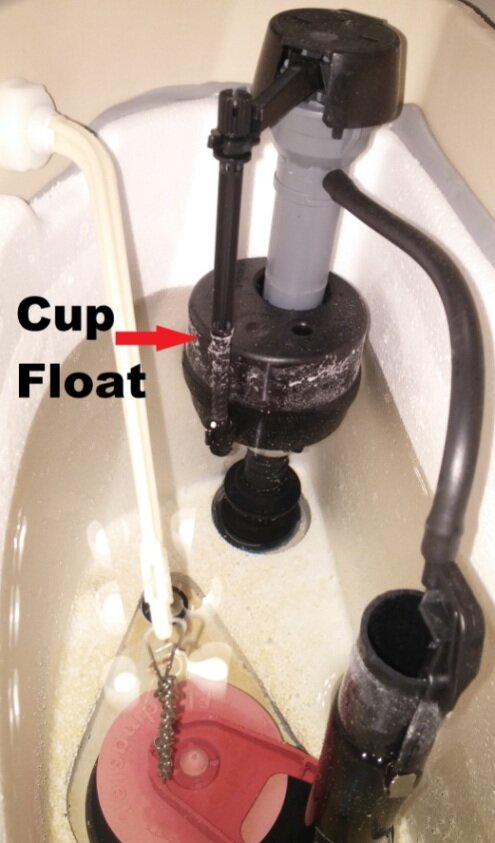
Credit: www.watersmartsystems.com
Fixing The Overflow Tube
Fixing the overflow tube is a key step to stop a running toilet. This part controls water flow inside the tank. If it is not working well, water keeps running. This wastes water and raises your bill.
Checking and fixing the overflow tube can save water and money. The process is simple and takes little time. Understanding the cause helps to fix it right.
What Causes Overflow Issues
The overflow tube works with the fill valve to control water level. If the water level is too high, water flows into the tube. This makes the toilet run continuously.
Overflow issues happen because of a few reasons. The fill valve may be set too high. The tube itself might be cracked or broken. Sometimes, debris blocks the tube causing problems.
Worn out parts inside the tank also cause overflow problems. The float may not drop properly. This makes the valve stay open and water runs.
How To Adjust Or Replace The Overflow Tube
Start by turning off the water supply to the toilet. Flush the toilet to empty the tank. Check the water level inside the tank. It should be below the top of the overflow tube.
Adjust the fill valve to lower the water level. Most fill valves have a screw or clip to adjust height. Turn the screw or slide the clip down. This stops water from going too high.
If the overflow tube is damaged, replace it. Remove the old tube by loosening the screws or clips. Buy a new tube that fits your toilet model. Install it in the same place and secure it tightly.
Turn the water back on and let the tank fill. Watch the water level and make sure it stays below the tube top. If water stops running, the fix worked.
Preventive Maintenance Tips
Preventive maintenance helps keep your toilet running smoothly. Small checks can stop bigger issues later. It saves water and money. Follow simple tips to avoid a running toilet and other common problems.
Regular Inspection Routines
Check your toilet every few weeks. Look inside the tank for worn or broken parts. Listen for sounds of water running. Ensure the flapper seals tightly after flushing. Watch the water level in the tank. It should be just below the overflow tube. Tighten any loose bolts or screws.
Cleaning the tank and bowl prevents mineral buildup. Use a gentle cleaner to avoid damage. Regular inspections catch leaks early. Fix small problems before they grow.
Avoiding Common Toilet Problems
Do not flush items other than toilet paper. Avoid clogging by using only what is necessary. Keep the flapper clean to prevent leaks. Replace old or cracked parts quickly. Use a toilet cleaner that does not harm seals and rubber parts. Avoid harsh chemicals that can cause damage.
Check the fill valve for proper operation. Adjust the float to control water level. This stops water from running too long. Simple care prevents most toilet issues. Stay proactive to keep your bathroom working well.

Credit: www.wikihow.com
Frequently Asked Questions
Why Is My Toilet Running Constantly?
A running toilet often means the flapper valve isn’t sealing properly. Check for debris or wear that may cause leaks. Sometimes, the float or fill valve needs adjustment.
How Can I Stop The Toilet From Running Water?
Adjust the float ball or float cup to stop water at the right level. Replace a broken flapper if it won’t seal. Tighten or replace faulty fill valves if needed.
What Tools Do I Need To Fix A Running Toilet?
Basic tools include pliers, a screwdriver, and a sponge or towel. You may also need a replacement flapper or fill valve. Most parts are easy to find at hardware stores.
How Long Does It Take To Fix A Running Toilet?
Fixing a running toilet usually takes 10 to 30 minutes. Simple fixes like adjusting the float are faster. Replacing parts may take a bit longer but is still quick.
Can A Running Toilet Increase My Water Bill?
Yes, a running toilet can waste hundreds of gallons daily. This waste can cause your water bill to rise significantly. Fixing it saves money and conserves water.
Conclusion
Fixing a running toilet saves water and cuts your bills. Small steps like adjusting the flapper or the float can stop the problem fast. Check parts regularly to keep your toilet working well. Don’t ignore the issue; it can waste a lot of water.
A little effort now avoids bigger repairs later. Simple fixes make your home quieter and more efficient. Keep these tips handy for quick toilet repairs anytime.