
Are you tired of feeling self-conscious about your smile or struggling with discomfort caused by your overbite? You’re not alone, and the good news is, there are effective ways to fix it.
Whether your overbite is mild or severe, understanding the options available can help you regain confidence and improve your oral health. Keep reading to discover simple, practical steps you can take to correct your overbite and enjoy a healthier, more comfortable smile.
Credit: www.ismilespecialists.com
Causes Of Overbite
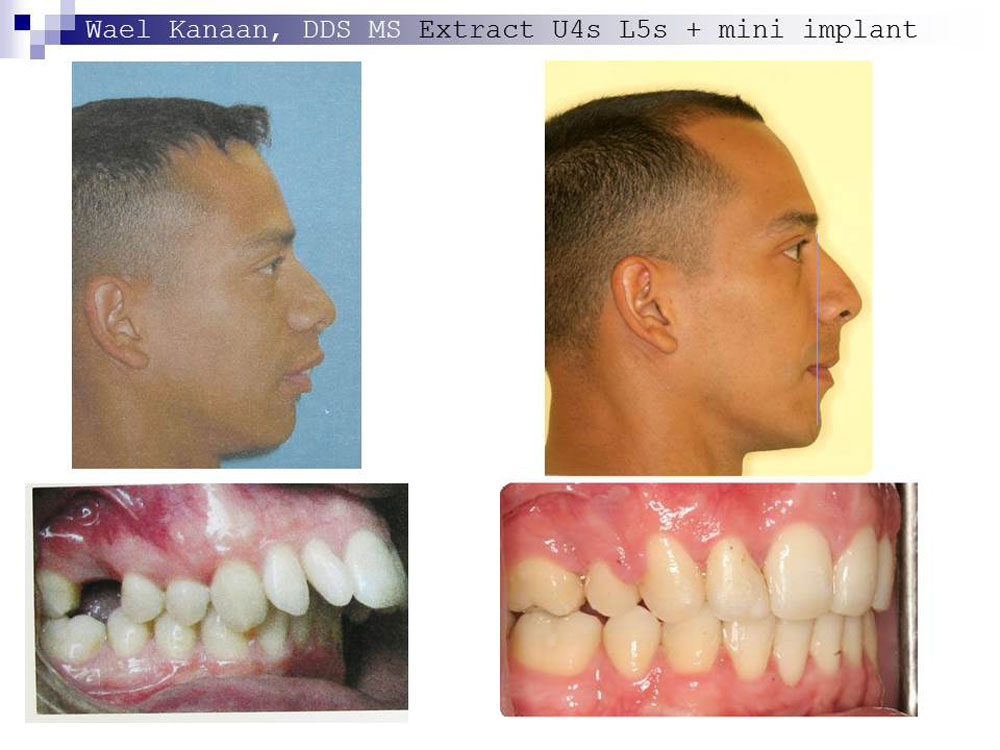
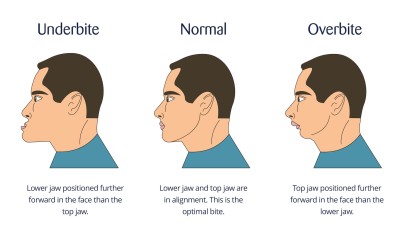
Understanding the causes of an overbite helps in finding the right fix. An overbite happens when the upper front teeth cover the lower front teeth too much. Several factors can cause this condition, from genetics to habits and jaw problems. Knowing these causes makes treatment easier and more effective.
Genetic Factors
Genes play a big role in how teeth and jaws grow. If parents have an overbite, children might have it too. The size and shape of the jaw can be inherited. Some people naturally have a smaller lower jaw or a larger upper jaw. These differences cause the upper teeth to stick out more than usual.
Childhood Habits
Habits during childhood can change how teeth grow. Thumb sucking and prolonged use of a pacifier push the teeth forward. This pressure can cause the front teeth to move out of place. Tongue thrusting, or pushing the tongue against the teeth, also adds extra pressure. These habits can lead to or worsen an overbite over time.
Jaw Development Issues
Problems with jaw growth can cause an overbite. Sometimes, the lower jaw grows too slowly or not at all. The upper jaw may grow too much or in the wrong direction. Injuries or illnesses can affect jaw development as well. These issues create an imbalance that results in the upper teeth covering the lower teeth too much.
Signs And Symptoms
Overbite is more than just a dental term. It affects how you look, speak, and feel. Knowing the signs and symptoms helps you spot the problem early. Early detection can lead to easier and better treatment.
Appearance Changes
An overbite changes how your teeth and jaw align. Your upper teeth may cover too much of the lower teeth. This can make your smile look uneven or crowded. Sometimes, the lower jaw looks smaller or pushed back. These changes may affect your facial profile and confidence.
Speech Difficulties
Overbite can make speaking clearly a challenge. Certain sounds might be harder to pronounce. You may notice a lisp or slurred words. These speech issues happen because the teeth and tongue do not work well together. Over time, this can affect communication and social interactions.
Dental Problems
Overbite puts extra pressure on certain teeth. This can cause tooth wear, cracks, or even pain. It may also lead to gum problems or jaw discomfort. Chewing can become difficult or uncomfortable. These dental issues increase the risk of infection and tooth loss.
Dental Treatments
Dental treatments offer effective ways to fix an overbite. These treatments help align teeth and improve jaw position. Choosing the right treatment depends on the severity of the overbite and the patient’s age.
Braces And Aligners
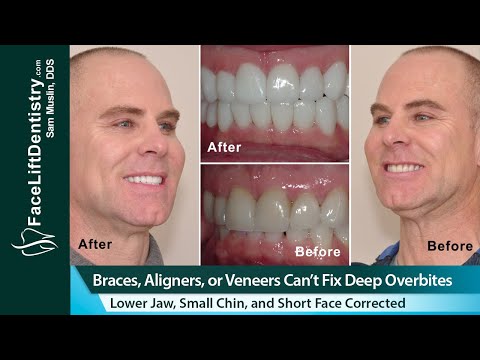
Braces are common for correcting overbites. They use brackets and wires to move teeth slowly. This method is effective for children and adults. Clear aligners are a popular alternative. They fit over teeth and shift them gently. Both options need regular dental visits for adjustments.
Tooth Extraction
Removing one or more teeth may help severe overbites. Extraction creates space to move other teeth into proper alignment. This method is often combined with braces. A dentist or orthodontist decides if extraction is necessary. It helps reduce crowding and improve bite function.
Jaw Surgery
Jaw surgery is for serious overbite cases. It adjusts the position of the upper or lower jaw. This surgery improves bite and facial appearance. Patients usually need braces before and after surgery. The process requires careful planning and recovery time.
Home Remedies And Exercises
Home remedies and exercises can help improve an overbite naturally. These methods focus on strengthening the jaw and changing habits that affect teeth alignment. Consistent practice can support dental treatments or reduce mild overbite issues. Simple daily exercises and posture changes can make a difference over time.
Jaw Strengthening Exercises
Strong jaw muscles help support proper teeth alignment. Try gently opening and closing your mouth slowly. Move your lower jaw forward and backward a few times. Chewing sugar-free gum can also improve jaw strength. Avoid excessive force to prevent pain or injury.
Posture Improvement
Good posture affects jaw position and bite alignment. Keep your head upright and shoulders back. Avoid slouching while sitting or using devices. Look straight ahead rather than down. This helps reduce strain on your jaw and neck muscles.
Habit Correction
Habits like thumb sucking or nail biting can worsen an overbite. Stop these habits as soon as possible. Avoid pushing your tongue against your teeth. Use reminders or gentle discipline to break these habits. Consistency helps your mouth adjust to better positions.
Choosing The Right Specialist
Choosing the right specialist is the first step to fix an overbite properly. The right expert can give the best advice and treatment. It helps to understand the difference between an orthodontist and a dentist. Knowing what to expect during a consultation saves time and reduces stress.
Orthodontist Vs. Dentist
An orthodontist is a specialist who focuses on teeth alignment and bite correction. They have extra training beyond dental school. Orthodontists use braces, clear aligners, and other tools to fix overbites.
A dentist handles general oral care. They clean teeth, treat cavities, and manage gum health. Some dentists can help with mild overbite cases but usually refer to orthodontists for complex problems.
Choosing an orthodontist often means better results for overbite treatment. They have specific skills to adjust the jaw and teeth position safely.
What To Expect During Consultation
The consultation starts with a thorough examination. The specialist checks your teeth, jaw, and bite. X-rays or 3D scans may be taken to see the bone structure.
Expect questions about your dental history and any pain or discomfort. The specialist will explain treatment options and timelines. They discuss costs and what the treatment will involve.
This visit helps you decide the best plan. It also gives you a chance to ask questions and feel comfortable with the specialist.
Credit: www.faceliftdentistry.com
Preventing Overbite In Children
Preventing overbite in children starts early. Small actions can protect their dental health. Parents play a big role in this process. Good habits and regular care help avoid future problems. Understanding key steps helps keep a child’s smile healthy and aligned.
Early Dental Care
Take children to the dentist by age one. Early visits catch issues before they grow. Dentists check how teeth and jaws develop. They offer advice on proper brushing and care. Regular checkups keep teeth strong and aligned.
Monitor how teeth come in. Notice any crowding or gaps. Early treatment can guide proper growth. Timely action often avoids complex fixes later. Healthy teeth set the stage for proper bite.
Avoiding Harmful Habits
Thumb sucking can cause overbite if it lasts too long. Discourage this habit by age two or three. Using pacifiers less often also helps. Mouth breathing may change jaw shape. Encourage nose breathing instead.
Chewing on objects like pencils harms teeth alignment. Teach children to avoid biting hard items. These habits affect jaw and teeth position. Breaking them early supports proper bite development.
Cost And Insurance Considerations
Fixing an overbite can be a big decision. One key part is understanding the costs and insurance help. Knowing what you might pay and what insurance covers helps you plan better. This section breaks down the main expenses and insurance options for overbite treatment.
Treatment Expenses
The cost to fix an overbite varies by method. Braces can range from $3,000 to $7,000. Clear aligners usually cost between $4,000 and $8,000. Surgery, if needed, can add $5,000 to $20,000. These prices depend on the severity and length of treatment. Extra fees might include X-rays, check-ups, and retainers. Always ask your dentist or orthodontist for a full price estimate.
Insurance Coverage Options
Many dental insurance plans help pay for overbite treatment. Coverage depends on your plan and the treatment type. Some plans cover braces for children but limit adult coverage. Others may cover part of the cost for surgery or orthodontics. Check your insurance policy carefully to understand your benefits. You might need pre-approval before treatment starts. Some offices offer payment plans if insurance does not cover all costs.
Credit: www.ericdavisdental.com
Frequently Asked Questions
What Causes An Overbite And How To Fix It?
An overbite happens when upper teeth cover lower teeth too much. Fixing it often needs braces or clear aligners. Sometimes, surgery is needed for severe cases.
How Long Does Overbite Treatment Usually Take?
Treatment time varies but often lasts from 6 months to 2 years. It depends on how severe the overbite is. Regular dentist visits help track progress.
Can Adults Fix An Overbite Without Surgery?
Yes, adults can fix mild to moderate overbites with braces or aligners. Clear aligners are less visible and often preferred. Surgery is rare but sometimes necessary.
What Are The Risks Of Not Treating An Overbite?
Untreated overbite can cause jaw pain, tooth wear, and speech issues. It may also lead to gum problems and headaches. Early treatment helps avoid these risks.
Are There Simple Home Remedies For Minor Overbite Issues?
Home remedies can’t fix an overbite but can ease discomfort. Using a soft diet and pain relief may help temporarily. Professional dental care is needed for real correction.
Conclusion
Fixing an overbite can improve your smile and comfort. Early treatment helps avoid bigger problems later. Braces, aligners, or surgery might be needed. Talk to a dentist to find the best option. Taking care of your teeth keeps your bite healthy.
Small steps lead to big changes. Start today for a better, confident smile.