
Have you ever wondered if air fryers really make food crispy like traditional frying does? If you’re craving that golden, crunchy texture without the extra oil and mess, this question probably matters a lot to you.
Imagine enjoying your favorite crispy snacks, guilt-free and in less time. You’ll discover exactly how air fryers work, what makes food crispy, and whether your air fryer can deliver that satisfying crunch you’re after. Keep reading—you might be surprised by what you learn!
How Air Fryers Work
Air fryers cook food using a unique method. They use hot air to create a crispy outside and a cooked inside. This method uses less oil than traditional frying. The technology is simple but effective. Understanding how air fryers work helps explain why food can be crispy.
Hot Air Circulation
Air fryers heat air inside a small chamber. A fan pushes this hot air around the food. The air moves very fast and evenly. This fast air cooks the food’s surface quickly. It removes moisture from the outer layer. This drying creates a crispy texture. The heat also cooks the inside of the food well. The process uses very little oil or none at all.
Comparison To Deep Frying
Deep frying cooks food by submerging it in hot oil. The oil heats the food’s surface very fast. This creates a crispy and golden outside. Air frying mimics this effect without soaking food in oil. Air fryers use hot air to crisp the surface. They use much less oil, making food less greasy. The taste and crunch can be similar to deep frying. But air frying is often healthier and less messy.
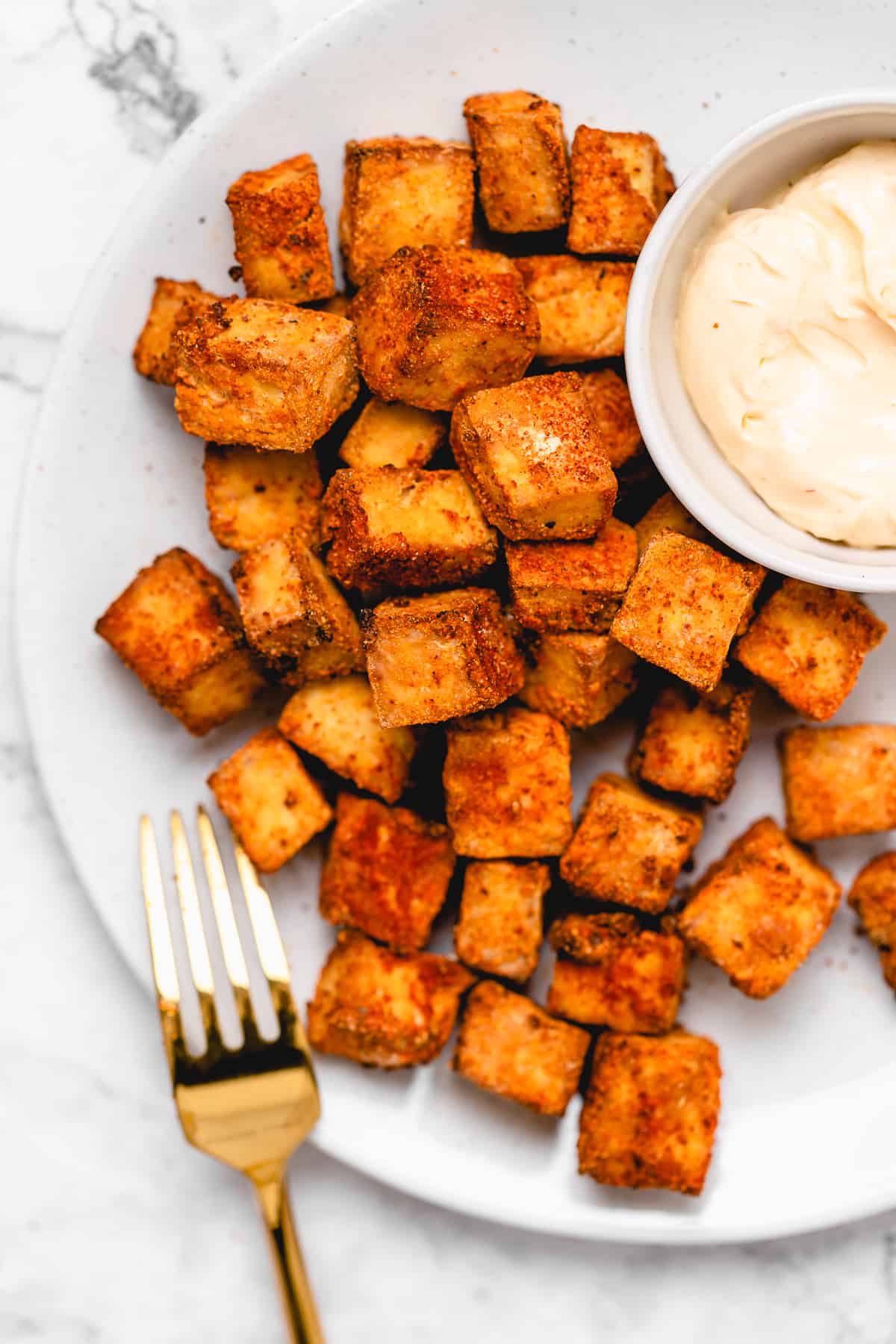
Credit: jessicainthekitchen.com
Factors Affecting Crispiness
Crispiness in air-fried food depends on several important factors. These factors change how well the air fryer can create a crunchy texture. Understanding them helps you get the best results every time.
Food Moisture Content
Water in food affects crispiness a lot. High moisture makes it harder to get a crisp outside. Foods with less water crisp up faster and better. Drying food before cooking helps remove extra moisture.
Cooking Temperature
Temperature controls how fast food crisps. Higher heat makes food crunchy quickly. Too low heat leaves food soft or soggy. Finding the right temperature is key for crispiness.
Cooking Time
How long you cook also matters. Too short means food stays soft inside. Too long can burn the outside while drying the inside. The right time creates a golden, crispy texture.
Food Preparation Techniques
Preparing food well improves crispiness. Coating with oil or breadcrumbs adds crunch. Cutting food into small pieces lets heat reach inside. Patting food dry removes surface water for better crisp.
Best Foods For Crispy Results
Air fryers excel at creating crispy textures without deep frying. Certain foods crisp up better than others. Knowing which foods produce the best results helps you enjoy crunchy, tasty meals. This section highlights top foods that become delightfully crispy in an air fryer.
Frozen Snacks
Frozen snacks like fries, nuggets, and mozzarella sticks crisp quickly. The air fryer removes moisture and adds crunch. These snacks often come pre-cooked, so air frying finishes them with a crispy shell. They cook evenly and need little oil, making them a popular choice for crispy bites.
Fresh Vegetables
Fresh vegetables such as potatoes, zucchini, and Brussels sprouts crisp well in an air fryer. Cutting them into small pieces helps create a crunchy texture. Light oil coating boosts crispiness and flavor. The hot air circulation cooks vegetables evenly, leaving them tender inside and crispy outside.
Meats And Proteins
Chicken wings, fish fillets, and tofu crisp nicely in an air fryer. Marinating or seasoning enhances the taste. The air fryer cooks proteins quickly and seals in moisture. This process creates a crispy outside layer while keeping the inside juicy and tender.
Tips To Enhance Crispiness
Getting crispy food from an air fryer is easy with a few smart steps. These tips help food cook evenly and stay crunchy. Follow them to enjoy perfect texture every time.
Small changes can make a big difference in crispiness and taste.
Preheating The Air Fryer
Always preheat your air fryer before cooking. It helps start the crisping process right away. Preheating makes food cook faster and more evenly. Without it, food may turn soggy or uneven.
Using Oil Wisely
Use a little oil to boost crispiness. A light spray or brush of oil works best. Too much oil can make food greasy. The right amount helps heat reach the food’s surface, making it crunchy.
Avoiding Overcrowding
Do not crowd the basket with food. Leave space for air to flow around each piece. Crowding traps steam and causes soggy spots. Cook in batches if needed to keep food crispy.
Shaking Or Turning Food
Shake or turn food halfway through cooking. This moves pieces for even heat and crispiness. It prevents one side from getting too dark or soft. Regular movement makes food crispy all over.
Common Mistakes To Avoid
Using an air fryer can make food crispy and tasty. Still, some common mistakes stop the food from getting that perfect crunch. Avoiding these errors helps you get better results every time.
Using Too Much Oil
Many think air fryers need lots of oil. Actually, a small amount is enough. Too much oil makes food soggy, not crispy. Use just a light spray or a teaspoon of oil. This keeps food crunchy and healthy.
Cooking At Low Temperatures
Low heat slows down crisping. Air fryers work best with high temperatures. Set the fryer to the right heat for the food type. High heat cooks food quickly and makes the outside crispy.
Ignoring Food Size And Thickness
Thick or large pieces take longer to cook. Thin, small pieces get crispy faster. Cut food into even sizes for even cooking. Crowding the basket also stops air flow. Cook in batches if needed for best crispiness.
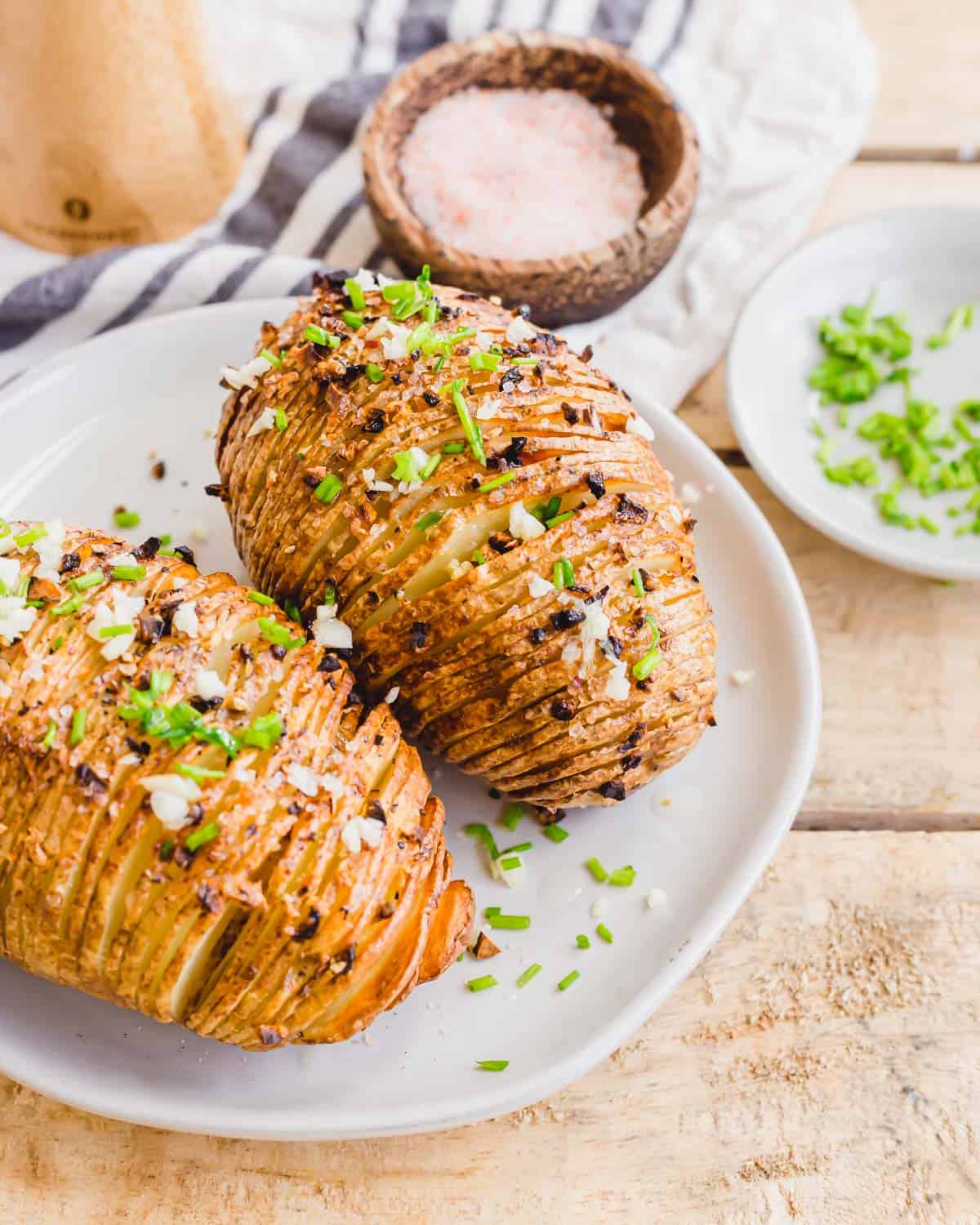
Credit: www.runningtothekitchen.com
Air Fryer Vs Traditional Methods
Air fryers offer a new way to cook crispy food with less oil. Traditional frying uses hot oil to cook and crisp food. Both methods aim for that perfect crunch, but they work differently. Understanding these differences helps choose the best cooking style.
Crispiness Comparison
Traditional frying cooks food in hot oil, creating a crispy outer layer. The oil coats the food and fries it quickly. Air fryers use hot air to cook and crisp food. The air circulates around the food, making it crispy on all sides. Air frying often produces a slightly different texture. It is crisp but less oily than deep frying.
Health Benefits
Traditional frying uses large amounts of oil, increasing fat and calories. Air fryers need little or no oil, reducing fat intake. This makes air-fried food a healthier choice. It lowers the risk of heart disease and weight gain. Air frying keeps food tasty without extra grease.
Convenience And Cleanup
Traditional frying takes longer and needs careful oil handling. The oil can splatter and cause burns. Cleaning up requires washing pots and disposing of used oil. Air fryers cook faster and are safer to use. Cleanup is simple with dishwasher-safe parts. Less mess means less time spent cleaning.
Troubleshooting Crispy Failures
Air fryers promise crispy results, but sometimes food turns out soggy or uneven. Troubleshooting these crispy failures helps improve your cooking experience. Understanding common issues and fixes leads to better, crunchier meals.
Soggy Food Solutions
Soggy food often happens when there is too much moisture. Pat ingredients dry with paper towels before cooking. Avoid overcrowding the basket to let air flow freely. Lightly coat food with oil to help crisp the surface.
Uneven Cooking Fixes
Uneven cooking makes some parts crispy and others soft. Shake or turn food halfway through cooking. Arrange pieces in a single layer, not stacked. Clean the basket regularly to prevent blocking hot air.
Adjusting Time And Temperature
Cooking time and temperature affect crispiness a lot. Increase temperature slightly for a crispier texture. Reduce cooking time if food burns or dries out. Experiment with settings to find the perfect balance for each recipe.
:max_bytes(150000):strip_icc()/what-not-to-cook-in-an-air-fryer-GettyImages-1411002076-f88483b7e5834c449a6324ade33f7057.jpg)
Credit: www.realsimple.com
Frequently Asked Questions
Do Air Fryers Really Make Food Crispy?
Air fryers cook food using hot air that surrounds it. This method helps create a crispy outer layer without much oil. The result is often crunchier than baking or microwaving.
How Does An Air Fryer Create Crispiness?
The air fryer circulates hot air quickly around food. This fast airflow removes moisture from the surface, making it crispy. It works like a mini convection oven.
Can Air Fryers Crisp All Types Of Food?
Most foods can get crispy in an air fryer, especially frozen or breaded items. Wet or thick sauces may stop crispiness. Foods with a dry surface crisp best.
Is Air Frying Healthier Than Deep Frying?
Air frying uses little to no oil, cutting fat and calories. It still makes food crispy, unlike deep frying that soaks food in oil. A healthier choice for crispy food.
How To Get The Crispiest Food In An Air Fryer?
Pat food dry before cooking to reduce moisture. Use a small amount of oil to help crisping. Avoid overcrowding the basket to allow even hot air flow.
Conclusion
Air fryers can make food crispy without deep frying. They use hot air to cook evenly and create a crunchy texture. This method uses less oil, making meals healthier. Crispiness depends on the food type and cooking time. Experimenting helps find the best results for your taste.
Air fryers offer a simple way to enjoy crispy food at home. They save time and reduce mess compared to traditional frying. Try one to see how it changes your cooking experience.