
Finding your freezer full of frozen goods while your milk spoils in the fresh food section is a common frustration for Frigidaire owners. When you discover your frigidaire refrigerator not cooling but freezer fine, it indicates that the cooling system is likely functional, but the distribution of that cold air is being hindered. This specific failure mode suggests the issue lies in the airflow management or the automatic defrost cycle rather than a total compressor failure. Professional repair costs for these diagnostic issues typically range from $150 to $450 depending on whether the solution involves simple manual resets, cleaning, or the replacement of specific internal components.
Key Takeaways

- Check for frost buildup on the rear panel of your freezer, which often indicates a failed defrost heater or timer.
- Ensure the evaporator fan is spinning freely and not blocked by ice or debris.
- Verify that the air damper between the freezer and refrigerator isn’t stuck closed.
- Clear all vents in both compartments to allow for proper cold air circulation.
- Disconnect power for 24 hours to perform a manual defrost if the evaporator coils are completely iced over.
Why Is the Refrigerator Warm?
The primary reason for this temperature split is that modern refrigerators use a single cooling system located in the freezer section. Cold air is generated by the evaporator coils and then pushed into the refrigerator compartment by a fan.
If the passage between these two zones is blocked or the fan fails, the refrigerator will warm up while the freezer remains at sub-zero temperatures. Airflow restriction is the most frequent culprit, often caused by overpacking the freezer or a malfunctioning air damper control.
Common Causes of Cooling Failure
- Evaporator Fan Motor: If this fan stops, cold air stays trapped in the freezer.
- Defrost System: A failed heater, thermostat, or timer causes ice to build up on the coils, blocking air movement.
- Air Damper: This mechanical door may freeze shut or fail due to a faulty thermostat.
- Door Seals: A torn gasket allows warm, humid air to enter, causing excessive ice buildup.
- Control Board: An electronic fault may prevent the system from cycling correctly.
Checking the Evaporator Fan Motor
The evaporator fan is responsible for moving cold air from the freezer into the fresh food section. To test it, open the freezer door and listen for the sound of a fan.
If you don’t hear anything when the door switch is pressed, the motor may be seized or burned out. You can also inspect the fan for physical obstructions like ice or loose packaging. If the fan is noisy, the bearings might be worn out, requiring a complete fan motor replacement.
Is the Defrost System Working?
If your freezer has thick, solid frost on the back panel, your defrost system is likely failing. This system is designed to melt frost off the coils periodically. When it fails, ice accumulates until it physically blocks the airflow path to the refrigerator. You can inspect the coils by removing the rear interior panel of the freezer. If you see heavy ice buildup, you should test the defrost heater and the defrost thermostat using a multimeter for continuity.
| Component | Potential Issue | Recommended Action |
|---|---|---|
| Defrost Heater | Open circuit/Burned out | Replace heating element |
| Defrost Thermostat | Stuck open | Test for continuity and replace |
| Defrost Timer | Doesn’t advance | Replace timer or control board |
| Evaporator Fan | Seized motor/Ice blockage | Clear ice or replace motor |
How to Check Airflow Dampers

The air damper is a small flap that regulates how much air flows into the refrigerator section. It’s typically located at the top of the refrigerator compartment. If the damper is stuck in the closed position, no amount of compressor activity will cool your food.
Check the damper by manually operating the control dial. You should feel the flap move or hear a mechanical click. If the linkage is broken or the damper motor is unresponsive, the unit will remain warm despite the freezer working perfectly.
Managing Your Door Seals
Your refrigerator relies on an airtight seal to maintain internal temperatures. If the rubber gaskets around the doors have gaps or cracks, warm air from your kitchen will seep inside. This leads to condensation that turns into ice, eventually clogging the air vents and ducts.
You can perform a simple test by placing a piece of paper in the door seal and closing it; if the paper pulls out with no resistance, your door gasket needs to be replaced to maintain proper sealing.
Managing Overpacked Freezer Compartments
One of the most overlooked causes of cooling issues is improper loading. If you block the vents in the back of the freezer, the cold air can’t reach the refrigerator compartment. Ensure there’s at least one inch of space between your food items and the back wall. Proper appliance maintenance and care is essential to keep the air circulation pathways clear. Avoid stacking items directly against the air diffuser or the fan intake vents.
Troubleshooting Your Control Board
Modern Frigidaire models utilize a main control board to manage the defrost cycle and temperature settings. If the board stops sending power to the defrost heater or the fan, the refrigerator will fail to cool. While this is less common than mechanical failures, a faulty board can cause erratic behavior.
You may notice the lights flickering or the temperature display flashing. If you have confirmed the heater and fan are functional but the refrigerator remains warm, the main control board may be the final component requiring inspection.
Performing a Manual Defrost
If you suspect ice buildup is the root cause, a manual defrost is the most effective diagnostic step. Empty the refrigerator and freezer, then unplug the unit. Leave both doors open for at least 24 hours. Place towels on the floor to catch the melting water.
Once the unit is completely thawed, plug it back in. If the refrigerator cools properly for a week and then warms up again, the problem is definitely within the automatic defrost cycle, confirming that a part needs replacement.
| Step | Action | Purpose |
|---|---|---|
| 1 | Unplug refrigerator | Ensure electrical safety |
| 2 | Remove food | Prevent spoilage |
| 3 | Open doors | Allow air circulation |
| 4 | Wait 24 hours | Melt all internal ice |
| 5 | Clean and restart | Restore normal operation |
Why Does My Freezer Stay Cold?
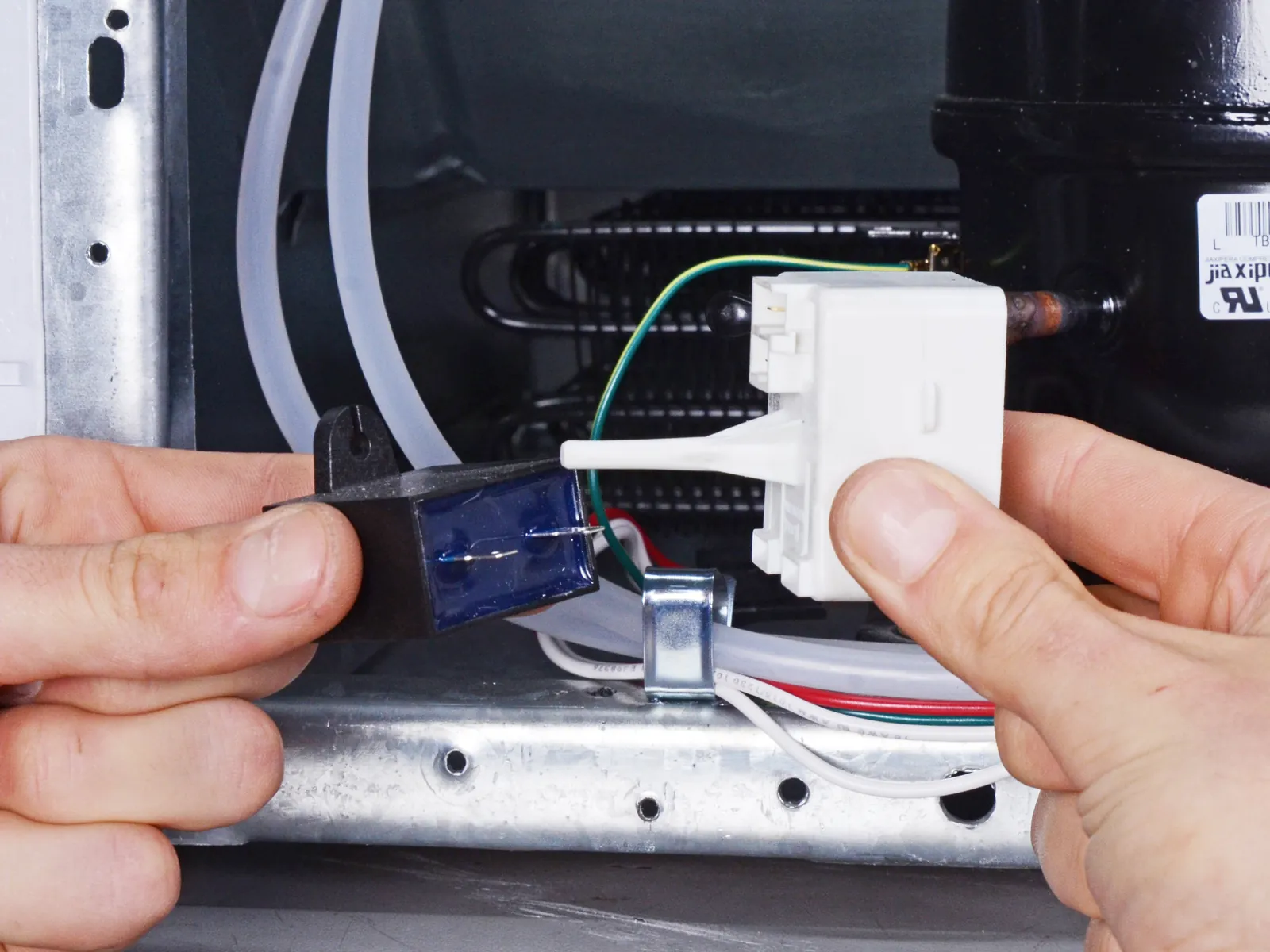
The freezer remains cold because the evaporator coils and the compressor are likely still functioning. Since the freezer is where the cooling actually happens, it’s the last part of the system to succumb to failures.
If the refrigerator is warm, it means the refrigeration cycle is active, but the cold air isn’t being distributed. This differentiates a circulation issue from a sealed system failure, such as a refrigerant leak, which would typically cause both compartments to warm up simultaneously over time.
Frequently Asked Questions
Will a power outage cause this issue?
A power outage typically doesn’t cause this specific failure. However, if the power goes out while the refrigerator is in the middle of a defrost cycle, it might reset the timer or cause minor ice buildup. If your refrigerator stopped cooling immediately after a power surge, the control board may have been damaged. Check your circuit breaker and ensure the display panel is still functioning correctly.
Is it worth repairing the refrigerator?
Repairing a Frigidaire refrigerator is generally cost-effective if the issue is a fan, defrost heater, or damper. These parts typically cost between $30 and $150. If the compressor has failed or there’s a sealed system refrigerant leak, the repair costs often exceed $500. For units older than ten years, weigh the cost of parts against the remaining life of the appliance before committing to a major repair.
Can I fix this myself?
Many of these repairs are suitable for a DIY enthusiast with basic tools like a screwdriver and a multimeter. Replacing a fan motor or a defrost thermostat is straightforward if you have the correct replacement part. However, if you’re uncomfortable working with electrical components or removing the interior panels, it’s safer to contact a professional technician to avoid damaging the unit or risking electrical shock.
How do I know if the compressor is bad?
If the compressor is bad, the freezer will eventually stop cooling as well. You’ll notice the freezer temperature rising, and you won’t hear the hum of the compressor motor running at the back of the unit. If your freezer is still freezing solid but the refrigerator is warm, the compressor is likely fine, and the problem is restricted to the airflow or defrost components.
How long does a manual defrost take?
A proper manual defrost requires a minimum of 24 hours with the doors open. While some ice might melt in a few hours, the ice buildup inside the evaporator housing can be deep and stubborn. Allowing a full day ensures that all internal ice is melted. If you try to speed up the process with a hair dryer, be extremely careful not to melt the plastic liner or damage electrical wires.
Conclusion
If your troubleshooting indicates a faulty component such as a defrost thermostat or fan motor, you should identify your refrigerator’s model number, usually located on a sticker inside the refrigerator wall. Visit the official manufacturer website to locate the specific parts diagram for your model. Once you have the correct part number, you can order the replacement and follow the installation instructions to restore your appliance to full functionality.