
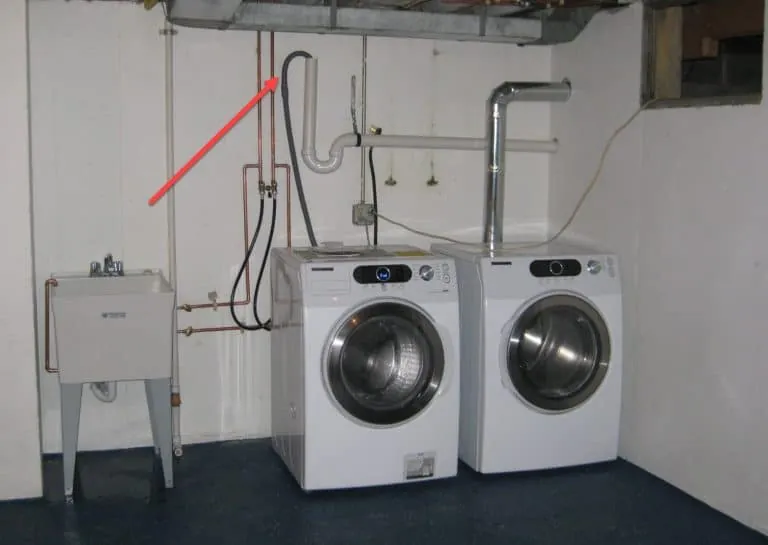
Yes, your washing machine drain hose absolutely needs to be elevated to function correctly, as failing to maintain the proper height can cause significant operational issues. Most manufacturers require the drain hose to reach a specific vertical height—typically between 30 and 96 inches from the floor—before it connects to your standpipe or sink drain. This elevation creates a siphon break and prevents water from siphoning out of the drum prematurely or, conversely, allowing wastewater to flow back into the appliance. If the hose remains flat on the floor or sits too low, your machine may struggle to complete a full cycle, display error codes, or leave clothes soaking in dirty water at the end of the spin cycle.
Key Takeaways
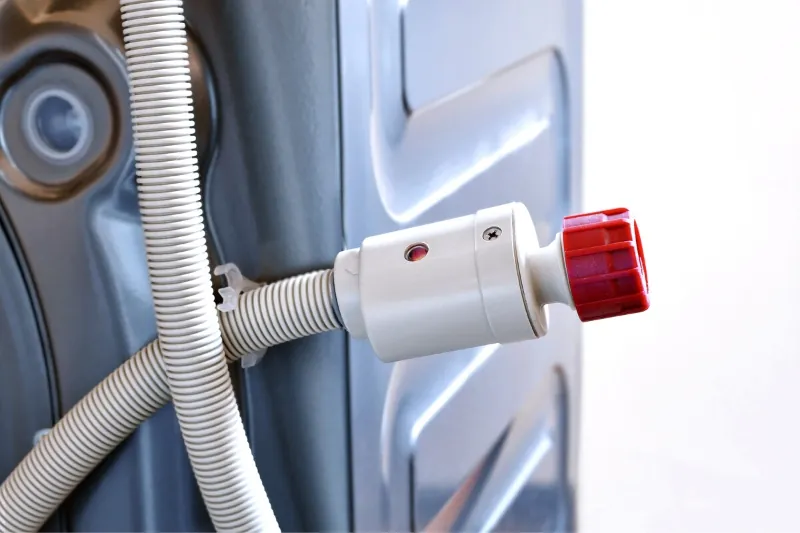
- Maintain a vertical height of 30 to 96 inches for the drain hose to prevent siphoning.
- Secure the hose firmly to a standpipe or utility sink to avoid flooding caused by pressure surges.
- Ensure the hose isn’t airtight inside the standpipe; air must be able to escape to prevent vacuum locks.
- Check for kinks or sharp bends that restrict flow and put extra strain on the drain pump.
- Use a plastic zip tie or a dedicated hose clamp to keep the hose at the correct elevation.
Why Does Washing Machine Drain Hose Need To Be Elevated?
The primary reason for elevating the hose is to manage the hydrostatic pressure and prevent siphoning. When a drain hose lies flat or dips below the water level inside the drum, the machine essentially acts like a gravity-fed siphon. As water enters the tub, it will immediately begin to flow out through the drain hose, causing the machine to waste water and energy while failing to reach the necessary fill level.
Furthermore, elevating the hose creates a “high point” in the plumbing system. This height ensures that the drain pump can push the water out effectively without fighting against a constant backflow. If the hose is too low, the pump may cycle on and off repeatedly, or the machine might trigger a drain error code because it can’t sense that the tub is empty.
By keeping the hose elevated, you provide a clear path for the water to exit while ensuring that the internal water level remains controlled by the machine’s sensors rather than the physics of an open drain.
Understanding Proper Drain Hose Height
Every appliance brand has specific requirements for the installation of the drain hose, which are usually outlined in the manufacturer’s installation instructions. If you install the hose too low, you risk the siphoning issues mentioned above. If you install it too high, you risk overworking the drain pump, which can lead to premature failure of the motor.
Most standard residential washing machines follow a height range between 30 and 96 inches. It’s important to measure from the floor of the laundry room to the highest point of the drain hose loop.
If your standpipe is shorter than 30 inches, you must use a support bracket to loop the hose upward before it enters the pipe. If your standpipe is taller than 96 inches, the pump will likely lack the power to lift the water to that height, leading to standing water in the tub.
| Installation Scenario | Recommended Height Range | Potential Risk |
|---|---|---|
| Standard Standpipe | 30 – 96 inches | Siphoning or pump strain |
| Utility Sink Edge | 30 – 96 inches | Hose slipping / flooding |
| Below Floor Drain | Not applicable | Backflow contamination |
How To Secure Your Drain Hose
Securing the hose is just as important as the height itself. A drain hose filled with water is heavy and can whip around during the high-speed spin cycle. If the hose isn’t anchored, it can easily pop out of a standpipe or fall over the edge of a utility sink, leading to a flooded laundry room.
Use a sturdy plastic bracket or a zip tie to secure the hose to the standpipe. If you’re draining into a utility sink, use a heavy-duty U-shaped plastic guide that clamps onto the sink edge. This ensures the hose stays in place regardless of the vibration caused by the machine.
Ensure that the hose isn’t pulled so tight that it prevents the machine from moving slightly during its natural vibration cycle, as this could cause the connections to loosen or the hose to tear.
Dealing With Air Gaps And Vents
A common mistake is creating an airtight seal between the drain hose and the standpipe. You might be tempted to use duct tape or a rubber gasket to make the connection perfectly snug, but this is a mistake. The drain system needs to be able to breathe. If the hose is sealed too tightly, it creates a vacuum effect that can pull water out of the drum or cause the pump to cavitate.
Warning: Never force the drain hose into the standpipe so deeply that it creates an airtight seal, as this can cause the machine to malfunction or damage the pump.
Leave an air gap around the hose where it enters the standpipe. This allows the drain system to vent properly and ensures that the water flows out through the drain line rather than backing up into the machine. If you notice a foul smell in your laundry room, it’s likely that the P-trap in your plumbing is dry or blocked, not that the washer hose connection itself is faulty.
Common Signs Of Improper Elevation
If you’re unsure whether your current setup is correct, watch for these common indicators during a standard wash cycle. If you notice any of these, you likely need to adjust your hose height:
- Continuous Filling: The machine continues to add water throughout the wash cycle because it’s constantly siphoning it out.
- Excessive Pump Noise: The drain pump sounds strained or makes a high-pitched whining noise.
- Persistent Error Codes: The machine stops mid-cycle with a “DE,” “ND,” or “Drain Error” message on the display.
- Wet Clothes: The spin cycle finishes, but the clothes are still dripping wet, or there’s standing water at the bottom of the drum.
- Slow Draining: The water takes significantly longer to clear than it did when the machine was new.
Troubleshooting Your Drain System
If your machine is failing to drain, check the hose before calling a professional. Often, the issue isn’t the pump itself but a simple restriction or a misaligned hose loop. Start by checking for kinks. Over time, plastic hoses can become brittle and crimp if the machine has been pushed too close to the wall.
Ensure that the hose isn’t inserted more than 6 inches into the standpipe. If the hose is shoved too far into the drain, it can cause the water to back up or create a siphon effect.
If you have confirmed that the height is correct and there are no kinks, inspect the drain pump filter. Many modern machines have a debris trap located at the front bottom of the unit. Small items like coins, hairpins, or buttons can easily get stuck there, creating a blockage that mimics a height-related drainage problem.
Comparing Drainage Methods
Depending on your home layout, you may have different options for where the water goes. Each method requires slightly different management of the hose height.
| Drainage Method | Height Requirement | Ease of Access |
|---|---|---|
| Wall Standpipe | 30 – 96 inches | High |
| Utility Sink | 30 – 96 inches | High |
| Floor Drain | N/A (Not recommended) | Low |
For the wall standpipe, the focus should be on the vertical loop. For the utility sink, the focus is on securing the hose so it doesn’t fall out during the spin cycle. Avoid using floor drains unless the manufacturer specifically approves it for your model, as this often violates local building codes regarding cross-contamination of gray water.
Can I Use An Extension Hose?
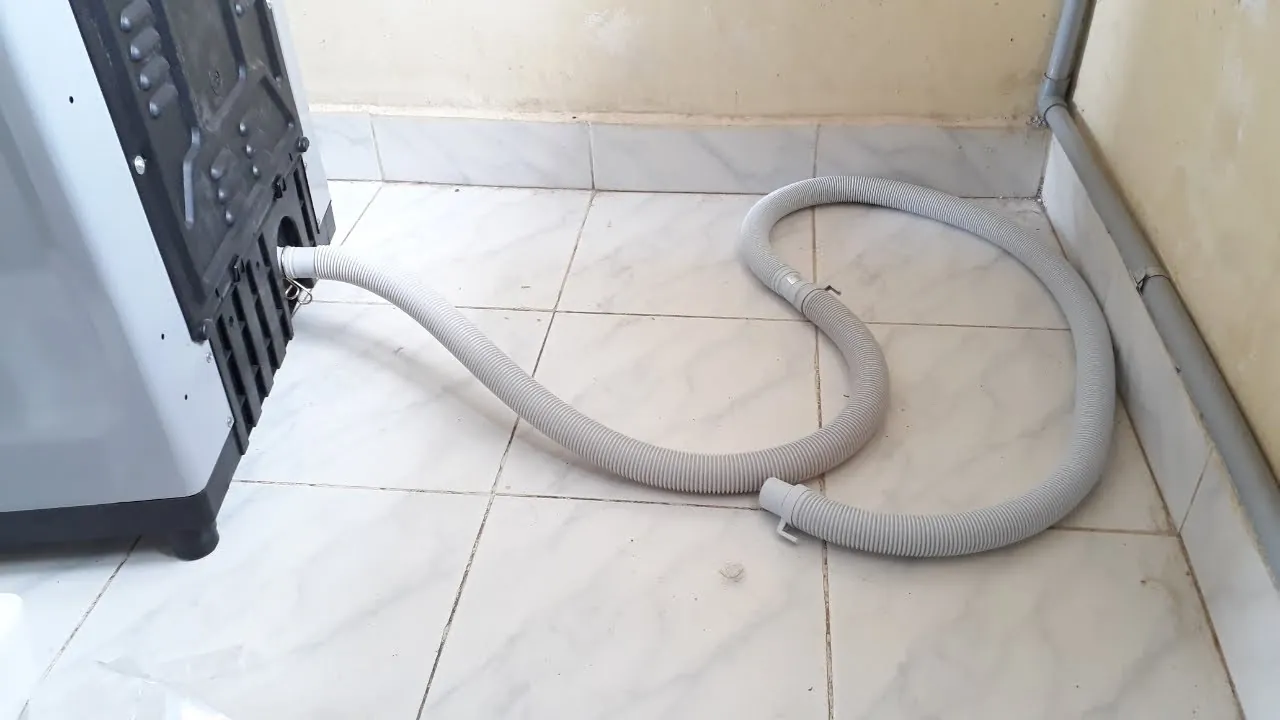
If your drain hose is too short, you might consider adding an extension. While this is possible, it’s generally discouraged unless absolutely necessary. Every extra foot of hose adds resistance to the pump. If you must use an extension, ensure it’s the same diameter as the original hose and that you use a proper connector kit rather than just duct tape.
Keep in mind that the total length of the hose shouldn’t exceed the manufacturer’s maximum specifications. Extending the hose also increases the risk of clogs, as there’s more surface area for lint and soap scum to accumulate. If you extend the hose, you must be even more diligent about maintaining the required vertical elevation, as the added weight of the water in a longer hose can make siphoning much worse.
Checking The Pump Filter Regularly
Even with a perfectly elevated hose, your drainage system will fail if the pump filter is clogged. The filter is designed to catch debris that makes it past the drum’s internal holes. If this filter becomes blocked, the pump can’t push water through the hose, regardless of how well you have positioned it.
Pro Tip: Place a shallow tray or several old towels under the front of your washing machine before opening the pump filter, as a significant amount of water will spill out when you remove the plug.
Most manufacturers recommend cleaning this filter every three to six months, or more often if you wash items that shed a lot of lint or pet hair. A clean filter ensures that the pump operates at full capacity, allowing it to easily overcome the head pressure created by your elevated drain hose.
Related guides
- Amana Washing Machine Troubleshooting: Fix Common Cycle Errors in 2026
- Milnor Washing Machine Troubleshooting: Fixes for Common Issues in 2026
Frequently Asked Questions
Does the drain hose need to be at the same height as the drum?
No, the drain hose doesn’t need to match the height of the drum. It simply needs to reach the minimum height specified by the manufacturer, which is usually at least 30 inches from the floor, to prevent water from siphoning out during the fill cycle. Always refer to your user manual, as different models have slightly different requirements for their specific pump capabilities.
Can I run the drain hose into a nearby bathtub?
While you can technically drain into a bathtub, it’s generally not recommended for long-term use. The hose is difficult to secure properly, and the high-speed spin cycle can cause it to whip around and damage the tub surface. Furthermore, the soap scum and lint from your laundry can quickly clog the tub’s drain, leading to messy plumbing issues that are harder to fix than a standard standpipe.
What happens if the drain hose is too high?
If the hose is positioned higher than the maximum height recommended by the manufacturer (usually 96 inches), the drain pump won’t have enough power to push the water up that distance. This will result in water remaining in the tub at the end of the cycle, and your washing machine will likely display an error code indicating that the water isn’t draining properly.
Does the drain hose diameter matter?
Yes, the diameter of the hose is critical. You should always use the hose provided by the manufacturer or a genuine replacement part designed for your specific machine model. Using a hose with a smaller diameter can restrict water flow and strain the pump, while a hose that’s too large may not create a proper seal at the connection point, leading to leaks and poor drainage performance.
How do I know if my washer is siphoning?
If your washing machine seems to take an unusually long time to fill, or if the water level in the drum drops while the machine is off, it’s likely siphoning. This happens when the drain hose is positioned too low, allowing gravity to pull water out of the drum. Ensure your hose has a high-point loop at least 30 inches off the floor to stop this process.
Conclusion
Ensuring your washing machine drain hose is properly elevated and secured is a simple task that prevents major headaches, including water damage and mechanical failure. Take a moment to measure your current setup today and adjust the height if it falls outside the recommended 30 to 96-inch range.
If you find your hose is too low, purchase a universal mounting bracket or use a zip tie to create the necessary loop, then test the machine on a short cycle to confirm that it drains efficiently and stays in place.