
If you have recently noticed that your dryer is overheating, you’re likely dealing with a significant fire hazard that requires immediate attention. When a dryer runs excessively hot, it often indicates that the airflow is restricted, forcing the heating elements to work harder and longer to compensate for trapped moisture. Ignoring these symptoms can lead to damaged clothing, ruined internal components, or even a house fire. Addressing this issue promptly is essential for the longevity of your appliance and the safety of your home.
Key Takeaways
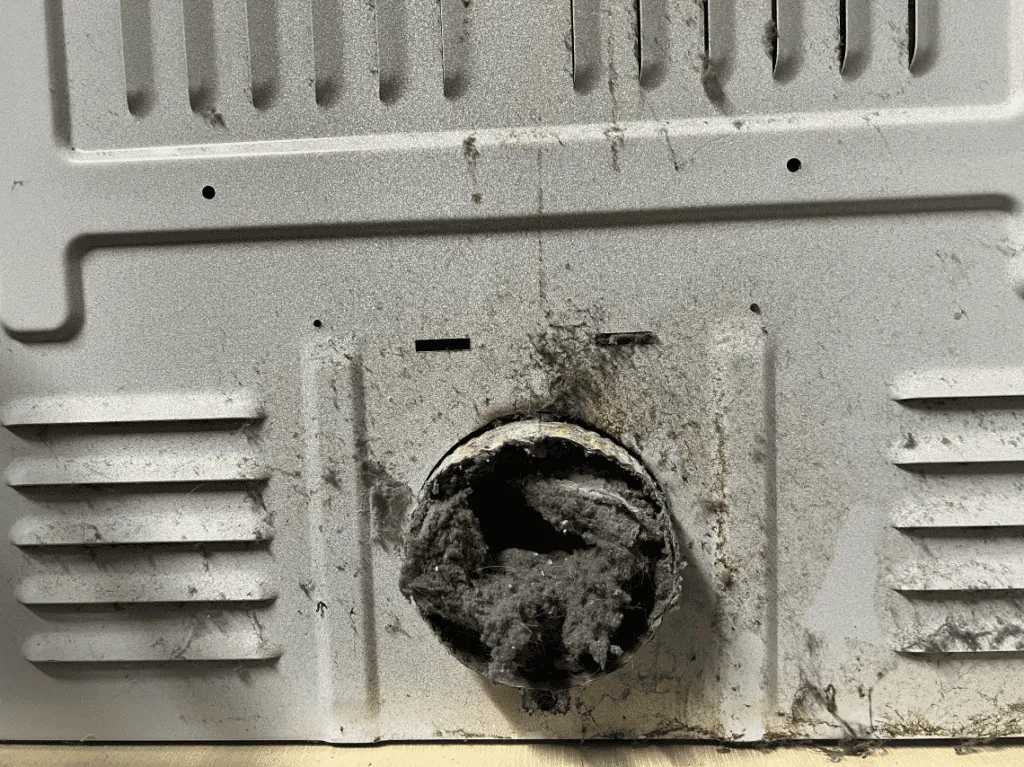
- Check your exterior dryer vent hood for obstructions like lint, bird nests, or debris.
- Clean the lint filter after every single load to ensure consistent airflow through the machine.
- Inspect the flexible transition duct behind the dryer for kinks, crushing, or excessive length.
- Disconnect the power supply before attempting any internal repairs or inspections of the heating system.
- Schedule a professional cleaning of your entire vent system at least once every twelve months.
Why Is Your Dryer Overheating?
An overheating dryer is almost always a symptom of a restricted airflow path. Modern dryers are designed with safety thermostats that cycle the heat on and off to maintain a specific temperature range; if the air can’t escape, the heat builds up rapidly.
Common causes include a clogged lint screen, a blocked vent hose, or a malfunctioning cycling thermostat. If the dryer continues to run for hours without drying clothes, the issue is almost certainly related to the ventilation system rather than the heating element itself.
| Component | Role in Heat Regulation | Impact of Failure |
|---|---|---|
| Lint Filter | Traps debris from garments | Airflow blockage leads to heat buildup |
| Vent Hose | Transports exhaust outside | Kinks cause backpressure and overheating |
| Cycling Thermostat | Regulates internal temperature | Continuous heating without shutoff cycles |
| Thermal Fuse | Safety circuit breaker | Permanent shutdown when heat is extreme |
Inspecting the Lint Screen System
The lint screen is the first line of defense in your dryer’s airflow management. If this screen is coated in a film of laundry detergent or fabric softener residue, it may look clean but actually be blocked at a microscopic level.
To test this, pour a small amount of water through the mesh; if the water beads up or sits on top rather than passing through, the screen needs a deep cleaning. Scrub the mesh gently with a soft brush and warm, soapy water, then let it dry completely before re-inserting it into the dryer housing.
Clearing the Exhaust Vent Hose
The flexible duct connecting your dryer to the wall is the most common culprit for overheating. Over time, lint accumulates in the ridges of these hoses, creating a dense blockage. If the hose is crushed behind the dryer, it restricts the volume of air that can be exhausted.
Ensure the hose is as short as possible and as straight as possible. If you’re using a plastic or foil-type accordion duct, consider replacing it with a rigid or semi-rigid metal duct, as these are less prone to lint buildup and are significantly safer according to the United States Consumer Product Safety Commission dryer safety guidelines.
Why Is the Vent So Important?
Your dryer relies on a constant flow of fresh air to carry moisture away from the wet laundry. When the vent is blocked, the moist air stays inside the drum, and the dryer sensors may report that the clothes are still damp. This forces the control board to keep the heating element engaged for the entire duration of the cycle. This continuous heating cycle is the primary reason for the excessive heat accumulation that damages internal parts.
Testing the Cycling Thermostat
The cycling thermostat acts like the thermostat in your home, turning the heat on when the air is cool and off when it reaches the target temperature. If this component fails in the closed position, the heating element will run indefinitely, leading to an overheated drum.
You can test this using a multimeter set to the continuity or resistance setting. If the thermostat shows no continuity while at room temperature, or if it fails to click when adjusted, it’s likely faulty and must be replaced with an OEM part.
Symptoms of Thermostat Failure
- Clothes come out extremely hot to the touch.
- The dryer continues to heat even when the timer is near the end.
- The high-limit thermostat trips repeatedly, causing the dryer to stop mid-cycle.
- The heating element glows visibly through the front or rear panels.
Assessing the Heating Element
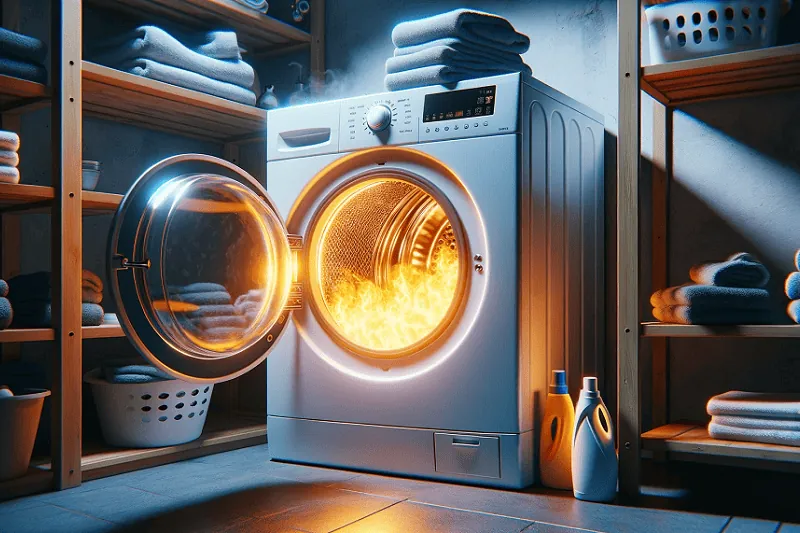
The heating element is a coil of wire that warms the air inside the dryer. While it’s rare for an element to “overheat” on its own, it can short out against the dryer cabinet.
If the element housing is damaged, the coils may touch the metal frame, causing the dryer to remain on regardless of the thermostat signals. Always ensure the dryer is unplugged before inspecting the heating element, as these coils remain dangerous even after the power is cut due to residual heat.
Managing Your Dryer Maintenance Schedule
Regular maintenance is the most effective way to prevent future overheating issues. By tracking your maintenance, you reduce the risk of fire and extend the lifespan of your appliance. A proactive approach involves checking the external exhaust hood during every laundry day to ensure the flaps open freely when the dryer is running.
| Maintenance Task | Frequency | Action Required |
|---|---|---|
| Clean Lint Trap | Every Load | Remove all visible lint |
| Vacuum Vent Hose | Every 3 Months | Remove internal dust and lint |
| Inspect Exterior Vent | Monthly | Ensure flaps move freely |
| Professional Duct Cleaning | Annually | Deep clean from dryer to outside wall |
Can You Repair It Yourself?
Many dryer repairs are well within the capabilities of a handy homeowner, provided you have the right tools and patience. Basic repairs like replacing a thermal fuse or cleaning a vent hose require only a screwdriver and a vacuum with a hose attachment.
However, if the issue involves the electrical control board or complex wiring, you may want to consult a professional. Always verify that you’re using parts compatible with your specific model number, which is typically located on a sticker inside the door frame.
Pro Tip: Use a specialized dryer vent cleaning brush kit to scrub the interior of your wall ducts; these kits feature long, flexible rods that can reach deep into the ventilation system to dislodge stubborn clogs that a vacuum can’t reach.
Troubleshooting the Thermal Fuse
The thermal fuse is a critical safety device designed to blow if the dryer exceeds a maximum temperature threshold. If your dryer has stopped heating entirely, the thermal fuse may have already triggered. In many cases, the fuse blows because the airflow was already restricted. Simply replacing the fuse without clearing the vent will result in the new fuse blowing within a few loads. Always treat the fuse as a warning sign rather than the root cause of the problem.
Replacing the Internal Blower Wheel
The blower wheel is responsible for pushing the hot, moist air out of the dryer and through the vent hose. If the blades of the blower wheel are clogged with lint or if the wheel itself is cracked, the air won’t move efficiently.
A restricted blower wheel will cause the dryer to overheat because the heat is trapped in the drum. Check the wheel for debris and ensure it’s securely attached to the motor shaft, as a loose wheel will significantly reduce airflow performance.
Checking the Drum Seals
The drum seals are felt or rubber strips that prevent air from leaking out of the dryer drum. Over time, these seals can wear down, allowing air to bypass the intended airflow path.
While worn seals are more likely to cause longer drying times than immediate overheating, they do contribute to poor system efficiency. Inspect the front and rear seals for gaps or fraying; if the drum feels loose or wobbly when you push on it, the seals may need to be replaced.
Related guides
- 5 Best Fire Pit for Large Backyard Options for Your Home in 2026
- 5 Best Fire Pits for Small Patios: Our Top Picks Reviewed in 2026
- Bendix AD-IS Air Dryer Troubleshooting: Fix Moisture and Leaks in 2026
Frequently Asked Questions
Is it safe to use a dryer that’s overheating?
No, it isn’t safe. An overheating dryer is a major fire hazard. The heat can melt internal plastic components, damage the drum seals, and ignite lint trapped in the vent system. If your dryer feels hotter than usual or the metal cabinet is hot to the touch, stop using it immediately and disconnect the power until you have identified and resolved the cause of the restriction.
How do I know if my vent is clogged?
A clogged vent is often indicated by clothes that remain damp at the end of a cycle, a dryer that’s hot to the touch, or a long drying time. You can also check the exterior vent hood while the dryer is running; if you don’t feel a strong, consistent flow of air, the vent is likely blocked by lint or other debris.
Why does my dryer smell like burning?
A burning smell usually indicates that lint has come into contact with the heating element or that there’s a build-up of dust within the motor housing. It can also signify that an electrical component is melting due to excessive heat. If you smell burning, turn off the dryer, unplug it, and inspect the heating element and lint path for any charred materials or blockages.
How often should I clean my dryer vents?
You should clean your lint filter after every single load of laundry. For the exhaust vent hose and the ductwork leading to the outside of your home, a thorough cleaning is recommended at least once every twelve months. If you do many loads of laundry per week or have a long, complex duct run, you may need to perform this maintenance more frequently to ensure safety.
What is the average lifespan of a dryer?
Most modern dryers are designed to last between ten and thirteen years with proper maintenance. Factors that influence this include the frequency of use, the quality of the installation, and how well you keep the ventilation system clear of lint. Regular cleaning of the vent system is the single most effective way to reach or exceed the upper end of this lifespan estimate.
Conclusion
If your dryer continues to overheat after you have thoroughly cleaned the lint filter, checked the vent hose for kinks, and verified that the exterior vent hood is opening properly, it’s time to call a qualified appliance technician. A professional can use specialized diagnostic tools to check the internal heating circuit and ensure that your home ventilation system is functioning within safe operating parameters.