
Dealing with a cooling appliance that fails to perform can be stressful, especially when your food supply is at risk, but many frigidaire upright freezer problems are manageable with basic diagnostic steps. Whether your unit is failing to freeze, making strange noises, or accumulating excessive ice, understanding the mechanics of your appliance is the first step toward a cost-effective resolution. By systematically inspecting the power supply, door seals, and internal components, you can often identify the root cause before calling a professional.
Key Takeaways
- Check the power cord and circuit breaker before assuming the compressor has failed.
- Inspect the door gasket for gaps or cracks to ensure the unit maintains a tight seal.
- Clear away frost buildup manually or check the defrost timer if ice is accumulating.
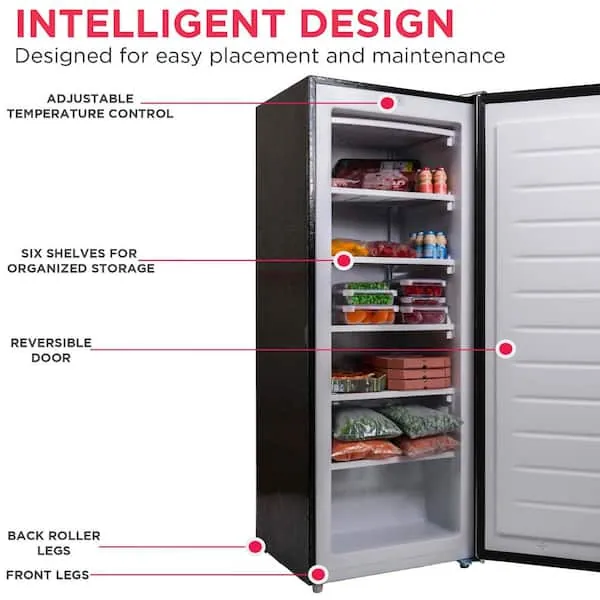
- Ensure the freezer has at least three inches of clearance on all sides for airflow.
- Clean the condenser coils twice a year to prevent the compressor from overheating.
How to Troubleshoot Frigidaire Upright Freezer Problems
When your appliance stops working, the first step is to verify the power source. Ensure the plug is firmly seated in the outlet and check your home’s electrical panel for a tripped breaker. If the interior light fails to turn on when you open the door, it’s a strong indicator that the unit isn’t receiving electricity. If the light is on but the unit isn’t cooling, the issue likely resides within the temperature control system or the compressor circuit.
Common Diagnostic Steps
| Step | Component to Inspect | Goal |
|---|---|---|
| 1 | Power Cord | Verify connection and voltage |
| 2 | Door Gasket | Check for air leaks or tears |
| 3 | Condenser Coils | Remove dust and debris |
| 4 | Temperature Dial | Confirm setting is appropriate |
| 5 | Evaporator Fan | Listen for obstruction or failure |
Is the Freezer Not Cooling Properly?
If the unit remains powered but the temperature is rising, the temperature control may be set too high or the thermostat could be faulty. Many Frigidaire models have a dial inside the unit that can be bumped accidentally.
Set the dial to a colder position and wait 24 hours to see if the internal temperature drops. If the compressor is running constantly but the unit stays warm, the issue might be a refrigerant leak, which requires a certified technician to repair according to Environmental Protection Agency guidance on safe appliance disposal.
Why Is Frost Building Up Inside?
Excessive frost or ice buildup is usually a sign that humid air is entering the cabinet. The most common culprit is a damaged or dirty door gasket. Over time, the magnetic strip loses its strength or the rubber becomes brittle, allowing warm, moist air to enter and condense on the interior walls.
Clean the gasket with warm water and mild soap, then check for gaps by closing the door on a piece of paper; if you can pull the paper out easily, the seal is compromised and needs replacement.
Does Your Freezer Make Loud Noises?
Unusual sounds often point to mechanical obstructions or failing motors. A rattling sound might suggest that the freezer isn’t level on the floor, causing the frame to vibrate. If you hear a grinding or screeching noise, the evaporator fan or the condenser fan may be failing. These fans circulate air to maintain consistent temperatures. If the fan blades are hitting ice buildup, you may need to defrost the unit completely and inspect the fan assembly for debris or damage.
How Do You Clean Condenser Coils?
The condenser coils are responsible for releasing heat from the interior of the freezer into the surrounding air. When these coils are covered in dust, pet hair, or lint, the appliance must work harder to maintain the desired temperature. This inefficiency leads to increased energy consumption and potential compressor failure.
Use a vacuum with a soft brush attachment to remove debris from the coils at least every six months. Always disconnect the power before starting this maintenance task to ensure your safety.
What Causes Compressor Failure Issues?
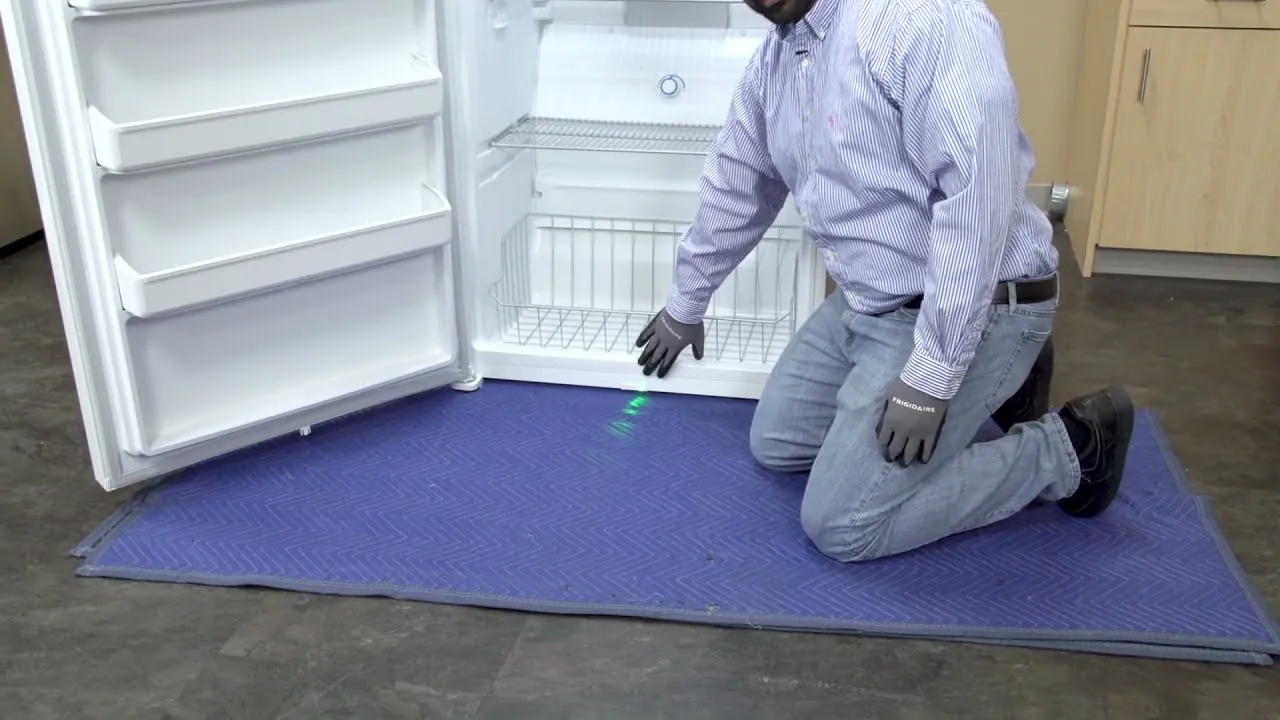
The compressor is the heart of the refrigeration system. If it fails to turn on, the freezer will stop cooling entirely. Listen for a clicking sound, which may indicate that the start relay is malfunctioning. The start relay is a small electrical component that helps the compressor kick into gear. If the relay is faulty, the compressor will try to start, fail, and then click. Replacing this part is often a straightforward task for those comfortable with basic electrical repairs.
Understanding Temperature Control Problems
The thermostat acts as the brain of your freezer, telling the compressor when to run and when to shut off. If the thermostat is broken, it may never signal the compressor to run, or it may keep it running indefinitely, leading to frozen-solid food or a freezer that never reaches the proper temperature.
You can test the thermostat for continuity using a multimeter if you have the technical skill, but many owners prefer to replace the part if the freezer is clearly failing to maintain a steady climate.
Are There Door Gasket Issues?
A compromised gasket is one of the most frequent sources of temperature instability. Beyond the paper test, inspect the corners of the gasket for signs of mold or permanent deformation.
If the seal is warped, you can sometimes soften the rubber using a hair dryer on a low setting and then holding the door shut with tape for several hours to reshape it. If the material is cracked or torn, however, the only reliable solution is to install a new, model-specific gasket.
Warning Signs of Defrost Failures
Modern freezers use a defrost system to prevent ice from coating the evaporator coils. If this system fails, ice will accumulate on the back wall of the freezer, blocking airflow and preventing the unit from cooling. This is often caused by a faulty defrost timer, a blown thermal fuse, or a damaged heating element. If you notice a thick layer of ice forming behind the interior panels, the defrost cycle is likely not engaging.
Checking the Evaporator Fan Motor
The evaporator fan is located behind the back panel of the freezer. Its job is to pull air over the cooling coils and push it into the storage area. If this fan stops, the cold air will remain trapped near the coils, causing the freezer to warm up.
If you notice that the freezer is warm but you can’t hear the fan running when the door is closed, the motor may have burned out. This part is generally inexpensive and accessible for replacement.
Maintenance and Care for Longevity
Regular care prevents many Frigidaire upright freezer problems before they start. Keep the interior organized to allow for proper air circulation, and never overfill the unit, as this blocks the vents. Consistent cleaning of the door seals and condenser coils will extend the life of your appliance by several years. Keeping the freezer in a cool, dry environment, such as a climate-controlled garage or basement, also reduces the workload on the compressor.
Troubleshooting Table for Quick Reference
| Symptom | Potential Cause | Recommended Action |
|---|---|---|
| No power/light | Tripped breaker | Reset breaker/check cord |
| High temperature | Warm air leak | Replace door gasket |
| Loud clicking | Start relay | Test and replace relay |
| Frost buildup | Defrost system | Check defrost timer/fuse |
| Excessive noise | Fan obstruction | Clean or replace fan |
Related guides
Frequently Asked Questions
Why is my freezer running constantly?
If your freezer runs without stopping, it’s likely trying to compensate for a temperature loss. Check the door gasket for gaps that allow cold air to escape. Additionally, ensure the condenser coils are clean, as dirty coils prevent the unit from shedding heat effectively. If the unit remains cold but never cycles off, the thermostat may be faulty and unable to detect the internal temperature accurately.
How do I reset my Frigidaire freezer?
Most upright freezers don’t have a dedicated reset button. To perform a hard reset, unplug the unit from the wall outlet and wait at least ten minutes. This allows the electrical components to discharge and the compressor to stabilize. After reconnecting the power, observe the freezer for 24 hours to see if the cooling cycle returns to normal operation.
Is it worth repairing an older freezer?
Repairing an older freezer is typically worth the cost if the fix involves minor parts like a thermostat, start relay, or door gasket. These repairs often cost between $50 and $250. However, if the compressor itself has failed or there’s a refrigerant leak, the repair costs often exceed $400 to $600. In such cases, purchasing a new, more energy-efficient unit is usually the more economical long-term choice.
Should I defrost my freezer manually?
If your model is a frost-free freezer, you shouldn’t need to defrost it manually. If ice is forming, the auto-defrost system is likely broken. However, if you have a manual-defrost model, you should defrost it whenever the ice buildup reaches one-quarter inch in thickness. Manual defrosting helps maintain efficiency and ensures that the freezer has enough room for your food items.
Why does my freezer smell bad?
Odors usually stem from spoiled food or trapped moisture. Start by removing all contents and cleaning the interior with a solution of baking soda and water. If the smell persists, check the drip pan located at the bottom of the unit, as stagnant water there can harbor bacteria. Keeping an open box of baking soda inside the freezer can help absorb lingering odors and keep the air fresh.
Conclusion
Regular maintenance is the most effective way to ensure your appliance serves your household reliably for many years. By keeping the condenser coils clean, inspecting the seals for integrity, and listening for changes in mechanical operation, you can avoid the frustration of a sudden breakdown. If you encounter issues that persist after these basic checks, contact a qualified technician to assess the internal cooling system.