
If you have recently noticed your garbage disposal smoking, you’re likely dealing with an urgent mechanical or electrical failure that requires immediate attention. When a kitchen appliance begins to emit acrid odors or visible wisps of gray or black vapor, it’s signaling that internal components are overheating, burning, or experiencing a critical short circuit. Understanding why this happens is essential to preventing a potential kitchen fire or permanent damage to your plumbing system. Whether you’re dealing with a simple jam or a fried motor, knowing how to safely diagnose the issue can save you from unnecessary repair bills or the cost of a full unit replacement.
Key Takeaways
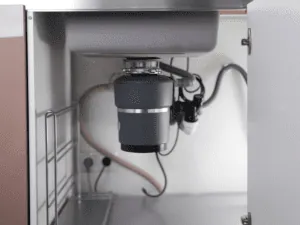
- Turn off the power immediately at the circuit breaker to prevent electrical fires or shock.
- Never reach inside the drain with your hands, even if the unit is unplugged, to avoid accidental injuries from sharp blades.
- Check for obstructions like metal utensils, bones, or dense fibrous food waste that often cause motor strain.
- Look for signs of leaks under the sink, as water contact with electrical wiring is a common cause of smoking.
- Assess the motor age and condition, as units over ten years old often suffer from worn-out internal seals and electrical windings.
Why Is My Disposal Smoking?
The primary reason for a smoking unit is usually an overloaded or seized motor. When the grinding plate can’t spin because of a physical obstruction, the motor continues to pull electricity, generating intense heat. This heat quickly melts the plastic insulation on the internal wiring, producing the characteristic acrid smell of burning plastic.
In some cases, the motor windings themselves begin to burn. Another common cause is a seized bearing or a broken seal that allows water to drip directly onto the electrical housing. Once moisture enters the electrical compartment, it creates a short circuit, which can cause sparking and smoke.
Immediate Safety Procedures
If you see smoke, your first priority is safety. Don’t attempt to run the unit again to “see if it clears up.” Follow these steps to secure the area:
- Cut the Power: Locate your home’s electrical service panel and flip the breaker dedicated to the garbage disposal to the “Off” position.
- Unplug the Appliance: If your unit is plugged into an outlet beneath the sink rather than hardwired, pull the plug from the socket.
- Ventilate the Room: Open windows and doors to clear the air of potentially toxic fumes from melting wire insulation.
- Inspect for Water: Use a flashlight to check for moisture around the base of the unit or the electrical connections.
Troubleshooting Common Mechanical Obstructions
Many instances of smoking are caused by simple blockages that prevent the flywheel from rotating. If you suspect an object is stuck, you must use a tool rather than your hands.
| Obstruction Type | Typical Difficulty | Removal Method |
|---|---|---|
| Fibrous Vegetables | Moderate | Use needle-nose pliers |
| Metal Utensils | High | Hex key (Allen wrench) |
| Hard Food Waste | Low | Reset button and water |
| Mineral Buildup | Moderate | Specialized disposal cleaner |
Warning: Always use the manufacturer-provided hex key or a standard Allen wrench inserted into the center hole at the bottom of the disposal unit to manually rotate the flywheel. If the flywheel doesn’t turn with moderate pressure, don’t force it, as you may snap the internal drive shaft.
Is the Motor Burnt Out?
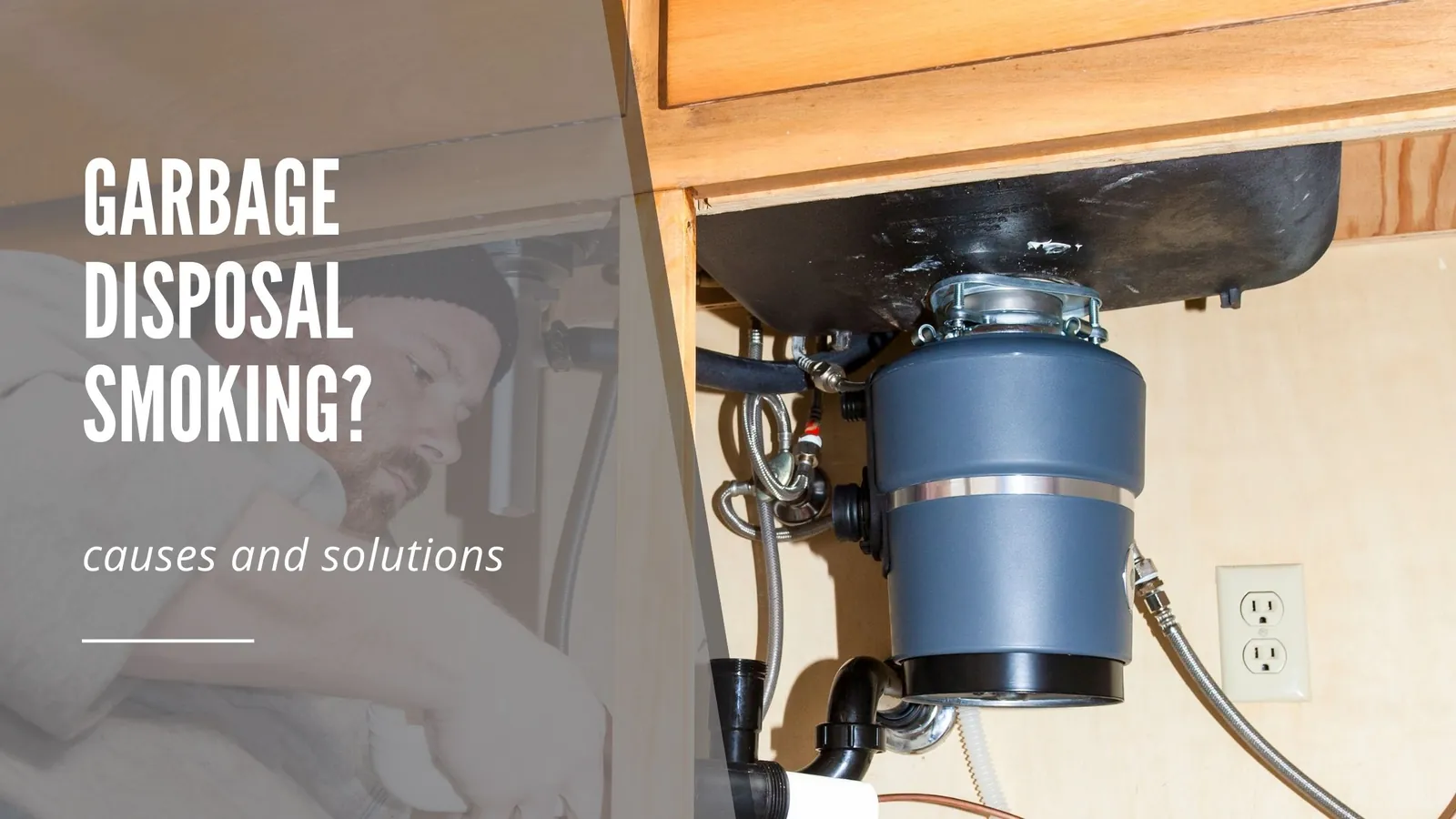
A burnt-out motor is often indicated by a distinct, pungent smell of ozone or scorched copper. If you have cleared all obstructions and the unit still refuses to hum or turn when the power is restored, the internal windings have likely suffered irreparable damage.
You can verify this by checking the reset button on the bottom of the unit. If the button pops out immediately after you press it back in, the internal thermal protection has tripped due to a permanent electrical fault. At this stage, the motor is typically beyond economical repair, and replacement is the most logical course of action.
When Should You Call a Plumber?
While minor jams are manageable for many homeowners, certain situations require professional expertise. If you smell smoke but can’t find any physical blockage, the issue is internal. Electrical work, especially involving units hardwired into the home’s electrical system, should be handled by a licensed professional to meet the National Electrical Code safety standards.
Furthermore, if the smoke is accompanied by leaking water from the center of the unit, the internal seals have failed. Replacing these seals is rarely worth the labor cost compared to installing a new, more efficient garbage disposal.
Comparing Disposal Repair and Replacement
Deciding whether to fix or replace a unit depends on the age and the severity of the damage.
| Feature | Repairing the Unit | Replacing the Unit |
|---|---|---|
| Typical Cost Range | $75 – $200 | $150 – $500 |
| Expected Lifespan | 1 – 3 years | 8 – 12 years |
| Labor Intensity | Moderate | High |
| Recommended If | Minor jam or seal leak | Motor failure or casing cracks |
Preventing Future Smoking Incidents
To keep your disposal running smoothly and avoid future overheating, follow these operational best practices:
- Use Cold Water: Always run a steady stream of cold water while the disposal is grinding. Cold water keeps the motor cool and helps solidify grease, which the blades can then chop up easily.
- Avoid Fibrous Foods: Don’t put celery, corn husks, or onion skins into the disposal. These fibers wrap around the impellers and cause the motor to strain.
- Cut Large Pieces: Chop large food scraps into smaller pieces before dropping them into the drain.
- Run Regularly: Even if you don’t have much waste, run the disposal once a week to prevent the internal bearings from rusting or seizing due to inactivity.
How to Check for Electrical Shorts
An electrical short is a dangerous condition that can cause smoke even if the unit isn’t jammed. Inspect the wiring coming into the unit from the wall. If you see charred insulation, exposed copper wires, or evidence of arcing (black scorch marks on the housing), the unit is unsafe to operate.
Pro Tip: If the smoke originated from the wall switch rather than the disposal unit itself, the switch has likely failed and requires a replacement, which is a common electrical maintenance task.
Proper Maintenance Schedules
Consistent maintenance prevents the buildup of debris that leads to overheating.
| Maintenance Task | Frequency | Purpose |
|---|---|---|
| Ice Cube Grinding | Monthly | Cleans and sharpens blades |
| Baking Soda Flush | Monthly | Removes odors and buildup |
| Tightening Mounts | Bi-annually | Prevents vibration and leaks |
| Checking Wiring | Annually | Ensures electrical safety |
Related guides
Frequently Asked Questions
Can I still use the sink if the disposal is smoking?
No, you should stop using the sink immediately. If the disposal is smoking, there’s a high probability of an electrical fault or a serious obstruction. Allowing water to drain into a unit that has a short circuit or a damaged motor casing poses a significant risk of electrical shock or further damage to your home’s plumbing and electrical systems.
Will the smoke go away on its own?
Smoke from a garbage disposal is a sign of a physical or electrical failure, not a temporary condition. It won’t dissipate or resolve itself through further operation. In fact, continuing to run a smoking motor can lead to a fire behind your cabinets or cause the motor to explode or seize completely, which makes removing the unit significantly more difficult.
Is it cheaper to repair or replace?
For most residential garbage disposals, replacing the unit is more cost-effective. Repair costs for professional labor and parts often exceed the price of a mid-range replacement unit. Unless your disposal is a high-end, commercial-grade model that’s only a few years old, the investment in a new unit provides a fresh warranty and superior performance, usually within the $150 to $500 range.
How do I know if the motor is dead?
A dead motor typically produces no sound at all when the switch is flipped, or it may emit a faint, low-pitched hum followed by a click as the thermal overload protector trips. If the motor is hot to the touch and the reset button repeatedly pops out, the internal windings are likely shorted or burnt, indicating the motor has reached the end of its life.
What should I do if the unit is smoking but there’s no jam?
If there’s no physical blockage, the smoke is likely caused by an internal electrical short or a failed bearing. You should turn off the power at the breaker box immediately. Don’t attempt to bypass the safety features. At this point, the unit has suffered an internal mechanical or electrical failure that requires either a professional technician or a complete unit replacement for safety.
Conclusion
Once you have safely disconnected the power and confirmed that the smoke was caused by an internal failure or a persistent jam, the most reliable next step is to contact a licensed plumber or a qualified appliance technician to remove the damaged unit and install a new, functioning garbage disposal that fits your existing sink flange and plumbing configuration.