
Most of the time, maytag fridge problems originate from simple issues like blocked airflow or dirty condenser coils, which you can often resolve without calling a professional. In a small number of cases, these malfunctions point to failing components like a start relay or a faulty control board. You can quickly confirm the cause by listening for unusual noises, checking if the interior lights turn on, or inspecting the temperature display for error codes. If the fridge isn’t cooling, check the thermostat settings and clear any items blocking the vents.
Common Maytag Fridge Issues
| Cause | How common | How to confirm it | Fix it yourself? |
|---|---|---|---|
| Dirty condenser coils | Very common | Coils covered in dust | Yes |
| Blocked air vents | Common | Items blocking cold air | Yes |
| Defective start relay | Occasional | Clicking sound from back | Yes with care |
| Failing door seal | Occasional | Paper test fails | Yes |
| Faulty control board | Rare | Random error codes | No |
| Sealed system leak | Rare | Ice buildup or warm | No |
If your fridge runs constantly but fails to cool, inspect the condenser coils first. Dust buildup acts as an insulator, forcing the compressor to work double-time. You should vacuum these coils based on usage and the owner’s manual to prevent premature motor failure.
Perform the paper test by closing the door on a dollar bill. If the bill slides out with zero resistance, replace the gasket immediately. A loose seal allows moisture to enter, which creates frost buildup that blocks internal airflow.
Listen for a rhythmic clicking sound coming from the rear compressor housing. This indicates the start relay is struggling to engage the motor. Unplug the unit before touching the relay, as the capacitor may hold a dangerous charge.
If you see random error codes flashing on the display, avoid replacing the board immediately. Reset the unit by cutting power for ten minutes. If the codes return, the board is likely failing and requires professional diagnostic equipment to verify.
Dirty Condenser Coils Affecting Cooling
Your refrigerator relies on condenser coils to release heat removed from the interior. When these coils accumulate dust, pet hair, or grease, the system can’t shed heat efficiently, forcing the compressor to run constantly. You’ll notice this when the fridge runs louder than usual or fails to reach the set temperature despite the motor humming.
If you can hold your hand near the bottom of the fridge and feel hot air blowing, the coils are likely clear. If the air feels cool or stagnant while the compressor is running, the coils are insulated by debris and need attention.
To check the coils, locate them behind the kickplate at the bottom front or on the back of the unit. If you see a thick layer of debris, it’s likely the source of your cooling failure. Use a vacuum with a soft brush attachment to gently remove the dust. If the coils are behind a panel, ensure the unit is unplugged before removing any screws.
For most models, cleaning the coils based on usage and the owner’s manual maintains efficiency. If you live with pets that shed, clean them more frequently based on the owner’s manual to prevent premature compressor failure. Avoid using water or harsh chemicals, as these can damage the delicate metal fins.
Blocked Air Vents Restricting Circulation
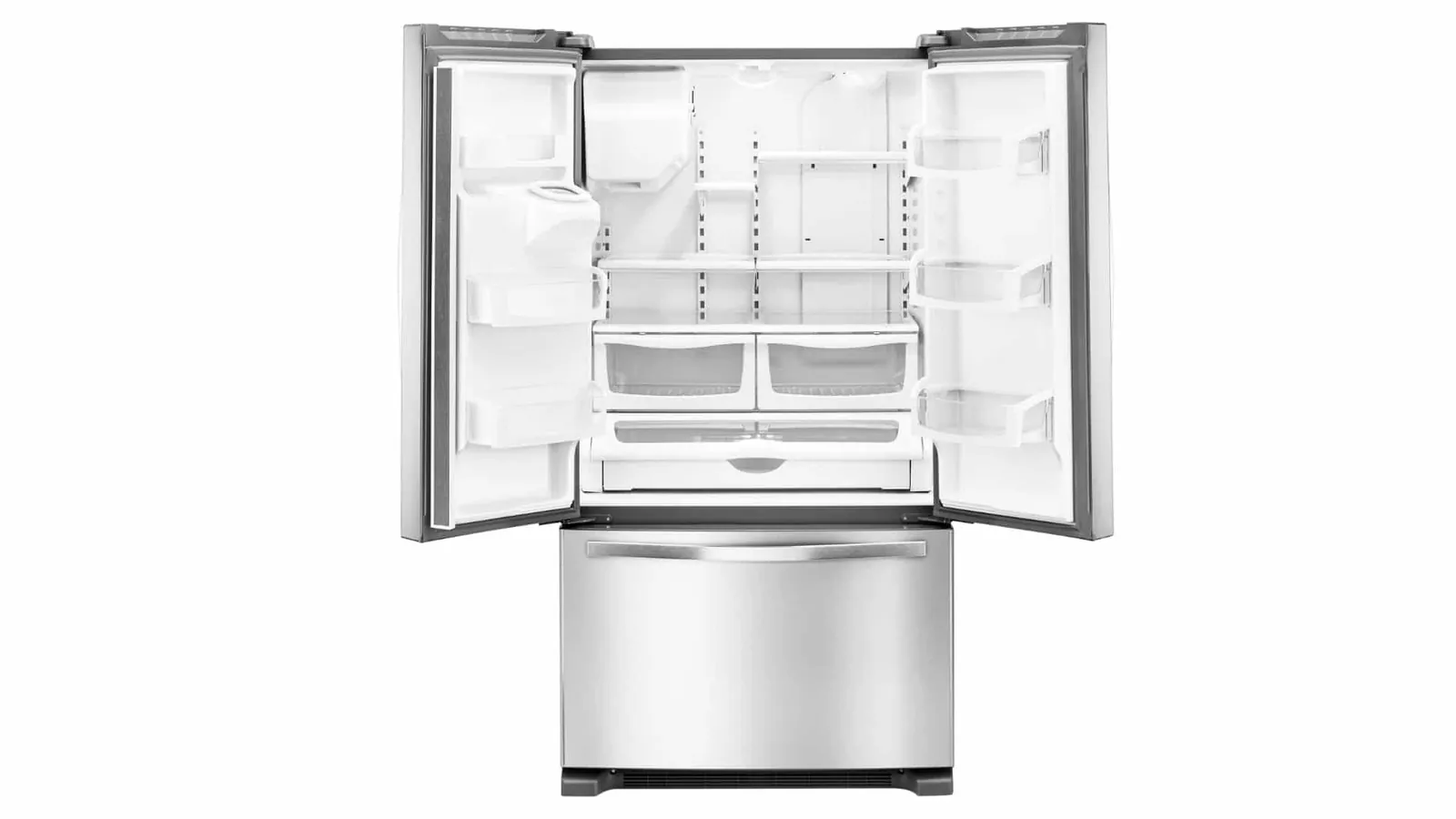
Proper airflow is essential for maintaining consistent temperatures in both the fresh food and freezer sections. If you pack shelves too tightly against the back wall, you block the internal air vents. This mistake often causes the fridge to warm up because the cold air can’t reach the sensors or circulate properly.
Check the back wall of both the freezer and refrigerator compartments for vents. If these are covered by food containers or cartons, move items at least two inches away from the wall. This simple adjustment allows air to flow freely.
Most modern refrigerators rely on a forced-air system that requires a clear path to function. If you notice frost buildup on the back wall or ice crystals forming on food packaging, it’s a sign that your airflow is already compromised. Clear the obstruction immediately to prevent the evaporator coils from freezing over.
If the temperature remains inconsistent after clearing the space, inspect the evaporator fan. You should hear the fan running when you hold down the door switch. If the fan is silent but the compressor is running, you likely have a broken fan motor.
Ensure your fridge stays at or below 40°F. If the temperature is higher, food may spoil faster than expected. Use a standalone thermometer to verify the reading, as built-in displays often reflect the air temperature rather than the actual internal temperature of your food.
Defective Start Relay
The start relay is a small device attached to the side of the compressor that helps the motor begin its cycle. When it fails, the compressor may try to start, make a clicking sound, and then shut down after a few seconds. This is a common point of failure for older units that have seen years of heavy use.
To confirm this, unplug the refrigerator and pull it away from the wall. Remove the access panel on the back to see the compressor. If the relay looks burnt or rattles when you shake it, it’s likely faulty. You can purchase a replacement part that matches your specific serial number from the manufacturer.
If you replace the relay, ensure the new part is securely snapped into the same position as the old one. If the compressor doesn’t start even with a new relay, the issue may be the compressor itself, which requires a certified technician.
A capacitor can hold a lethal charge even when the unit is unplugged, so don’t attempt to touch or discharge electrical components if you’re unsure. If you see a round plastic component attached to the side of the compressor, that’s your start relay. If the compressor hums loudly without starting, the start relay or capacitor may still be the cause of the failure. In that case, replacing the relay won’t fix the cooling issue, and you should stop further repairs.
Rare Mechanical Failures
-
Faulty control board: The board acts as the unit’s brain. If the display remains blank or flashes codes randomly, the board likely requires a professional replacement. A common mistake is replacing the compressor first, which costs hundreds of dollars unnecessarily when the issue is merely a faulty relay on the board.
-
Sealed system leak: If you notice frost buildup on the back wall or the fridge stays warm despite clean coils, refrigerant may be leaking. If the compressor runs constantly but the temperature never drops below 45 degrees, the sealed system has failed. This repair requires a licensed technician to evacuate the refrigerant.
-
Failed defrost heater: A thick block of ice in the freezer often points to this part. If the evaporator coils are buried in ice, test the heater with a multimeter. If it shows no continuity, the part is dead.
-
Broken water valve: If water pools under the fridge, the inlet valve or supply line is likely cracked. Shut off the water supply immediately. If the leak persists after turning the water supply off, the water is likely draining from the internal lines or reservoir.
What a Typical Repair Demands
Fixing a refrigerator usually requires basic hand tools like a screwdriver and a nut driver. If you’re cleaning coils or clearing vents, the cost is essentially your time, which might be an hour for a thorough cleaning.
If you need to replace a part like a door seal or a start relay, you’ll need to buy the specific component for your model. The cost of parts varies based on the complexity of the unit, but they’re generally less expensive than buying a new appliance.
Before buying any parts, check the model number on the sticker inside the fridge or on the frame. This ensures you get the right fit. If the repair requires opening the sealed cooling system or testing high-voltage electrical boards, you must hire a professional.
Attempting these repairs without training can void your warranty or lead to injury. Always check the official manufacturer support page for your specific model to see if there are known recalls or specific repair steps for your unit. Professional labor costs depend on your local market rates and the time required to diagnose the specific issue.
Related guides
- Maytag Pet Pro Washer Troubleshooting: Fixes for Common Issues in 2026
- Maytag Washer Bravos XL Troubleshooting: Fix Common Errors
- Hart Lawn Mower Troubleshooting Manual: Fix Common Issues in 2026
Frequently Asked Questions
Can I fix a fridge that isn’t cooling?
You can fix a fridge that isn’t cooling if the issue is dust on the coils or blocked vents. If the problem is a leak in the sealed system or a failing compressor, you’ll need a professional technician. Always start by checking if the unit is plugged in and if the thermostat is set to the recommended temperature.
How long should a fridge last?
A typical refrigerator lasts between 10 and 15 years with regular maintenance. You can extend the lifespan by cleaning the condenser coils based on usage and the owner’s manual and ensuring the door seals remain tight. If the unit is older than 15 years, major repairs might be more expensive than replacing the appliance with a newer, more energy-efficient model.
Why is my fridge making a clicking sound?
A clicking sound usually indicates that the start relay is trying to engage the compressor but failing. This often happens if the relay is worn out or the compressor is struggling to start. You can check the relay for signs of burning, but if the clicking continues after a replacement, the compressor itself may be failing and requires an expert.
Is it safe to store food if the fridge is warm?
It isn’t safe to store perishable food if your refrigerator temperature rises above 40°F for more than two hours. Bacteria grow rapidly in temperatures between 40°F and 140°F, which can lead to foodborne illness. If you suspect your fridge has been warm for an extended time, discard any perishable items like meat, dairy, and eggs.
How do I know if the door seal is bad?
You can test the door seal by placing a piece of paper between the gasket and the fridge frame. If the paper slips out easily when you pull it, the seal is likely worn or loose and needs to be replaced. A bad seal lets cold air escape and forces the compressor to run constantly, which increases your electricity bill.
What happens if I ignore a warm fridge?
Ignoring a warm fridge will lead to food spoilage and potential damage to the compressor. Because the motor runs continuously to compensate for the heat loss, it will eventually burn out. Fixing a simple airflow issue now is much cheaper than replacing a compressor or a whole refrigerator later. Always monitor the temperature display if your model has one.
Conclusion
If your appliance still isn’t working right after you’ve tried these fixes, don’t worry about it. It’s best to reach out to a certified technician who can handle the complex repairs safely. They’ll get your kitchen back to normal quickly, so you won’t have to stress about your groceries spoiling anymore.