
Maytag Pet Pro Washer troubleshooting often involves balancing the load and checking water supply lines before calling for professional service. Uneven loads can trigger sensors that pause cycles or reduce spin speeds. If problems persist after inspecting hoses and resetting the machine, consult your manual for specific error codes or contact a technician.
Maytag Pet Pro Washer Troubleshooting
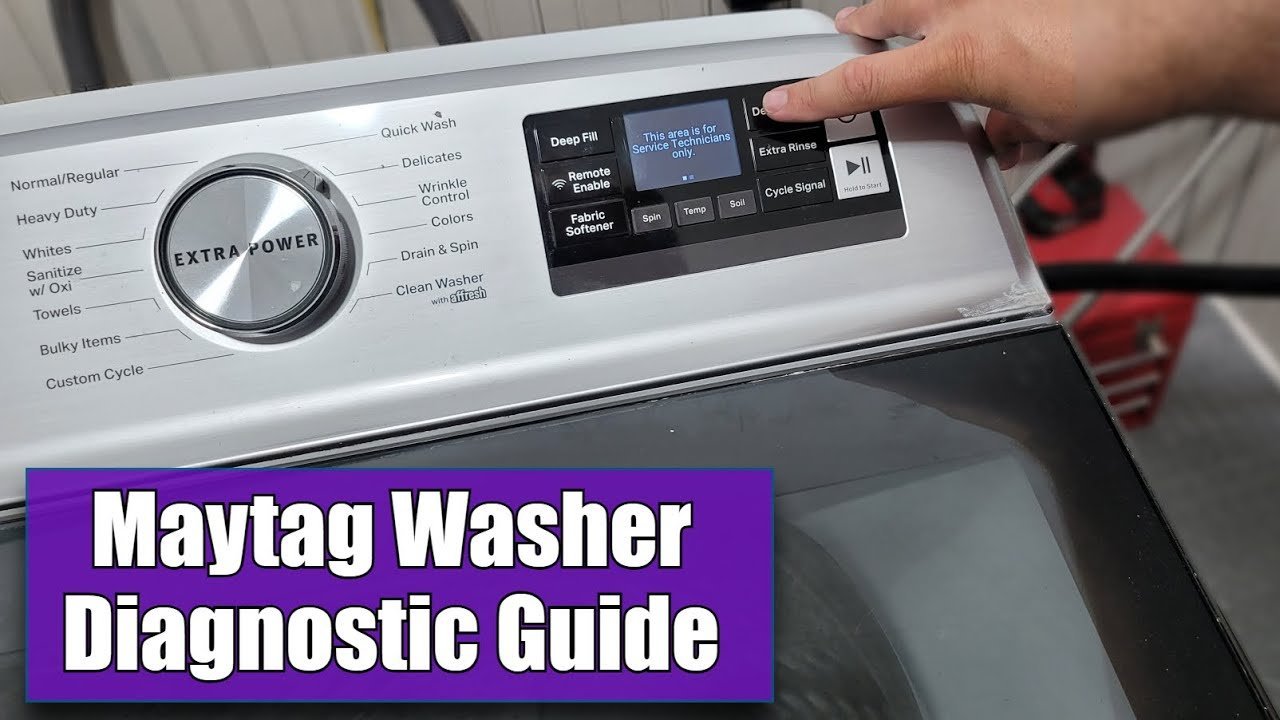
The primary reason these washers stop mid-cycle is an unbalanced load. The Pet Pro system uses high-intensity agitation to remove hair, which can cause heavy items like blankets or rugs to shift and throw the tub off-center. When the internal sensors detect this movement, the machine automatically slows down or stops to prevent damage to the suspension system. This is a safety feature, not a mechanical failure.
Another common cause is a restriction in the water flow or drainage. These washers require a specific water pressure to function correctly. If your home has low water pressure, or if the inlet screens are clogged with debris, the washer can’t fill within the allotted time. The computer senses this delay and halts the cycle to prevent the pump from running dry. This is a common issue in older homes where mineral buildup can restrict the flow at the faucet connection.
Finally, the lid lock mechanism is a frequent point of failure. Because the Pet Pro series uses high-speed extraction to pull hair away from fabrics, the lid must be securely locked for the cycle to start. If the latch is loose, dirty, or damaged, the washer will refuse to engage the motor. This varies by model—check the label on your specific unit for the cycle requirements. You should never attempt to bypass this sensor, as it protects you from the high-speed moving parts inside the drum.
Check the load balance
This fix is for users who notice the machine stopping during the spin cycle or shaking violently. When a load is unbalanced, the washer’s suspension system struggles to keep the tub stable. You need to pause the machine, wait for the lid to unlock, and manually redistribute the items inside. If you’re washing large, heavy items like bedding, try adding a few smaller towels to help balance the weight distribution.
If the washer continues to vibrate, check that all four leveling feet are firmly touching the floor. You can test this by pushing on the corners of the machine; if it rocks, rotate the feet until it sits level. This is a trade-off: a perfectly level machine runs quieter but may still struggle with very heavy, single-item loads. If the machine is level and the load is balanced but it still stops, the issue may be a worn suspension rod. This part requires a professional repair service, as replacing it involves disassembling the cabinet and accessing heavy internal springs.
Clean the inlet screens
If your washer is taking too long to fill or throwing a “Water Supply” error, you must check the inlet screens. These small mesh filters sit inside the water hose connections at the back of the machine. Over time, sediment from your pipes can block these screens, significantly reducing water flow.
To check them, turn off the water supply valves completely. Unscrew the hoses from the back of the washer, keeping a bucket ready for the water that will spill out. Use a pair of needle-nose pliers to gently pull the mesh screens out of the inlet ports. If they look dirty, rinse them under a faucet until they’re clear. If you find significant buildup, you may need to replace the hoses entirely, as internal rust can continue to clog the screens. Once clean, reattach the hoses and ensure they’re hand-tightened to prevent leaks.
If you’re unsure about the water pressure in your home, check the EPA water sense guidelines to understand how pressure issues affect household appliances. If you find the hoses are cracked or bulging, replace them immediately to prevent a flood. This is a simple task, but if you aren’t comfortable working with plumbing, a licensed plumber can handle it quickly.
Reset the control board

When the washer behaves erratically or displays a persistent error code that doesn’t clear, a power reset is the first step. This clears the temporary memory of the control board and forces the sensors to recalibrate.
To perform this, unplug the washer from the wall outlet. Leave it unplugged for at least five full minutes. While the machine is disconnected, wait for the internal components to discharge naturally. Plug the machine back into a dedicated, grounded outlet. Don’t use an extension cord, as these washers require consistent amperage to operate the motor safely.
This reset fixes most software-related glitches. If the error code returns immediately after the reset, the issue is likely a hardware fault in the motor or the main control board. If you have done this and the problem remains, it’s time to contact a certified technician. Don’t attempt to open the control panel housing yourself. The internal components, including the capacitors, can hold a lethal electrical charge even when the power is disconnected.
What not to do
- Don’t overload the drum. Filling the washer past the top row of holes prevents the agitator from moving correctly and can burn out the drive motor.
- Don’t use more detergent than recommended. Excess soap leaves a residue that coats the sensors, causing them to misread the water levels and stop the cycle early.
- Don’t force the lid open. The locking mechanism is designed to prevent injury; forcing it will break the plastic latch and require a full replacement of the lid assembly.
- Don’t use high-pressure hoses to clean the internal tub. Water can penetrate the seals and destroy the electronics, turning a simple fix into a total loss of the appliance.
How to stop it happening again
Regular maintenance prevents the most common failures in these units. By keeping the sensors clean and the load balanced, you extend the life of the motor and suspension.
| If you’re doing this | Do this instead | Why |
|---|---|---|
| Washing heavy rugs | Wash them in smaller batches | Prevents suspension overload |
| Using “extra” detergent | Use the manufacturer’s line | Prevents sensor buildup |
| Ignoring small vibrations | Level the feet immediately | Stops damage to the frame |
Frequently asked questions
Can I fix a Maytag Pet Pro error code myself?
You can fix many error codes by performing a power reset or clearing the drain pump filter. Most codes indicate the machine has hit a safety limit, such as an unbalanced load. Consult your manual to identify specific blinking lights or codes before seeking professional help for mechanical failures.
Why is my washer making a loud banging noise?
Banging usually occurs because the load is unbalanced or the machine isn’t level. Check that the washer sits flat and adjust the feet if it wobbles. If the noise sounds like metal hitting metal, stop the cycle immediately to check for items trapped between the tubs.
How long should a wash cycle take?
A standard cycle on this machine typically takes between 50 and 80 minutes, depending on the cycle settings and the amount of water needed. The Pet Pro cycle often runs longer than standard settings because it includes extra agitation and rinse stages to remove pet hair. If your cycle consistently takes longer than two hours, check for a slow water fill or a restriction in the drain hose.
Is it safe to use an extension cord with this washer?
No, it isn’t safe to use an extension cord, as these washers draw high current during the spin cycle. Using an undersized extension cord can cause the plug to melt, create a fire hazard, or cause the washer to stop mid-cycle due to voltage drops. Always plug the machine directly into a dedicated, grounded wall outlet that meets the electrical requirements listed in your user manual.
What happens if I keep running an unbalanced load?
Running an unbalanced load repeatedly will damage the suspension rods and eventually crack the outer tub. The constant vibration puts stress on the plastic and metal supports, which aren’t designed to handle high-speed wobbling. Over time, you’ll notice the machine walking across the floor or leaking water from the bottom seals. Fixing a cracked tub is often more expensive than buying a new machine, so balance your loads every time.
Final Thoughts
Keeping your laundry area clean and your machine level will help it run smoothly for years to come. If you’re still having trouble, don’t hesitate to reach out to Maytag’s support team online. They’ve got plenty of resources that’ll make getting your appliance back in working order a lot easier.