
When your whirlpool dryer wont start, the most common reason is that the door switch isn’t fully engaged or the thermal fuse has tripped. You can often fix this by simply clearing the lint filter or ensuring the door is pushed firmly shut. If the unit still doesn’t respond, the problem might be a tripped circuit breaker or a faulty wall outlet. Always check these simple power and door issues first before assuming the machine needs a professional repair.
Why your Whirlpool dryer wont start
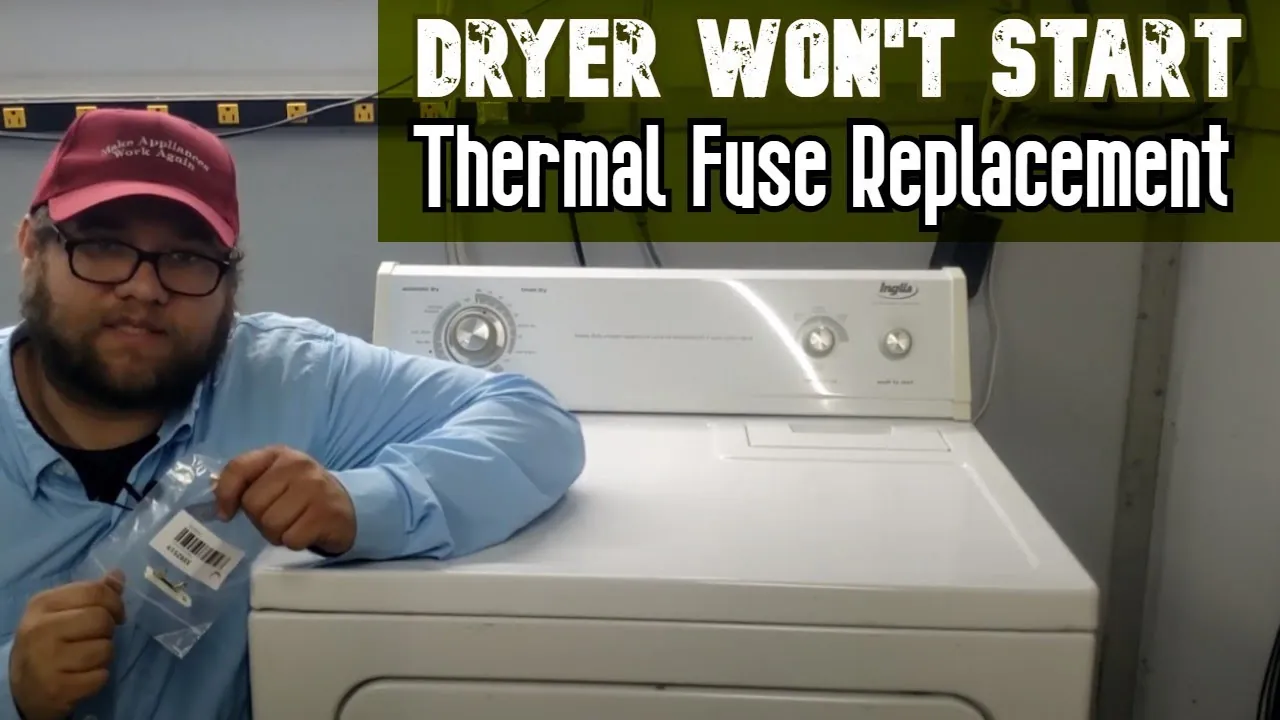
Most dryers fail to start because of basic electrical or safety interruptions. The most frequent cause is a tripped circuit breaker in your home’s electrical panel. When a dryer draws too much power, the breaker shuts off to prevent a fire hazard.
You should inspect your home’s breaker box to see if the switch for the laundry room has moved to the “off” or “middle” position. If it has tripped, flip it all the way to “off” and then back to “on” to restore power.
Another common reason is a loose or damaged power cord. Dryers vibrate heavily during operation, which can occasionally wiggle the plug out of the wall outlet. If your dryer is plugged in but the control panel lights don’t turn on, the outlet itself might be dead. You can test this by plugging a small lamp or a phone charger into the same socket to verify it has electricity.
Finally, internal safety sensors often stop the dryer to prevent overheating. If the airflow is blocked by a clogged lint screen or a dirty vent hose, the dryer will refuse to start. This is a built-in safety feature designed to keep your home protected from potential heat-related damage.
Check the door and start button
The door switch is a small plastic component that tells the dryer the door is closed. If this switch is broken or if the door isn’t latched tightly, the machine won’t start because it thinks the door is still open. Try opening and slamming the door shut firmly to ensure the latch engages properly. If you hear a click, it’s likely working, but if the door feels loose or bounces back, the latch might be bent or worn out.
You should also inspect the start button for debris. Sometimes, small items like coins or buttons can get stuck around the button housing, preventing it from making full contact when pressed. If the button feels “mushy” or doesn’t spring back after you push it, it might be stuck. Use a damp cloth to wipe the area around the button to remove any sticky residue or buildup.
If the dryer makes a humming sound but the drum doesn’t turn, the issue isn’t the door switch. This usually points to a mechanical failure like a broken belt or a seized motor. These are internal issues that require a qualified technician to open the machine safely. Never attempt to remove the outer panels of the dryer, as internal components can hold high voltage even when the unit is unplugged.
Verify the power supply
Testing your power supply is a simple way to rule out house-wide electrical issues. Dryers typically run on a 240-volt circuit, which uses a double-pole breaker. If only one side of that breaker trips, the dryer might have enough power to light up the display but not enough to turn the motor. This is a common mistake that leaves people thinking the dryer is broken when the fault actually lies in the home’s electrical system.
Check the power cord connection at the back of the dryer as well. Over time, the screws holding the wires to the terminal block can loosen due to constant vibration. If you see any signs of burning, melting, or discoloration on the cord or the outlet, stop using the unit immediately. This is a fire risk that requires a licensed electrician to inspect and replace the wiring.
If the dryer hums but doesn’t spin, check the breaker panel for a “half-tripped” switch. Sometimes a breaker will sit in the middle position rather than snapping fully to off. Flip the breaker completely to the off position, then back to on, to reset the connection.
If you suspect a power issue, don’t attempt to test the outlet yourself. A professional repair service will have the proper tools to test the voltage safely without risking injury or further damage to your appliance.
Clean the vent and lint path
A clogged vent system is the most frequent cause for a dryer to shut down or fail to start. When air can’t escape the drum, the internal temperature rises rapidly. The dryer’s thermostat detects this heat and cuts off the power to protect the motor and the heating element. If your dryer worked fine yesterday but refuses to start today, a sudden blockage in the exterior vent hood is a likely culprit.
Go outside your home and locate the vent pipe where the dryer air exits. Ensure the flap isn’t stuck closed by debris, bird nests, or heavy buildup of lint. You should also disconnect the flexible hose from the back of the dryer and check for visible clogs. If the hose feels heavy or is packed with lint, it needs a thorough cleaning.
This fix is for anyone who notices their clothes are taking longer than normal to dry before the machine stops working entirely. If you have cleaned the vent and the lint screen but the dryer still fails to start, the internal thermal fuse may have blown permanently. A thermal fuse is a one-time safety device that must be replaced by a professional if it trips due to a severe blockage.
Avoid these common mistakes
Avoid using extension cords entirely. Dryers require a dedicated high-voltage circuit to function safely. If you use a standard household cord, the wire gauge is too thin to handle the heat, creating a significant fire hazard.
Don’t ignore a “no start” symptom. If the machine runs intermittently, a safety component is likely failing. Continuing to force it causes the motor to draw excessive current, leading to permanent burnout.
Never bypass safety switches. If you bridge the door switch or thermal fuse to force operation, you disable the only protection against overheating. If your dryer fails to start, check the door latch alignment first. If the latch is secure and the unit remains silent, the thermal fuse has likely tripped and requires a professional replacement.
Prevent future startup issues
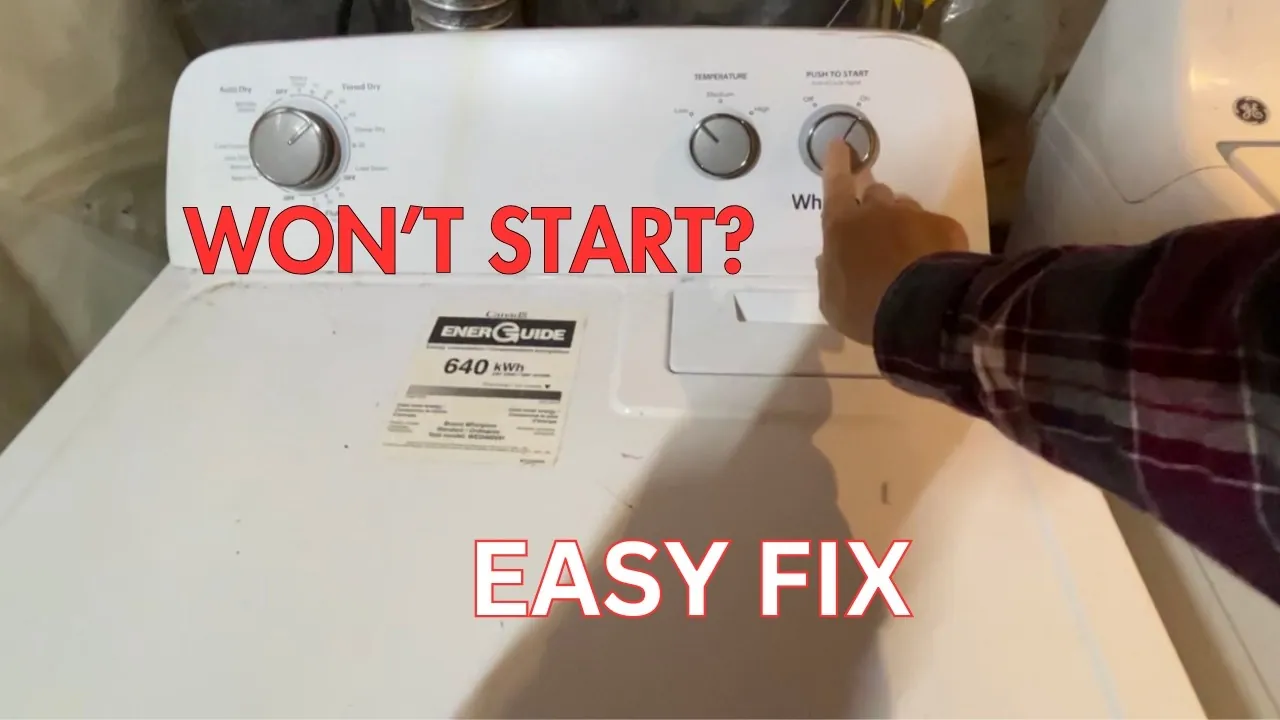
| If you’re doing this | Do this instead | Why |
|---|---|---|
| Cleaning lint once a week | Clean it every load | Prevents airflow blockages |
| Stuffing the drum full | Use a smaller load | Reduces strain on the belt |
| Ignoring vent cleaning | Clean vents yearly | Prevents thermal fuse failure |
| Slamming the door shut | Close it gently | Protects the door switch latch |
The most important habit for dryer health is consistent airflow management. When air moves freely, the components don’t have to work as hard, and safety sensors are less likely to trigger a shutdown. If you keep the path clear, you’ll rarely face a situation where the dryer refuses to start.
Most owners fail by ignoring the exterior vent hood. If your clothes feel damp after a standard cycle, check the outside exhaust flap while the dryer is running. If it doesn’t push open with significant force, you have a blockage in the ductwork. You must clear this immediately to prevent a fire hazard.
Follow this rule: if the dryer takes longer than sixty minutes to dry a standard cotton load, stop using it. You’re likely dealing with a restricted vent that forces the motor to overheat. Continuing to run the machine in this state will eventually fry the control board, a repair that often costs more than a new unit.
Related guides
- 8 Best Freeze Plug Type Engine Heaters for Reliable Cold Starts in 2026
- Mr Heater 210 000 Btu Troubleshooting: Fix Common Start Issues in 2026
Frequently asked questions
Can a blown thermal fuse be reset?
No, a thermal fuse is a one-time safety device that must be replaced if it blows. When a dryer overheats, the fuse melts to break the circuit and prevent a fire. You can identify this issue if the dryer has no power despite a working outlet.
How long does a dryer door switch last?
A door switch will eventually wear out depending on how often the dryer is used. If you run the dryer frequently, the mechanical parts of the switch will fail sooner. If the dryer only starts when you push the door firmly, the switch is likely failing and should be replaced by a professional.
Is it safe to use the dryer if the vent is blocked?
No, it isn’t safe to use a dryer with a blocked vent because it creates a significant fire hazard. Blocked vents cause the dryer to overheat, forcing internal safety systems to work harder. Clear the blockage immediately before running another load to reduce the risk of fire.
What happens if I keep trying to start a broken dryer?
If you repeatedly try to start a broken dryer, you risk damaging the start relay or burning out the motor. When a dryer has a mechanical fault, the motor may try to pull extra current, which can trip your home’s breaker or melt internal wiring. If the dryer doesn’t start on the first or second try, stop pressing the button and investigate the power or the door latch instead.
How do I know if the dryer motor is dead?
You know the motor is dead if you hear a buzzing or humming sound when you press start, but the drum doesn’t move. This usually means the motor is receiving power but can’t turn due to a mechanical failure. You must call a qualified technician to handle this repair safely.
Conclusion
If these basic checks don’t get your machine running, it’s time to consult your owner’s manual for specific wiring diagrams. You shouldn’t hesitate to call a local technician if you’re uncomfortable handling internal electrical components. They’ll help you get your laundry routine back on track safely and without any extra stress.