
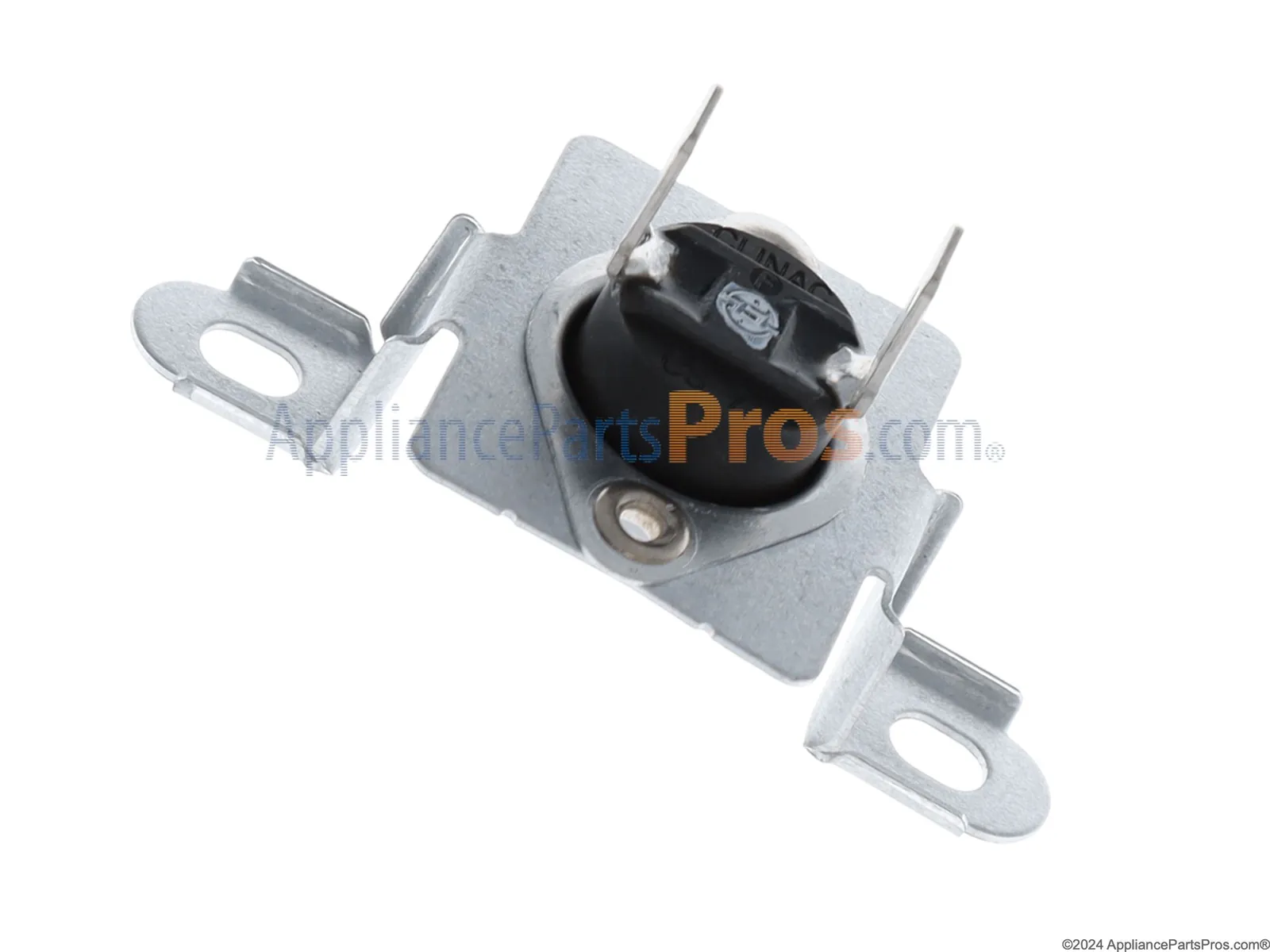
A blown thermal fuse is the most common reason why an lg dryer wont start, and you can confirm this by checking the continuity of the part once you have accessed the internal components. Most of the time, this happens because of restricted airflow in the vent system, which causes the unit to overheat. You can verify if your specific model has a thermal fuse by checking the LG product support page for your manual. If the fuse is the issue, the machine will have no power to the motor at all.
Why your dryer wont start
| Cause | How common | How to confirm it | Fix it yourself? |
|---|---|---|---|
| Blown thermal fuse | Very common | Check for continuity | Yes with care |
| Door switch fault | Common | Listen for click | Yes |
| Broken drive belt | Common | Drum feels loose | Yes with care |
| No power to outlet | Occasional | Check your breaker | Yes |
| Control board error | Rare | Check error code | No |
| Start switch failure | Rare | Test button feel | Yes |
A blown thermal fuse usually stems from restricted airflow. If your vent hose is clogged with lint, the dryer overheats and kills the fuse to prevent a fire. Always clear the ductwork before installing a new part.
If the drum turns but the clothes remain cold, the heating element has likely burned out. You can verify this by checking the element’s coils for visible breaks.
A loose drum often signals a snapped belt, but check the tensioner pulley first. If the pulley bearing seizes, the belt will rub against the stationary pulley, causing it to burn or melt.
If the dryer hums but refuses to start, the motor centrifugal switch may be stuck. Manually rotate the drum to see if it catches. If it starts, your motor is failing and needs professional attention.
Blown thermal fuse issues
A thermal fuse is a safety device designed to cut power if the dryer gets too hot. When it blows, it breaks the electrical circuit, and the machine won’t start or turn the drum. This usually happens because the dryer vent is clogged, forcing the heat to stay trapped inside the cabinet instead of exiting through the wall. If your vent is full of lint, the fuse will blow again even after you replace it.
If the fuse is blown, you must clean your vent line from the back of the dryer all the way to the outside exit point before using the machine again. This prevents the new fuse from failing immediately. You can find the exact part number for your specific unit on the official manufacturer website by entering your serial number.
Faulty door switch mechanism

The door switch tells the dryer that the door is closed and it’s safe to spin. If the switch is broken or the door isn’t pushing it in far enough, the dryer will act as if the door is open. You can usually tell this is the cause if the dryer light turns on when you open the door, but the machine makes no sound when you press start.
Check the door switch by pressing it with your finger while the door is open. If you don’t hear a clear mechanical click, the switch might be stuck or broken. Inspect the door frame for any lint or debris that might be stopping the door from closing tightly. If the switch itself is loose or wobbly, it may need to be replaced.
If you decide to replace the switch, ensure the power is disconnected first. Most switches are held in place by one or two screws and a simple wire connector. This is a common repair that requires only basic hand tools like a screwdriver. If you replace the switch and the dryer still doesn’t start, the issue is likely deeper in the control system or a secondary safety sensor.
Broken drive belt symptoms
The drive belt wraps around the drum and spins it when the motor runs. If the belt snaps, the motor might still hum, but the drum won’t move. In some models, a belt switch detects the lack of tension and prevents the motor from starting as a safety measure. You can tell this is the cause if you can spin the drum very easily by hand with no resistance at all.
Open the door and try to rotate the drum. If it turns freely without any weight or tension, the belt has likely snapped or slipped off the pulley. You’ll need to remove the top and front panels to inspect the belt path. If you see a broken rubber strip or a loose pulley, you have found the problem.
A common mistake is assuming the belt is broken when the drum is actually seized by a failed bearing. If you feel grinding or significant friction when turning the drum, the belt is likely intact, but the drum support system has failed.
Replacing a belt is more difficult than changing a switch because you must thread the belt around the motor pulley and the drum. It often requires two people to hold the drum in place while the belt is tensioned.
If the belt feels loose but isn’t broken, check the idler pulley spring. If that spring has lost its tension, the belt will slip regardless of its condition. If you aren’t confident in your ability to reassemble the internal components, contact a professional to avoid damaging the motor.
Rare causes for startup failure
A tripped circuit breaker at your home electrical panel will prevent the dryer from getting any power at all. Check your panel for a switch flipped to the middle position, as this often indicates a partial power loss that leaves the light on but the motor dead.
The start button itself might have worn-out internal springs that no longer make contact when you press it. If the button feels mushy or lacks a tactile click, it’s likely failing to bridge the circuit.
A failed main control board can stop the machine from sensing your input or executing the start command. If the display panel is blank despite power reaching the unit, the board is the primary suspect.
Loose wire connections inside the dryer cabinet can vibrate off over time, especially if the machine isn’t level. If you hear a faint rattling when the drum spins, inspect the internal spade connectors for signs of heat discoloration or detachment.
If you suspect a control board or internal wiring issue, stop your efforts. These repairs require specialized knowledge and carry a risk of electrical shock or fire if not performed to factory standards. Contact a certified appliance technician to handle these complex electronic faults.
What a typical repair involves
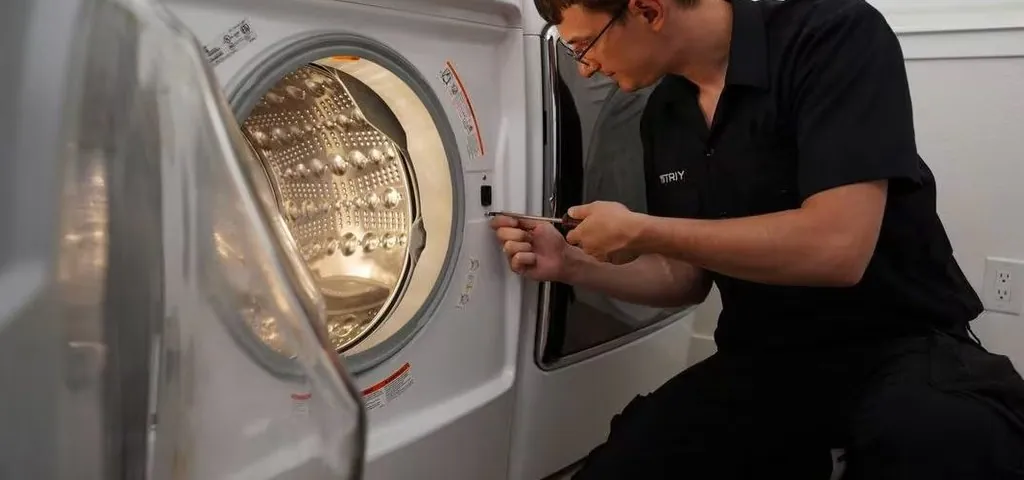
Fixing a dryer usually requires a few basic tools like a screwdriver set, a pair of pliers, and a nut driver. If you have a broken belt or a faulty fuse, the parts are relatively inexpensive compared to the cost of a new machine. You can find the exact price of a replacement part by searching your model number on the manufacturer website.
The most time-consuming part of any repair is removing the panels to reach the internal components. If you’re handy with tools, you can usually finish a simple switch replacement in under an hour. However, if the fix requires replacing a belt or a control board, you might spend a full afternoon on the project.
Most beginners make the mistake of failing to unplug the unit before opening the casing. This oversight risks a dangerous electrical shock. Always verify the power is disconnected before touching any internal wiring.
If your dryer still fails to heat after you replace the thermal fuse, check the vent hose for a blockage. A clogged exhaust line often trips the fuse repeatedly. If the vent is clear, the problem is likely the heating element.
Related guides
- 10 Best Thermal Underwear Tops for Women: Our Top Picks in 2026
- 10 Best Thermal Receipt Paper Rolls for Reliable Printing in 2026
- 10 Best Thermal Underwear Bottoms for Women: Our Top Picks in 2026
Frequently asked questions
Can I run the dryer without the thermal fuse?
No, it isn’t safe to bypass the thermal fuse under any circumstances. This fuse is a critical safety component that prevents house fires by shutting down the heating element if the temperature gets too high. Bypassing it removes your only protection against overheating and could lead to a dangerous situation. Always replace a blown fuse with the exact part specified for your model.
How long does a dryer repair usually take?
The exact time depends on how easily you can access the internal panels on your specific dryer model.
How much does it cost to fix an lg dryer?
The cost is primarily the price of the replacement part, which is usually a small fraction of the cost of a new dryer. Most common parts like fuses, switches, or belts range from a low price to a moderate amount. If you hire a professional, you’ll also pay for their labor and the time required to diagnose the specific issue.
Is it safe to fix the dryer myself?
Yes, it’s safe to perform basic repairs if you keep the power disconnected and follow the official manual. Never attempt to test live circuits or open sealed electronic housings if you aren’t a trained technician. If you feel unsure about any step, or if the repair requires working with high-voltage components, call a professional to avoid injury or damage.
What happens if I ignore a dryer that won’t start?
If you ignore the problem, you risk missing the underlying cause, such as a blocked vent, which can lead to a fire hazard. A dryer that fails to start often points to a safety system doing its job. Leaving the machine in a broken state is better than trying to force it to run when a safety part has already failed.
Conclusion
The best way to ensure your repair lasts is to clear all lint from your vent system before you start the machine again. A clean vent allows the dryer to exhaust heat properly and prevents the thermal fuse from blowing for a second time. If you have completed the repairs and the dryer still won’t run, consult a professional technician to inspect the motor and control board.