
Many owners report that typical frigidaire gallery refrigerator problems relate to cooling inconsistencies, ice maker blockages, or water leaks. These issues often stem from clogged air vents, dirty condenser coils, or a faulty water inlet valve. If your unit is struggling to maintain temperature, check your thermostat settings and clear any items blocking the internal air circulation paths first.
Troubleshooting Frigidaire Gallery refrigerator problems
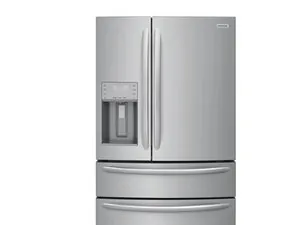
Most cooling issues in these models start with restricted airflow. When you pack the fridge too tightly, air can’t circulate properly, which forces the compressor to run longer than necessary. This leads to ice buildup on the evaporator coils, which eventually blocks the cold air from reaching the main compartment.
You can often see this when the back wall of the freezer has frost or ice patches. If you can’t see the back panel through your groceries, you have exceeded the unit’s capacity.
Another frequent cause involves the condenser coils located at the bottom or back of the unit. These coils release heat from the refrigerant; if they’re covered in dust, pet hair, or lint, the fridge can’t shed heat efficiently. This makes the motor work harder, increases electricity use, and leads to warmer temperatures inside.
A dirty coil is a common reason for a fridge that runs constantly but never feels truly cold. Clean these coils as often as usage requires, following the owner’s manual for specific guidance. If the motor sounds like a lawnmower, the coils are likely choked with debris.
Finally, water leaks often result from a frozen or clogged defrost drain. When the drain hole is blocked by ice or food debris, meltwater has nowhere to go and instead pools on the floor of the freezer or leaks out under the crisper drawers.
If you notice water on the bottom of your fridge, the drain path likely needs a gentle clearing. Use a turkey baster filled with warm water to flush the drain line, but avoid using metal tools that could puncture the plastic tubing.
Clean the condenser coils regularly
You should clean the condenser coils to keep the fridge running efficiently. This task is for homeowners who are comfortable moving their appliance and using a vacuum with a brush attachment. Before starting, unplug the unit to avoid any risk of electrical shock. Locate the kick plate at the bottom front or the panel at the rear, then use your vacuum to gently remove all dust and debris from the coils as recommended by your owner’s manual.
If you see a thick layer of dust, use a long, soft-bristle coil brush to loosen it before vacuuming. Take care not to bend the thin metal fins, as this can restrict airflow and damage the system. Once the coils look clean, snap the cover back into place and plug the power cord back in. You’ll know this worked if the refrigerator cycles on and off more normally rather than running for hours without stopping.
If you have a built-in model or a unit with a sealed rear panel, don’t attempt to remove the back cover yourself. A capacitor inside can hold a lethal charge even when the unit is unplugged. In these cases, it’s safer to hire a professional technician to perform the cleaning. If you’re unsure about the location of your coils, check the official Frigidaire owner’s manual for your specific model number.
Clear the defrost drain line

A blocked defrost drain is a common issue that causes water to pool inside the freezer or fresh food section. To fix this, first remove all food and shelves from the freezer to expose the back panel. You’ll likely see a small hole or trough at the base of the evaporator coils. If this area is filled with ice, use a hair dryer on a low, cool setting to melt the obstruction slowly.
Once the ice is gone, use a small piece of flexible wire or a turkey baster filled with warm water to flush the drain tube. If the water flows freely into the drain pan underneath the fridge, the blockage is clear. If the tube remains clogged, you may need a professional to snake the line or check the defrost heater.
Never use sharp metal objects like knives or screwdrivers to chip away at the ice. A single slip can puncture the sealed refrigerant system, turning a simple maintenance task into a total loss of the appliance. If you feel resistance, stop immediately; don’t force any object into the drain line.
If you notice a burning smell or see frayed wires while accessing the back panel, stop immediately and contact a certified repair service. This fix isn’t for those who are uncomfortable working near electrical components or handling standing water near an outlet. If the drain freezes over again, the issue may be a failing heater or thermostat rather than a simple clog.
Reset the ice maker system
If your ice maker is failing to produce ice or is leaking, the first step is to check the water supply line and the temperature of the freezer. An ice maker typically requires a freezer temperature of 0°F to 5°F to function properly. If your freezer is too warm, the cycle won’t trigger. Use a freezer-safe thermometer to check the temperature before looking for mechanical failures.
To reset the system, locate the power switch or the “reset” button on the ice maker assembly. Turn it off for 30 seconds and then turn it back on. If the ice maker is jammed, check the ejector arm to see if a single cube is stuck, preventing the arm from rotating. Use a wooden spoon to gently nudge any stuck cubes free.
If the ice maker still doesn’t work, inspect the water inlet valve at the back of the fridge. If you hear a humming sound but no water enters the tray, the valve may be faulty or the water line may be frozen. Replacing a water valve is a mechanical task that requires turning off the water supply and disconnecting hoses. If you aren’t familiar with plumbing connections, have a professional handle this to prevent potential water damage in your home.
Common myths about refrigerator maintenance
Leaving the fridge empty keeps it cold: A full fridge stays cold better because the items inside act as a thermal mass. A mostly empty fridge loses cold air every time you open the door, forcing the compressor to work harder to stabilize the temperature. Aim to keep your fridge at least two-thirds full for maximum efficiency.
You can fix any leak with tape: Most internal leaks involve cracked plastic or blocked drains. Tape fails to adhere in freezing temperatures and can’t withstand constant moisture. If you see water pooling, check the drain hole at the back of the fridge for debris instead of reaching for adhesive.
The fridge needs to be perfectly level: Your unit should tilt slightly backward so the door swings shut on its own. A perfectly level fridge often prevents the door gasket from sealing tightly, causing warm air to leak inside.
You must defrost the freezer manually: Modern frost-free models should never need manual intervention. If ice builds up, you have a faulty defrost heater or a bad timer. Chipping at the ice only risks puncturing the refrigerant lines, which effectively ruins the appliance.
Preventing future cooling and leakage issues
You can extend the life of your appliance by performing simple checks every few months. The following table highlights common bad habits and how to correct them to keep your unit in top shape.
| If you’re doing this | Do this instead | Why |
|---|---|---|
| Cramming the shelves full | Leave space for air | Airflow is needed for cooling |
| Leaving the door open | Close it immediately | Warm air creates excess frost |
| Ignoring dust on coils | Vacuum them twice yearly | Dirty coils overheat the motor |
| Using high-heat cleaning | Use warm water only | Heat can warp the plastic liners |
Maintain the clearance between the back of the unit and the wall as specified in your owner’s manual. This clearance prevents the compressor from straining to vent heat, which is the leading cause of premature motor failure.
If you notice water pooling beneath the unit, check the defrost drain. A simple blockage here can lead to internal ice buildup that eventually cracks the interior casing. Use a pipe cleaner to gently clear the debris as needed, referring to the owner’s manual for proper maintenance frequency.
If the unit runs constantly without cycling off, your door gasket is likely compromised. Test this by closing the door on a dollar bill; if it slides out with zero resistance, replace the seal immediately to stop cold air loss.
Frequently asked questions
How long should a refrigerator last?
A well-maintained refrigerator typically lasts 10 to 15 years. This lifespan depends on keeping the condenser coils clean and the door seals tight. If you notice the motor running constantly or temperature fluctuations, consider a professional inspection.
Is it safe to eat food from a warm fridge?
No, you should discard any perishable food that has been stored at temperatures above 40°F for more than two hours. Bacteria grow rapidly in the danger zone between 40°F and 140°F. If the power went out or the fridge failed, use a thermometer to check the internal temperature of the food. If it’s still 40°F or colder, it’s generally safe to move it to another cold location immediately.
Why is my ice maker leaking?
An ice maker leak is usually caused by an unevenly leveled fridge or a clogged defrost drain. If the fridge is tilted forward, water from the defrost cycle can’t reach the drain pan and will spill out. Check the leveling legs at the front of the fridge to ensure the unit tilts slightly toward the back. If the leveling is correct, inspect the water line connection for small cracks or loose fittings.
How do I know if the door seal is bad?
You can test the door seal by closing the door on a single sheet of paper. If the paper pulls out with little resistance, the seal is likely loose and leaking cold air. A bad seal forces the compressor to work harder, increasing energy costs.
What happens if I ignore frost buildup?
Ignoring frost buildup will eventually block the airflow to the refrigerator section, causing your fresh food to spoil. The frost acts as an insulator on the evaporator coils, which prevents the fridge from transferring heat properly. This extra work increases the load on the compressor, which may lead to premature motor failure. If you see ice forming on the back wall of your freezer, address the cause of the blockage immediately.
Conclusion
If these basic checks don’t improve your appliance’s performance, it’s best to contact a certified technician. Don’t wait too long if food starts spoiling, as a professional can quickly identify hidden mechanical failures. They’ll help you decide if a simple repair is worth it or if it’s time for an upgrade.