
You can lower the risk of a house fire by cleaning your lint filter after every load and keeping the vent pipe clear of debris. Following simple dryer fire prevention tips helps keep your home safe while ensuring your machine runs efficiently. If you ignore these steps, lint can build up inside the machine or vent, leading to a fire that spreads quickly through your walls.
Preventing Dryer Fires at Home
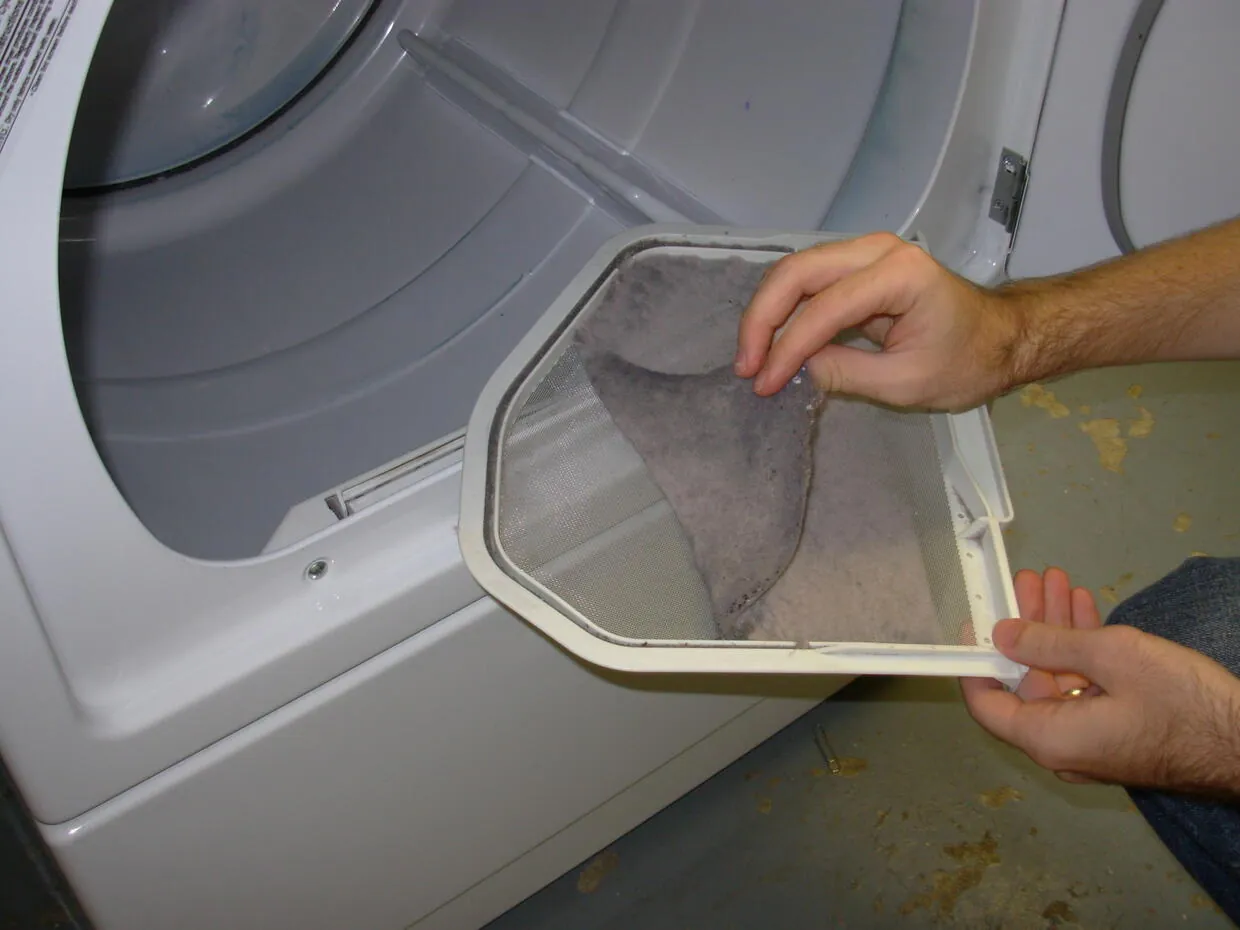
Cleaning the lint trap after every single load is the single most effective way to prevent a house fire. If you notice your clothes are still damp after a full cycle, stop immediately and check the exterior vent hood for a blockage. A dryer that struggles to push air out will overheat, damaging the internal thermal fuse.
Never use flexible plastic or foil ducting to vent your machine. These materials sag over time, creating low spots where lint collects and ignites. Replace these with rigid or semi-rigid metal ducting to ensure a smooth, fire-resistant path for exhaust.
If you’re drying rubber-backed rugs or athletic gear, use the air-dry or low-heat setting. High heat causes rubber to degrade, crumble, or even combust inside the drum.
Venting into an attic or crawl space is never acceptable, as it introduces gallons of moisture into your home’s structure. This creates a breeding ground for mold and rot.
What The Risk Actually Is
The primary risk comes from the accumulation of lint, which is highly flammable and can ignite when exposed to the high heat of a dryer. This danger peaks when your venting system is restricted, preventing hot air from escaping.
When air can’t flow freely, the dryer runs significantly hotter than designed. This excess heat can ignite lint trapped inside the cabinet or the ducting. If your vent is made of flexible plastic or foil, it can collapse or burn through, allowing fire to spread rapidly into the framing of your house. Rigid metal ducting is the only safe standard because it resists heat and allows for easier cleaning.
You’re at higher risk if your vent run exceeds ten feet or includes more than two ninety-degree bends. In these configurations, lint collects exponentially faster. If your dryer takes longer than one cycle to dry a standard load, your vent is already restricted. Don’t wait for the annual check; this symptom demands immediate cleaning.
A common mistake is assuming that modern dryers with moisture sensors are immune to these fires. These sensors only detect humidity, not the airflow blockages occurring deep within the wall cavity. Relying on the sensor to tell you when to clean is a dangerous gamble.
Apply this rule: if your vent pipe feels hot to the touch while the dryer is running, the airflow is already severely compromised. If you can feel air pushing out of the exterior vent hood, the system is likely clear.
If you feel nothing, or if the exterior flap remains closed while the machine is running, you have an immediate blockage. Stop using the dryer until you clear the line, or you risk a catastrophic ignition of the trapped, superheated debris.
Signs You Must Stop Immediately
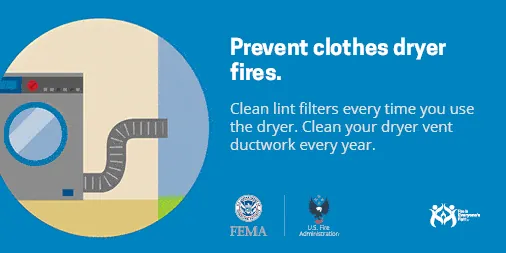
The dryer cabinet feels hot to the touch while running, indicating restricted airflow that traps heat inside the chassis. If the surface is too hot to hold your hand against comfortably for more than five seconds, the internal temperature has likely exceeded safe operating limits.
A burning odor often signals that lint has bypassed the filter and is now touching the heating element. If you detect this smell, kill the power at the circuit breaker immediately. Don’t simply press stop, as the heating element may remain energized.
Clothes remaining damp after a full cycle suggest moisture can’t escape the drum. If your laundry requires two cycles to dry, you’re likely forcing the machine to run for double its intended duration, which accelerates mechanical wear and increases fire risk.
Check the exterior vent hood while the machine runs. If the flap remains closed or shows no visible movement, a blockage exists in the line.
Listen for rattling or scraping noises coming from the vent ducting itself. These sounds often indicate heavy, compacted lint buildup or a disconnected internal vent pipe.
If you encounter these signs, unplug the machine and stop using it. Never attempt to disassemble the internal housing or electrical components. These parts contain electrical connections that require a qualified technician to handle safely. Attempting a DIY repair here risks both lethal shock and voiding your homeowner’s insurance policy.
The Safer Way To Maintain Your Dryer
Clean the lint screen after every single load of laundry. A thin layer of lint forms during every cycle, and even a minor buildup restricts airflow, forcing the heating element to work harder.
Use a rigid or semi-rigid metal vent duct instead of plastic or foil. Metal doesn’t collapse under pressure and resists heat far better than synthetic materials. If your current duct is flexible plastic, replace it immediately; it acts as a fuel source if a spark occurs.
Inspect the exterior vent hood outside your home once a month. Ensure the flaps open freely and no bird nests or debris block the exit. If you see lint accumulating on the siding, your vent system is already clogged.
Vacuum the area behind and underneath your dryer every three months. Dust and stray lint collect near the motor or heat source, creating a fire hazard.
Schedule a professional cleaning of your entire vent system based on your usage and the recommendations found in your owner’s manual.
Ensure your dryer has a clear path for air by keeping the vent run as short as possible. Avoid more than two 90-degree bends in the ductwork. Without this, lint settles in the pipes, eventually creating a blockage that no amount of screen cleaning can fix.
If It Has Already Happened
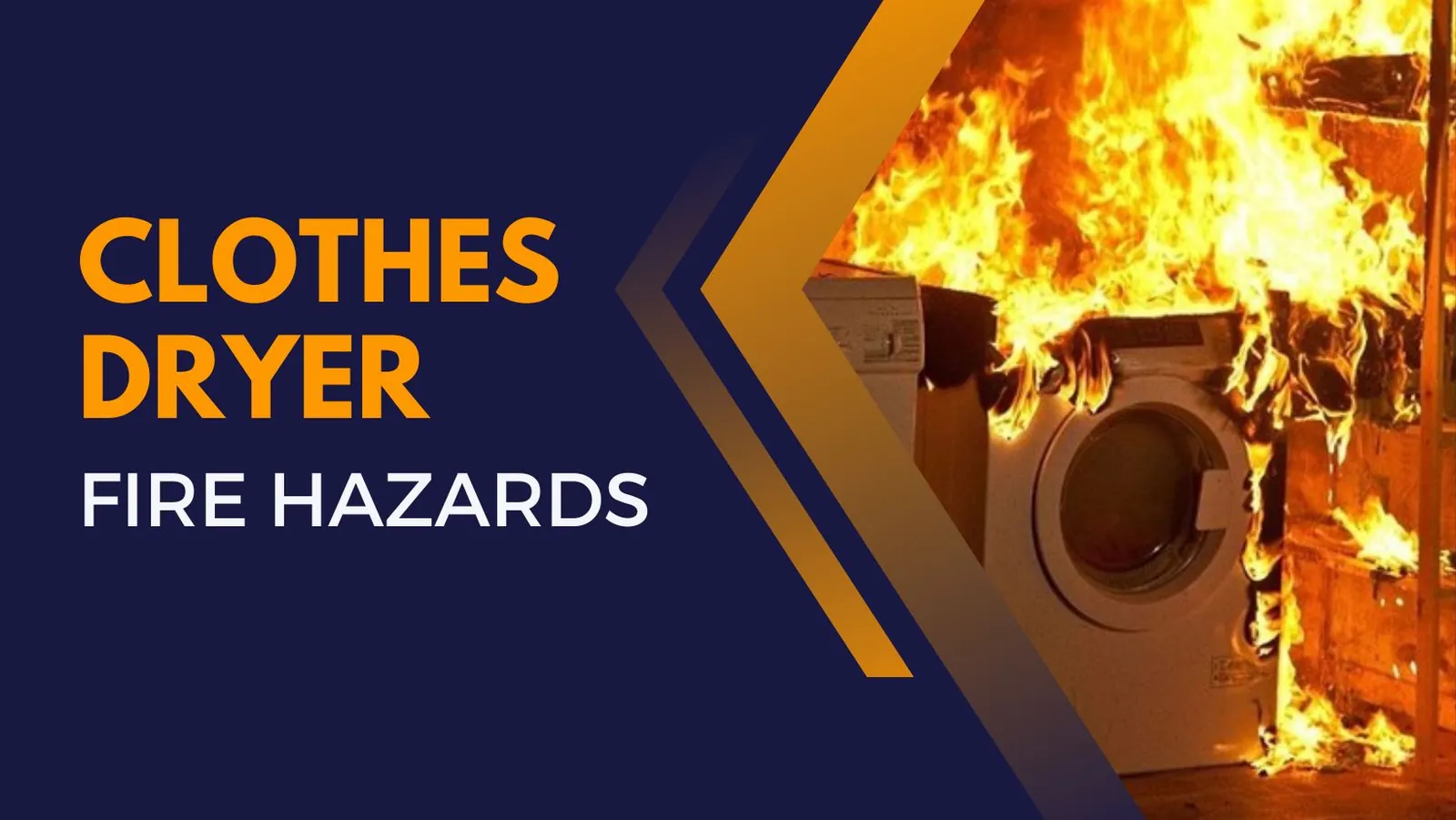
If you suspect a fire is starting inside your dryer, shut off the power immediately at the circuit breaker. If the breaker panel is too close to the unit, unplug the machine only if you can do so without touching the hot casing.
Never open the door if you see smoke. The sudden rush of oxygen acts like a bellows, causing a smoldering fire to flare into an open blaze instantly. Move everyone out of the house and call emergency services from a safe distance.
Once the fire department clears the scene, don’t attempt to plug the machine back in. Even if the dryer appears to work, internal wiring or the thermostat may be compromised. A professional technician must inspect the appliance and the entire vent system before you use it again.
If you find charred ducting, replace the entire section. Never try to patch these areas with duct tape or other flammable materials. These adhesives break down under heat and create a severe fire hazard. If the fire damaged the wall or the ducting, hire a licensed contractor to perform repairs that meet current building code requirements.
You can tell if the damage is beyond simple repair by checking for signs of plastic melting or warped metal near the exhaust port. If the metal housing shows discoloration or feels brittle to the touch, the structural integrity is gone. In these cases, the cost of a full replacement is almost always lower than the liability of a failed repair.
Related guides
- 5 Best Fire Pit for Large Backyard Options for Your Home in 2026
- 10 Best Cold Weather Mittens for Men to Keep Your Hands Warm in 2026
Frequently asked questions
Can I clean my dryer vent myself?
Yes, you can clean your own dryer vent using a long-handled brush kit designed for that purpose. You must disconnect the dryer from the wall and reach into the ducting from both the interior and exterior openings to remove all lint. If your vent run is longer than 10 feet or has multiple sharp bends, you should hire a professional service to ensure the entire length is clear.
How often should I clean the dryer vent?
You should clean your dryer vent based on your usage and the recommendations found in your owner’s manual. Always check the vent hood outside your home to make sure no debris is blocking the exit, as this can happen regardless of your cleaning schedule.
Is it safe to leave the dryer running when I am away?
No, it isn’t safe to leave a dryer running while you’re away from home or sleeping. A dryer fire can grow very quickly, and being nearby allows you to hear unusual noises or smell smoke early. If you’re home, you can respond to the first signs of trouble, whereas an unattended machine leaves you no chance to stop a fire before it spreads.
What happens if I use a plastic vent hose?
A plastic vent hose can melt or ignite if the dryer overheats, which allows a fire to spread directly into your home’s walls. Plastic isn’t heat-resistant and can also sag, creating low points where lint collects and eventually blocks the airflow. You should replace any plastic or thin foil ducting with rigid metal piping to ensure the highest level of safety for your household.
Does the type of clothing matter for fire risk?
Yes, items made of rubber, foam, or plastic backing can melt at normal dryer temperatures and create a fire hazard. You should check the care labels on your clothes and avoid putting these materials in the dryer. If you must dry them, use the lowest heat setting available on your machine and monitor the load closely until it’s finished to ensure nothing begins to overheat.
How do I know if my vent is blocked?
You know your vent is blocked if your clothes remain damp after a full cycle or if the dryer feels excessively hot. A simple check is to go outside while the dryer is running and see if you feel warm air blowing from the vent hood. If you feel little or no air, the blockage is likely in the ducting or the hood itself, and you should stop using the dryer.
Conclusion
Keeping your dryer in good condition is a simple routine that protects your home. By clearing the lint after every load and checking your vents each year, you remove the biggest risk factors. If you ever notice the machine running hotter than usual or taking too long to dry, stop and inspect the vent immediately to stay safe.