
When your laundry stops mid-cycle, it’s usually because the machine has detected an imbalance or a sensor error, which causes a washer stopping mid cycle to happen as a safety measure. You can often fix this by checking the load size or ensuring the unit is level. Most modern machines use internal sensors to detect problems like heavy, wet blankets or an uneven floor, which triggers a pause to prevent damage to the drum or motor.
Why your washer is stopping mid cycle
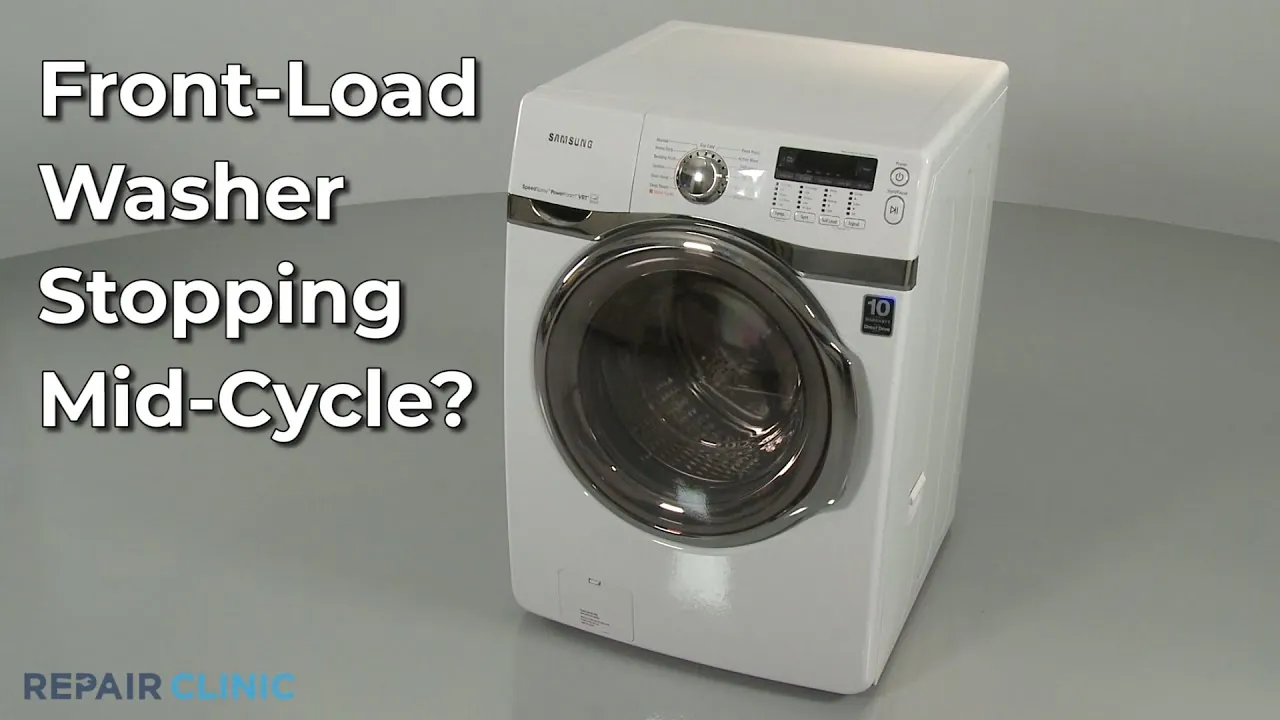
The most common reason for a cycle to stop is an unbalanced load. When you wash a heavy item like a rug or a large comforter, the wet fabric shifts to one side of the drum. This creates a heavy spot that makes the machine vibrate violently during the spin phase.
To protect the internal components, the computer stops the motor. If you notice the drum is tilted or the machine is physically moving across the floor, the load is likely the culprit.
Another frequent cause involves the door lock mechanism. For a washer to function, the lid or door switch must signal that it’s fully closed and locked. If the latch is loose, dirty, or damaged, the circuit breaks, and the machine stops immediately. This is a deliberate safety design to prevent water from leaking or the drum from spinning while the door is open.
If you see a blinking light or an error code on the display, check your owner’s manual, as the U.S. Consumer Product Safety Commission often publishes recall information for specific models with recurring latch or sensor failures.
Finally, water supply issues can force a stop. If your home has low water pressure or a kinked inlet hose, the machine may fail to fill within the allotted time. The internal timer then stops the cycle because it can’t proceed to the next phase without enough water. If you hear a humming sound but no water is flowing, check your hot and cold supply valves to ensure they’re turned fully on.
Adjust the load and reset the unit
If the machine stops during the spin cycle, the load is likely too heavy or uneven. Open the door and manually redistribute the wet clothes so they’re spread evenly around the drum. If you have one large item, try adding a few smaller towels to balance the weight. Once you rearrange the items, close the door and press the start button again. If the machine begins the cycle, the load was simply unbalanced.
If this doesn’t work, you should perform a hard reset. Unplug the power cord from the wall outlet and leave it disconnected for at least 10 minutes. This clears the electronic memory of the control board and can fix minor software glitches. After the time passes, plug the machine back in and run a short rinse-only cycle to see if it finishes without pausing.
If the machine still stops, check for error codes on the screen. These codes are specific to your brand and model. If you see a code, write it down and look it up in the manufacturer’s guide. If the issue involves internal wiring or the main circuit board, don’t attempt to open the housing. A capacitor can hold a lethal charge even after the unit is unplugged, so you must call a professional technician for electrical repairs.
Clean the drain filter and hoses
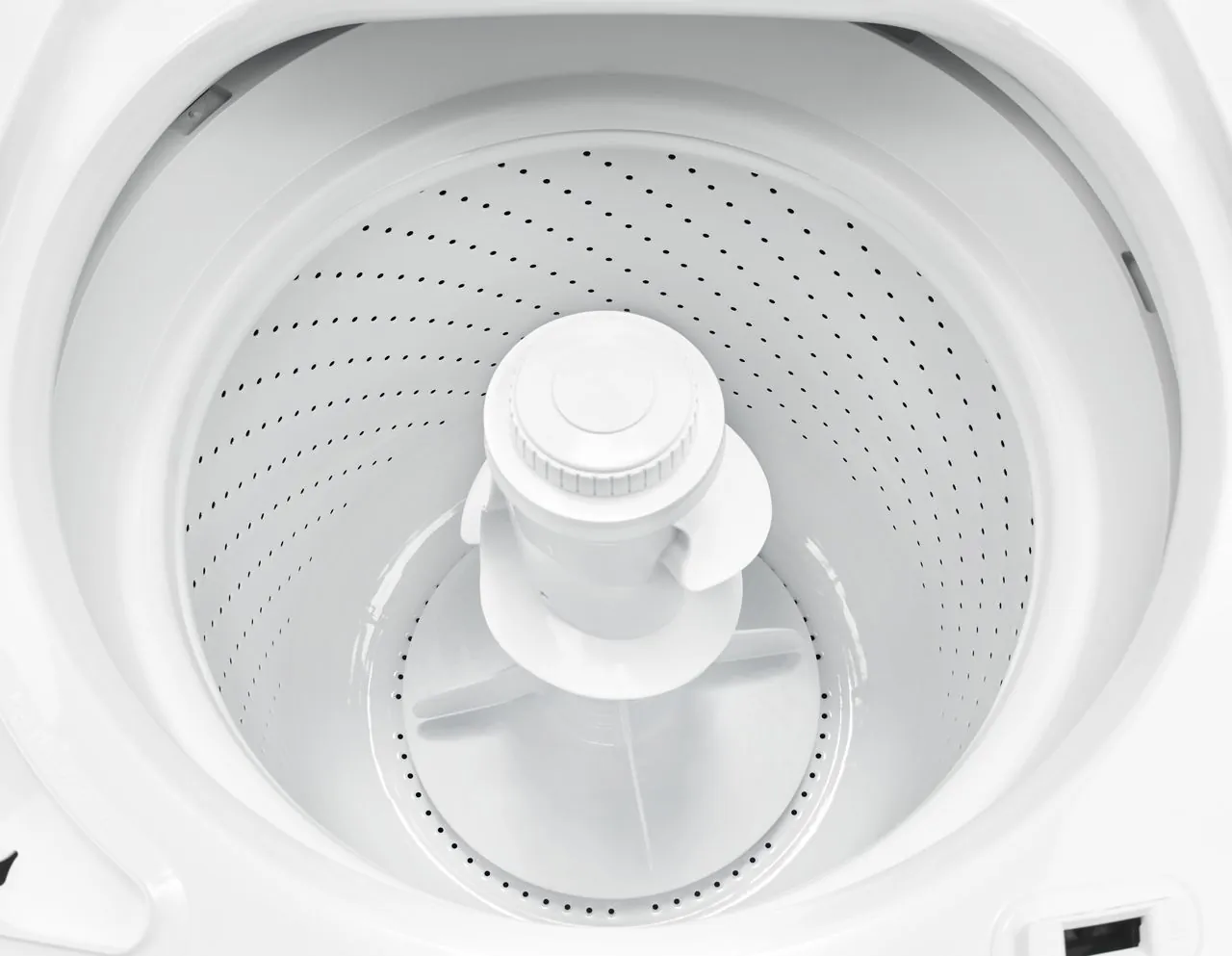
A blocked drain pump is another reason for a mid-cycle stop. If the water can’t leave the drum quickly enough, the machine will pause to avoid an overflow. Locate the small door at the bottom front of your washer, open it, and place a shallow tray underneath to catch any trapped water. Unscrew the drain filter and remove any coins, lint, or debris that might be clogging the path.
Check the drain hose as well. Ensure it isn’t kinked, crushed, or pushed too far into the standpipe in your wall. If the hose is inserted too deep, it can create a siphon effect that drains water incorrectly or causes the pump to struggle. Once the path is clear, screw the filter back in tightly and ensure the seal is secure to prevent leaks during the next cycle.
If you have a front-loading washer, wipe the rubber door gasket clean. Soap scum and hair can build up in the folds, preventing the door from closing with enough pressure to engage the lock. If the door feels loose or doesn’t click shut, the sensor will never allow the cycle to continue. Use a damp cloth to remove any debris and then try to start the cycle again.
Inspect the floor and feet
The stability of your machine is vital for its sensors to function. If the washer isn’t perfectly level, it will rock during the spin cycle and trigger the imbalance sensor. Use a carpenter’s level on the top of the machine to check if it’s tilted. If it’s uneven, adjust the leveling feet at the bottom by rotating them until the unit is firm.
Tighten the locking nuts on each foot once you find the correct height. A common mistake is leaving these nuts loose, which allows the feet to vibrate out of position within weeks. If the feet are worn down or missing their rubber pads, the machine will slide on smooth floors like tile or linoleum.
If you notice the machine “walking” across the room, check the floor for a slope. A drop of more than a quarter-inch over the width of the washer requires shims or a dedicated leveling platform. You can buy anti-vibration pads to place under each foot to provide extra grip. If the floor itself is damaged or sagging, move the washer to a more solid, concrete surface to ensure the best performance.
Popular advice that can cause damage
Never push or slam the door to override a lock error. This force frequently snaps the plastic latch or misaligns the internal sensor switch, turning a simple reset into a mechanical repair.
Adding extra detergent creates a mountain of suds that confuses water level sensors. The machine interprets this foam as an overflow, triggering an automatic shutdown. If your clothes feel slick or soapy after a cycle, you have already used too much.
Always include at least three heavy towels to provide the necessary resistance for a valid test.
Don’t restart the machine repeatedly when an error code appears. This cycle of forced restarts can fry the control board or burn out the drain pump motor. If the code persists after one power cycle, stop and check the filter.
Prevent future cycle interruptions
If you’re currently overloading the machine, you’ll face more frequent stops during the wash. A good rule is to fill the drum only three-quarters of the way full to give clothes room to move. If you have a very heavy load, split it into two smaller cycles to ensure the motor doesn’t overheat or struggle with the weight.
Most users make the mistake of packing the drum tight to save time, but this prevents the internal sensors from detecting proper water levels. If the machine stops mid-cycle with a “UE” or “E4” error code, it’s almost always an imbalance issue. In this case, open the door, redistribute the wet items manually, and restart the spin cycle.
| If you’re doing this | Do this instead | Why |
|---|---|---|
| Washing heavy rugs | Wash one at a time | Prevents uneven weight distribution |
| Using too much soap | Use the recommended dose | Excess suds block pressure sensors |
| Ignoring lint buildup | Clean the filter monthly | Removes clogs that block drainage |
| Pushing hose into wall | Use the factory bracket | Prevents siphoning and backflow |
| Ignoring vibrations | Level the machine feet | Stops the imbalance sensor trigger |
If your machine still cuts out, check the drain pump filter for trapped coins or hair ties. A blockage here causes the pump to work harder than necessary, triggering a thermal safety switch that shuts the system down to prevent permanent motor damage.
Frequently asked questions
How long does a washer reset take?
A manual reset requires disconnecting power for a short period to allow the control board to clear its memory. This time allows the control board to clear its error state. If the machine still fails, the issue is likely a mechanical failure rather than a software error.
Is it safe to keep using a washer that stops mid cycle?
It isn’t safe to ignore a machine that stops mid-cycle, as it often indicates a faulty sensor or failing pump. These stops protect the unit from stress that leads to expensive damage. Stop using the unit until a professional inspects it for safety.
Why does my washer stop during the spin cycle?
Your washer stops during the spin cycle because the accelerometer detects an unbalanced load. High-speed spinning with uneven weight causes the drum to bang against the frame, forcing the control board to cut power. Redistributing the clothes usually solves the issue immediately.
What happens if I keep restarting a washer that stops?
Repeatedly forcing a restart risks burning out the drain pump motor or damaging the door lock assembly. The machine stops to protect itself from failures like clogged drains or lack of water. Forcing a bypass can turn a simple fix into a costly repair.
Can a dirty door seal cause a washer to stop?
A dirty door seal can prevent the door from closing properly and engaging the safety latch. Soap scum or debris prevents the door from pressing tight enough to signal that the machine is ready. Wipe the gasket clean to ensure the door clicks shut.
Conclusion
If these quick checks don’t get things running again, it’s time to look at the owner’s manual for specific error codes. Don’t hesitate to reach out to a local professional if you’re unsure about the internal parts. You’ll have your laundry routine back to normal before you know it.