
When you find that your samsung refrigerator not cooling but freezer is fine, the most common cause is a thick buildup of ice blocking the airflow to the fridge section. This prevents the cold air from moving from the freezer to the fresh food compartment. You should first check the evaporator coils and the defrost system, as these are the core parts that regulate temperature and prevent ice accumulation. If the issue isn’t ice, it usually points to a failing damper or a broken fan motor.
Why your Samsung refrigerator isn’t cooling
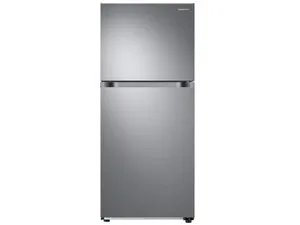
The cooling system in these units works by pulling air through the freezer and pushing it into the fridge. If the passage between these two sections becomes blocked, the freezer stays cold while the fridge temperature rises. This often happens because the defrost cycle isn’t working as it should. When the defrost heater or the temperature sensor fails, ice builds up on the evaporator coils. This ice eventually covers the coils so deeply that air can’t pass through them.
Another reason is a faulty damper assembly. The damper is a small door that opens and closes to control the amount of cold air entering the fridge. If the motor for this damper burns out or the flap gets stuck in the closed position, the fridge won’t get any cold air even if the freezer is working perfectly.
You can often tell if this is the issue by listening for the sound of the fan. If the fan runs but you feel no air coming through the vent in the back of the fridge, the path is likely blocked by ice or a stuck door.
Clear the ice buildup manually
If you suspect ice is the culprit, you can perform a manual defrost. Start by unplugging the unit and emptying all food from both compartments. Leave the doors open for at least 24 hours to ensure all ice behind the rear panel melts completely. If you have a hair dryer, you can use it on a low setting to speed up the process, but keep it moving constantly to avoid melting any plastic parts.
Once the ice is gone, check the drain hole at the bottom of the evaporator compartment. If this hole is clogged with debris or ice, water will pool and freeze, which starts the cycle all over again. You can clear the drain by pouring a small amount of warm water through it.
If the water flows freely into the drain pan at the back of the unit, the blockage is clear. Don’t use sharp metal tools to chip away ice, as you might puncture the sealed cooling system. A puncture here releases refrigerant and turns a simple repair into a costly professional service call.
Check the damper and fan motor
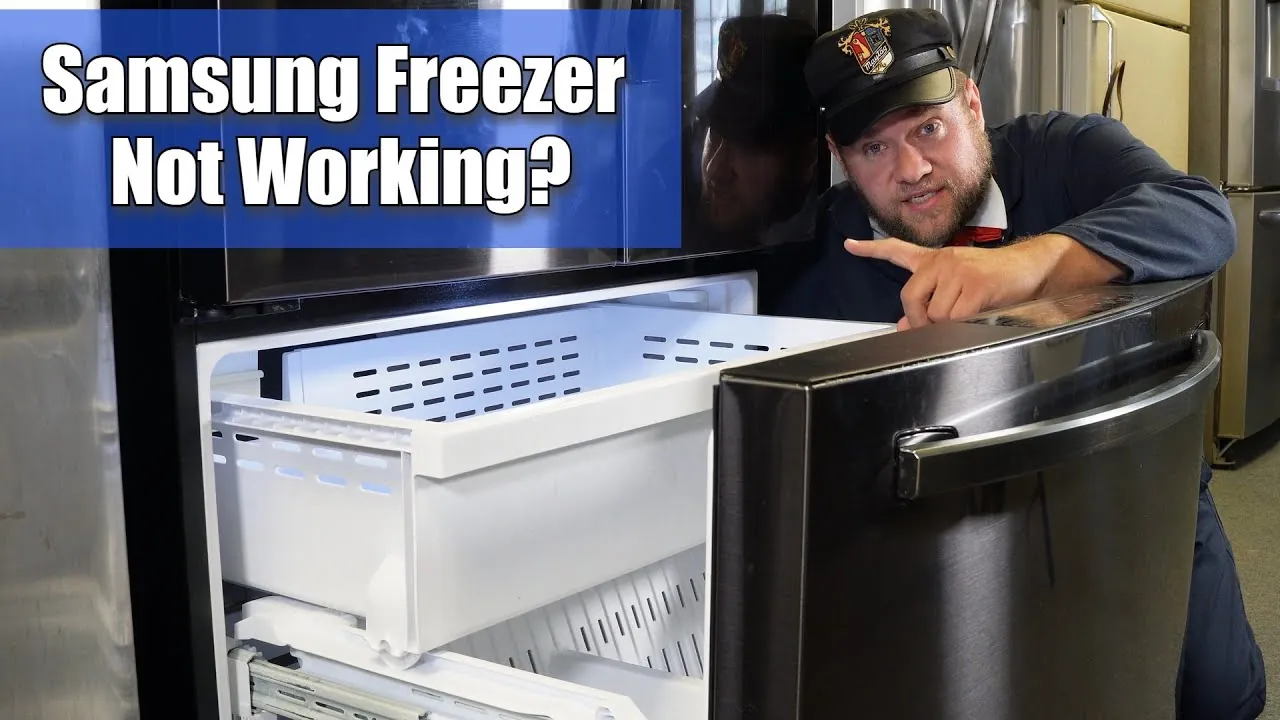
If the fridge remains warm after a full defrost, inspect the air damper. Remove the cover located on the back wall of the fridge compartment. You should see the damper assembly, which looks like a small plastic box with a flap. If the flap is stuck shut, try to move it gently with your finger. If it doesn’t move or looks broken, you’ll need to replace the assembly.
A common mistake is assuming the damper is the culprit when the thermostat is actually at fault. If the flap moves freely but the fridge stays warm, check the thermistor. If the thermistor reads as an open circuit on a multimeter, the damper will never receive the signal to open.
Next, listen for the evaporator fan. When the fridge door is closed, this fan should be spinning to push air into the cabinet. If you don’t hear a soft hum coming from the back of the freezer, the fan motor might be dead. Tape the door switch down to keep the fan running while you listen. If you hear a loud grinding noise instead of a hum, the motor bearings are failing and the unit will soon seize.
If you aren’t comfortable testing electrical components, contact a certified technician. Always use a non-conductive tool if you must probe near the motor housing.
Inspect the defrost heater and sensors
The defrost heater is a metal tube that runs along the evaporator coils. Its job is to melt the frost that naturally forms during the cooling cycle. If this heater burns out, the frost will turn into a solid block of ice within a few days. You can test the heater for continuity using a multimeter set to the lowest ohms setting. If the meter shows “OL” or infinity, the internal element is severed and the heater must be replaced.
The temperature sensor, or thermistor, tells the main control board when to start the defrost cycle. If the sensor sends the wrong signal, the fridge might never start the process. This leads to the same ice buildup issue. If you test the sensor and it shows resistance values outside the manufacturer’s specified range, replace it.
Most novices make the mistake of testing these components while they’re still powered. Always unplug the unit first to avoid false readings or electrical shorts. If the evaporator coils are completely encased in a solid block of ice, use a hairdryer on a low setting to clear the frost before testing. You can’t get an accurate resistance reading through a thick layer of ice. These parts are model-specific, so verify the part number against your appliance’s serial plate before ordering.
Mistakes that make cooling worse
Overstuffing the shelves blocks internal air vents. If you can’t see the back wall of the fridge, you have packed too much. Air must circulate to maintain a consistent temperature, or your food will spoil in the warm pockets.
Leaving the door open for more than thirty seconds allows moisture to enter. This humidity accumulates as frost on the evaporator coils, which forces the compressor to run continuously.
Never use a knife or screwdriver to chip away ice buildup. Puncturing the thin metal of the evaporator coil releases refrigerant instantly. This mistake is almost always fatal to the appliance.
Check your door seals by closing the door on a dollar bill. If the bill pulls out with zero resistance, replace the gasket. A loose seal forces the motor to cycle constantly, driving up your monthly utility costs.
Stop the ice from coming back
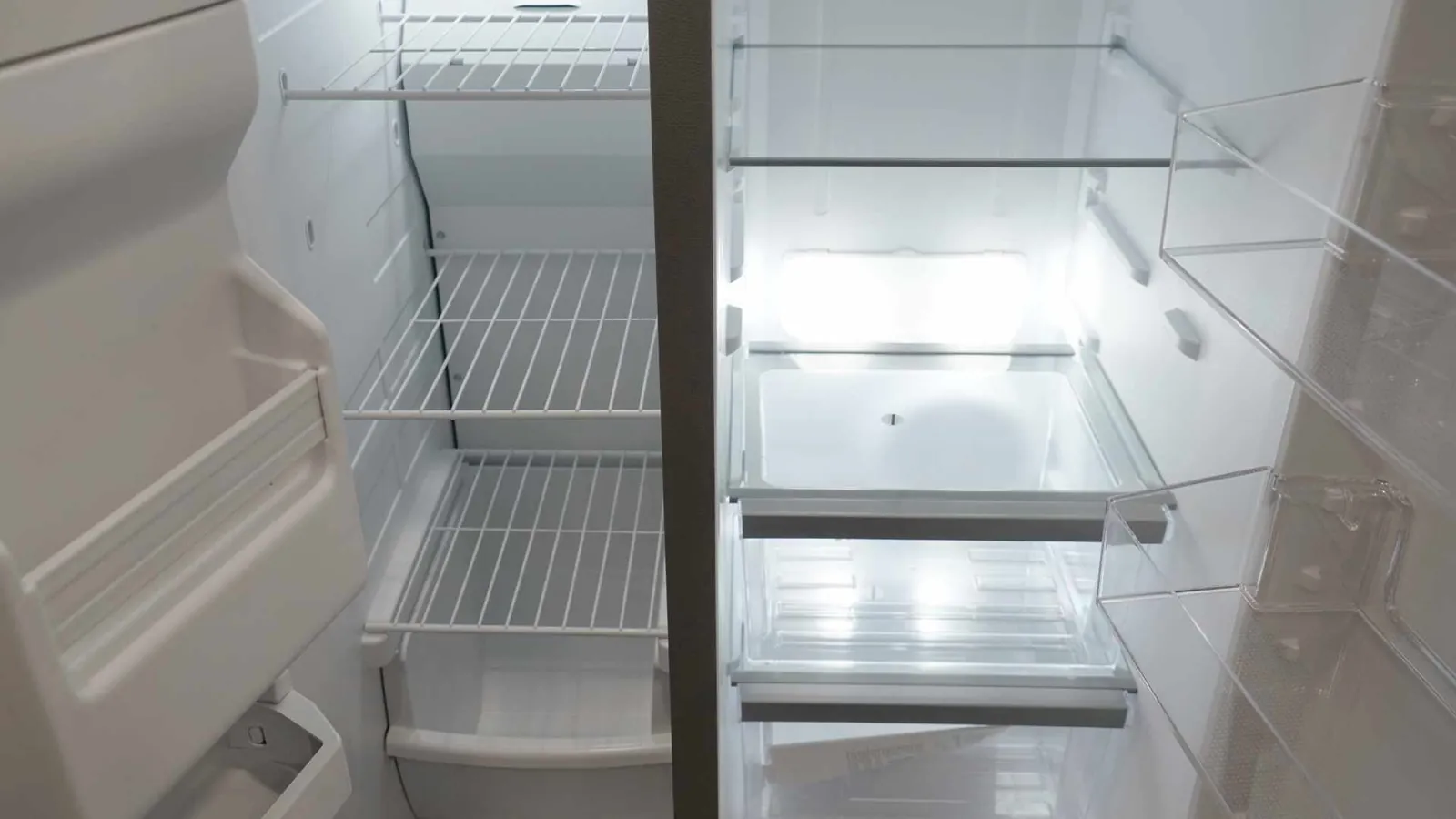
To keep your fridge running well, you must ensure the air stays moving and the moisture stays out. If your unit is currently struggling, follow this table to adjust your maintenance habits.
| If you’re doing this | Do this instead | Why |
|---|---|---|
| Pushing food against the back wall | Leave a 2-inch gap | Air needs space to circulate |
| Ignoring frost on the back wall | Perform a manual defrost | Frost buildup blocks air vents |
| Cleaning with harsh chemicals | Use warm, soapy water | Chemicals can degrade door seals |
| Keeping the fridge in a hot garage | Move to a climate-controlled room | High heat forces the compressor to run nonstop |
Check your door gaskets by closing the door on a single dollar bill. If the bill slides out with zero resistance, your seal is compromised and leaking humid air into the compartment. Replace the gasket immediately to prevent constant icing.
Most people mistake a cold interior for a healthy one, but persistent frost indicates a failing defrost timer. You must replace it to avoid a total compressor failure.
Move it indoors to maintain a consistent internal climate.
Related guides
- Sub Zero Refrigerator Troubleshooting: Fix Cooling Issues Fast in 2026
- Nordic RV Refrigerator Troubleshooting: Fix Cooling Issues Fast in 2026
- Whirlpool Refrigerator Troubleshooting: Simple Fixes for Cooling in 2026
Frequently asked questions
How long does a manual defrost take?
A manual defrost takes at least 24 hours with the doors open to ensure all ice melts. Rushing this process with heat sources risks melting the interior plastic liners or damaging electronic sensors. It’s best to let the unit thaw naturally at room temperature.
Is it safe to use a hair dryer to defrost?
You can safely use a hair dryer on its lowest heat setting if you move it constantly to prevent hot spots. Keep the dryer at least 6 inches away from surfaces to avoid warping plastic components. Stop immediately if the plastic begins to soften.
How do I know if the fan motor is broken?
You can tell the fan is broken if you hear no sound or feel no air when the door switch is pressed. Holding the switch down should cause the fan to spin. If you hear grinding or clicking, the motor bearings are likely worn out.
Can a bad control board cause this?
Yes, a bad control board can cause this if it stops sending power to the defrost heater or fan motor. The main board acts as the brain for the fridge, and a failed relay prevents the unit from clearing ice. This often requires a technician to diagnose and replace.
What happens if I ignore the ice buildup?
Ignoring ice buildup will eventually cause the fridge section to stop cooling entirely. The ice covers the evaporator coil, preventing cold air from reaching the fresh food section. This can also cause the compressor to overheat and fail, leading to expensive repairs.
How often should I clean the condenser coils?
You should clean the condenser coils every 6 to 12 months to ensure proper heat exchange. Dust buildup on these coils acts as an insulator, forcing the compressor to work harder. Use a vacuum with a soft brush attachment to remove debris and improve efficiency.
Conclusion
If these simple checks don’t get your food cold again, it’s best to call a professional technician. They’ll have the right tools to test your fridge’s sensors or control board safely. Don’t worry, as many of these repairs aren’t too expensive, and you’ll have your kitchen back to normal in no time.