
If your appliance stops working, you can fix most issues by using an lg washing machine troubleshooting guide provided by the manufacturer. Most problems stem from blocked filters, uneven loads, or simple power interruptions. Before you call for help, always check the power cord, the water supply valves, and the door latch, as these are the most frequent causes of a machine that won’t start or drain.
Troubleshoot common washing machine errors
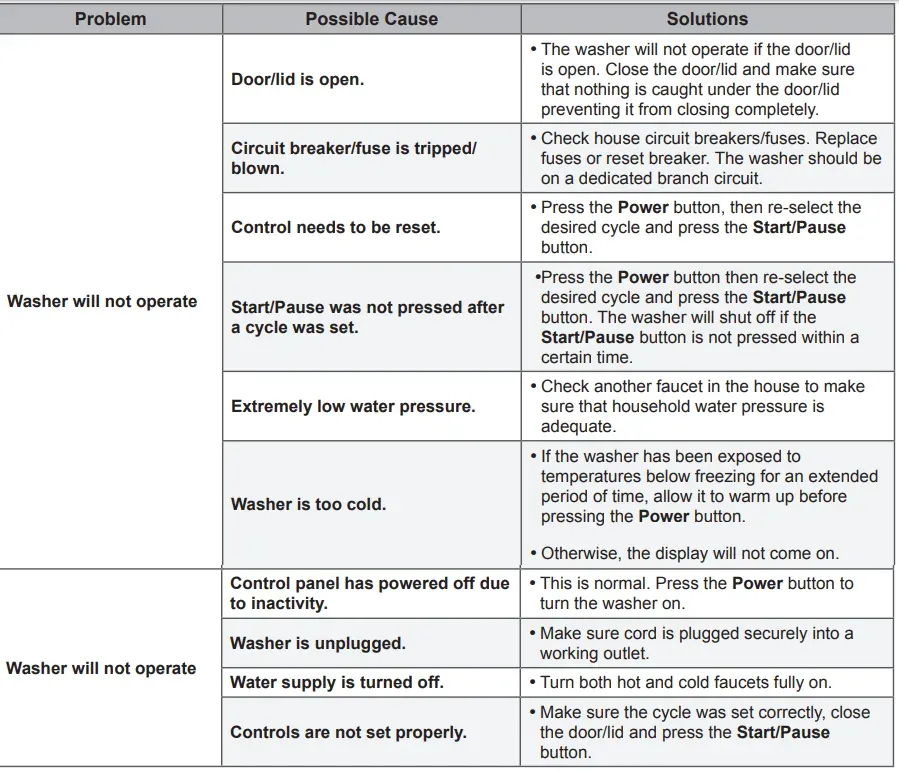
When your machine stops mid-cycle, the cause is often a simple mechanical blockage or a sensor error. Most modern units detect when water flow is restricted or when the weight inside is unbalanced. If the machine vibrates excessively, it’s usually because the feet aren’t level or the laundry is bunched up on one side. This prevents the drum from spinning at high speeds, which triggers a safety pause.
Check your machine’s level by placing a carpenter’s spirit level across the top. If the bubble is off-center, adjust the threaded feet until the unit sits flush against the floor. A machine that rocks even slightly will trigger an imbalance error every time the spin cycle hits high revolutions.
Another common cause is a clogged drain pump filter. Small items like coins, hairpins, or buttons often slip past the drum and settle in the drain area. Once this area is blocked, the machine can’t empty the water. Without emptying, the unit refuses to enter the spin cycle.
You can check this by opening the small door at the bottom front of your unit and clearing the debris. Keep a shallow pan and a towel ready, as residual water will spill out the moment the cap is loosened.
Finally, check the water inlet hoses if your clothes aren’t getting wet. Sometimes the mesh screens inside the hose connections get filled with mineral deposits. If your water pressure is low, the machine may time out because it can’t fill the tub fast enough. Always ensure the taps are fully open before you assume the machine itself is broken.
Clear the drain pump filter
This fix is for when your washer displays an error code related to drainage or if water remains in the drum after a cycle. You’ll need a shallow bowl or a baking pan and a towel to catch the water that spills out. First, turn off the power to the machine at the wall outlet. Locate the small access door at the bottom corner of the front panel.
Open the door and find the small drain hose. Place your bowl underneath it, pull the plug, and let the water flow out completely. This might take a few minutes if the drum is full. Once the water stops, unscrew the large filter cap by turning it counter-clockwise. Pull the filter out and rinse it under a sink tap to remove all lint, hair, or small objects.
Wipe the inside of the filter housing with a damp cloth to clear any remaining gunk. Slide the clean filter back in and turn it clockwise until it’s tight. If it’s loose, the machine will leak during the next cycle. Put the drain hose plug back in, close the door, and run a short rinse cycle to confirm the water drains correctly. If you can’t remove the filter because it feels stuck or damaged, don’t force it; call a professional.
Balance the laundry load
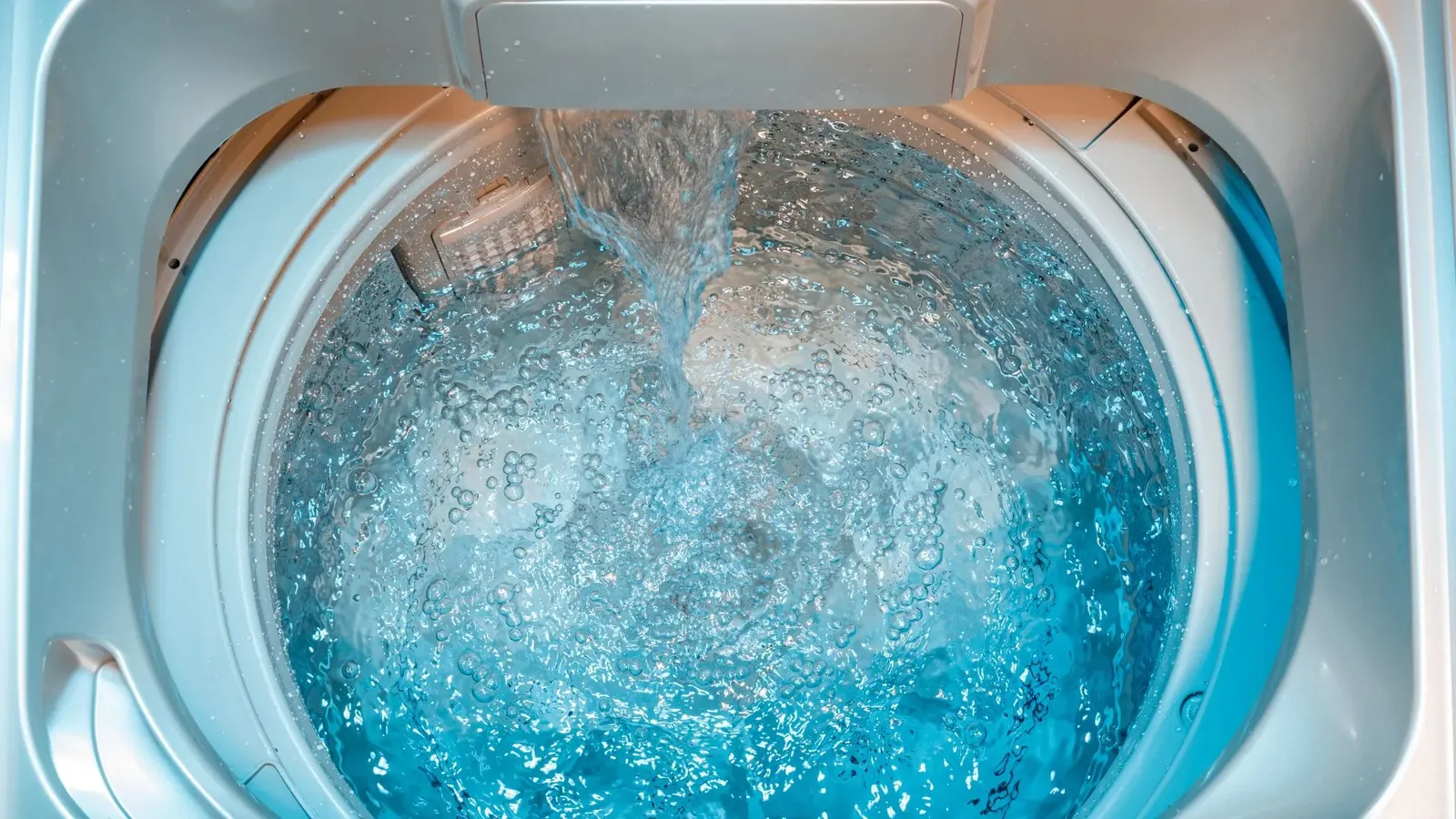
This fix is for machines that shake, walk across the floor, or stop spinning during the cycle. An unbalanced load happens when heavy items like towels or rugs soak up too much water and clump together. To fix this, pause the cycle and open the door. Spread the wet clothes out evenly around the drum. If you’re washing a single heavy item, add a few smaller towels to help balance the weight.
When loading, keep the drum roughly three-quarters full. Overloading prevents items from shifting, while underloading stops the machine from sensing the weight correctly. If you wash only one pair of jeans, the machine will struggle to distribute the mass, leading to a mid-cycle error.
Check the level of the machine by pushing on the top corners. If the unit rocks, you must adjust the leveling feet at the bottom. Use a wrench to loosen the locking nut, then turn the foot until it touches the floor firmly. Tighten the locking nut back up against the frame to keep it in place. If the floor is uneven, you may need a small rubber pad under the foot to stop the movement.
If the machine still vibrates after you have leveled the feet and redistributed the load, the internal suspension springs might be worn out. If you hear loud banging noises during the spin cycle, this isn’t a user fix. You should contact a service technician to inspect the internal components, as these parts require specialized tools and safety training to replace. A failure to address these internal springs can eventually damage the motor bearings or the outer tub seal.
Reset the electronic control board
If the display is frozen or the machine is acting erratically, a hard reset often clears the internal memory. This is worth trying when the machine seems to have a “glitch” that doesn’t match any specific error code. First, unplug the machine from the wall outlet completely.
If you reconnect power too early, the board may retain its previous state, rendering the reset useless.
Plug the power cord back into the wall outlet. Turn the machine on and try to run a simple cycle. If the display lights up normally and the machine responds to your commands, the reset worked.
If the display remains blank or shows a persistent error code after the reset, the control board may be failing. A common mistake is assuming a reset fixes a hardware failure; if the machine still won’t start after two attempts, the board likely has a burnt trace or a blown relay.
This is a complex repair involving sensitive electronics. Don’t attempt to open the control panel or touch any internal wiring yourself. If you aren’t comfortable with basic electrical safety or if the unit is under warranty, contact the manufacturer’s authorized service team to handle the repair. Attempting to bypass these safety measures often voids your warranty or risks a short circuit.
What not to do
Never use standard dish soap. Liquid soap creates excessive suds that overflow, short-circuiting internal sensors and triggering error codes that require a professional reset. If your machine is already suds-locked, run an empty rinse cycle with a half-cup of white vinegar to neutralize the bubbles.
Don’t force the door open. If the latch holds, the machine is either mid-cycle or detecting high internal temperatures. Forcing it snaps the plastic housing, a repair that often costs more than the machine’s residual value.
Avoid chemical drain cleaners. These caustic agents are formulated for PVC pipes, not the delicate rubber seals and aluminum pump housings found in washers. They cause rapid degradation, leading to slow leaks that rot your subfloor.
Don’t ignore loud grinding sounds. If you hear metal-on-metal noise, stop the machine immediately. This indicates a failed drum bearing. Continuing to run the cycle will warp the shaft, turning a manageable repair into a total loss.
How to stop it happening again
Maintaining your appliance requires regular attention to the filters and the load size. By keeping the exterior and interior clean, you avoid the most common mechanical failures that lead to expensive service calls.
| If you’re doing this | Do this instead | Why |
|---|---|---|
| Overloading the drum | Fill to 3/4 capacity | Allows clothes to move |
| Leaving coins in pockets | Check all pockets first | Prevents pump blockage |
| Using too much detergent | Follow the cup lines | Reduces soap buildup |
| Ignoring vibration | Level the feet | Stops internal wear |
| Leaving door closed | Leave door ajar | Prevents mold and odors |
If your machine isn’t draining, check the pump filter first. If the machine is leaking, check the door seal for debris. If the machine doesn’t turn on, check the breaker and the power cord connection. If you hear loud thumping, redistribute the laundry. If the machine smells bad, run a cleaning cycle with a specialized washer cleaner. If you see an error code, look it up in your manual before calling for service.
Related guides
- Amana Washing Machine Troubleshooting: Fix Common Cycle Errors in 2026
- Kenmore Sewing Machine Troubleshooting: Fix Common Errors Fast in 2026
- Samsung Clothes Washer Troubleshooting: Fix Common Errors Fast in 2026
Frequently Asked Questions
Can I fix a motor issue myself?
No, you shouldn’t attempt to fix or replace a motor yourself. These components are heavy, involve high-voltage electricity, and require specific tools to align correctly. If the motor is the problem, it’s a task for a qualified service technician. Trying to open the motor housing or the cabinet to reach the motor risks personal injury and will likely void your manufacturer’s warranty.
How long should a washer last?
Most machines last 10 to 12 years with regular use and proper care. This lifespan assumes you clean the filter and avoid overloading the drum. Note that daily use for large families may shorten this range.
Is it safe to use an extension cord?
No, you should never use an extension cord with a washing machine. These appliances pull a high amount of current, which can cause an extension cord to overheat and start a fire. Always plug the machine directly into a grounded wall outlet. If your outlet is too far from the machine, you must have a licensed electrician install a new outlet closer to the appliance to ensure your home remains safe.
Why is my machine shaking during the spin?
Your machine is shaking because the load is unbalanced or the feet aren’t level on the floor. When clothes clump together, the weight distribution becomes uneven, causing the drum to wobble at high speeds. First, pause the cycle and redistribute the items. If it still shakes, use a level tool to ensure all four feet are touching the floor firmly and the locking nuts are tightened to keep them from moving.
What happens if I use too much soap?
Using too much detergent creates excess suds that can overflow and damage electronic sensors. This residue also traps mold and odors in the rubber door seal. Always follow the manufacturer’s lines on the dispenser to ensure the correct amount for your load.
Conclusion
If these simple checks don’t resolve the issue, don’t worry. You can easily schedule a professional repair through the official website or contact their support team for further guidance. Keeping your appliance in great shape doesn’t have to be stressful, and you’ll have your laundry routine back to normal in no time.