
A faulty water level sensor or a stuck relay is usually why a washing machine drain pump keeps running even after the cycle ends. When the pump motor doesn’t stop, it often means the control board thinks there’s still water inside the drum. You can stop this by unplugging the machine from the wall outlet to cut the power immediately. If the pump stops when you plug it back in but restarts later, the issue is likely a sensor or a control board error.
Reasons your washing machine drain pump keeps running
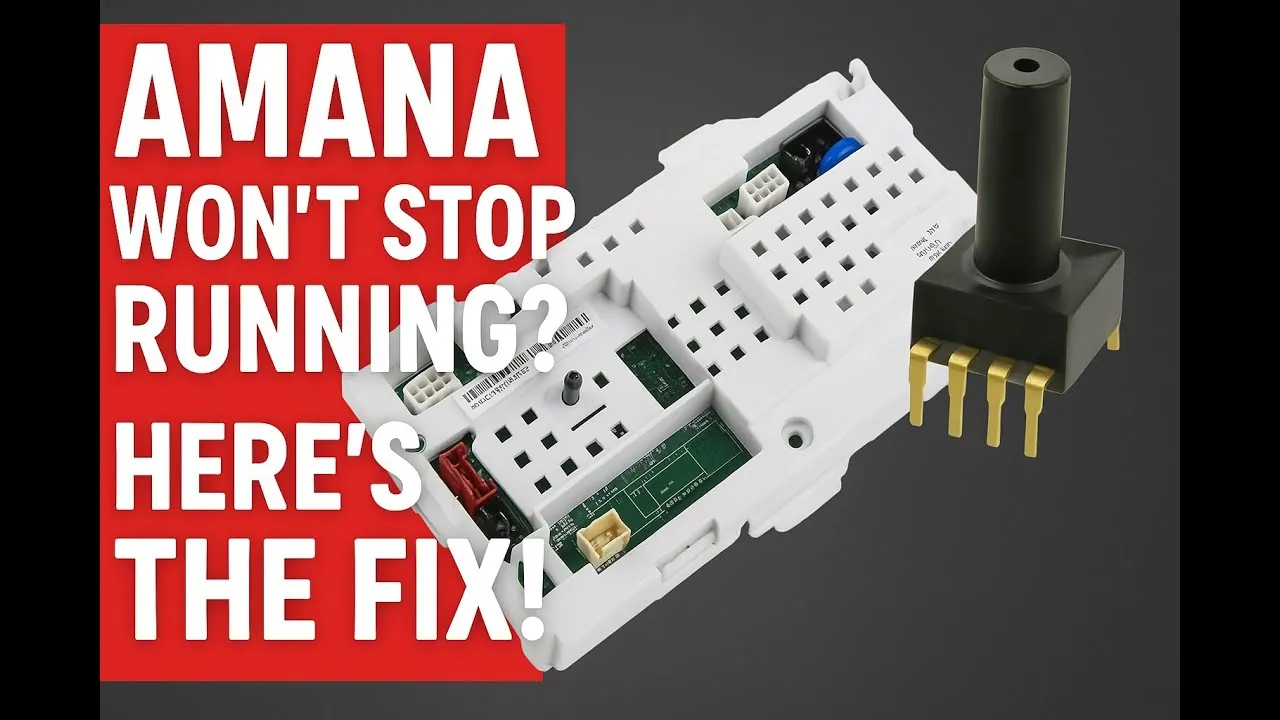
The most common reason for this behavior is a signal error from the pressure switch. This small part monitors the water level inside your washer. If the tube connected to it’s blocked by debris or kinked, the switch can’t tell the control board that the drum is empty. The machine then keeps the pump running because it believes it must remove more water to prevent a flood.
Another cause is a stuck relay on the main control board. Relays act like switches that turn power on and off to components like pumps. If the internal contacts fuse together due to a power surge or simple wear, the pump receives constant electricity regardless of the cycle status. This is a mechanical failure within the board that usually requires professional diagnostics to confirm.
Finally, some modern machines trigger a continuous drain cycle as a safety feature when they detect a leak. If water has pooled in the base tray of the machine, a float switch will activate. This forces the pump to run constantly to prevent water from reaching electrical parts. You can check your machine’s official user manual to see if your model has a flood protection mode that stays active until the base is dry.
Safety: Inside a mains-powered machine, the parts behind the outer cover can hold a dangerous electrical charge even after it has been unplugged — that’s why they sit behind a cover. Opening the housing, or testing or replacing anything behind it, is a job for a qualified technician, never a home repair.
Reset the machine control board
Sometimes the computer in your washer just needs a fresh start to clear a temporary error. This fix is for machines that have electronic displays or digital controls that might be stuck in a software loop. You should only attempt this if the machine is otherwise dry and you don’t smell burning plastic or electrical smoke.
To reset the board, pull the plug from the power outlet and leave it disconnected for at least 15 minutes. This allows the internal capacitors to discharge their stored energy completely. If you reconnect the power too early, the board may retain the corrupted memory state that caused the initial lockup.
After the time passes, plug the machine back in and run a short spin-only cycle to see if the pump behaves normally. If the pump starts running as soon as you plug it in, the problem is likely a hardware failure on the board rather than a software glitch.
If the display remains blank or flashes a persistent error code after the reset, check your manual for the specific fault sequence. A code that repeats immediately after a power cycle signals a failed sensor or a shorted component. If this reset doesn’t work, don’t try to open the cabinet or touch internal wiring. A technician with the proper tools must handle board replacements or relay repairs.
Inspect the drain hose for clogs
A blocked drain hose can trick your washer into thinking the cycle isn’t finished. If the hose is kinked, bent, or filled with lint, the water can’t exit the drum fast enough. The pump will stay on, trying to clear the water that’s trapped in the line. This fix is for when the pump is making a loud, strained noise during the drain process.
Check the hose at the back of your washer to ensure it isn’t crushed against the wall. A hose squeezed into a space narrower than three inches often restricts flow enough to trigger an error code. Look inside the drain point where the hose connects to your house plumbing. If you see a buildup of debris or lint, carefully clear it out.
You can also lower the drain hose into a bucket to see if water flows out freely. If water drains well into the bucket but the pump keeps running, the hose isn’t the problem. If the pump stops or changes its sound once the water is cleared, you have solved the blockage.
Many users mistakenly push the hose too far into the standpipe, creating a siphon effect that prevents proper drainage. If your hose is inserted more than six inches into the pipe, pull it back until only four inches remain to allow for necessary air gaps.
Check the pressure switch tube
The pressure switch tube is a thin plastic hose that carries air pressure to the sensor. If this tube is loose, cracked, or clogged with soap scum, the pressure sensor will send the wrong signal to the control board. This is a common issue in older machines where the tube might have become brittle over time.
Look for a small, thin tube connected to the side or top of the drum. Gently wiggle the connection point to ensure it’s tight and not leaking air. If the tube looks pinched, straighten it out carefully so air can pass through. If you find a crack or a hole, you must replace the tubing. Don’t use tape to patch it, as this won’t hold against the internal pressure.
Before concluding the tube is sound, detach it from the pressure switch and blow firmly through the hose toward the drum. You should hear a clear, bubbling sound of air entering the water chamber. If the line feels blocked or you can’t force air through, debris is trapped inside. Use a thin wire to clear the obstruction, but be careful not to puncture the plastic walls.
If you aren’t comfortable identifying this part or if the tube is deeply buried, call a service professional. Opening the machine housing to reach deep internal parts is dangerous if you aren’t trained, as electrical components can hold a charge even when the power is off.
Common mistakes that cause damage
Ignoring a grinding pump sound often signals a failing impeller or a worn bearing. If you hear this metallic screeching, stop the cycle immediately to prevent the motor from seizing or burning out entirely. A replacement pump costs significantly less than a full motor assembly.
If the machine doesn’t respond to a quick tap, unplug it for one minute to reset the logic board safely.
Overloading creates an uneven weight distribution that forces the tub to strike the frame during spin cycles. This impact frequently kinks the internal pressure tubes, leading to permanent drainage errors. If you can’t fit a vertical hand between your clothes and the top of the drum, remove items.
Excess detergent creates thick suds that coat the pressure switch tube. This tricks the sensor into sensing water that has already drained, causing the machine to stall mid-cycle. Use no more than two tablespoons of high-efficiency soap per load.
Preventing future pump issues
| If you’re doing this | Do this instead | Why |
|---|---|---|
| Using extra detergent | Use the recommended amount | Less soap means less foam in the sensors |
| Pushing washer against wall | Leave a 2-inch gap | Prevents kinking the drain hose |
| Ignoring small leaks | Fix the seal immediately | Water in the base triggers the pump |
| Washing heavy rugs | Use a mesh laundry bag | Keeps debris out of the drain pump |
Excessive suds often cause the control board to register a false “overfill” error, forcing the pump to run dry until it overheats. If your machine stops mid-cycle with a code, check the drain filter for soap scum buildup before calling a technician.
Kinked hoses are the leading cause of premature pump failure. If the hose bends at a sharp angle, the pump struggles to push water through the restriction.
Always inspect the floor beneath the unit after a heavy load. A damp floor indicates a slow leak from the pump housing seal.
When washing rugs, the backing often shreds during the spin cycle. Use a mesh bag to trap these rubber fragments. If they reach the pump, they will jam the motor and cause a total drainage failure.
Related guides
Frequently asked questions
Can I leave the washer plugged in if the pump is running?
You should unplug the washer immediately to prevent the pump motor from overheating. Continuous operation causes excessive friction and heat that the motor isn’t designed to handle. Unplugging it’s the safest way to stop the electrical draw and prevent a potential fire hazard.
Is it safe to use the machine if the pump is noisy?
A noisy pump usually indicates a physical blockage or failing internal bearings. If you continue to use the machine, the motor may seize, leading to a blown fuse or damaged control board. You should stop using the washer and have a technician inspect the pump for debris or wear.
How long does a drain pump typically last?
A standard washing machine drain pump typically lasts between 7 and 10 years. Frequent washing of items with heavy lint or loose coins may cause the pump to fail sooner. Check your manufacturer’s documentation to see if your unit is still within its expected service window.
Why does the pump run when the machine is off?
The pump runs while the machine is off because a relay on the control board has likely failed in the “on” position. This hardware failure means the board is constantly sending power to the pump. You’ll need a professional to replace the control board to restore normal operation.
What happens if I ignore the pump running?
Ignoring a constantly running pump risks burning out the motor and damaging the main control board. The constant heat degrades internal electrical components, eventually causing the pump to stop working entirely. This turns a simple relay issue into a much more expensive repair requiring multiple parts.
Conclusion
If the motor continues to hum despite your efforts, it’s time to reach out to a professional technician. They’ll have the right tools to test your internal wiring and replace any damaged components. Don’t let the problem linger, as it’ll eventually lead to a burnt-out pump or higher utility bills.