
Most homes find that the gas vs electric stove monthly cost averages between $5 and $15, depending on local utility rates and your specific cooking habits. While gas is often cheaper per unit of energy, electric cooktops are more efficient at moving that heat into your pan. You’ll find that electric stoves typically cost less to operate in regions where electricity prices are low compared to the price of natural gas.
Comparing cooktop energy expenses
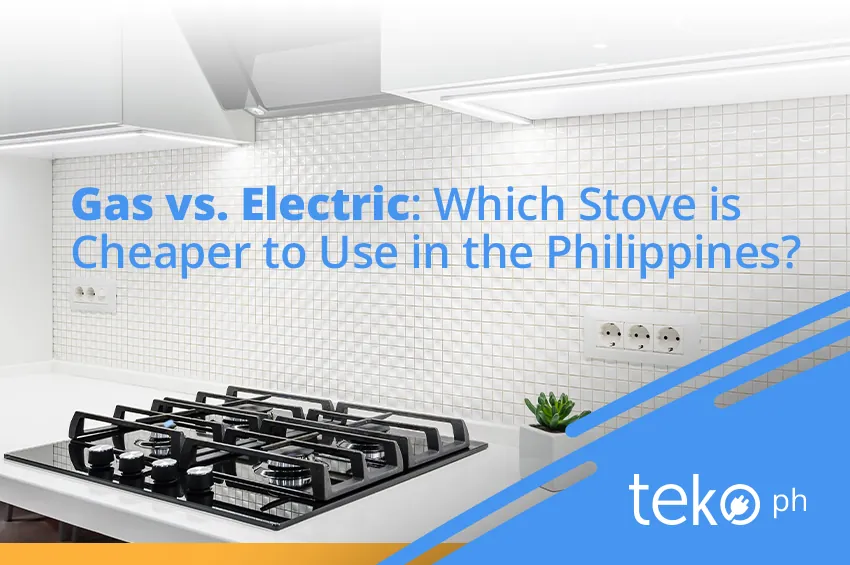
Choosing between these two fuels depends on the efficiency of the appliance and your local utility pricing. Gas stoves lose heat around the sides of the pot, while electric or induction models transfer heat directly into the cookware. This means an electric stove might use fewer total units of energy to boil the same amount of water, even if electricity itself costs more per kilowatt-hour than gas does per therm.
| Method | How long | Effort | Cost | Best for |
|---|---|---|---|---|
| Gas | Fast | Medium | Low | Precise heat |
| Electric | Medium | Low | Medium | Easy cleaning |
| Induction | Fastest | Low | Medium | High efficiency |
To calculate your true operating cost, multiply your utility rate by the appliance’s energy consumption. If you pay more than $0.15 per kilowatt-hour for electricity but under $1.20 per therm for natural gas, gas remains the cheaper choice for long-simmering dishes. However, induction flips this math because it’s roughly 85% efficient, compared to 40% for gas.
The biggest mistake is ignoring the “standby” cost of electric coils, which lose heat as they cool down. If you cook daily, induction saves you roughly 20% on energy bills compared to standard electric resistance stoves.
Check your latest utility bill to see the exact rate you pay per unit. When calculating your total monthly operating cost, include all line items on your utility bill, as delivery charges and fixed fees are part of the total expense of using the appliance. If you live in a region with time-of-use pricing, avoid running your electric cooktop during peak afternoon hours when rates can spike by 300%.
Using a gas cooktop
Operating a gas stove requires manual control of the flame to manage temperature. You must ensure the burner size matches your pan to avoid wasting heat. Use the smallest burner possible for small pots, as a large burner set to low will still bleed heat around the sides, scorching your handles and wasting fuel.
Turn the control knob to the “Lite” position to ignite the burner. Once the flame catches, adjust the dial so the blue cones just touch the bottom of the pan. If the flame licks up the sides, you’re heating the air rather than the food, which adds unnecessary time to your cook.
Turn the knob to “Off” immediately once you finish. If you hear a clicking sound after the flame dies, the igniter is stuck; pull the knob off and ensure no debris or moisture is trapped in the switch.
Gas provides instant heat and visual feedback. If you notice a faint smell of sulfur or rotten eggs, turn off the burners and leave the area, as this could indicate a leak. Open windows to vent the space before calling a professional.
If you don’t have a gas line installed, the cost to add one is high, often requiring professional plumbing and ventilation work. If you’re choosing between gas and induction, remember that gas requires a high-CFM range hood to clear combustion byproducts. Without proper ventilation, you risk poor indoor air quality, regardless of how well you manage the flame.
Using a radiant electric stove
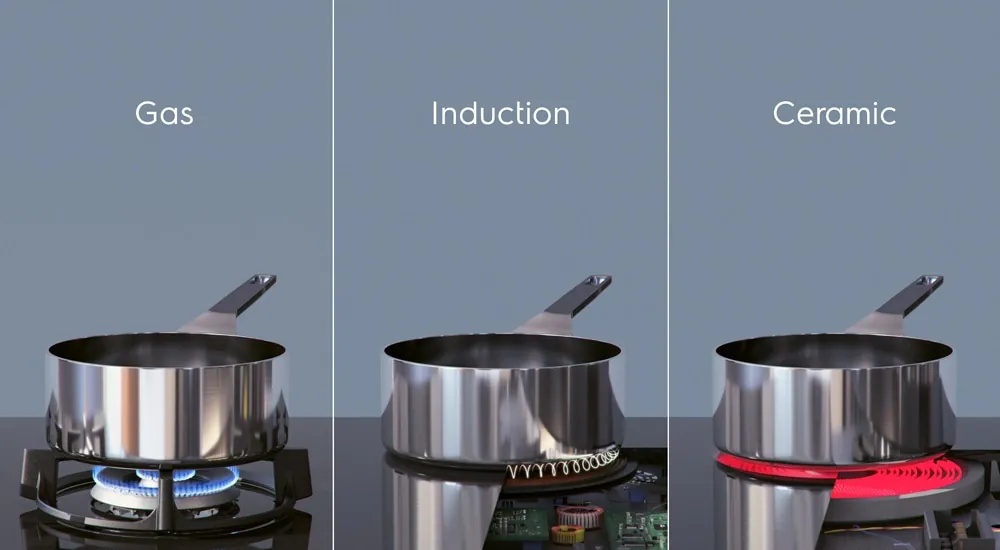
Radiant electric stoves use metal coils or glass-top heating elements that glow red when hot. These surfaces retain intense heat long after you turn the dial to off.
Place your pan on the burner before activating the heat. If you wait until the element glows red to set the pan down, you risk uneven searing or scorching the base of your cookware.
Select your heat setting based on the task. Use levels 1 through 3 for gentle simmering, 4 through 6 for sautéing, and 7 through 10 only for boiling liquids. Because radiant elements cycle on and off to maintain temperature, never use a pan with a warped or concave bottom.
A gap of even an eighth of an inch between the metal and the glass prevents the internal sensor from reading the temperature correctly, which often causes the burner to cycle off prematurely.
Move the pan to a cool burner the moment your food is ready. This simple habit prevents residual heat from overcooking delicate ingredients like eggs or fish.
If you’re cooking with cast iron, lift the pan to move it rather than sliding it. Dragging heavy, abrasive cookware across a glass surface creates permanent micro-scratches that trap burnt food. If you accidentally spill sugary liquids, wipe them away immediately with a damp cloth while the surface is still warm. Once sugar hardens, it can be difficult to remove; scrape it away while the surface is warm to avoid damaging the glass finish.
Using an induction cooktop
Induction technology uses electromagnetic fields to heat the pan directly rather than the surface of the stove. This makes it the fastest way to boil water or change temperatures.
- Place a magnetic-compatible pan on the designated cooking zone.
- Set your desired power level using the digital touch controls.
- Remove the pan to stop the heating process instantly.
Induction is highly efficient because almost no heat is wasted on the surrounding air. The surface stays relatively cool, which makes it safer for homes with children.
To test your existing pots, hold a magnet to the bottom. If it clings firmly, the pan will work. If the magnet slides or falls, the base lacks the necessary iron content, and the burner will fail to engage.
Many users mistakenly assume that all stainless steel is compatible. This is a common error that leads to expensive, unusable sets. Check the bottom for an induction-ready coil symbol, which looks like a horizontal spring.
If you cook with high-acid foods, stick to stainless steel rather than cast iron. Acidic ingredients can strip the seasoning from cast iron, leaving a metallic taste in your meal. Always match the pan diameter to the burner size. A pan that’s too small for the zone may fail to engage the induction sensor or result in inefficient energy transfer.
How to pick your stove
When you’re in a hurry, induction is the clear winner because it boils water faster than gas or traditional electric coils. If you’re doing this for the first time, a standard electric radiant stove is the easiest to learn since the controls are intuitive and forgiving. If you want the best possible result whatever it takes, induction provides the most precise temperature control for delicate tasks like melting chocolate or searing meat.
The trade-off is between the low operating cost of gas and the high performance of induction. While gas is often cheaper to run, it requires more ventilation to keep your indoor air quality high. Electric and induction models are cleaner to maintain but may require a higher upfront investment if your kitchen lacks the necessary high-voltage wiring.
Check your breaker box before buying. If you see a double-pole 240-volt breaker, you’re ready for induction. If you only have standard 120-volt outlets, expect to pay an electrician between $500 and $1,500 to run a new line.
Many buyers mistakenly assume their current cookware works on induction. Test your pans with a magnet. If it doesn’t stick firmly to the bottom, the stove won’t generate heat. Avoid the common trap of buying a hybrid range; they often combine the worst of both worlds by pairing slow electric burners with expensive induction zones. Choose one technology and commit to it.
Staying safe and efficient
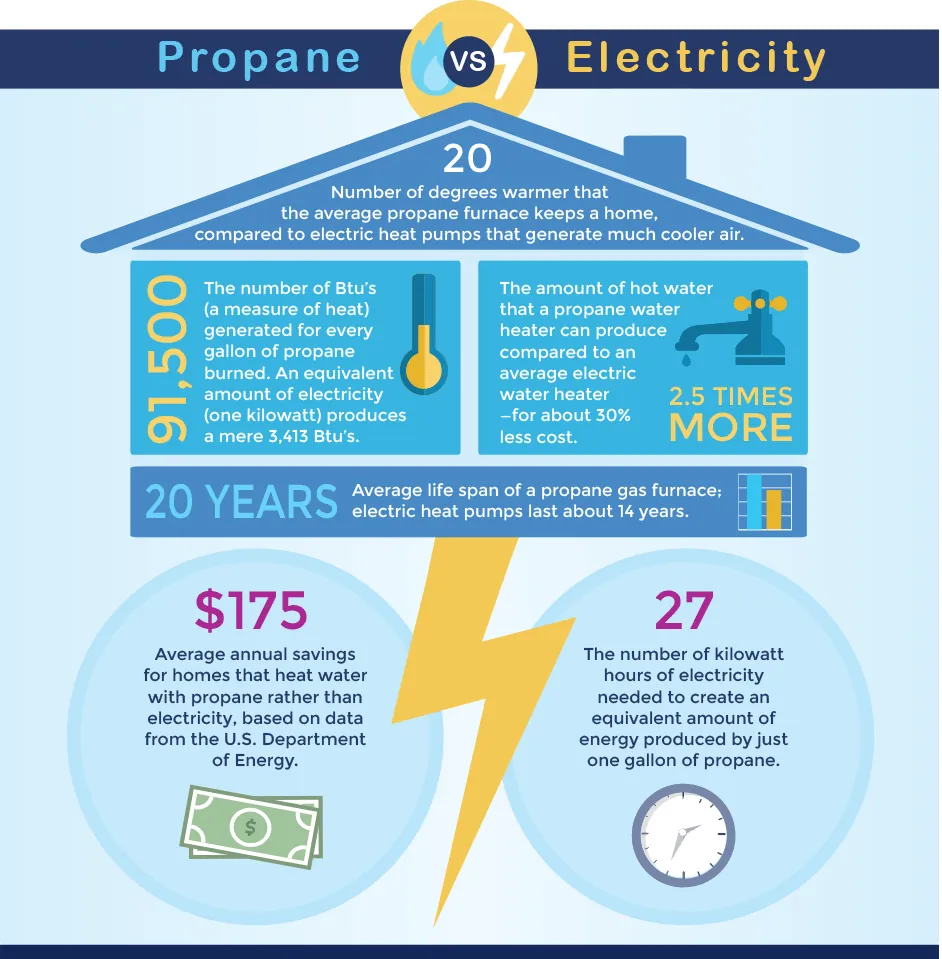
Regardless of the stove you choose, maintaining your equipment ensures lower monthly bills and safer operation. Always keep your burners or heating elements clean, as burnt-on food acts as an insulator and forces the stove to work harder. The U.S. Department of Energy provides resources on how to select appliances that minimize energy waste.
Check your cookware regularly for warped bottoms, as they prevent proper heat transfer and increase cooking time. If you use gas, ensure your range hood is functioning properly to vent combustion byproducts outside.
For electric models, verify that your pans are the correct diameter for the burner to maximize efficiency. Never attempt to repair internal components yourself; a capacitor inside an electric range can hold a lethal charge even when the unit is unplugged, so leave electrical repairs to a licensed technician.
Related guides
- 3 Phase Electric Motor Troubleshooting: A Practical Guide in 2026
- Breckwell Pellet Stove Troubleshooting: Fix Common Issues in 2026
- Electric Power Washer Troubleshooting: Fix Common Failures in 2026
Frequently Asked Questions
Can I switch from gas to electric?
Yes, you can switch, but it requires a licensed electrician to install a dedicated 240-volt circuit for the new range. You’ll also need to cap the gas line properly to prevent leaks. The cost of this work varies based on your home’s wiring and the distance from your main electrical panel.
Is it safe to leave a gas stove on?
No, leaving a gas stove on without a flame is a major fire and health risk. Even if a pilot light is present, you should never leave burners unattended for long periods. If you have trouble remembering to turn off the stove, consider upgrading to an induction unit with an automatic shut-off feature.
How long does a stove last?
The average lifespan of a kitchen range is about 13 to 15 years, depending on how often you clean it and the quality of the appliance. You can extend this by cleaning spills immediately and avoiding harsh scouring pads on glass surfaces. If your stove takes much longer to heat than it used to, check the heating element or igniter for signs of wear.
What happens if my induction stove stops working?
If your induction stove doesn’t turn on, first check your home’s circuit breaker to see if it has tripped. Ensure your cookware is magnetic by testing it with a fridge magnet; if the magnet doesn’t stick, the stove won’t activate. If the display shows an error code, consult your owner’s manual for specific troubleshooting steps before calling a professional.
Is it cheaper to cook on a hot plate?
No, using a portable hot plate is rarely cheaper than using your main stove, as they’re often less efficient and take longer to reach the desired temperature. They’re best suited for temporary use or specific tasks rather than daily cooking. For regular meal preparation, a standard range remains the most cost-effective choice.
How much does a gas stove cost to run?
The monthly cost typically ranges from $5 to $10 for an average family, but this depends entirely on your local gas utility rates. You can find your specific rate by looking at the “cost per therm” on your monthly statement. Multiply this by the estimated therm usage for your cooking habits to calculate your exact monthly expense.
Conclusion
Choosing between these options doesn’t have to be a headache. If you’re planning a kitchen renovation, check your local utility company’s website to compare current rates for both fuel sources in your area. You’ll find that a little research helps you pick the best fit for your budget and your future meals.