
Checking your power source and water flow is the most effective Electric Power Washer Troubleshooting method, as these factors cause most machine failures. If your unit won’t start, reset the GFCI plug on the power cord. If you have low pressure, ensure your garden hose is kink-free and your faucet is fully open to meet the required flow rate.
Electric Power Washer Troubleshooting
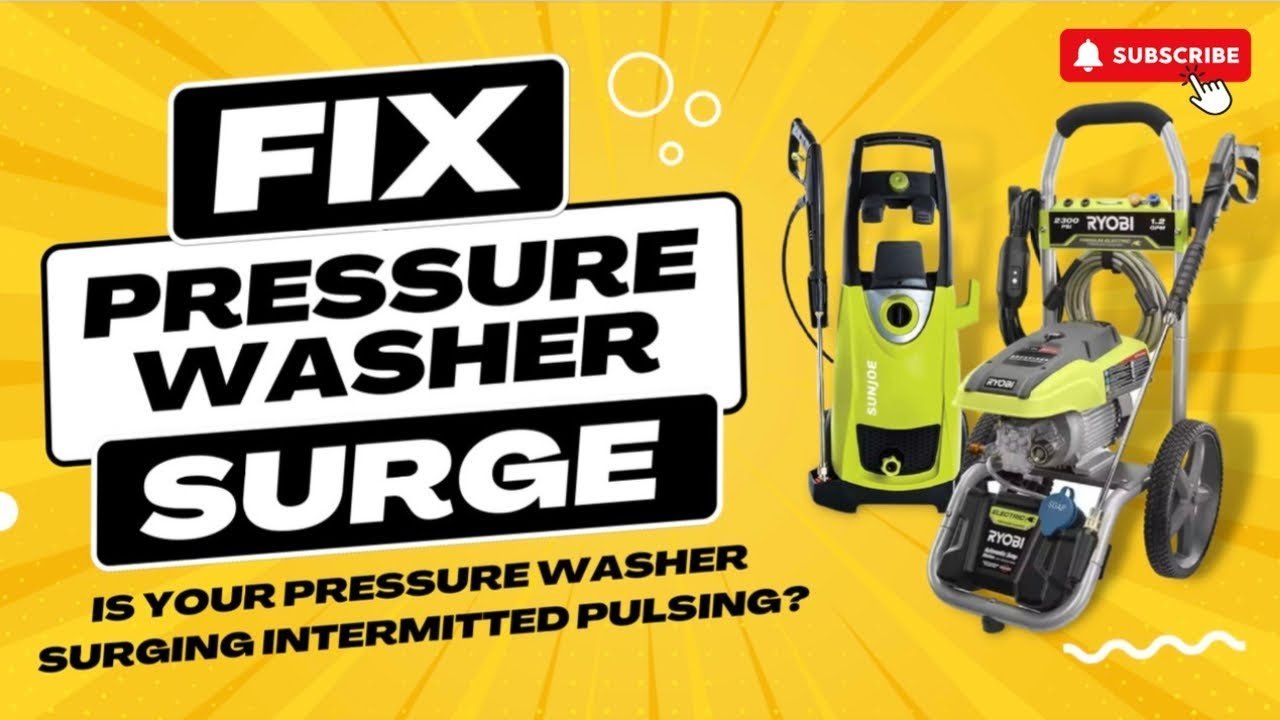
Most failures in these machines stem from basic supply issues rather than internal mechanical breakage. When a power washer fails to start, it’s almost always because the safety circuit has tripped. These machines use a GFCI plug, which is a sensitive safety device designed to break the circuit if it detects a ground fault. This happens if the cord is damaged, or if moisture enters the plug housing during use. It’s a necessary safety feature to prevent electrocution in wet environments.
When the machine runs but lacks pressure, the culprit is usually “cavitation.” This occurs when the pump can’t pull enough water into the system to maintain a steady stream. This is common if your home water pressure is low, or if the inlet screen—a small mesh filter located where the garden hose connects to the washer—is clogged with sediment. If you ignore a clogged screen, the pump will struggle, get hot, and eventually suffer permanent internal damage.
Another reason for poor performance is air trapped in the system. If you connect your hoses and start the machine before purging the air, the pump will struggle to build pressure. Air is compressible, while water is not; if there’s air in the line, the pump will cycle on and off or pulse during use. Always run water through the wand without the machine turned on until the stream is steady. If you have checked these items and the machine still acts up, the motor brushes may be worn out or the internal thermal protector may have shut the system down due to overheating.
Check the electrical path
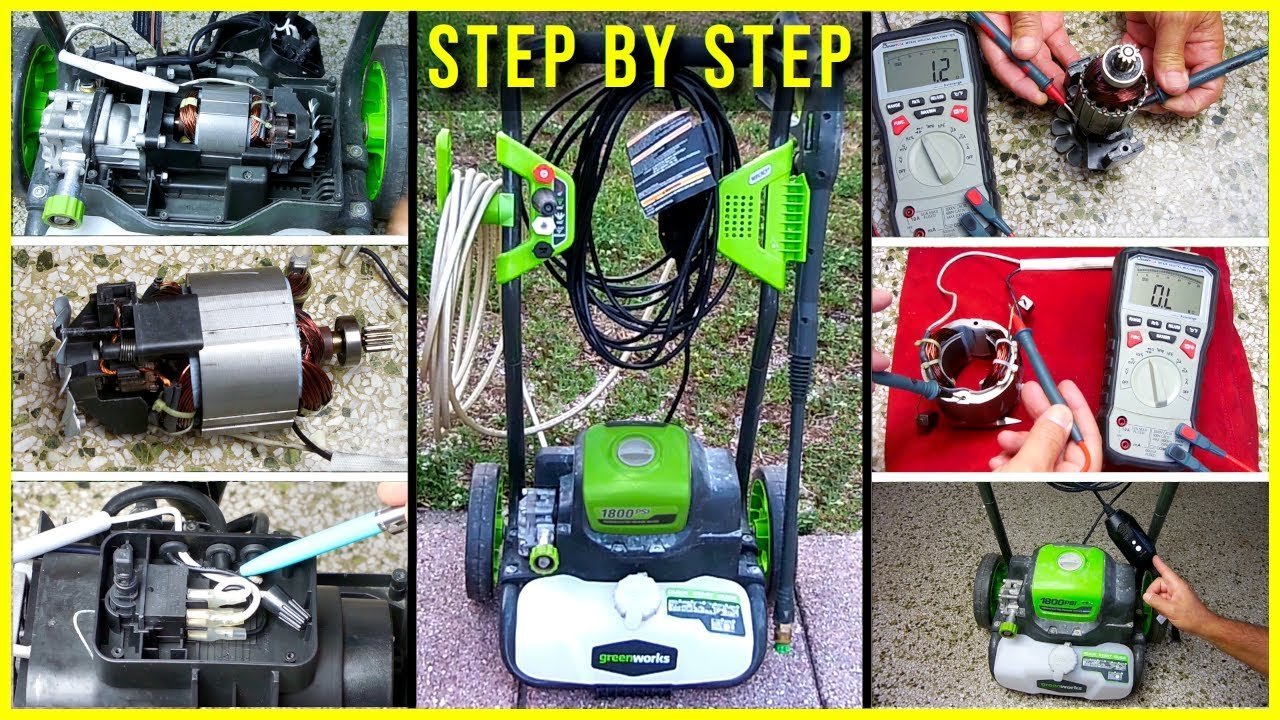
This fix is for users who have a unit that won’t turn on or keeps shutting off during operation. If your machine is dead, start by checking the power source. Don’t use an extension cord unless it’s rated for outdoor use and matches the gauge requirements listed in your owner’s manual. A cord that’s too thin will cause a voltage drop, which can trigger the machine’s thermal overload protection or damage the motor over time.
Inspect the GFCI plug on the washer’s power cord. If the light on the plug is off, press the “Reset” button. If it pops back out immediately, you have a ground fault. At this stage, don’t try to bypass the plug or force it to stay reset. This is a safety standard for outdoor electrical equipment that prevents dangerous shocks. If you can’t get the plug to stay reset, the unit must be taken to a service center.
Check your home circuit breaker as well. If the washer is on the same circuit as other high-draw appliances like a heater or a refrigerator, the combined load will flip the breaker. If you find the breaker tripped, unplug other devices on that circuit before resetting it. If the machine runs for a few minutes and then stops, it’s likely hitting its thermal limit. This varies by model — check the label on the motor housing for the duty cycle. If it refuses to start after cooling, the thermal sensor is likely stuck or broken.
Clear the water intake
This fix is for users who have power but experience weak spray or pulsing water pressure. The most common mistake people make is ignoring the inlet filter. This is a small plastic or metal screen located inside the threaded water inlet connection. Over time, minerals and dirt from your garden hose build up here. Use a pair of needle-nose pliers to gently pull the filter out. Rinse it under a faucet until it’s clear, then snap it back into place.
Once the filter is clean, ensure your garden hose isn’t restricted. If you’re using a hose longer than 50 feet, you’ll see a noticeable drop in pressure. The pump needs a high volume of water to work, and a long or narrow hose limits how much water gets to the machine. If you need to use a long hose, use a wider diameter garden hose (at least 5/8 inch) to maintain flow.
Before you turn the power on, attach the garden hose and turn on your house faucet. Squeeze the trigger on the spray wand and let the water run for 60 seconds. This pushes all the trapped air out of the pump and hoses. If you hear the motor “stuttering” or surging once you turn it on, this means there’s still air inside. Turn the machine off, disconnect the wand, and run the water again to ensure a steady, air-free flow. If the pressure is still low after these steps, the internal pump seals may be worn out. This is a repair that requires specific tools and parts, so check your warranty status before looking for a local repair shop.
Check the nozzle and wand
This fix is for users who have good water flow but notice the spray pattern is uneven or the machine cycles on and off rapidly. The nozzle tip is the most common point of failure for pressure issues. These tips have tiny openings that get blocked by small pieces of debris. Even a tiny grain of sand can ruin the spray pattern or cause the pump to work harder than it should.
Take the nozzle tip off the wand. Use a small, thin wire—often provided with the machine—to poke through the hole in the tip. If you don’t have the wire, a paperclip works well. Push it through from both sides to dislodge any stuck dirt. Never use a drill bit or a knife, as you’ll widen the hole and permanently ruin the pressure spray. Once cleared, rinse the tip with water and reattach it.
If the machine still pulses, check the O-rings on your hose connections. If an O-ring is cracked or missing, air will leak into the system, causing the pump to lose pressure. You can buy replacement O-ring kits at any hardware store. If you see water leaking at the connection point, replace the O-ring. If the leak is coming from inside the pump housing, don’t attempt to open the casing. A capacitor can hold a lethal charge unplugged, and internal pump repairs should only be handled by a professional technician.
What not to do
- Never use an indoor-only extension cord. These cords aren’t insulated for wet conditions and will cause a fire or shock hazard if they get wet or overheat.
- Don’t force the GFCI plug to stay reset. If the plug keeps tripping, it’s warning you of a short circuit; forcing it to stay on can lead to a fire.
- Never clean the nozzle with a drill bit. Using a metal tool that’s larger than the nozzle opening will destroy the spray pattern, which ruins the cleaning power of your machine.
- Don’t run the machine without water. Running the pump “dry” for even a few seconds will destroy the internal seals and lead to a total unit failure.
How to stop it happening again
To keep your machine running longer, follow a simple maintenance routine after every use. The goal is to remove trapped water and minerals that cause corrosion and clogs.
| If you’re doing this | Do this instead | Why |
|---|---|---|
| Leaving water inside | Drain the pump and hoses | Prevents freezing and mineral buildup |
| Storing in the cold | Store in a heated area | Prevents cracked pump housings |
| Using a long hose | Use a shorter, wider hose | Ensures the pump gets enough water |
| Ignoring the filter | Clean the inlet screen | Prevents pump cavitation and damage |
Frequently asked questions
Can I use a pressure washer with a rain barrel?
Most electric power washers require a pressurized water source to function. They’re designed to pull water from a standard spigot providing at least 20 to 40 pounds per square inch of pressure. Attempting to pull water from a barrel will cause the pump to starve, overheat, and fail.
How long can I run my electric power washer?
The motor creates a significant amount of heat, and the thermal protector will shut the unit down if it gets too hot. If you have a large project, plan to work in sessions. Turn the machine off when you’re moving items or changing surfaces to give the motor a chance to cool down.
Is it safe to use an extension cord?
Yes, but only if it’s a heavy-duty outdoor-rated cord. You must ensure the gauge of the wire is thick enough to handle the power draw of your specific motor. Check the manual for the recommended wire gauge, which is usually 12 or 14 gauge for these machines. A cord that’s too thin will get hot and may melt, creating a fire hazard or killing the motor.
Why is my machine pulsing?
The pulsing happens because there’s air trapped in the pump or a blockage in the nozzle. Air is compressible, which makes the pressure gauge or the motor oscillate as it tries to build force. First, run the water through the wand without the power on to purge the air. If that doesn’t work, check the nozzle tip for debris and ensure the inlet filter is clean.
What happens if I use the wrong nozzle?
Using the wrong nozzle will either result in no pressure or damage to the surface you’re cleaning. A zero-degree “pencil” tip is very powerful and can easily cut through wood or even skin. If you’re cleaning a car, always use a wider 40-degree tip to spread the force over a larger area. Using the wrong tip is a mistake that can lead to permanent damage to your property.
Final Thoughts
If your machine still doesn’t perform correctly after these checks, don’t force it to run. It’s best to consult your owner’s manual for specific repair parts or contact the manufacturer’s support team. They’ll help you get back to your cleaning projects quickly so you don’t have to worry about a broken tool.
Related guides
- Craftsman Power Washer Troubleshooting: Fix Common Problems in 2026
- Maytag Washer Bravos XL Troubleshooting: Fix Common Errors
- Emacros Driveway Alarm Troubleshooting: Fix Common Failures