
When your heating system quits, professional Furnace Is Not Working Troubleshooting requires checking the power, the fuel supply, and the thermostat settings before you call for help. Most problems arise from simple user errors like a tripped circuit breaker, a dead thermostat battery, or a blocked air filter. If these basic checks don’t resolve the issue, you must contact a qualified HVAC technician. You should never attempt to open the furnace housing or touch internal electrical components, as these systems can hold dangerous voltage even when disconnected.
Common furnace troubleshooting causes
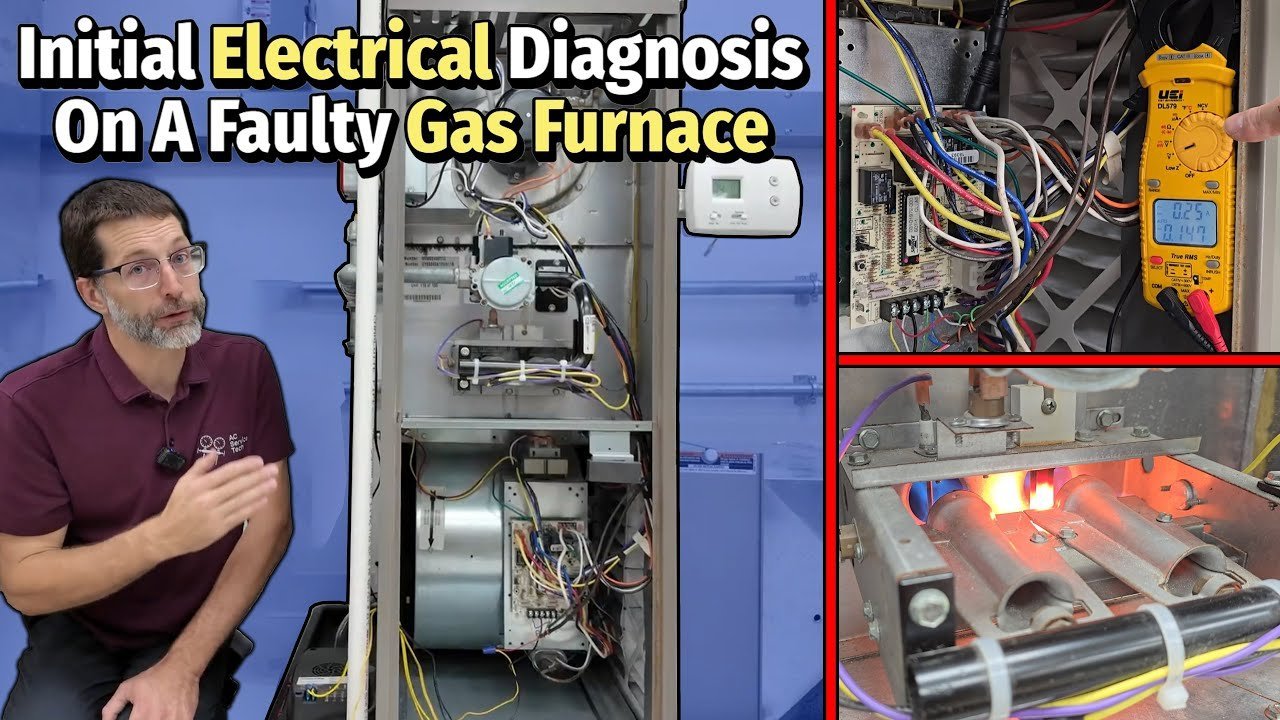
The primary reason a furnace stops heating is a loss of power or fuel. Furnaces are complex machines that rely on a sequence of events to ignite. If one safety sensor detects an issue, the system shuts down to prevent fire or gas leaks.
One common cause is a dirty air filter. When the filter becomes clogged with dust and debris, the airflow drops significantly. Modern furnaces have high-limit switches that detect this lack of airflow and shut off the burners to prevent the heat exchanger from overheating. If your furnace cycles on and off quickly, a restricted filter is the most likely culprit.
Another frequent issue involves the thermostat. If the display is blank or unresponsive, the unit may have lost its connection to the control board or its battery power. Even if the screen is on, a misconfigured setting or a loose wire behind the wall plate can prevent the signal from reaching the furnace.
Finally, fuel supply issues stop the process before it begins. For gas units, check that the gas valve handle is in the “on” position—it should be parallel to the pipe. If you have an oil furnace, ensure the tank has enough fuel. If you have recently run out, you may need a professional to bleed the air from the lines. Always remember that this varies by model — check the label on your unit for specific reset instructions or error codes that might indicate a blocked vent or a faulty flame sensor.
Check the thermostat and power
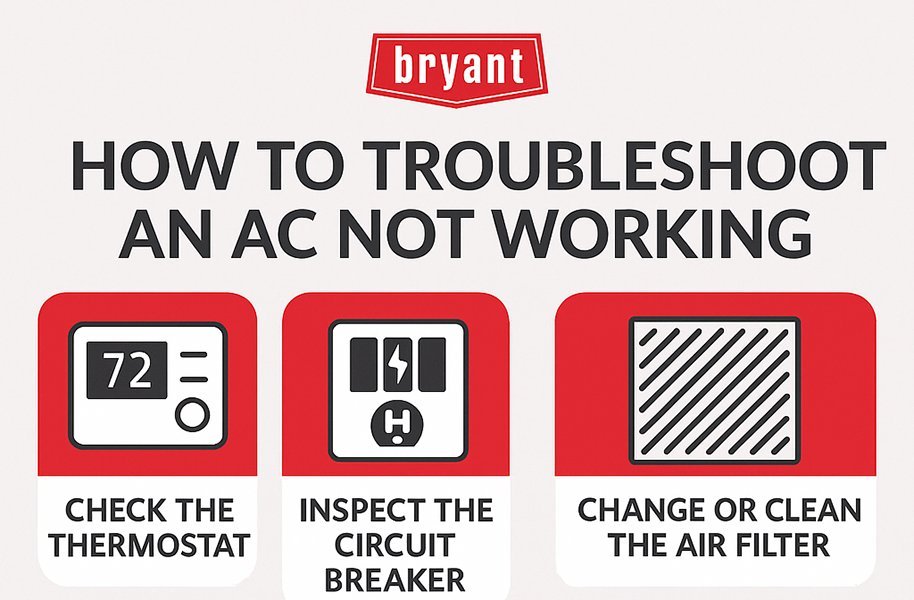
This fix is for users who notice the system is completely unresponsive or the thermostat screen is blank. First, check your home’s electrical panel. Look for a breaker labeled “Furnace” or “Heat.” If the switch is in the middle position, flip it all the way to “off” and then back to “on.” If the breaker trips again immediately, don’t try to reset it a second time, as this suggests a short circuit that needs a professional.
Next, inspect the thermostat. If it uses batteries, replace them with fresh ones. If the screen remains dark, remove the thermostat from its wall plate and gently check that the wires are firmly connected to the terminals. If you see a loose wire, tuck it back into its screw terminal. If the screen turns on but the furnace doesn’t start, ensure the mode is set to “Heat” and the target temperature is at least 5 degrees higher than the current room temperature.
If the furnace still doesn’t engage, check the furnace power switch. It often looks like a standard light switch mounted on the side of the furnace or on a nearby wall. It’s easy to bump this switch accidentally while moving items in a basement or utility room. If the switch is off, flip it to the “on” position and wait about 5 minutes for the system to complete its start-up cycle. If you notice any burning smells or hear unusual clicking sounds, turn the switch off and call a professional immediately.
Inspect the air filter and vents
This fix is for systems that turn on but fail to blow warm air. A restricted intake prevents the furnace from pulling in enough cool air to process. Locate the filter slot, which is usually near the return air duct where the large cold-air vent enters the furnace. Slide the filter out and hold it up to a light source. If you can’t see light clearly through the filter material, it’s time for a replacement.
Make sure you use a filter with the same dimensions as the one you removed. If you choose a filter that’s too thick or dense, it can restrict airflow just as much as a dirty one.
After replacing the filter, walk through your home and check every floor and wall vent. Ensure that no furniture, rugs, or curtains are blocking the airflow. A furnace relies on the return of air from the rooms to maintain a balance; if you have closed off too many vents in unused rooms, the system may struggle to function correctly. If you find all vents are open and the filter is clean, but the unit still blows cold air, check the condensate drain line. If it’s clogged, a float switch may be preventing the furnace from firing. You can often see this line as a clear plastic tube near the furnace; if it’s full of water or algae, it needs clearing.
Verify the fuel supply
This fix is for users who have power and airflow but no heat. If you use natural gas, locate the gas shut-off valve near the furnace. The handle should be in line with the gas pipe. If the handle is perpendicular to the pipe, the gas is off. Turn it slowly until it’s parallel. If you smell gas, leave the house immediately and call your utility company from a safe location.
If you have an oil-fired furnace, check your fuel tank gauge. If the level is below one-eighth of a tank, you may have run out of fuel or the line may have picked up sludge from the bottom of the tank. If you recently had a delivery, the air may be trapped in the fuel line. This is a common issue that requires a professional to bleed the lines, as specialized tools are needed to do this without spilling oil or damaging the pump.
This fix isn’t for everyone. If you’re uncomfortable working near gas lines or fuel tanks, don’t attempt any adjustments. If you suspect a gas leak, the smell of rotten eggs is a definitive warning sign. In such cases, your only correct action is to exit the building and call emergency services. Never attempt to light a pilot light if you don’t have clear, manufacturer-provided instructions for your specific furnace model, as modern systems have complex electronic ignitions that don’t use manual pilot lights.
What not to do
- Never open the furnace cabinet to reach internal parts. The internal components, including the capacitors and high-voltage wiring, can hold a lethal electrical charge even after you have turned off the power at the service switch or breaker.
- Don’t use a vacuum or brush on the internal burners or heat exchanger. You risk damaging delicate sensors or knocking the burner assembly out of alignment, which can lead to unsafe combustion and carbon monoxide risks.
- Avoid using a hairdryer or space heater to “thaw” frozen pipes or components inside the furnace. This can melt plastic components or cause a fire if you get the heat source too close to the wiring.
- Don’t attempt to bypass safety switches with tape or wire. These switches exist to protect your home from fire; disabling them is a major safety violation that voids your insurance and warranty.
- Never ignore a “flame roll-out” or heavy soot near the furnace door. This is a sign of a severe combustion problem that requires immediate attention from a licensed heating contractor to prevent a fire or carbon monoxide buildup.
How to stop it happening again
Regular maintenance ensures your system runs reliably throughout the winter months.
| If you’re doing this | Do this instead | Why |
|---|---|---|
| Blocking vents with furniture | Keep clear of all obstructions | Allows proper air circulation for the heat exchanger |
| Ignoring strange clicking sounds | Call a technician immediately | Early detection prevents a total system failure |
| Skipping annual inspections | Schedule a professional check-up | Ensures safety sensors and gas valves work correctly |
Frequently asked questions
Can I fix a furnace that won’t turn on by myself?
You can perform basic troubleshooting by checking the circuit breaker, replacing the air filter, and verifying thermostat settings. These steps resolve many common issues without specialized tools. If these steps fail, stop immediately and call a professional to avoid risks like gas leaks or electrical shock.
Why is my furnace blowing cold air?
Your furnace may blow cold air because the burners failed to ignite or a high-limit switch tripped due to low airflow. A clogged air filter is the most frequent cause of this symptom. If the filter is clean, you likely need a professional to service the flame sensor or ignitor.
How long does a furnace usually last?
A well-maintained gas furnace typically lasts between 15 and 20 years. This lifespan depends on your local climate, installation quality, and consistent maintenance. If your unit is approaching 15 years and requires frequent, expensive repairs, it’s often more cost-effective to replace the system entirely.
Is it safe to use a space heater while the furnace is broken?
Yes, it’s safe to use a space heater temporarily if you follow strict safety guidelines. Keep the heater at least 3 feet away from flammable items and never leave it unattended. Always plug the unit directly into a wall outlet rather than using an extension cord.
What happens if I ignore a furnace that’s cycling on and off?
Short cycling, where a furnace turns on and off rapidly, will eventually lead to major component failure. This behavior is usually caused by an overheating heat exchanger or a failing sensor. Continued operation risks a complete breakdown and potential carbon monoxide exposure, so contact a professional immediately.
Final Thoughts
If your home doesn’t warm up after these quick checks, don’t hesitate to reach out to a local professional. They’ll have the right tools to safely diagnose the problem for you. It’s always better to stay comfortable and safe while they handle the complex repairs that your system needs.
Related guides