
Is your Simpson pressure washer acting up? Don’t let a stubborn machine keep you from a sparkling clean driveway or deck.
You’ve invested in a powerful tool, and you deserve to know how to get it back in working order. This guide is here to help. We’ll break down the most common Simpson pressure washer problems and give you clear, simple solutions.
Get ready to tackle those issues and get your pressure washer running like new again!

Credit: www.youtube.com
Common Simpson Washer Issues
Simpson pressure washers are great tools. Sometimes they have problems. We can fix them. This guide helps you troubleshoot. We cover common issues. Get your washer working again. It is easier than you think.
No Water Pressure
Is your washer weak? Water flow might be low. Check the water supply. Ensure the hose is not kinked. The inlet filter could be clogged. Clean it thoroughly. Inspect the spray nozzle. It might be blocked. Clear any debris. The unloader valve could be stuck. Consult your manual. It has adjustment steps.
Engine Won’t Start
Engine issues are frustrating. First, check the fuel. Is it fresh? Old gas causes problems. Make sure the spark plug is good. Clean or replace it. Is the choke set correctly? Move it to the start position. Check the oil level. Low oil can prevent starting. Ensure the fuel valve is open. The engine might be flooded. Wait a few minutes. Try again.
Engine Stalls Or Surges
Does the engine run unevenly? This needs attention. Stale fuel is a common cause. Drain the old gas. Refill with fresh fuel. The air filter might be dirty. Clean or replace it. A clogged fuel filter causes issues. Inspect and clean it. Spark plug problems can occur. Check its condition. The carburetor may need adjustment. This is a more advanced step.
Water Leaks
Leaking water wastes pressure. Check all hose connections. Tighten them securely. Inspect the pump seals. Damaged seals need replacement. Look for cracks in the housing. A damaged pump needs repair. The spray gun might leak. Check its O-rings. Replace worn parts. Water leaks reduce cleaning power.
Unusual Noises
Strange sounds mean trouble. A rattling noise is common. Check for loose parts. Tighten any vibrating components. A grinding sound is serious. It might be the pump. Internal pump damage is possible. A knocking sound is also bad. It could be engine related. Inspect the engine mounts. Ensure everything is secure. Address noises quickly.
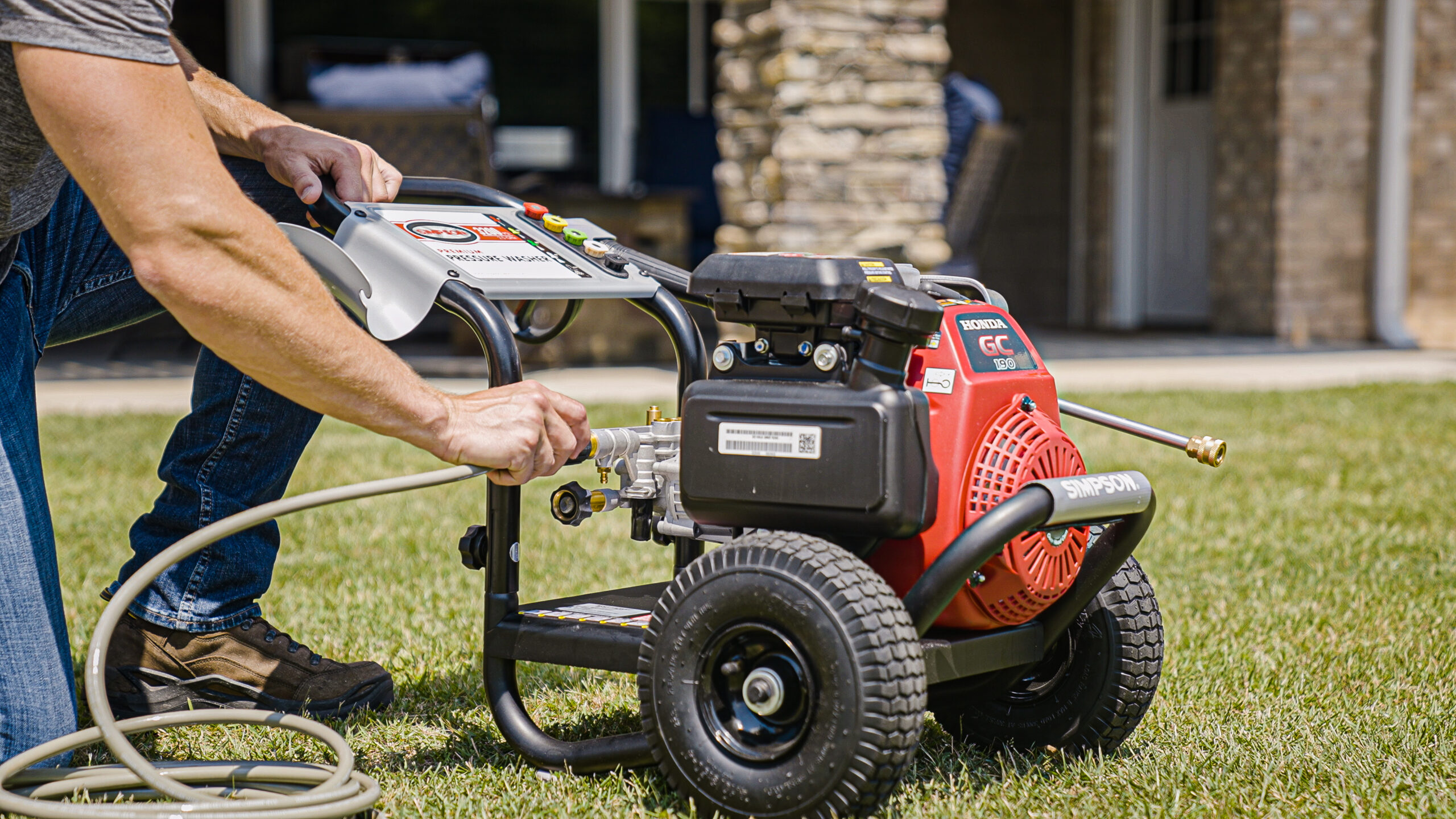
Credit: simpsoncleaning.com
Troubleshooting No Water Pressure
Your Simpson pressure washer is not spraying water. This is frustrating. Don’t worry. Many common issues cause this. We will walk you through fixes.
Check Water Supply
Is the water turned on? Check your garden faucet. Ensure it is fully open. The water source is vital. No water means no spray.
Inspect The Inlet Filter
Your washer has a filter. It stops debris. A clogged filter blocks water. Locate the filter. It is usually near the water inlet. Remove the filter. Clean it with water. Reinstall the clean filter.
Examine The Garden Hose
Your garden hose could be the problem. Is it kinked? Straighten any bends. A kink restricts water flow. Is the hose damaged? Look for holes. A damaged hose leaks water. Replace a damaged hose.
Verify The Unloader Valve
The unloader valve controls pressure. It might be stuck. This stops water flow. Consult your manual. Find the unloader valve. Check for obstructions. Sometimes it needs adjustment. Follow manufacturer instructions.
Clear The Spray Nozzle
The spray nozzle is small. It can get clogged. Small particles block the opening. Remove the nozzle. Use a thin wire or pin. Gently clear the blockage. Rinse it thoroughly. Reattach the nozzle.
Fixing Starting Problems
Your Simpson pressure washer won’t start. This is frustrating. Many issues cause this. We will help you fix it. Let’s get your washer running.
Fuel Quality Check
Bad fuel is a common problem. Old gas can cause starting issues. It loses its power. Drain the old fuel. Refill the tank with fresh gas. Use the correct type of gas. Check your manual for details. Fresh fuel makes a big difference.
Spark Plug Inspection
The spark plug ignites fuel. A dirty plug won’t spark. Remove the spark plug. Look for black soot. Clean it with a wire brush. Check for damage. Replace it if it looks bad. A good spark plug is vital.
Air Filter Condition
The engine needs air. A clogged filter blocks air. This prevents starting. Remove the air filter. Tap it to clean it. Wash it with soap and water. Let it dry completely. Replace it if it is torn. Clean air helps your washer run.
Carburetor Issues
The carburetor mixes fuel and air. It can get clogged. This stops fuel flow. Sometimes cleaning helps. You might need to rebuild it. Consult your manual for guidance. Carburetor problems need care.
Primer Bulb Operation
The primer bulb sends fuel. It moves fuel to the engine. Press it several times. You should feel resistance. Fuel should move. If it feels soft, it may be bad. A working primer bulb is key. It helps start the engine.
Addressing Engine Stalling
Engine stalling is frustrating. Your Simpson pressure washer stops working. This is a common problem. We will help you fix it. Let’s troubleshoot this issue. Finding the cause is key. Then you can get back to cleaning.
Overheating Signs
Your engine gets too hot. It might shut down. Look for smoke. Listen for strange noises. The engine feels very warm. Let it cool down. This prevents engine damage. Clean the air filter. Ensure good airflow. This helps prevent overheating.
Fuel Line Blockages
The fuel line carries gas. It can get clogged. Debris can block the flow. Check the fuel filter. Replace it if dirty. Inspect the fuel line itself. Look for kinks or damage. A clean fuel line is vital. Your engine needs fuel to run.
Governor Adjustment
The governor controls engine speed. It might be out of tune. This can cause stalling. Consult your manual. It shows governor settings. Make small adjustments carefully. Test the engine after changes. Proper governor function is important.
Low Oil Level
Your pressure washer needs oil. Low oil levels cause issues. Some engines shut down automatically. This protects the engine. Check the oil dipstick. Add oil if it is low. Use the correct oil type. This prevents serious engine harm.
Diagnosing And Repairing Leaks
Leaky pressure washers cause problems. You lose power. You waste water. Finding the leak is the first step. Then, you can fix it. This guide helps you find leaks. We also show you how to repair them. Get your Simpson pressure washer working again.
Hose Connections
Check all hose connections first. Water escapes here often. Look for wet spots. Tighten any loose fittings. Use a wrench if needed. Ensure the washer is off. Safety first always. A loose connection is an easy fix. Sometimes, you need new washers. These small rubber rings seal connections. They can wear out over time. Replace them for a better seal. This stops leaks at the source.
Pump Seals
Pump seals can fail. This causes leaks from the pump. Water may drip from the pump housing. You might see water near the motor. This is a more serious issue. Pump seals keep water inside. They prevent leaks from the pump shaft. Repairing pump seals takes skill. You may need to replace the pump. Consult your Simpson manual. Professional help is an option. Do not ignore pump leaks.
O-rings And Gaskets
O-rings and gaskets seal parts. They are found everywhere. Check wand connections. Look at the spray gun. Inspect the detergent tank. These small parts wear out. They can become brittle. Cracks develop in them. This allows water to escape. Replacing O-rings is simple. You can buy them easily. Match the size carefully. New O-rings stop many leaks. They are a common repair part.
High-pressure Hose Integrity
The high-pressure hose is vital. It carries water at high force. Inspect the entire hose length. Look for cuts or abrasions. Bulges indicate damage inside. Kinks can weaken the hose. A damaged hose can burst. This is very dangerous. Never use a damaged hose. Replace it immediately. Always buy a compatible hose. Your safety depends on it. A strong hose is a safe hose.
Quieting Strange Noises
Strange noises from your Simpson pressure washer can be unsettling. You need to fix them fast. These sounds often signal a problem. Let’s explore common culprits. We will help you quiet those noises. Your washer will run smoothly again.
Pump Cavitation
Your pump might be starving for water. This causes a knocking sound. It’s called cavitation. Air gets trapped in the pump. This damages pump seals. Check your water supply hose. Ensure it is fully submerged. Remove any kinks. A steady water flow is vital. This prevents cavitation damage.
Loose Components
Vibrations can loosen parts. Listen for rattling or buzzing. Inspect the spray gun. Check the wand and nozzle. Tighten any loose fittings. Look at the hose connections. Make sure they are secure. Even small loose parts make noise. A quick check can solve this.
Engine Mounts
The engine mounts absorb vibration. Worn mounts can cause thumping. They might also cause rattling. Inspect the rubber mounts. Look for cracks or damage. Replace any worn-out mounts. This reduces engine noise. It also protects the engine.
Preventative Maintenance Tips
Keeping your Simpson pressure washer in top shape is simple. Preventative maintenance saves you trouble later. Follow these easy steps. You will get the best performance.
Regular Cleaning
Clean your pressure washer often. Wipe down the exterior. Remove dirt and debris. This prevents buildup. A clean machine works better. Keep the engine cool. Dust can clog vents.
Fluid Checks
Check the oil level regularly. Low oil causes damage. Refer to your manual. Use the correct oil type. Inspect the fuel. Old fuel can clog the system. Use fresh fuel for best results.
Seasonal Storage
Store your washer properly. Empty the fuel tank. Run the engine dry. This prevents fuel issues. Protect it from freezing temperatures. Use a storage cover. Keep it in a dry place. This guards against rust.
Filter Replacements
Inspect all filters. Clean or replace them as needed. Clogged filters reduce power. Check the water inlet filter. Ensure it is free from debris. A clean filter means better water flow. This keeps your machine running smoothly.
When To Call A Professional
Persistent Simpson pressure washer problems? Seek expert help. A professional can diagnose complex issues. They ensure safe and effective repairs.
When your Simpson pressure washer acts up, basic fixes often work. You can handle many common problems. But some issues need expert hands. Ignoring these can cause more damage. It might even be dangerous. Know when to step back. Let the pros take over.Complex Pump Issues
The pump is vital. It creates high pressure. A failing pump stops cleaning. You might hear strange noises. Water may not spray at all. Or the spray is weak. These signs point to pump trouble. Seals can break. Valves can get stuck. These parts are hard to replace. A professional has the right tools. They understand pump mechanics. They can diagnose the exact problem. Repairing it yourself risks leaks. It can damage the pump further.Engine Internal Problems
Your pressure washer engine powers everything. If it runs rough, that’s bad. It might sputter or stall. Smoke could pour from the exhaust. These are serious engine signs. Internal parts might be failing. Pistons could be damaged. The crankshaft might be bent. These repairs are complex. They require specialized knowledge. Engine work is not for beginners. A mistake can ruin the engine. This leads to expensive replacement. Call a qualified mechanic. They can fix engine internals.Safety Concerns
Pressure washers use high force. They also use fuel or electricity. Safety is always important. Leaking fuel is a fire hazard. Electrical issues can cause shocks. A damaged hose can burst. This can cause serious injury. If you see any safety risks, stop. Do not try to fix it yourself. Professionals know safety protocols. They can fix the issue safely. They ensure your washer is safe again. Protect yourself. Call an expert for safety issues.Frequently Asked Questions
Why Won’t My Simpson Pressure Washer Start?
Check the fuel. Ensure it has fresh gasoline. Verify the spark plug is clean and connected.
What If My Simpson Pressure Washer Has Low Pressure?
Clean the nozzle. Check for any blockages in the hose. Make sure the water supply is sufficient.
How Do I Fix A Simpson Pressure Washer That Leaks?
Inspect all hose connections. Tighten any loose fittings. Replace worn-out seals if needed.
Why Is My Simpson Pressure Washer Smoking?
This often means too much oil. Drain some oil if necessary. Check the engine for other issues.
My Simpson Pressure Washer Won’t Spray Water. What Now?
Confirm the water source is on. Ensure the inlet filter is clear. Prime the pump if it’s dry.
How Often Should I Change The Oil?
Change the oil after the first 20 hours. Then, change it every 100 hours. Refer to your manual for specifics.
Can I Use A Different Detergent?
Use only detergents made for pressure washers. Incorrect soap can damage the pump. Always check compatibility.
Conclusion
Your Simpson pressure washer. It can work again. Simple fixes solve many issues. Check the basics first. Fuel, oil, and spark plug. These are common culprits. Water flow problems? Clear the filter. Nozzle blockages happen too. A quick clean helps.
Engine won’t start? Review troubleshooting steps. You can do this. Keep your washer running. Enjoy a clean home.