
Is your Briggs & Stratton engine sputtering or refusing to start? A faulty fuel pump could be the culprit.
You’ve likely already checked the basics, but if you’re still scratching your head, this guide is for you. We’re diving deep into Briggs Stratton fuel pump troubleshooting to help you get your equipment back up and running. Forget frustrating guesswork; we’ll walk you through common issues and how to fix them.
Ready to solve your fuel delivery problem? Let’s get started.
Common Briggs & Stratton Fuel Pump Issues
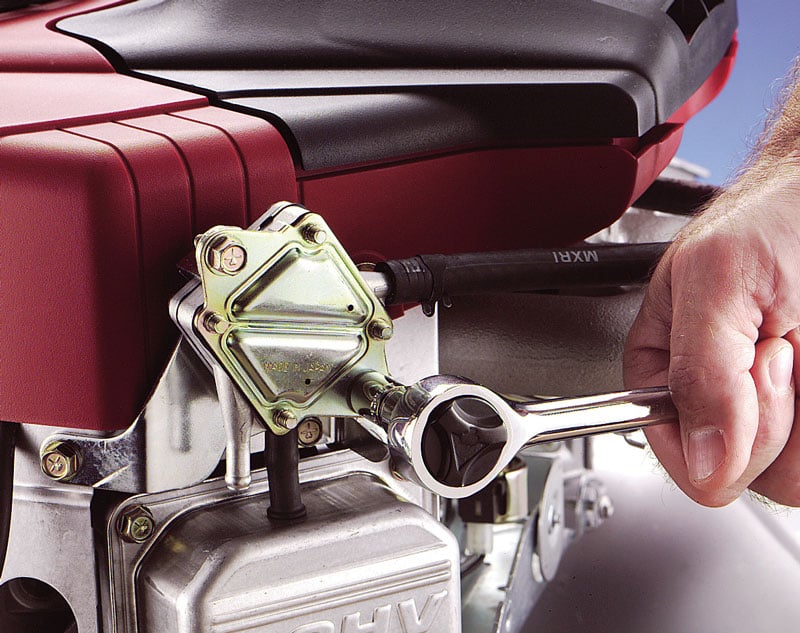
Briggs & Stratton fuel pumps can fail. Clogged filters or diaphragm damage cause problems. Troubleshooting involves checking these common issues.
Credit: www.briggsandstratton.com
Signs Of A Failing Fuel Pump
A sputtering engine often signals a bad fuel pump. Sudden stalling can also occur. These are key signs for Briggs Stratton fuel pump troubleshooting.
Tools For The Job
Fixing your Briggs & Stratton fuel pump needs the right tools. Having them ready makes the job easier. You can get the repair done faster. This saves you time and frustration. Let’s look at what you need.
Basic Hand Tools
You need some basic tools. A screwdriver set is essential. Phillips and flathead types work well. A wrench set is also important. You might need pliers too. These tools help remove parts.
Fuel Line Clamps
Fuel line clamps are vital. They stop fuel from leaking. You clamp the fuel lines. This prevents a messy spill. Use clamps before disconnecting lines. They are simple but effective.
Replacement Pump Kit
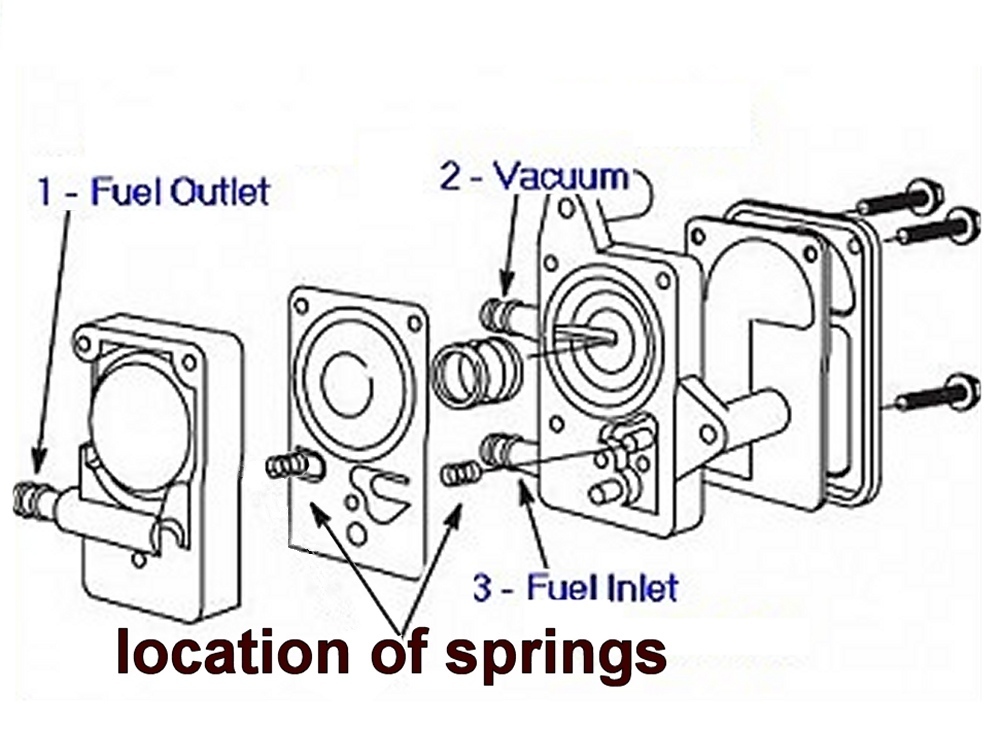
Get a replacement pump kit. Make sure it fits your engine. The kit has a new fuel pump. It often includes new gaskets. These parts are necessary for repair. A good kit ensures a proper fix.
Credit: www.ebay.com
Step-by-step Troubleshooting
This guide helps you fix your Briggs and Stratton fuel pump. Follow simple steps to diagnose and repair common issues. Get your engine running smoothly again.
Troubleshooting a Briggs & Stratton fuel pump helps you fix it. This guide offers clear steps. Follow them carefully. You can solve pump problems.Check Fuel Level And Quality
Ensure your fuel tank is full. Old fuel causes issues. Stale gas can clog parts. Use fresh gasoline. Check for water contamination. Water in fuel is bad.Inspect Fuel Lines
Look at all fuel lines. Are they cracked or brittle? Kinks can restrict flow. Loose connections leak fuel. Tighten any loose clamps. Replace damaged lines.Test Fuel Pump Operation
Listen for the pump working. It should make a clicking sound. Some pumps are electric. Others are engine-driven. Check your model’s type. A non-working pump needs replacement.Examine The Diaphragm
The diaphragm can tear. Remove the pump cover carefully. Inspect the rubber diaphragm. Look for holes or cracks. A damaged diaphragm stops fuel. Replace it if it is torn.Check For Blockages
Filters can get clogged. Check the fuel filter. Clean or replace it if dirty. Inspect the pump’s inlet screen. Remove any debris found there. A clean path is vital.Repairing Or Replacing The Pump
Your Briggs Stratton fuel pump might need repair or replacement. Check for leaks or damage. A faulty pump stops fuel flow.
Your Briggs & Stratton fuel pump might be fixable. Sometimes a simple repair does the trick. Other times, you need a brand new pump. This section guides you through that process. You will learn how to remove the old pump. You will also learn how to install a new one. Finally, you will test your work.Removing The Old Pump
First, disconnect the battery. Safety is important. Locate the fuel pump. It is usually near the carburetor. Disconnect the fuel lines. Use pliers for the clamps. Carefully remove the pump. Note its orientation. This helps with the new one.Installing The New Pump
Get the correct replacement pump. Ensure it matches your engine model. Position the new pump correctly. Reconnect the fuel lines. Secure them with the clamps. Make sure they are tight. Reconnect the battery cable.Testing The Repair
Now, check your work. Turn the engine over. Listen for it to start. If it starts, great job. If not, recheck connections. Ensure no fuel leaks. Sometimes a new pump needs priming. Consult your engine manual.
Credit: www.youtube.com
Preventative Maintenance Tips
Keep your Briggs Stratton running smoothly. Simple checks prevent fuel pump issues. Regular cleaning and proper fuel storage help a lot.
Frequently Asked Questions
Why Is My Briggs Stratton Fuel Pump Not Working?
Your Briggs Stratton fuel pump might not work due to a clogged fuel filter. A faulty diaphragm can also prevent fuel flow. Check for any kinks in the fuel line.
How Do I Test A Briggs Stratton Fuel Pump?
Disconnect the fuel line from the carburetor. Crank the engine for a few seconds. Fuel should spurt out of the disconnected line. If not, the pump may be bad.
Can A Dirty Fuel Filter Stop A Fuel Pump?
Yes, a dirty fuel filter can stop fuel flow. It restricts the fuel reaching the pump. This can cause the pump to fail.
What Are Signs Of A Bad Fuel Pump?
An engine that sputters or dies is a sign. It might also not start at all. Loss of power during use is another clue.
Do Briggs Stratton Fuel Pumps Fail Often?
Fuel pumps can fail over time. Dirt and debris in the fuel system cause wear. Regular maintenance helps extend their life.
Where Is The Fuel Pump On Briggs Stratton Engines?
It’s typically located near the fuel tank. It connects to the carburetor with fuel lines. Check your engine’s manual for exact placement.
How To Clean A Briggs Stratton Fuel Pump?
Cleaning the pump itself is not advised. It’s better to replace it if faulty. Focus on cleaning the fuel tank and lines.
Conclusion
Your Briggs & Stratton fuel pump issues are likely solved. Check connections carefully. A clean filter helps a lot. Ensure good fuel flow. Your engine should run smoothly now. Happy tinkering. Enjoy your working equipment.