
When your heater fails to start, Mr Heater 210 000 Btu Troubleshooting usually involves checking the fuel supply, the battery power, and ensuring the air intake isn’t blocked. Most heating issues result from a lack of clean fuel flow or a low voltage signal from the power source. If the unit clicks but doesn’t ignite, you’re likely dealing with a dirty burner or a low-pressure fuel delivery issue.
Heater troubleshooting causes
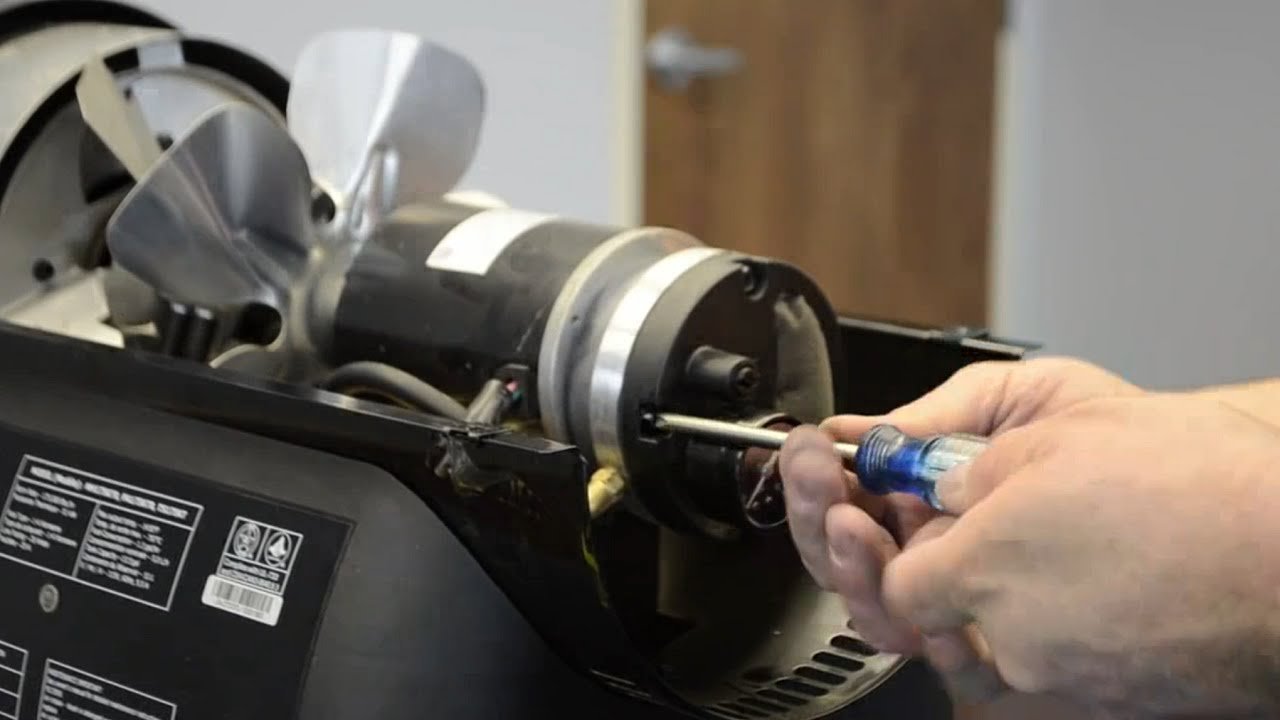
The heater relies on a precise mix of fuel and air to create a stable flame. If this balance is disturbed, the internal safety sensors will shut down the unit to prevent a fire or carbon monoxide buildup. You should know that these heaters are designed with a “flame rod” or “flame sensor” that must detect heat within a few seconds of ignition. If the sensor is covered in soot or dust, it cannot “see” the flame, so it cuts the gas flow to stay safe.
Another cause is fuel pressure. These high-output units require a consistent flow of propane. If your tank is too small or the outdoor temperature is very low, the liquid propane can’t turn into gas fast enough to maintain 210,000 BTU. This is called “tank freezing.” If the tank feels cold or has frost on the outside, the pressure is likely too low to run the heater.
Finally, electrical issues often stop the fan or the igniter. If the battery or the power cord doesn’t provide enough steady voltage, the fan won’t spin fast enough to pull in the air needed for combustion. Without enough air, the flame will either be yellow and smoky or fail to light entirely. You must ensure all connections are tight and the power source is fully charged or plugged into a stable outlet.
Verify the fuel supply
Check your propane tank level and the regulator connection first. This is for anyone who hears the heater click but sees no fire. Ensure the tank valve is fully open. If the tank is nearly full, check the hose for kinks or sharp bends that block gas flow. You should always follow the Mr. Heater safety and maintenance guidelines to ensure your hose connections are secure and leak-free.
If you have a multi-tank setup, try a different tank to rule out a bad valve on the propane cylinder. If the heater starts with a new tank, your old one likely has a faulty valve or is simply empty. If you still have no flame, the regulator might be stuck. A common mistake is opening the tank valve too quickly, which triggers the “excess flow” safety feature inside the regulator. To reset it, close the tank valve, disconnect the hose from the tank, wait for 30 seconds, then reconnect and open the valve very slowly. This allows the pressure to equalize without tripping the safety. If the heater still doesn’t ignite, the problem is likely internal, and you should contact a professional repair service.
Inspect the air path
A lack of air is just as bad as a lack of fuel. This fix is for those who hear the fan start but notice the flame is weak, orange, or goes out after a few seconds. The heater needs a constant stream of clean air to burn the fuel properly. If the intake screen on the back of the heater is clogged with dust, pet hair, or debris, the fan can’t pull in enough air.
Use a clean, dry cloth or a soft brush to wipe the intake screen. Don’t use water or chemical cleaners, as these can damage the electrical components or cause rust. If the heater is sitting on a dirty floor, move it to a clean, flat surface. Never place the heater directly against a wall or in a corner, as this chokes the air supply. If the screen is clean but the flame is still yellow or flickering, the internal burner assembly might be blocked by debris. Don’t attempt to take the unit apart to clean the burner, as this requires specialized tools and risks damaging the gas seals. This is a job for a qualified service technician.
Check the power source
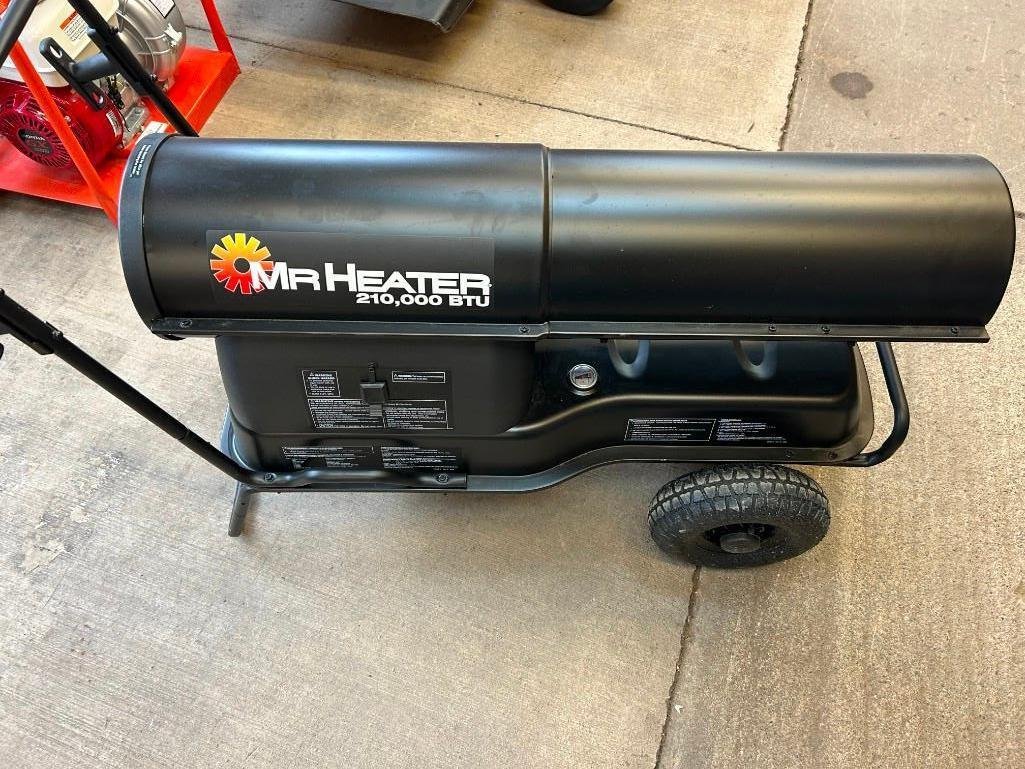
If the fan doesn’t spin at all, your problem is electrical. This fix is for users who see no lights and hear no clicking when the switch is turned on. Start by checking your power cord or battery. If you’re using an extension cord, it must be the correct gauge. A cord that’s too thin or too long will cause a voltage drop, which prevents the fan motor from reaching the speed needed to trigger the ignition sensor.
Use a heavy-duty, outdoor-rated extension cord of 12 or 14 gauge. Don’t use a standard household cord, as it will overheat and fail to deliver the power needed. If you’re using a battery-powered model, ensure the battery is fully charged. A battery that has been sitting in the cold will lose its charge quickly. If the fan spins slowly or sounds sluggish, the battery is likely the issue. If you have verified the power source and the cord is in good condition, but the unit remains dead, you should check your home’s circuit breaker to ensure it hasn’t tripped. If the power supply is perfect but the unit still doesn’t turn on, the issue is internal. Since internal electrical components can hold a dangerous charge, don’t attempt to open the housing. Contact the manufacturer or a certified technician to handle internal repairs safely.
What not to do
- Never use a lighter or match to manually light the burner if the automatic ignition fails, as this can cause a flash fire or explosion.
- Don’t spray compressed air into the gas nozzle, as this can push debris deeper into the valve and permanently block the fuel path.
- Never leave the heater running in a small, unventilated room, as this will deplete the oxygen and cause the heater to shut down or create dangerous fumes.
- Don’t attempt to bypass the safety sensors by taping them or removing them, as this creates a serious fire hazard and voids your warranty.
How to stop it happening again
Regular maintenance is the best way to prevent future failures.
| If you’re doing this | Do this instead | Why |
|---|---|---|
| Storing the heater in a dusty shed | Keep it covered in a clean, dry area | Dust clogs the intake and sensors |
| Using a thin indoor extension cord | Use a 12-gauge outdoor-rated cord | Thin cords cause low voltage drops |
| Cleaning the unit with water | Use only a dry brush or cloth | Water causes corrosion on the board |
Frequently asked questions
Why does my heater shut off after 5 minutes?
Your heater is likely shutting off because the flame sensor isn’t detecting heat or the oxygen level in the room is dropping. This is a built-in safety feature designed to prevent carbon monoxide buildup. Ensure you have proper ventilation by opening a window or door slightly. If the room is well-ventilated, the flame sensor is probably covered in soot and needs professional cleaning.
Can I use a smaller propane tank?
No, you shouldn’t use a small tank because it can’t vaporize fuel fast enough to meet the 210,000 BTU demand. The tank will freeze, the pressure will drop, and the heater will stop working. Always use the tank size recommended by the manufacturer in the owner’s manual to ensure a steady supply of fuel.
How long should the igniter click before it lights?
The igniter should typically click for 3 to 5 seconds before the flame lights. If it clicks for longer than 10 seconds without a flame, the system will enter a lockout mode to prevent gas from filling the room. If this happens, turn the power off, wait for the unit to cool, and check your fuel supply.
Is it safe to run the heater in a garage?
Yes, it’s safe to run the heater in a garage if you provide adequate ventilation. You must leave at least one window or door cracked open to allow fresh air to enter. Never use this heater in a living room, bedroom, or any space where you sleep, as it’s designed for commercial and industrial use only.
What happens if the flame is yellow?
A yellow flame indicates that the heater isn’t getting enough air to burn the fuel completely. This is dangerous because it produces carbon monoxide instead of clean heat. Turn the unit off immediately, check for blocked air intakes, and clear away any dust or debris around the base of the heater.
Final Thoughts
If you still can’t get the unit running after these checks, it’s best to contact a professional technician for a deeper inspection. Don’t risk your safety by tampering with internal gas valves yourself. Once it’s working again, you’ll be ready to enjoy the warmth throughout the rest of the winter.
Related guides