
You’re choosing between wraps for direct heat management on pipes and protective sleeves for shielding sensitive components like hoses or wires. The main difference is whether you need to contain exhaust heat to improve flow or insulate surroundings to prevent damage from radiant heat.
As an Amazon Associate, we earn from qualifying purchases. This post contains affiliate links – if you buy through them, we may earn a commission at no extra cost to you.
Best overall: ARTR Titanium Header Wrap offers high heat resistance and covers a large area for headers. Best for components: Design Engineering Heat Sheath provides superior protection for hoses and lines from radiant heat. Best for surfaces: Exhaust Heat Shield Wrap is the ideal choice for insulating firewalls and larger flat areas.
The rest of this guide is for owners looking to protect their engine bays from heat damage.
How We Picked
We compared 16 different listings for heat management products to identify the most reliable options for automotive use. Each selection had to clearly state its temperature ratings, materials, and intended application to ensure the reader understands what they’re buying. Products were chosen based on the specific protection they offer, such as direct heat containment or radiant heat reflection. Any product with vague specifications or incomplete installation information was removed from consideration.
1. ARTR 2″ x 50′ Titanium Exhaust Header Heat Wrap 2

Best for: Covering large exhaust headers and pipes.
This wrap uses a wide design to make covering long sections of exhaust tubing efficient. Because it’s designed for universal use, you can apply it to almost any vehicle exhaust system.
The material is flexible, but you should soak it in water before you start to make it easier to work with. You must wear gloves during installation to avoid skin irritation from the fiberglass fibers. This product isn’t for someone who wants to wrap very narrow or tight-fitting motorcycle pipes, as the 2-inch width may be too bulky for those small spaces.
Pros
- Withstands 1800F direct heat.
- Reduces under-hood temperatures.
- Includes 100 feet total.
Cons
- Requires soaking before use.
- Can irritate skin during installation.
2. Design Engineering Heat Sheath Aluminized Sleeving

Best for: Protecting hoses and fuel lines.
This sleeving is designed to slide over existing lines, making it a great choice for shielding fuel or wiring from heat damage. The aluminized outer layer is built to reflect radiant heat, while the fiberglass interior provides a thick barrier against high temperatures.
You’ll need to disconnect your lines to slide this sheath on, so plan your installation when you’re already performing maintenance. It’s a heavy-duty option that resists chemicals and oil, which are common in automotive environments. This isn’t for someone looking to wrap exhaust pipes directly, as its primary purpose is shielding peripheral components.
Pros
- Reflects radiant heat effectively.
- Resists oil and chemicals.
- Easy slip-on installation.
Cons
- Requires line disconnection.
- Not for exhaust pipes.
3. Exhaust Heat Shield Wrap
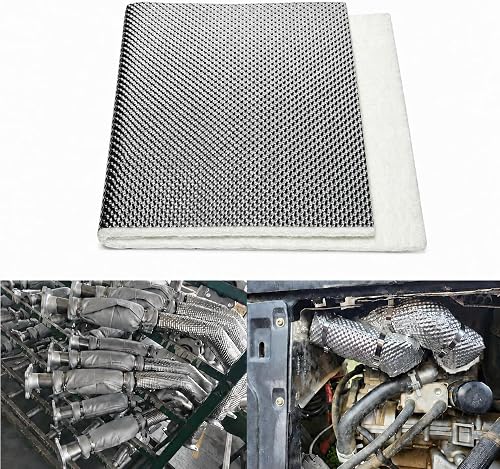
Best for: Flat surfaces like firewalls and floors.
This sheet is a versatile barrier that you can cut to fit specific spots in your car or motorcycle. Its aluminum-fiberglass composite construction is heavy-duty and effective at blocking radiant heat transfer. It’s a solid choice if you need to protect a fuel tank or a floor pan from the heat of the exhaust.
The sheet is flexible enough to bend around curves, but the edges can be sharp, so handle it carefully when you trim it to size. The kit includes stainless steel ties to help you secure the shield in place. This product isn’t for someone who needs to wrap a complex, multi-bend pipe, as a rigid sheet doesn’t provide the same wrap-around coverage as a fabric tape.
Pros
- Blocks 70% radiant heat.
- Easy to cut and shape.
- Includes stainless steel ties.
Cons
- Sharp edges require caution.
- Less flexible than wraps.
4. Design Engineering Titanium Exhaust Wrap 1″ x 15′ Lava Rock

Best for: Tight bends on motorcycle pipes.
This wrap uses specialized lava rock technology to create a strong and flexible barrier for your exhaust. It’s very pliable, which means you can wrap it around tight headers or complex pipes without needing to wet it first. This saves time and ensures a very tight, secure fit on your system.
The material is designed to handle extreme heat and vibration, making it a durable choice for high-performance engines. Because the wrap stays flexible, it’s easier to maintain a clean look on your exhaust system. This isn’t for someone who needs to cover a large, flat area, as the 1-inch width is specifically engineered for precision wrapping on pipework.
Pros
- No pre-wetting required.
- Withstands 2500F intermittent heat.
- Extremely pliable material.
Cons
- Very narrow width.
- Not for flat surfaces.
5. Self-Wrap Heat Shroud Sleeve Aluminized Silver Sleeving 1/2″ I.D.X10FT

Best for: Quick installation without disconnecting hoses.
The hook and loop closure on this sleeve makes it incredibly convenient if you want to protect wires or hoses without removing them. It comes with zip ties and gloves, providing everything you need to get the job done quickly. The aluminized surface is great for deflecting heat away from sensitive electrical components.
This sleeve is flexible and easy to cut to the length you need for your specific project. It handles high-temperature environments well and keeps dirt and grease off your lines.
Pros
- Convenient hook and loop.
- Includes gloves and ties.
- Easy to cut to length.
Cons
- Not an airtight seal.
- Lower temperature limit.
6. FLASLD Aluminized Heat Shield Thermal Barrier Adhesive Backed Heat Sleeve

Best for: Adhesive-backed heat prevention.
This barrier is unique because it features an adhesive backing, allowing you to stick it directly onto surfaces like firewalls or plastic components. It’s very thin and flexible, making it easy to apply even in tight or awkward spots. The reflective surface is designed to block a significant amount of radiant heat.
You can trim this sheet to any shape, which makes it perfect for custom projects under the hood. It’s a clean way to add heat protection without needing mechanical fasteners or ties. This isn’t for someone looking to wrap exhaust pipes directly, as the adhesive is meant for surfaces, not the extreme, direct heat of an exhaust manifold.
Pros
- Adhesive backing for ease.
- Reflects 95% of heat.
- Very thin profile.
Cons
- Not for direct pipe contact.
7. Titanium Pipe Shield
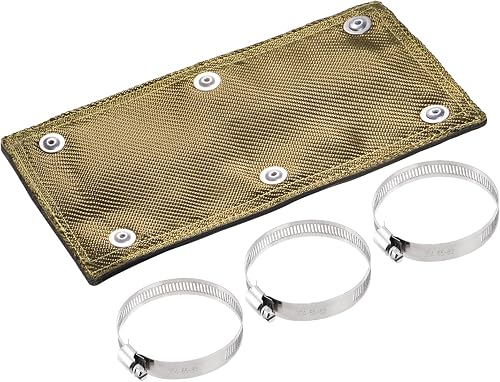
Best for: Creating an air gap around pipes.
This shield uses a unique bracket system to hold the material away from the pipe, creating an air gap that improves cooling. The titanium material is durable and provides high heat protection for nearby parts. It’s a great choice if you want to reduce heat without wrapping the pipe itself.
The included clamps make it simple to adjust the position of the shield to suit your exhaust routing. Because it uses a standoff design, it’s more effective at dissipating heat than a wrap that sits directly on the metal. This isn’t for someone who prefers a low-profile look, as the brackets and shield will sit further away from the pipe than standard wrap.
Pros
- Creates effective air gap.
- Easy to install brackets.
- Adjustable position.
Cons
- Bulkier than wraps.
- Requires clearance space.
8. 6mm – 1/4″ Self Adhesive Aluminum Heat Reflective Fiberglass Sleeving

Best for: Bundling and protecting wire harnesses.
This sleeving is designed for side-entry, meaning you can easily wrap it around wire bundles or hoses. The self-adhesive edge helps hold it in place while you work, making the installation process much smoother. It’s a practical solution for organizing and protecting cables in hot engine environments.
The combination of aluminum foil and fiberglass provides a good balance of heat reflection and durability. It’s specifically built to withstand the conditions found in industrial or automotive applications. This isn’t for someone who needs to protect items against open flames, as the manufacturer advises keeping the material away from direct fire.
Pros
- Easy side-entry design.
- Self-adhesive edge.
- Good for wire bundles.
Cons
- Keep away from flames.
- Not for exhaust pipes.
How to Choose in Sixty Seconds
Which type should I buy?
If you want to wrap a pipe, choose a roll of wrap like the ARTR Titanium Header Wrap. If you need to protect a hose or wire bundle, choose a sleeve like the Design Engineering Heat Sheath. For flat surfaces like a firewall, use an adhesive-backed sheet.
Does the material matter?
Yes, material dictates how the product handles heat. Titanium wraps are generally more flexible and handle higher intermittent heat than basic fiberglass. Aluminized layers are essential for reflecting radiant heat, which National Institute for Occupational Safety and Health standards suggest is a primary concern in industrial heat exposure.
Do I need special tools?
Most of these products are designed for simple installation. Wraps usually require gloves, and some might need water for soaking. Sleeves and sheets often come with ties or adhesive, so you rarely need professional tools. Always check if you need to disconnect parts before ordering.
Closing
The ARTR Titanium Header Wrap is the best choice for direct pipe coverage, while the Design Engineering Heat Sheath is the top pick for component protection. Before you decide, check the diameter of your pipes or hoses to ensure the size is correct. Then, select the wrap or sleeve that matches your specific heat needs.
Related guides
Frequently Asked Questions
What happens if the wrap gets oil on it?
Most wraps, such as the Design Engineering Titanium Wrap, are built to resist oil and chemical breakdown. You should clean any leaks immediately and inspect the wrap for signs of damage or absorption to ensure it remains safe.
Do I need to remove the exhaust to install wrap?
It’s often much easier to wrap exhaust pipes when they’re removed from the vehicle. While you can wrap some sections while the exhaust is installed, removing it gives you the space to ensure the wrap is tight and secure. This prevents the wrap from loosening and unraveling after you start driving.
Final Thoughts
Before you make your final purchase, double-check the temperature rating of the materials you’re considering. It’s worth taking a moment to measure your pipes or wires carefully so you don’t end up with a poor fit. Once you’ve got the right size, you’ll be ready to install your protection with confidence.