
Finding the best thermal underwear tops for women requires balancing your personal warmth needs against how you plan to wear them. Whether you need a thin layer to tuck under professional clothes or a thick, insulating piece for outdoor winter activities, the right choice depends on your local climate and your daily activity level. These garments differ mainly in fabric weight, stretch, and neck design. You’ll likely find your match by choosing between the natural temperature regulation of the Merino Wool Base Layer or the synthetic, high-stretch comfort of the Ultra Soft Baselayer.
1. Merino Wool Base Layer

Best for: Someone who wants a natural, year-round fabric that resists odors.
This shirt is designed for daily wear, focusing on the natural properties of 100% superfine 17.5 micron merino wool. It aims to provide warmth without the overheating or bunching often found in cotton garments.
The material naturally wicks moisture and resists odors, making it a strong choice for those who need a versatile piece for both active and casual days. It isn’t for someone who prefers a synthetic feel or requires machine-dry convenience, as the manufacturer recommends hand washing and air drying for the best results.
Good if:
- You want natural temperature regulation.
- You prefer 100% natural fibers.
- You need an odor-resistant layer.
Skip it if:
- You want a machine-dryable garment.
- You prefer synthetic, slippery fabrics.
2. Heavyweight Double-Layer Shirt

Best for: Someone who needs maximum warmth in very cold conditions.
This shirt uses a heavyweight double-layer design to trap heat efficiently. It features a crew neckline and a contoured hemline for a traditional fit.
The use of flatlock seaming is intended to reduce irritation against the skin during movement. This shirt isn’t for the buyer who wants a lightweight or thin base layer, as its focus is on insulation for colder weather.
Good if:
- You prioritize high heat retention.
- You prefer a standard, classic fit.
- You want to avoid seams that chafe.
Skip it if:
- You’re looking for a thin, low-profile layer.
- You live in a mild climate.
3. Lightweight Baselayer Scoop
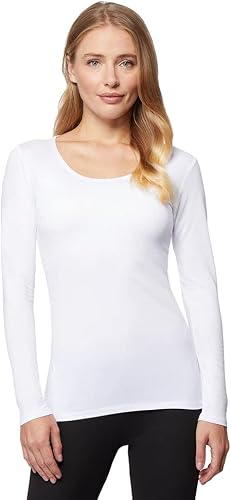
Best for: Someone who needs a thin, high-stretch layer for layering under clothes.
This scoop-neck top is made from a blend of polyester, acrylic, rayon, and spandex. It’s engineered with 4-way stretch and anti-static properties to ensure it stays smooth under other garments.
The lightweight knit is designed to be fitted, making it ideal for those who want warmth without bulk. It isn’t for someone who wants a thick or loose-fitting top, as the design is specifically meant to be body-hugging.
Good if:
- You need a layer that hides under clothing.
- You prefer a scoop-neck silhouette.
- You want anti-static fabric.
Skip it if:
- You want a heavy, standalone sweater.
- You dislike form-fitting clothes.
4. Fleecewear with Stretch

Best for: Someone who wants a plush, soft feel against the skin.
This crewneck features a heavyweight fleece lining that’s brushed inside and out for extra softness. It’s designed to conform to your shape while providing enough flexibility for movement.
The hem hits at the low hip, which helps keep the shirt tucked in during active use. It isn’t for the person who needs a thin, breathable layer for high-intensity exercise, as the fleece lining focuses on cozy insulation.
Good if:
- You prioritize a soft, plush texture.
- You want a longer hem for coverage.
- You need warmth for cold days.
Skip it if:
- You want a moisture-wicking layer for intense sports.
- You prefer a very thin fabric.
5. Thermal Compression Top
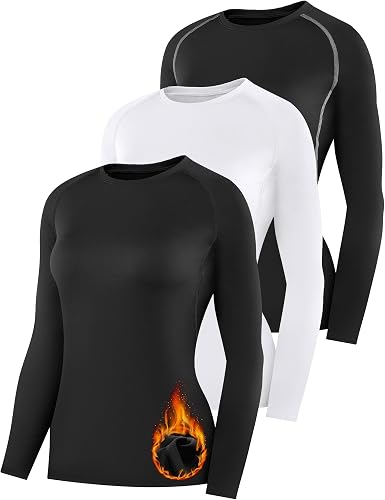
Best for: Someone who wants a snug, supportive fit that stays in place.
This top provides muscle compression to promote circulation while maintaining warmth. The fleece-lined interior adds a layer of insulation, while the lightweight material keeps it from feeling heavy.
Its classic crew neck design makes it versatile for both lounging and active wear. It isn’t for the person who feels restricted by tight, compression-style clothing, as the fit is specifically designed to be slim and snug.
Good if:
- You like the feel of compression.
- You want a slim, base-layer fit.
- You need extra warmth in a lightweight package.
Skip it if:
- You prefer a loose or relaxed fit.
- You dislike tight-fitting necklines.
6. Fleece Lined Turtleneck

Best for: Someone who wants extra neck coverage and a sophisticated look.
This top combines a fleece-lined interior with a turtleneck design to maximize heat retention. It’s built to be a lightweight base layer that’s easy to pair with jeans or coats.
The turtleneck design offers more warmth around the neck than a standard crew neck. It isn’t for the user who finds fabric around the neck uncomfortable, as the turtleneck style provides a close, constant fit.
Good if:
- You want added warmth for your neck.
- You prefer a more polished, stylish look.
- You need a versatile piece for layering.
Skip it if:
- You feel claustrophobic in turtlenecks.
- You want a low-profile neckline.
7. Micro Waffle Thermal

Best for: Someone who likes the classic, textured feel of waffle-knit fabric.
This shirt is made from a blend of cotton and recycled polyester, using a micro-waffle texture to trap heat. It includes cuffed wrists to help secure that warmth against the body.
The tag-free label is designed for comfort, and the fabric has enough stretch to improve the fit. It isn’t for those who need a synthetic, high-performance base layer, as the cotton content is better suited for moderate to cold conditions rather than extreme, wet, or active environments.
Good if:
- You like the traditional look of waffle knit.
- You want cuffed sleeves for heat retention.
- You prefer a soft, cotton-rich blend.
Skip it if:
- You need a technical, moisture-wicking layer.
- You’re heading into extreme, damp cold.
8. Micro French Terry Top

Best for: Someone who wants a lightweight, moisture-wicking layer for active winter sports.
This French terry top is designed for winter activities like skiing or snowboarding. It features a moisture-wicking and quick-drying fabric that keeps you dry when you’re on the move.
The stretch design allows for full mobility, which is essential for active winter sports. It isn’t for someone looking for a heavy, fleece-lined garment for lounging, as this piece prioritizes performance and quick drying over thick insulation.
Good if:
- You’re active in winter sports.
- You need quick-drying performance fabric.
- You want high mobility and stretch.
Skip it if:
- You want a heavy, fuzzy fleece lining.
- You’re looking for a casual home-lounging shirt.
9. Plus Size Fleece Lined

Best for: Someone who needs a comfortable, fleece-lined fit in a wider range of sizes.
This top is specifically designed with a wide range of sizes, from X-Large to 4X-Large. The 95% polyester and 5% spandex blend provides a four-way stretch that helps the garment maintain its shape.
The fleece lining offers warmth without being overly bulky, making it a good choice for daily layering. It isn’t for someone who prefers natural fibers like wool or cotton, as the construction is entirely synthetic.
Good if:
- You need a specific plus-size fit.
- You want warmth without heavy bulk.
- You need a flexible, four-way stretch fabric.
Skip it if:
- You have a strong preference for natural materials.
- You prefer a very thin, non-fleece layer.
10. Ultra Soft Baselayer

Best for: Someone who wants a smooth, lightweight layer that remains soft against the skin.
This baselayer is lightly brushed on both sides to provide a cozy feel while remaining thin enough to wear under clothes. The 90% polyester and 10% spandex blend offers significant stretch and moisture-wicking capabilities.
It also features anti-static and anti-odor treatments, which help keep the garment fresh during long days of wear. It isn’t for the buyer who needs heavy-duty, thick insulation for sub-zero temperatures, as this is designed as a lightweight base layer.
Good if:
- You want an ultra-soft, brushed fabric.
- You need a thin layer for under clothes.
- You want anti-odor and anti-static features.
Skip it if:
- You need a thick, insulating sweater.
- You prefer natural materials.
Where These Overlap
Many of these options overlap in their core purpose: providing a reliable layer of insulation during cold weather. For example, the Ultra Soft Baselayer and the Lightweight Baselayer Scoop both focus on a lightweight, synthetic, and stretchy construction that disappears under your clothes. If you’re choosing between those two, the primary difference is the neckline—scoop versus crew—rather than the performance of the fabric itself. Similarly, the Fleecewear with Stretch and the Plus Size Fleece Lined both serve the same goal of providing soft, fleece-lined warmth. The decision here is usually down to the specific size range or the brand’s fit profile.
Still Not Sure?
How often will I really use it?
If you plan to use your top almost every day, look for something that’s easy to care for and comfortable for long stretches. A synthetic, machine-washable top like the Ultra Soft Baselayer is likely the most practical choice for a daily workhorse that gets tossed into the laundry often.
What do I already own that this has to work with?
Think about the clothes you already have. If you have a lot of low-cut tops, the Lightweight Baselayer Scoop will hide well. If you have bulky sweaters that are already warm, a thin piece like the Micro French Terry Top will provide extra comfort without making you feel restricted.
What am I most likely to regret choosing?
The most common regret is choosing a fabric that’s too thick for your activity level. If you’re prone to overheating, avoid the Heavyweight Double-Layer Shirt and choose a more breathable option. If you hate the feeling of tight necklines, avoid the Fleece Lined Turtleneck entirely.
Closing
As an Amazon Associate, we earn from qualifying purchases. This post contains affiliate links – if you buy through them, we may earn a commission at no extra cost to you.
Choosing the right thermal top comes down to your local climate and how you layer. If you want a natural, high-performance base for outdoor adventures, the Merino Wool Base Layer is an excellent choice. If you need a soft, synthetic layer for daily wear, the Ultra Soft Baselayer is a reliable option. Take a look at your closet to see which neck style suits your current wardrobe best.
Related guides
- 10 Best Cold Weather Scarves for Women: Our Top Picks in 2026
- 5 Best Hiking Pants for Tall Women: Our Top Picks for Length in 2026
- 5 Best Backpacks for Travel and Work: Our Top Picks in 2026
Frequently Asked Questions
How should I care for my thermal top to make it last?
Always check the care label inside the garment for specific temperature settings. Generally, washing in cold water on a gentle cycle and hanging to dry helps preserve the elasticity of synthetic blends like those found in the Ultra Soft Baselayer.
Does a thermal top need to be replaced every season?
You don’t need to replace them annually if they’re well-cared for and retain their shape. High-quality pieces like the Merino Wool Base Layer are often designed for long-term durability.
Will a thermal top keep me warm if it gets damp?
Synthetic fibers like polyester are generally better at keeping you warm when damp because they don’t absorb as much water as cotton. For active, high-intensity days where you might sweat, choosing a moisture-wicking option like the Micro French Terry Top is the most effective way to stay comfortable.
Would I have been better off with a more capable, technical model?
If you find yourself frequently outdoors in harsh, changing conditions, you might regret choosing a basic cotton-blend waffle top. A more technical, moisture-wicking base layer often provides better protection against temperature fluctuations. If you find your current top isn’t enough, look for specialized winter clothing standards that prioritize moisture management and heat retention.
Final Thoughts
Choosing the right base layer doesn’t have to be complicated. Once you’ve decided on your preferred material, you’ll stay cozy all season long. Why not check your local weather forecast today to see which weight you’ll need first? You’ll be glad you’re prepared when the next cold snap finally hits.