
To clean a top loading washing machine effectively, you must combine a deep sanitizing cycle with manual scrubbing of the agitator, lid, and gasket areas to remove mold, soap scum, and mineral deposits. Maintaining a hygienic appliance prevents the buildup of bacteria and foul odors that can transfer to your clothing, ensuring your laundry remains fresh and your machine operates at peak efficiency. Regular attention to the drum and the detergent dispenser is essential for long-term performance.
Key Takeaways
- Run a cleaning cycle monthly to prevent the accumulation of biofilm and mildew.
- Use white vinegar and baking soda as natural, cost-effective cleaning agents for your drum.
- Leave the lid open between loads to allow moisture to evaporate and inhibit mold growth.
- Clean the detergent dispenser and fabric softener tray to avoid clogs and residue buildup.
- Wipe down the rubber seals and the underside of the lid to remove trapped debris.
How to Clean Top Loading Washing Machine
Cleaning your machine requires a methodical approach to ensure every nook and cranny is addressed. Start by emptying the drum completely. If your machine has a dedicated “Tub Clean” cycle, use it; otherwise, select the hottest water setting and the longest wash cycle available. Pour two cups of white distilled vinegar directly into the drum. The acidity of the vinegar helps break down mineral deposits and kills bacteria.
Allow the cycle to run for a few minutes to mix the water and vinegar, then pause the machine and let the mixture sit for one hour. This soaking period is critical for loosening stubborn grime. After the hour, resume the cycle and let it finish. Once drained, add one-half cup of baking soda to the drum and run another hot cycle to neutralize the vinegar and scrub away any lingering residue.
Tools You Will Need
To perform a thorough cleaning, gather the following supplies before you begin the process. Having these items organized ensures you don’t need to stop mid-task to hunt for missing gear.
| Tool | Purpose |
|---|---|
| White Vinegar | Dissolves mineral deposits and odors |
| Baking Soda | Acts as a gentle abrasive scrub |
| Microfiber Cloth | Wipes surfaces without scratching finishes |
| Old Toothbrush | Reaches narrow crevices and agitator fins |
| Dish Soap | Cuts through greasy fabric softener residue |
| Spray Bottle | Applies cleaning solution to stubborn spots |
Addressing the Agitator and Drum
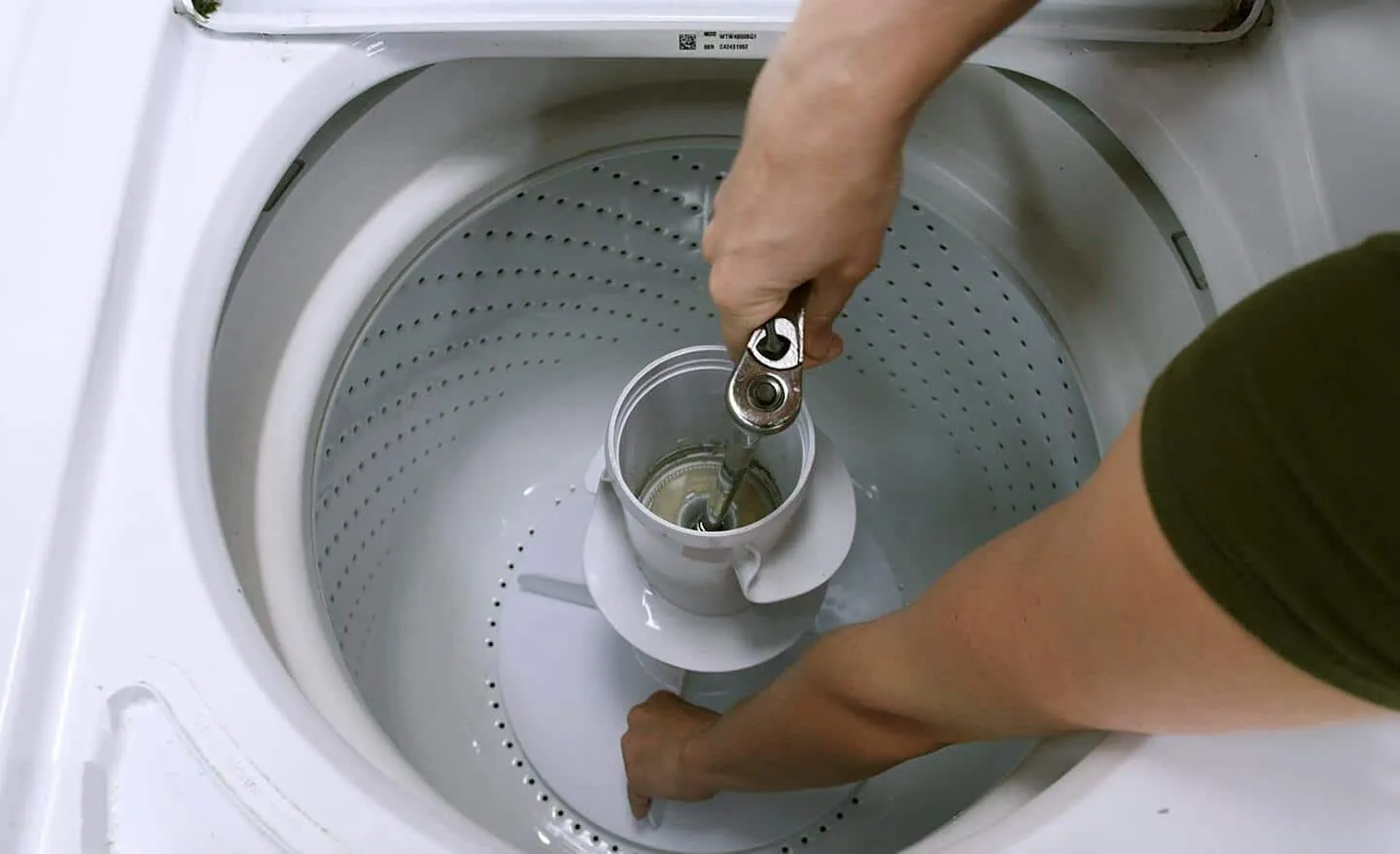
The center agitator is a common hiding spot for lint, hair, and soap sludge. Take your toothbrush and dip it into a solution of warm water and mild dish soap. Scrub the base of the agitator where it meets the drum floor, as this is where debris often collects.
If your machine has a removable fabric softener dispenser on top of the agitator, pull it off and soak it in warm, soapy water. Use the brush to remove any hardened softener that has built up inside the cup. Once the agitator is clean, wipe the interior walls of the stainless steel or porcelain drum with a cloth dampened with vinegar to ensure a streak-free finish.
Why Is My Washer Smelling Musty?
A musty odor usually indicates the presence of mold or mildew growing in damp, dark areas of the machine. Top loaders are particularly prone to this because moisture often gets trapped under the lid or inside the outer tub.
When detergent residue, fabric softener, and body oils mix, they create a food source for mold. To eliminate these smells, you must ensure the unit dries out completely between uses. If the smell persists after a deep clean, check your drain hose for blockages or standing water that might be backing up into the drum.
Cleaning the Exterior Surfaces
While the interior is the priority, the exterior shouldn’t be ignored. Dust and lint can accumulate on the control panel, the lid hinges, and the sides of the machine. Use a damp microfiber cloth with a mild all-purpose cleaner to wipe down the exterior casing. Pay close attention to the control buttons, as these can harbor bacteria from constant contact.
If you have a stainless steel finish, consider using a specialized cleaner to prevent smudging and maintain the aesthetic of your laundry room. Ensure that no moisture drips into the electronic components of the control panel during the cleaning process, as this could cause a short circuit.
Maintenance of Seals and Gaskets
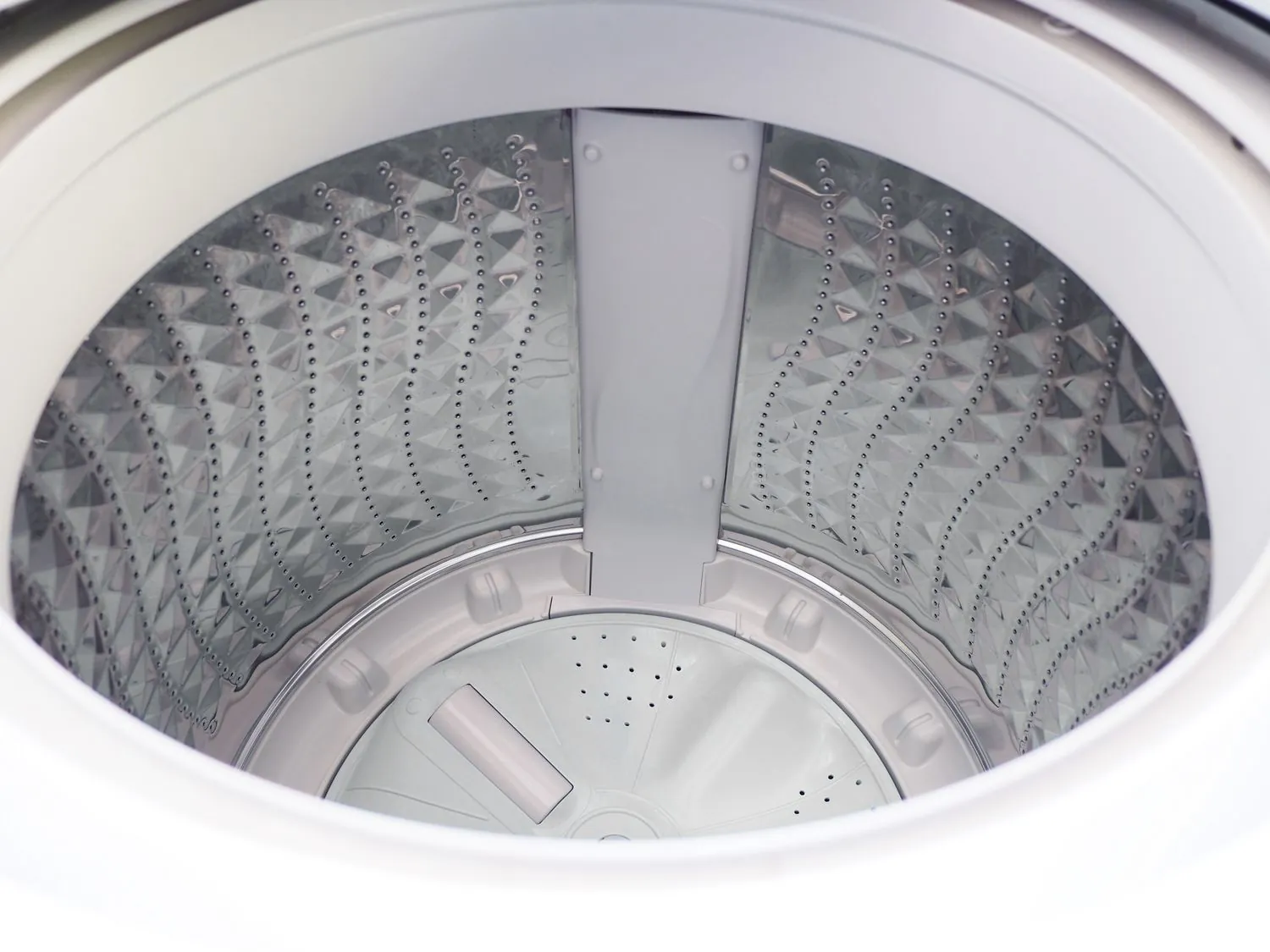
Even though top loaders don’t have the massive door gaskets found in front loaders, many models feature a rubber gasket or seal around the lid area. This area is a prime location for mold to thrive. Take a damp cloth and wipe the underside of the lid and the rim of the tub where the lid rests.
If you see black spots, use a mixture of water and a small amount of bleach on a cotton swab to spot-treat the moldy areas. Rinse thoroughly with clean water afterward to ensure no bleach remains to damage your clothes in the next load. Always dry the seal completely with a clean towel after wiping it down.
Managing Detergent and Bleach Dispensers
Modern top loading machines often feature pull-out drawers for detergent, bleach, and fabric softener. These drawers are frequently overlooked but can become clogged with solidified product. Remove the dispensers if the manual allows, and rinse them under hot running water. Use a soft brush to scrub away any gummy residue.
If the dispensers aren’t removable, use a spray bottle to saturate the compartments with vinegar, let them sit for ten minutes, and then wipe them clean. A clogged dispenser can prevent your laundry from getting properly cleaned, as the machine may not be releasing the soap at the correct time during the wash cycle.
Checking the Drain Pump Filter
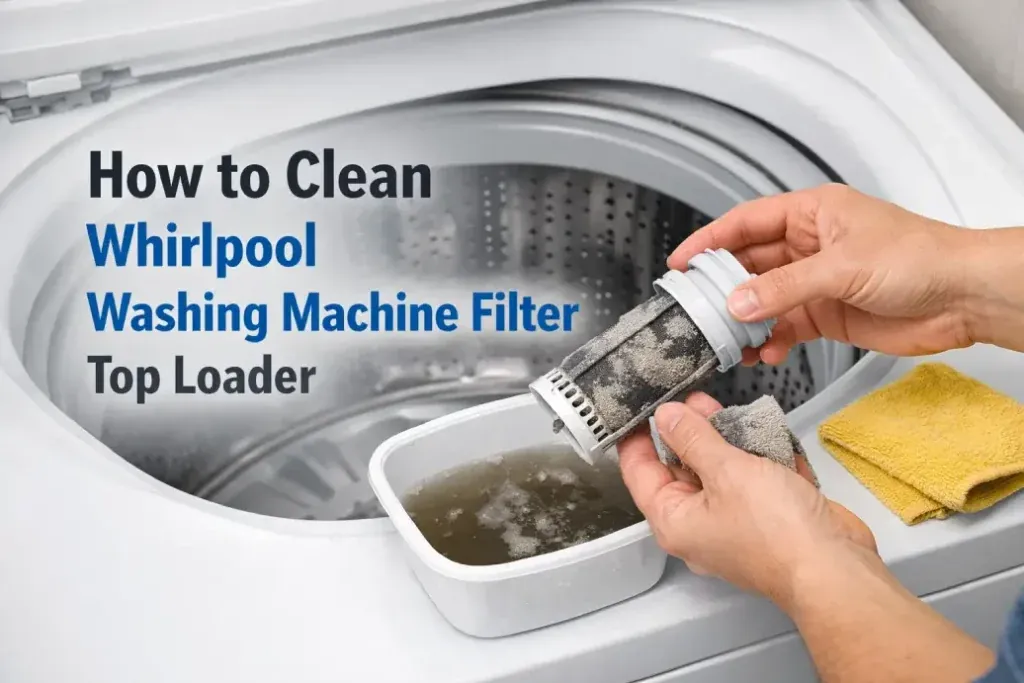
Some top loading models include a drain pump filter or a debris trap designed to catch coins, buttons, and lint before they enter the drainage system. Consult your owner’s manual to locate this filter; it’s often found behind a small panel at the front or bottom of the machine.
Place a shallow pan or a towel under the access point to catch any water that spills out when you open the filter. Remove the debris, rinse the filter under the faucet to clear out trapped lint, and screw it back into place tightly. This simple step prevents pump failure and ensures water exits the machine efficiently.
Frequency of Cleaning Schedule
How often you clean your machine depends heavily on how frequently you do laundry and the hardness of your water. If you have hard water, mineral deposits will build up much faster, requiring more frequent maintenance. Use this table as a general guide to keep your appliance in top condition.
| Task | Frequency |
|---|---|
| Wipe down lid and seals | Every 2-3 weeks |
| Deep clean drum (Vinegar/Soda) | Once a month |
| Clean detergent dispensers | Once a month |
| Inspect drain filter/hose | Every 3-6 months |
| Exterior dust and wipe down | As needed |
Pro Tips for Daily Care
Pro Tip: Always leave the lid of your top loading washing machine propped open for at least an hour after finishing your last load of the day. This simple habit allows air to circulate, which helps evaporate residual moisture and significantly slows down the growth of mold and mildew. Another useful practice is to avoid using excessive amounts of detergent. Modern machines are designed to be water-efficient, and using too much soap leaves behind a film that acts as a breeding ground for bacteria. Stick to the manufacturer’s recommended dosage to keep the interior components cleaner for longer periods.
Troubleshooting Common Issues
If you find that your clothes still smell bad after a full cleaning cycle, the issue might be related to the water quality or the plumbing rather than the machine itself. Ensure that the hot water supply is actually reaching the machine at the temperature indicated; a faulty water heater or a restricted inlet valve can prevent the machine from reaching the high temperatures necessary to sanitize the load.
Additionally, check for sewer gas odors that might be wafting up through the drain pipe. If the smell is localized to the machine, try performing a second deep cleaning cycle using a commercial washing machine cleaner specifically formulated to remove heavy buildup that vinegar and baking soda might miss.
Related guides
- Amana Washing Machine Troubleshooting: Fix Common Cycle Errors in 2026
- Shark Duo Clean Vacuum Troubleshooting: Fix Suction and Brush in 2026
Frequently Asked Questions
How do I remove mold from my top loader?
To remove mold, create a solution of one part bleach to ten parts water and scrub the affected areas with a stiff brush or old toothbrush. Wear gloves to protect your skin. After scrubbing, run a cycle on the hottest setting with two cups of bleach, but don’t include any clothing. Ensure the area is well-ventilated during this process to avoid inhaling strong fumes.
Is it safe to use bleach in my machine?
Yes, using a small amount of bleach is safe for most machines, but it should be used sparingly. Bleach is excellent for killing mold and sanitizing the drum, but it can degrade rubber seals over time if used too frequently. Always check your manufacturer’s manual before using bleach, and never mix it with vinegar, as this creates a harmful gas.
Why does my machine have brown residue?
Brown residue in a top loader is often a combination of hard water mineral deposits and accumulated soap scum. Over time, these substances oxidize and turn a brownish color. This is common in areas with high iron content in the water supply. Regular cleaning with white vinegar helps dissolve these mineral deposits, keeping your drum clean and preventing the residue from staining your light-colored garments.
Can I use store-bought cleaners instead?
You certainly can. Many people prefer commercial washing machine cleaners because they’re pre-measured and often contain surfactants designed specifically for laundry equipment. These products are effective at removing biofilm and mineral buildup. If you choose this route, follow the instructions on the packaging exactly, as some cleaners require specific water levels or temperatures to activate the chemical agents properly for the best results.
How do I stop my clothes from smelling?
Clothes often smell because the machine itself is dirty. To prevent this, always remove wet laundry immediately after the cycle ends. Leaving wet clothes in the drum creates a humid environment perfect for bacteria. Also, ensure you’re using the correct amount of detergent; using too much soap leads to residue buildup that traps odors in the fabric fibers during the wash cycle.
Conclusion
Maintaining a clean washing machine is a simple but vital part of home management that protects your investment and keeps your laundry fresh. By incorporating the cleaning steps outlined above into your monthly routine, you’ll prevent odors, extend the lifespan of your appliance, and ensure that every load of laundry is washed in a truly hygienic environment. Start by leaving your lid open tonight to begin the drying process.