
Well Pump Control Box Troubleshooting is effective when you check the power supply, the reset switch, and external wiring for damage. Most issues stem from a tripped breaker or loose wire, though humming or silence often indicates a deeper electrical fault. Always confirm the power is off at the main breaker before touching any housing to avoid electric shock.
Well Pump Control Box Troubleshooting

The system stops working primarily because of electrical instability or the natural wear of components. When the motor inside the well draws too much current, it triggers a safety mechanism to prevent fire or permanent damage to the pump. This often happens if there’s a voltage drop, a power surge, or a simple loose screw terminal that creates resistance and heat.
Another common cause is the age of the installation. Over many years, the metal contacts inside the unit can oxidize or gather dust, which prevents a clean electrical signal from reaching the motor. If the pump is forced to work against high pressure or a blocked pipe, it also stresses the control unit. This varies by model — check the label on your specific unit to see the recommended duty cycle and pressure ratings.
Finally, external factors like water intrusion or rodent damage can ruin the internal connections. If you notice moisture inside the box, the seal has failed. This is a common failure point that makes the unit unsafe to operate. According to the Occupational Safety and Health Administration, moisture combined with electrical components creates a high risk of arc flash or shock, which is why any sign of water requires immediate professional inspection.
Inspecting the power supply
This fix is for anyone who finds their water system silent and non-responsive. Start by looking at your home’s main electrical panel. If the breaker for the well pump is in the “off” or “tripped” middle position, flip it all the way to “off” and then back to “on.” If it trips again immediately, stop. This indicates a short circuit in the wiring or a seized pump motor, and you need an expert.
If the breaker is fine, go to the wall switch or disconnect box near the control unit. Ensure it’s firmly in the “on” position. Sometimes these switches get bumped or partially moved, which stops power from reaching the box. If you have a test light or a non-contact voltage tester, you can safely verify if power is reaching the terminal block inside the disconnect box. If you don’t have this tool, don’t guess. A trade-off exists here: you can save time by checking these simple points, but you risk missing a deeper internal fault if you assume the lack of power is the only issue. If you aren’t comfortable working with household electrical panels, hire a professional.
Checking for loose connections
This fix focuses on the external wiring entering the control box. Over time, vibrations from the pump can loosen the screw terminals where the wires attach to the box. Turn off the main power at the breaker before you do anything. Once the power is off, look at the exterior of the box for any burned or discolored wire insulation.
If you see a wire that has pulled away from a terminal or looks melted, this is the cause. If the wire is loose, you can tighten the screw. However, if the wire is melted or the plastic insulation is brittle, don’t simply tape it up. This is a fire hazard. You need to have the damaged section of wire replaced by a professional. This fix isn’t for those who lack basic tools like a screwdriver or who aren’t confident working near electrical enclosures. If you tighten a connection and the system still fails to start, the issue is internal to the box, and you should contact a professional.
Resetting the system
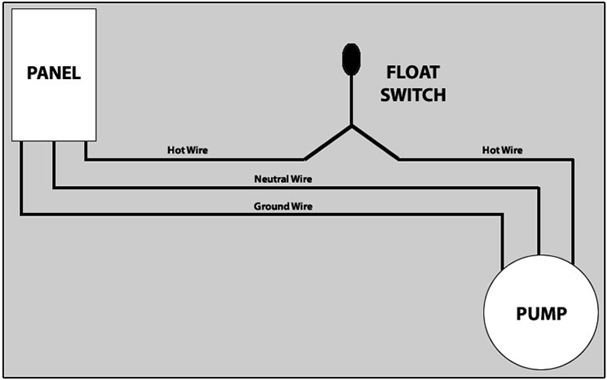
Some control boxes feature a manual reset button located on the side or bottom of the housing. This button is designed to pop out when the internal thermal protector detects an overload. If you see the button pushed out, press it firmly until it clicks back into place. If the system starts immediately, wait and watch it for at least ten minutes to see if it stays running.
If the button pops out again within a few minutes, the pump is working too hard. This is a clear sign that the pump is likely failing or the well screen is clogged. This fix isn’t for people who want to avoid a larger repair; resetting the box repeatedly when it trips will only cause more damage to the motor. If the reset button doesn’t stay in, you have reached the limit of what you can safely do. At this point, contact a well pump technician to test the pump’s “amp draw.” They have the specialized tools to tell if the motor is drawing too much power, which is the only way to know if you need a new pump or just a new control box.
What not to do
- Never bypass the circuit breaker or the reset button with a wire or metal object, as this removes the system’s only protection against electrical fire.
- Don’t spray water or cleaning solvents on or into the box to “clean” it, as moisture will cause an immediate short circuit or internal corrosion.
- Avoid leaving the power on if you hear a loud, constant buzzing or grinding sound, because this indicates the motor is struggling and will burn out within minutes if left running.
- Never attempt to force the box open if it’s sealed with rivets or security screws, as you’ll void the warranty and risk damaging the internal components.
How to stop it happening again
Regular maintenance of your electrical environment prevents most control box failures.
| If you’re doing this | Do this instead | Why |
|---|---|---|
| Ignoring a buzzing sound | Turn off power and call a pro | Buzzing means the motor is failing |
| Leaving the box in the rain | Install a protective cover | Moisture causes internal corrosion |
| Forcing a reset | Check for clogged pipes | Repeated trips signal a motor load |
| Using old, brittle wiring | Replace with new, rated cable | Loose wires create heat and fire |
Frequently asked questions
Can I replace the control box myself?
No, you shouldn’t replace the control box yourself unless you have specific training in electrical systems and well pump wiring. The box must be matched exactly to the horsepower and voltage of your pump to avoid motor burnout. Professional installation ensures the unit is correctly sized and grounded.
Why is my well pump control box humming?
A humming sound usually means the control box is sending power, but the motor can’t start due to a failed capacitor or a seized pump. Turn off the power immediately to prevent the motor from overheating. A technician is required to diagnose whether the failure is mechanical or electrical.
How long does a well pump control box last?
Factors like extreme heat, humidity, and power surges will shorten this lifespan significantly.
Is it safe to open the control box cover?
No, it isn’t safe for a non-professional to open the control box cover. Internal capacitors can hold a dangerous electrical charge even after the power is disconnected at the main breaker. Always leave the cover closed and call a qualified professional to test the circuitry safely.
What happens if I keep resetting the box?
You shouldn’t reset a tripped control box, as doing so will likely destroy the pump motor. The box trips to protect the motor from drawing too much current due to overheating or blockages. Forcing the system to run under these conditions will lead to a costly motor burnout.
Final Thoughts
If these basic checks don’t get your water flowing again, don’t hesitate to call a licensed professional. Electrical repairs can be tricky, and it’s better to stay safe than to risk further damage. They’ll have the right tools to diagnose the problem quickly so you’re not left without water for long.
Related guides
- E Z Go Golf Cart Troubleshooting Manual: Fix Common Power Issues in 2026
- Craftsman Power Washer Troubleshooting: Fix Pressure Issues
- Pentair Intelliflo Vsf Troubleshooting: Fix Common Pump Errors