
Effective Craftsman Power Washer Troubleshooting starts with verifying your water supply pressure and checking the integrity of your spray nozzle for clogs. The most common cause for a machine that fails to start or loses pressure is an air lock in the pump or a blocked intake filter. If your unit has power but no water flow, you should immediately inspect the garden hose connection for debris or kinks.
Craftsman Power Washer Troubleshooting
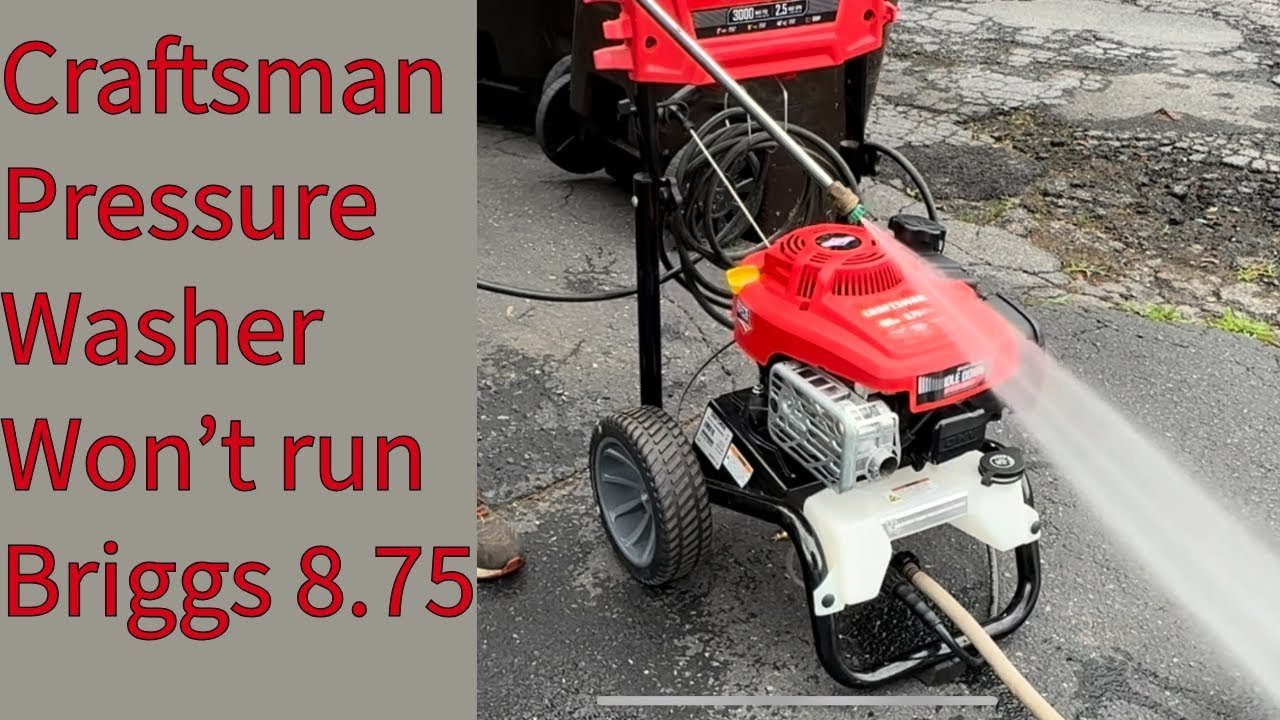
Power washers rely on a steady flow of water to cool the internal pump and generate the high-pressure stream you need. When the water supply is restricted, the pump can overheat or draw in air, which prevents it from building pressure. This is a common issue because many users connect their machines to garden hoses that are either too narrow or partially blocked by sediment.
Another frequent cause is the buildup of mineral deposits or debris inside the nozzle tip. Even a tiny piece of sand or scale can disrupt the water pattern and cause the machine to pulse or lose power entirely. This varies by model — check the label on your specific nozzle to see if it’s rated for the pressure your pump produces. If you’re using a nozzle with an opening that’s too large, the machine won’t be able to build the necessary backpressure to reach its rated PSI.
Internal mechanical failures, such as a broken unloader valve or worn-out pump seals, also happen over time. This is often the result of letting the machine run in “bypass mode”—where the engine is on but you aren’t pulling the trigger—for more than two or three minutes at a time. The water inside the pump gets hot, which damages the seals and internal components. If you notice water leaking from beneath the pump housing, it’s usually a sign that the seals have failed. For safety, remember that high-pressure water can cause severe skin injuries; always wear protective gear and follow the guidance provided in the official Craftsman power washer manual regarding safe operation and maintenance.
Safety: Inside a mains-powered machine, the parts behind the outer cover can hold a dangerous electrical charge even after it has been unplugged — that’s why they sit behind a cover. Opening the housing, or testing or replacing anything behind it, is a job for a qualified technician, never a home repair.
Clean the intake filter
This fix is for users who experience low pressure or a sputtering water stream. Before you begin, shut off the water supply and disconnect the garden hose from the machine. Locate the water inlet, which is the threaded metal or plastic fitting where the hose attaches. Inside this fitting, you’ll find a small mesh screen. Use a pair of needle-nose pliers to gently pull the filter out. If it’s covered in dirt or sand, rinse it under running water until the mesh is clear.
If the filter is damaged or can’t be cleaned, you must replace it with an identical part. Never run the machine without the filter, as even small debris can permanently score the pump’s interior. This is a common mistake that costs users the entire pump assembly. If you replace the filter and the pressure is still low, check your garden hose for any kinks or internal collapses. If you’re using a hose longer than 50 feet, the pressure drop might be caused by the hose diameter being too small to supply the required gallons per minute. This fix isn’t for internal engine issues or electrical failures; if the motor itself isn’t turning, don’t attempt to open the motor housing.
Clear the nozzle tip
This fix is for users who notice a weak or uneven spray pattern. Take a small, stiff wire, such as a specialized nozzle cleaning tool or a thin paperclip, and insert it into the spray nozzle tip. Move the wire back and forth to dislodge any mineral deposits or grit that might be blocking the opening. Once you have cleared the debris, turn on the water supply without starting the engine to flush out any remaining particles.
If you have a multi-pattern nozzle, turn the selector to each setting to ensure they’re all clear. If the nozzle remains blocked, you may need to soak it in a vinegar solution for one hour to dissolve stubborn hard water buildup. Never use a drill bit or any tool that could enlarge the hole, as this will change the nozzle’s spray angle and pressure rating. This fix is for blocked tips only. If the nozzle is cracked or heavily corroded, you must buy a replacement that matches the pressure and orifice size of your specific unit. If you’re unsure of your machine’s requirements, check the data plate on the frame for the maximum PSI and GPM ratings.
Check the unloader valve
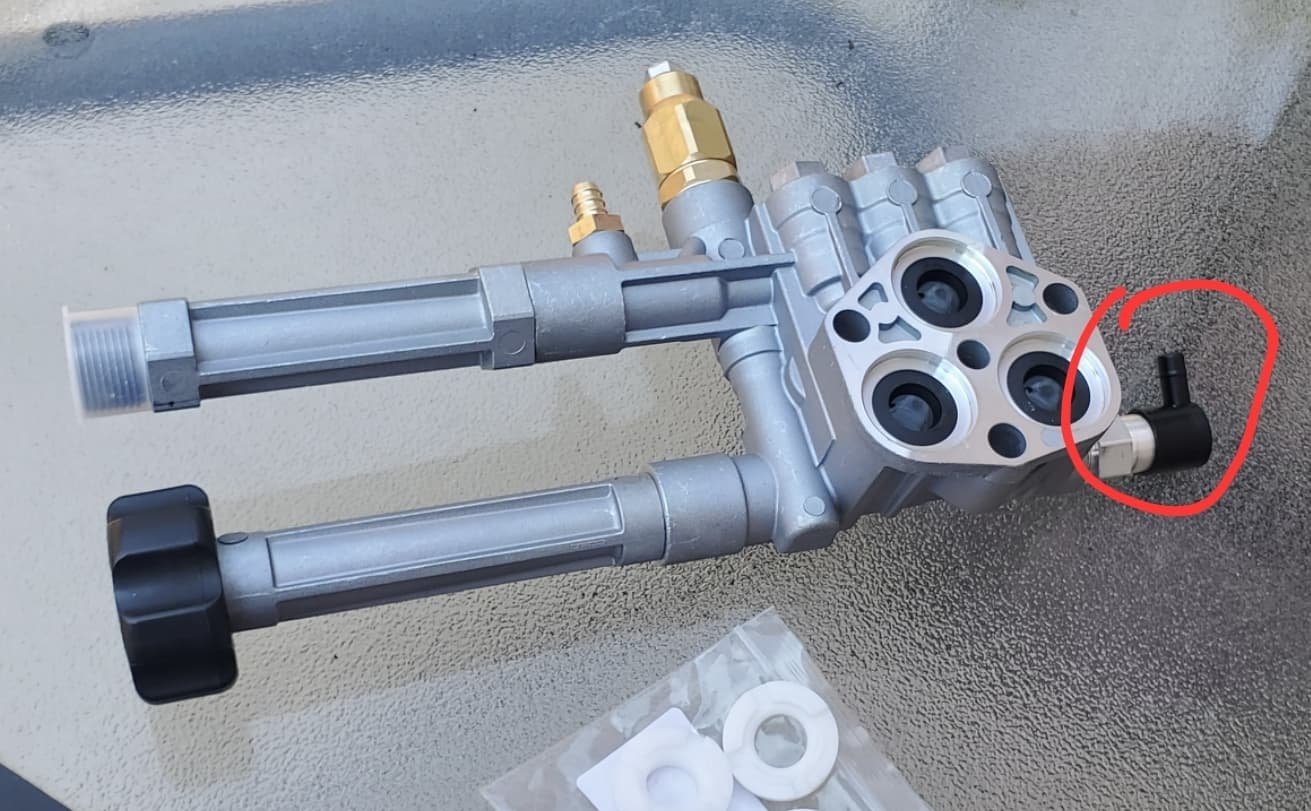
This fix is for users whose machine loses pressure when the trigger is pulled or continues to run loudly without spraying. The unloader valve controls the flow of water when the trigger is released. If it gets stuck in the open position, the water will circulate back into the pump instead of exiting through the hose. You can sometimes free a stuck valve by rapidly pulling and releasing the spray gun trigger ten times while the machine is running.
If this doesn’t restore pressure, the valve is likely clogged with debris or the internal spring has failed. This is a more complex issue. If you aren’t comfortable performing minor external adjustments, this is the point where you should contact a qualified service technician. Never attempt to disassemble the pump housing or remove the valve yourself, as this can void your warranty and lead to dangerous high-pressure leaks. A professional can test the pump pressure safely and determine if the unloader needs a simple cleaning or a full replacement. Only proceed with this if you have the patience to troubleshoot the flow; if you prefer a quick fix, seeking professional help saves time and prevents potential damage to the pump seals.
What not to do
- Don’t use a garden hose that’s kinked or collapsed. This starves the pump of water, which will lead to rapid overheating and internal damage that’s often too expensive to repair.
- Don’t run the motor in bypass mode for extended periods, as the recirculating water will overheat. This causes the water inside the pump to heat up significantly, which can damage the seals and internal valves.
- Don’t use harsh chemicals or caustic drain cleaners to clear the nozzle. These substances can corrode the brass or stainless steel components of the nozzle, leading to an unpredictable and dangerous spray pattern.
- Don’t attempt to open the pump or motor casing. Internal pump components are under extreme tension and can cause physical harm if disassembled incorrectly.
How to stop it happening again
To keep your equipment running, you must establish a routine of clearing the system after every single use.
| If you’re doing this | Do this instead | Why |
|---|---|---|
| Leaving water in the pump | Use pump protector fluid | Prevents freezing and mineral buildup |
| Storing in a cold shed | Keep in a frost-free area | Prevents cracked pump housings |
| Using old, dirty water | Use filtered supply water | Prevents clogged inlet screens |
| Letting it run in bypass | Turn the engine off | Prevents heat-induced seal failure |
Frequently asked questions
Can I use a longer garden hose?
Yes, you can use a longer hose, but it must have a minimum diameter of 5/8 inches. If you use a hose longer than 50 feet, you’ll likely notice a drop in pressure because the pump can’t draw water fast enough to keep up with the high-pressure demand.
Why is my power washer pulsing?
The pulsing is almost always caused by air trapped in the system or a partially blocked nozzle tip. Start by holding the trigger open for 30 seconds without the engine running to purge the air, then check the nozzle for debris.
How long should the pump last?
The pump will last for several hundred hours of operation if you always use a clean water supply and never leave the unit in bypass mode for more than two minutes. Check your owner’s manual for the specific maintenance schedule for your model.
Is it safe to repair the pump myself?
No, you should never attempt to open the pump housing or replace internal seals if you aren’t a trained technician. The components are under high pressure and require specialized tools to reassemble safely and correctly.
What happens if I use the wrong nozzle?
Using a nozzle with a hole that’s too large will result in very low pressure, while using one that’s too small can cause the engine to stall or the pump to over-pressurize. Always use the nozzle size that came with your unit or one that matches your machine’s GPM rating.
Final Thoughts
If your machine still isn’t performing like it should, don’t hesitate to consult your owner’s manual for specific part diagrams. You’ll find that replacing a worn-out seal or a faulty spark plug often does the trick. Once it’s running smoothly again, you’ll be ready to tackle those outdoor cleaning projects with ease.