
Ecosmart Water Heater troubleshooting often begins with resetting the high-limit switch or checking the circuit breaker to restore flow. If your unit stops heating, it is usually due to a tripped breaker or an activated safety switch. Always check your electrical panel first to ensure the switch hasn’t flipped off.
Ecosmart Water Heater Troubleshooting
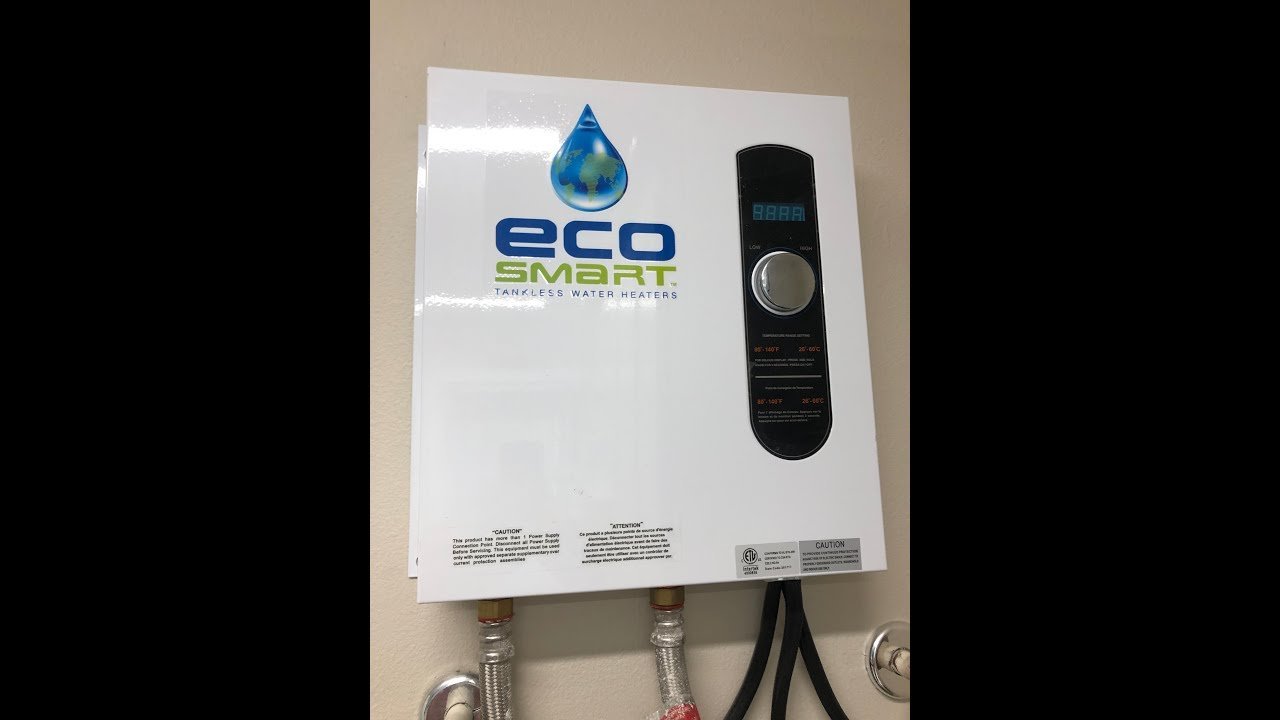
The primary reason for a loss of hot water is an electrical overload or a safety trip. When the water heater pulls more current than the circuit can handle, the breaker in your home’s main panel will trip to prevent a fire hazard. This often happens if other high-power appliances are running on the same circuit or if the wiring has become loose over time.
Another reason involves the thermal safety switch, which is a physical device that breaks the circuit if the water temperature climbs too high. This occurs if there’s a blockage in the flow sensors or if the water pressure is too low, causing the elements to overheat because the water isn’t moving fast enough to carry the heat away. The Ecosmart official support page confirms that maintaining proper flow rate and pressure is vital for the unit to operate without triggering these safety shutoffs.
Finally, some units fail to heat because of mineral buildup. If you live in an area with hard water, calcium and magnesium deposits can coat the heating elements. This creates a layer of insulation that forces the elements to work harder to reach the target temperature. Eventually, the system may register a fault because the heating process is inefficient. This varies by model — check the label on your specific unit to see if it requires annual flushing to remove scale. If you don’t perform this maintenance, the internal components will wear out much faster than the manufacturer intended.
Reset the thermal cut-off switch
If your unit has power but doesn’t heat, you may need to reset the high-limit thermal switch. This is for users who feel comfortable working with basic home appliances, but please note that if you see any signs of charred wires or smell burning plastic, stop immediately and call a licensed electrician. Don’t attempt to open the main housing if you’re unsure of your local electrical codes.
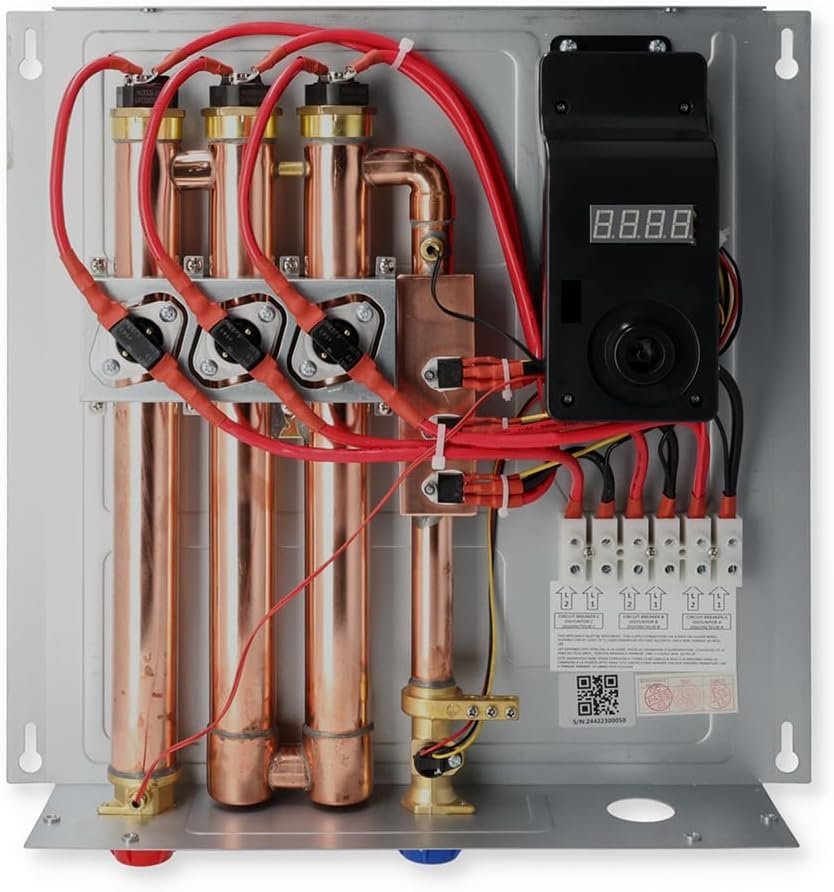
To reset the switch, first turn off the power to the unit at the main circuit breaker. Wait at least five minutes to allow any residual energy to dissipate. Remove the front cover by unscrewing the mounting bolts on the sides. Locate the red reset button, which is typically found on the top of the heating chamber assembly. Press the button firmly until you hear a click. If the button doesn’t stay down or clicks repeatedly, there’s a deeper issue with the thermostat or the heating element that requires professional repair. Replace the cover, turn the power back on, and run the hot water tap for two minutes to see if the temperature stabilizes. This fix isn’t for those who aren’t comfortable around electrical wiring; if you’re in doubt, a professional plumber or electrician is the safest choice.
Check the circuit breaker and power supply
Checking the electrical supply is a simple step that resolves many heating issues without the need for tools. If your display is completely dark, the unit is likely not receiving electricity. Go to your home’s main electrical panel and look for the breakers labeled for your water heater. Even if the switch looks like it’s in the “on” position, it may have tripped to the middle. Flip the breaker all the way to “off” and then back to “on” to ensure it’s reset.
If the unit still shows no signs of life, the problem might be a loose connection at the breaker or the service disconnect box. This is a common mistake that costs homeowners money because they assume the unit is broken when the fault is actually in the home wiring. If the breaker trips again immediately after you reset it, don’t keep trying to force it. This indicates a short circuit. In this scenario, you must stop all attempts to restore power and contact a certified electrician to test the wires and the breaker. A persistent trip means the electrical load is unbalanced or a component has failed internally. If the unit is new, check if the wiring gauge matches the requirements listed in your installation manual, as using the wrong wire size will cause the breaker to trip under load.
Verify water flow and pressure settings
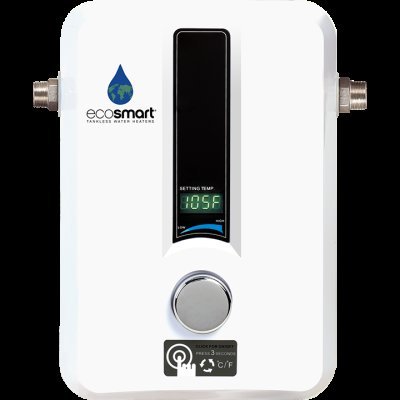
Sometimes the heater is functional, but the flow sensors aren’t triggering the heating elements because the water movement is too slow. Every unit has a minimum activation flow rate, usually around 0.25 gallons per minute. If your aerators on your faucets are clogged with debris, the water flow might be just below this threshold, preventing the unit from turning on.
To test this, remove the aerator from the faucet closest to the unit and run the water. If the heater kicks on, your issue is a simple blockage in the plumbing fixtures rather than a failure of the heater itself. If you have a whole-house unit, check the pressure at multiple taps. If the flow is weak everywhere, you may have a main water valve that’s partially closed. This fix is worth the time if you’re handy with basic plumbing tools, but it isn’t for those who are uncomfortable working with pressurized pipes. If you suspect a leak or if the pipes are corroded, hire a professional to avoid water damage to your home. Always ensure the water supply is turned off before you attempt to clean or replace any plumbing fixtures to prevent spraying water inside your home.
What not to do
- Never attempt to bypass the thermal safety switch by wiring around it, as this removes the critical fire protection for your home.
- Don’t spray water or cleaning chemicals directly into the unit’s housing to “clean” it, as moisture can cause permanent electrical shorts.
- Avoid using a screwdriver to pry open the internal components if they seem stuck, as you could damage the delicate sensors or the heating chamber.
- Don’t keep flipping a breaker that trips repeatedly, as this can lead to heat buildup in the wires behind the wall and create a fire hazard.
How to stop it happening again
Regular maintenance is the most effective way to prevent future downtime. By keeping the system clean and monitoring the water pressure, you can extend the life of the unit and avoid unexpected cold showers.
| If you’re doing this | Do this instead | Why |
|---|---|---|
| Ignoring low water pressure | Ensures flow stays above activation rate | |
| Leaving scale to accumulate | Flush the unit with vinegar | Prevents heating element insulation |
| Ignoring tripped breakers | Check for other high-load appliances | Prevents circuit overload and overheating |
| Using the unit at max heat | Set to a moderate temperature | Reduces strain on the heating elements |
Frequently asked questions
Can I fix a leaking water heater myself?
You shouldn’t attempt to repair a leaking unit yourself because it often indicates a failed internal seal or cracked heat exchanger. Leaks pose a serious risk of electrical shock if water contacts internal wiring. If you notice pooling water, shut off the water supply and circuit breaker immediately and contact a professional.
How long does an Ecosmart water heater last?
The lifespan of these units varies depending on your water quality and usage habits. If you live in an area with hard water, the buildup of minerals will reduce the unit’s longevity as it ages unless you perform regular flushing of the heating chamber.
Is it safe to reset the thermal switch?
Yes, you can safely reset the thermal switch after turning off the power at the main breaker. This switch acts as a temporary safety mechanism during overheat events. If the unit continues to trip after a reset, it indicates a mechanical problem requiring professional attention.
Why does the water temperature fluctuate?
Fluctuations in temperature usually happen because the flow rate is inconsistent or the incoming water temperature changes. If multiple taps are running at once, the unit may struggle to keep up with the total demand. This is common if the unit was sized incorrectly for your home’s total peak demand. Check the flow rate at your fixtures and ensure you aren’t exceeding the heating capacity of your specific model.
What happens if I use the wrong wire gauge?
Using a wire gauge that’s too small for your unit will cause the wiring to heat up and potentially trip the breaker or melt the insulation. Electrical current generates heat in wires; if the wire is too thin for the amperage, it becomes a fire hazard. Always ensure your installation meets the local building codes and the manufacturer’s wiring requirements, which are based on the specific power draw of your unit.
Final Thoughts
If these quick fixes don’t get your water running hot again, it’s best to call a licensed electrician. They’ll help you spot hidden wiring issues that aren’t safe to handle on your own. You shouldn’t hesitate to reach out for professional help if you’re ever feeling unsure about the repair.
Related guides