
Is your Briggs and Stratton engine sputtering, refusing to start, or just not running right? You’re not alone.
These engines are workhorses, but like any machine, they can sometimes act up. Don’t let a finicky motor bring your projects to a halt. This guide is here to help you pinpoint the problem and get your Briggs and Stratton back in action.
We’ll walk you through common issues and simple fixes, so you can get back to enjoying your equipment with confidence. Let’s dive in and get your engine purring again!
Common Briggs & Stratton Issues
Briggs & Stratton engines power many devices. Lawnmowers. Generators. They are reliable workhorses. Sometimes, they act up. Troubleshooting is key. You can fix many problems yourself. This guide helps you find solutions. We cover common issues. Get your equipment running again.
Engine Won’t Start
This is a frequent problem. Several things can cause this. Check the fuel first. Is there enough gas? Is the fuel fresh? Old gas causes starting issues. Next, look at the spark plug. Is it dirty? Is it wet? A fouled plug needs cleaning or replacing. Ensure the choke is set correctly. It helps start a cold engine. Check the air filter. A clogged filter restricts air. This prevents starting. Turn the ignition. Listen for the engine. Does it try to turn over? This tells you a lot.
Engine Starts Then Stalls
This can be frustrating. The engine runs briefly. Then it dies. This often points to fuel delivery. The fuel line might be blocked. The carburetor could be dirty. Debris clogs small passages. The fuel cap vent might be closed. This stops fuel flow. Make sure the vent is open. Air needs to get into the tank. Check the oil level. Low oil can cause stalling. Some engines have low-oil shutdown. This protects the engine.
Engine Runs Rough
A rough running engine is not smooth. It sputters. It shakes. This usually involves ignition or fuel. A spark plug issue is common. It might be worn out. It could have a bad connection. The fuel might be contaminated. Water in the gas is bad. Air leaks can also cause this. Check intake gaskets for cracks. A dirty carburetor is a prime suspect. It disrupts the fuel-air mix. Clean it thoroughly.
Engine Loses Power
Your engine feels weak. It struggles under load. This often happens with air or fuel problems. A dirty air filter is a big culprit. It chokes the engine. Not enough air gets in. The fuel system could be restricted. The fuel filter might be clogged. This limits fuel flow. The carburetor may need adjustment. It might run too lean. This means not enough fuel. Check the muffler. A blocked muffler restricts exhaust. This causes power loss.
Excessive Smoke
Smoke from your engine is a warning. White smoke means burning coolant. This is a serious internal issue. Blue smoke means burning oil. You might have worn piston rings. Or, valve seals could be bad. Black smoke indicates a rich fuel mixture. Too much fuel enters the cylinder. This is often a carburetor problem. Or, the air filter is very dirty. Fix smoke issues promptly. They can lead to bigger damage.

Credit: www.youtube.com
Fuel System Checks
Fuel system checks are vital for Briggs and Stratton motor troubleshooting. Ensure fuel flows freely. Clean fuel lines and the carburetor. This simple step often solves many engine problems.
The fuel system is vital for your Briggs and Stratton engine. Troubleshooting it is often the first step. Simple checks can solve many problems. Let’s look at the fuel system.Fuel Level
Your engine needs fuel. Check the gas tank. Is it empty? Add fresh gasoline. Do not overfill the tank.Fuel Quality
Old gas causes issues. Stale fuel loses power. It can gum up parts. Use fresh gasoline always. Look for clean fuel.Fuel Filter
A clogged filter stops fuel. This starves your engine. Locate the fuel filter. Replace it if dirty. It is a simple fix.Carburetor Obstructions
The carburetor mixes fuel. Dirt can block small passages. This prevents proper running. Clean the carburetor carefully. Sometimes a rebuild is needed.Fuel Pump
Some engines have a fuel pump. It moves gas to the engine. A faulty pump fails. Check for fuel flow. Replace a bad fuel pump.Ignition System Diagnosis
Troubleshooting your Briggs and Stratton motor? Ignition system issues stop the engine. Check spark plugs and coils for a strong spark. This helps get your motor running again.
Your Briggs and Stratton engine needs a strong spark. This spark ignites the fuel. A weak or missing spark stops the engine. You must check the ignition system. This guide helps you troubleshoot.Spark Plug Condition
First, examine the spark plug. Is it black and sooty? This means it is dirty. It might be wet with fuel. This indicates a flooding problem. Clean or replace the plug. A damaged plug needs replacement.Spark Plug Gap
Next, check the spark plug gap. The gap is very important. Too wide or too narrow is bad. Consult your engine manual. Use a feeler gauge. Adjust the gap carefully. This ensures a good spark.Ignition Coil
The ignition coil creates the spark. It sends power to the plug. A faulty coil will not spark. Test the coil for resistance. Refer to your manual for specs. A bad coil requires replacement.Kill Switch
The kill switch stops the engine. It grounds the ignition system. A stuck kill switch prevents spark. Ensure it moves freely. Check its wiring connections. A faulty switch causes no spark.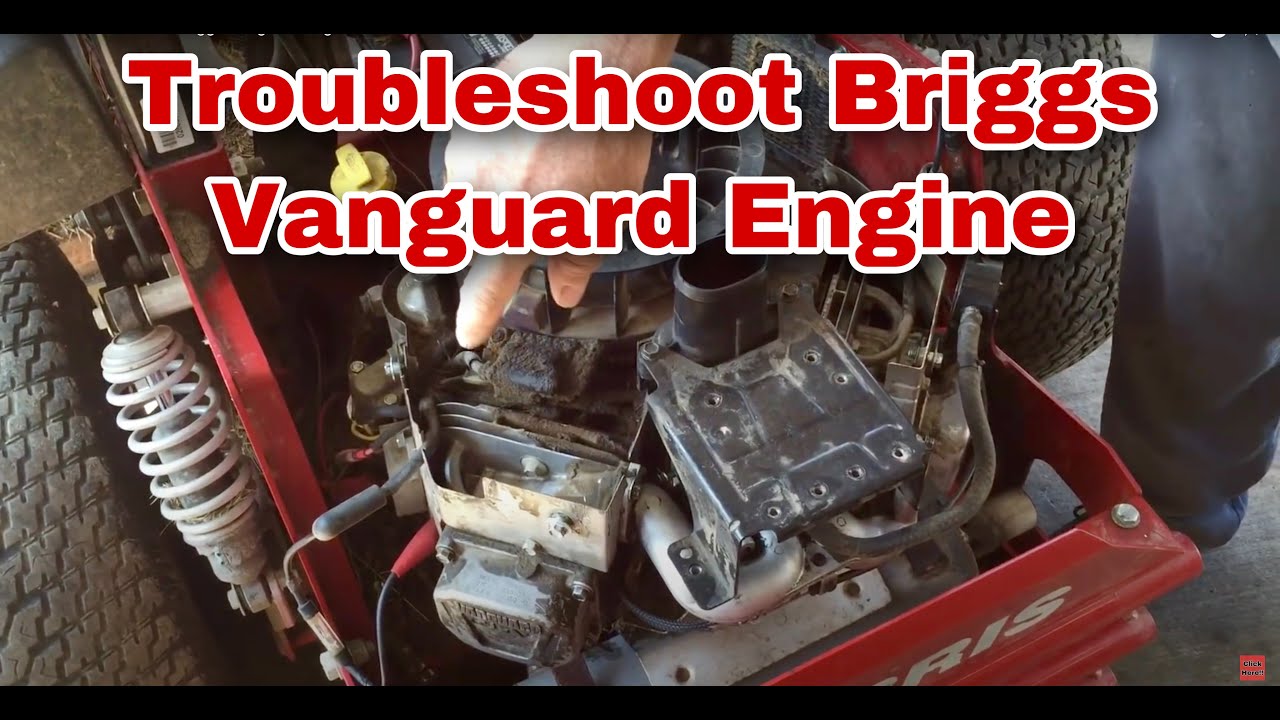
Credit: www.youtube.com
Air Intake System
The air intake system is vital. It feeds your engine clean air. A healthy system ensures peak performance. Trouble here causes big problems. Let’s look at common issues.
Air Filter
Your engine needs clean air. The air filter does this job. A dirty filter blocks airflow. This starves the engine. It runs poorly. It might not start at all. Check your filter often. Clean or replace it. This is a simple fix. It makes a huge difference.
Air Intake Path
The path air takes matters. It goes from the filter. Then into the engine. Blockages can occur here. Look for debris. Leaves, dirt, or bugs can clog it. The intake tube should be clear. Make sure it is sealed. Leaks let dirty air in. This harms your engine. A clear path is essential. Inspect it regularly.
Oil And Lubrication
Oil keeps your Briggs and Stratton engine running smoothly. Proper lubrication prevents wear and tear. It is essential for engine health. Think of it as the lifeblood of your motor.
Oil Level
Check the oil level often. Too little oil causes damage. Too much oil can also cause problems. Locate the dipstick. Wipe it clean first. Insert the dipstick fully. Pull it out again. Look at the oil mark. Add oil if it is low. Use the correct type of oil. Do not overfill the engine.
Oil Type
Use the right oil for your engine. Your manual lists the best oil. Common types are SAE 30 or 10W-30. This depends on the temperature. Using the wrong oil can harm the engine. Always follow the manufacturer’s advice. It ensures optimal performance.
Oil Changes
Change the oil regularly. This removes dirt and metal bits. Old oil loses its protective qualities. Consult your manual for intervals. It is usually every 25-50 operating hours. Drain the old oil completely. Replace the oil filter too. Fill with fresh, clean oil. A clean engine lasts longer. It runs more reliably.
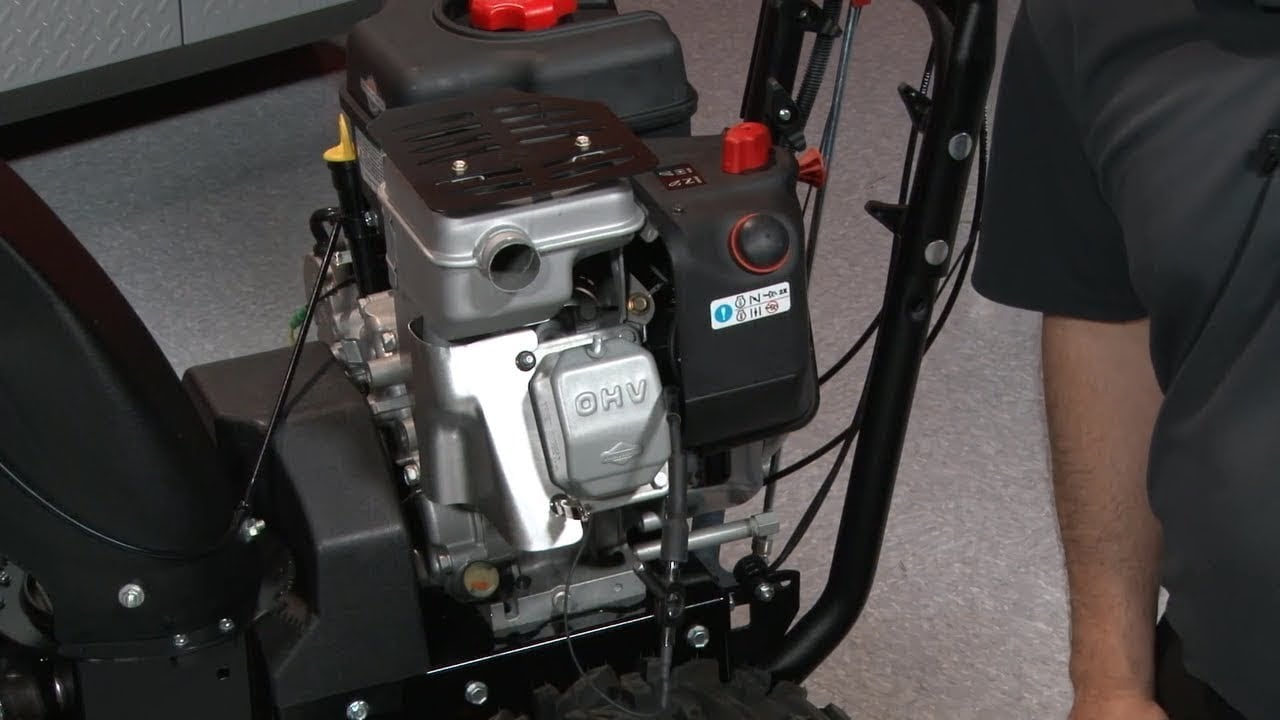
Credit: www.briggsandstratton.com
Engine Maintenance Basics
Engine maintenance is key. It keeps your Briggs and Stratton running. Simple steps prevent big problems. These basics save you time. They also save you money. Proper care ensures reliable power.
Regular Cleaning
Dirt is an engine’s enemy. Keep the engine clean. Wipe down the exterior often. Remove grass clippings. Clear away debris. A clean engine runs cooler. It works more efficiently. Focus on the cooling fins. They need to be clear. This allows air to flow.
Tightening Loose Parts
Vibration can loosen parts. Check bolts and screws regularly. Ensure they are snug. Don’t overtighten them. Just make them firm. Loose parts cause noise. They can lead to damage. A quick check prevents issues.
Governor Adjustment
The governor controls engine speed. It maintains a steady pace. Sometimes it needs adjustment. Consult your manual first. Make small, careful changes. Incorrect adjustment causes problems. It can affect performance. Get this right for smooth running.
Advanced Troubleshooting Steps
Basic checks may not fix your Briggs and Stratton motor. You might need advanced troubleshooting. These steps require more tools. They also need a bit more mechanical skill. Do not worry. We will guide you through. This helps diagnose tough problems. Get your engine running smoothly again. It is possible.
Compression Test
A compression test checks engine health. It reveals internal engine issues. You need a compression tester tool. Remove the spark plug first. Screw the tester into its place. Now, crank the engine a few times. The gauge shows the compression level. Low compression means problems exist. Rings or valves could be worn. A leaking head gasket is possible. Consult your manual for specs. Compare your reading to the book.
Valve Adjustment
Valves control air and fuel flow. They need proper clearance. Too much or too little causes trouble. This adjustment is crucial. You will need a feeler gauge. And likely a wrench set. Locate the valve adjustment screws. These are usually on the rocker arms. Turn the engine to the correct position. Refer to your service manual. Insert the feeler gauge. It measures the gap precisely. Adjust the screw until the gap is right. Repeat for all valves. Proper adjustment improves performance.
Timing Issues
Engine timing affects spark and valves. Incorrect timing causes poor running. It might not start at all. This is a complex area. You may need to remove covers. Inspect the timing marks on gears. Ensure they align perfectly. The camshaft and crankshaft must sync. This often involves resetting the timing. It is a precise procedure. Incorrect timing damages the engine. Double-check all steps carefully. A service manual is your best friend.
When To Seek Professional Help
Sometimes, you need an expert. DIY is great. It saves money. It feels good. But some jobs are too big. Some jobs are too risky. Knowing when to call a pro is smart. It keeps your engine running. It keeps you safe.
Complex Repairs
Engine problems can get tricky. Internal parts may fail. These parts are hard to reach. Replacing them takes skill. You might need special knowledge. A professional has this training. They understand complex systems. Don’t guess with big repairs. Let an expert handle it.
Lack Of Tools
Some repairs need special tools. You might not own them. Buying them costs a lot. Using the wrong tool can damage parts. Mechanics have all the right tools. They have specialized equipment. This helps them fix things right. Avoid frustration. Avoid costly mistakes. Call a pro.
Safety Concerns
Engines involve fuel and fire. Moving parts can cause injury. Working on an engine can be dangerous. You could get hurt badly. A professional knows safety rules. They work in a safe environment. Your well-being is important. Don’t risk your safety. Trust the experts for difficult tasks.
Frequently Asked Questions
Why Won’t My Briggs And Stratton Motor Start?
Several issues can prevent starting. Check fuel levels and ensure it’s fresh. A clogged fuel filter also causes problems. Spark plug issues are common too.
What If My Briggs And Stratton Engine Runs Rough?
This often points to fuel or air problems. Inspect the air filter for dirt. Clean or replace it if needed. The carburetor might need adjustment or cleaning.
How Do I Fix A Leaking Briggs And Stratton Engine?
Leaking oil usually means a bad seal. Check the oil drain plug first. Examine the valve cover gasket next. Replace any damaged or worn seals.
Why Does My Briggs And Stratton Engine Smoke?
White smoke can mean water in fuel. Black smoke suggests too much fuel. Blue smoke indicates burning oil. Address the specific smoke color for repair.
How To Clean A Briggs And Stratton Carburetor?
Remove the carburetor carefully. Disassemble it gently. Use carburetor cleaner to spray parts. Reassemble it after cleaning.
When Should I Change Briggs And Stratton Oil?
Consult your owner’s manual. Generally, change oil after 25 hours. Check oil level before each use. Clean oil keeps the engine running well.
What If My Briggs And Stratton Engine Overheats?
Low oil is a common cause. Ensure the oil level is correct. Check for blocked cooling fins. Debris can prevent airflow.
Conclusion
Fixing your Briggs and Stratton motor can be simple. Many common issues have easy fixes. Check fuel, spark, and air first. These are often the culprits. Don’t fear a little DIY. You can get your equipment running again. A well-maintained engine lasts longer.
Keep it working well.