
Regular engine stalling or erratic RPMs often mean you need to perform Idle Air Control Valve Troubleshooting to identify if the unit is clogged with carbon or failing electrically. The most common cause is a buildup of engine gunk—specifically carbon deposits—that prevents the internal plunger from moving freely to regulate air intake when your foot is off the gas pedal.
Idle Air Control Valve Troubleshooting
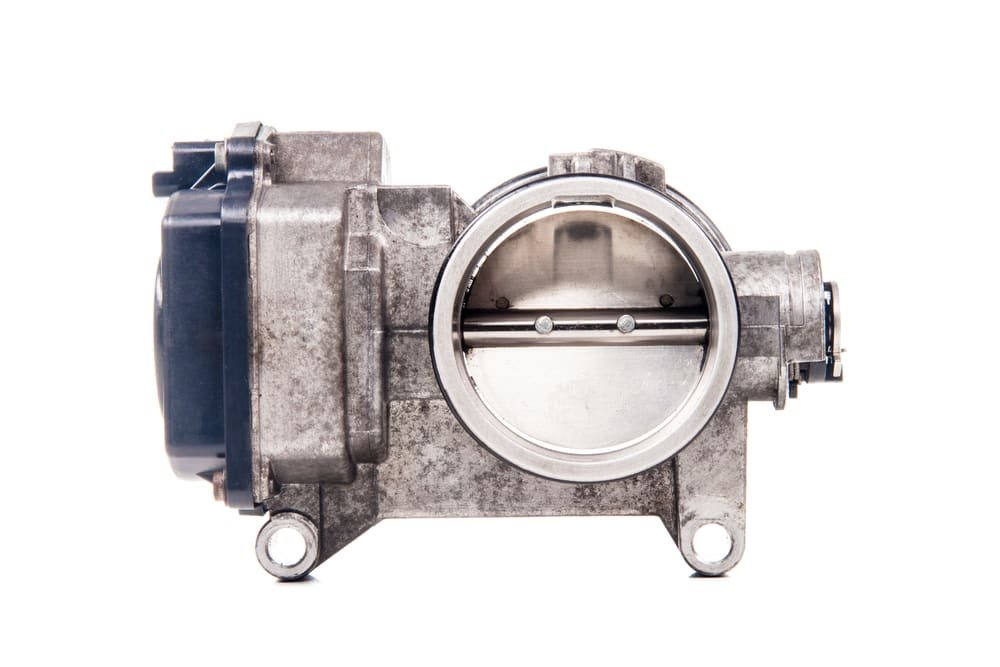
An idle air control (IAC) valve acts as a bypass circuit for air. When your throttle plate is closed, the engine needs a specific amount of air to stay running. The engine control module (ECM) tells the IAC valve to open or close to maintain the target idle speed. Over time, blow-by gases from the crankcase ventilation system carry oil mist and soot through the intake manifold. This residue settles inside the valve housing.
If the valve plunger gets stuck due to these deposits, the engine can’t compensate for changes in load. For example, when you turn on the air conditioning or shift into gear, the engine requires more air to maintain its idle. If the valve is jammed, the engine will stumble or stall because it’s effectively “choking.”
Another reason for failure is internal solenoid wear. The electrical coils inside the valve can develop shorts or open circuits over time. If the ECM sends a signal to adjust the idle and the valve doesn’t respond because the solenoid is dead, you’ll see a check engine light or experience a consistently high or low idle. This is a trade-off: cleaning works for carbon, but a failed solenoid always requires a replacement. If your car has a drive-by-wire system (an electronic throttle body), it may not even have a separate IAC valve, as the main throttle plate handles all air regulation.
Clean the intake ports
This fix is for vehicles where the idle is inconsistent but the check engine light isn’t flashing. You’ll need a can of mass air flow or throttle body cleaner. Don’t use standard carburetor cleaner, as it can damage sensitive plastic sensors or internal rubber seals.
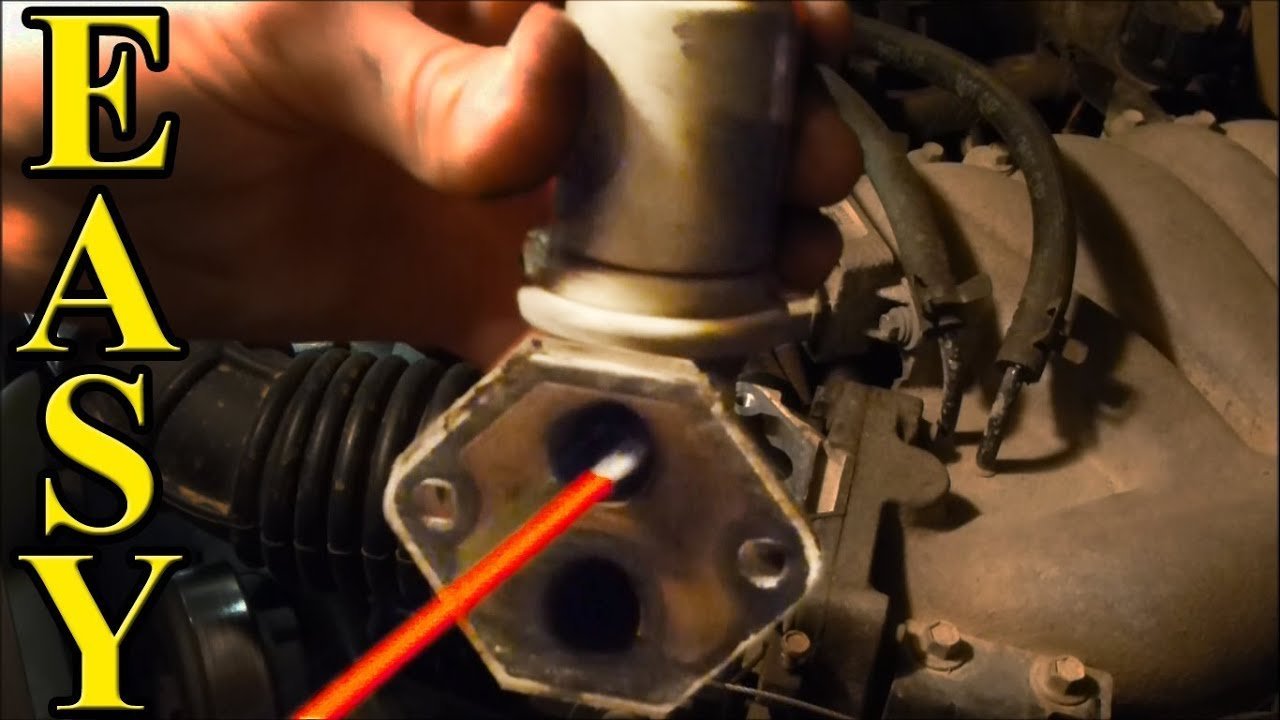
First, locate the IAC valve on the side of the throttle body. It’s usually a small cylindrical device with an electrical connector and two or more bolts. If you aren’t comfortable working near the engine intake, stop here. A mistake people make is using a screwdriver to force the plunger; this costs them a new valve, as the internal gears are fragile. Instead, remove the valve from the mounting surface and spray the cleaner directly into the air passages. Let the solvent sit for five minutes to dissolve the carbon. Wipe the area with a clean, lint-free cloth.
If the vehicle has a gasket, inspect it for cracks. If the gasket is torn, you must replace it to prevent a vacuum leak. Reinstall the valve, tighten the bolts to the manufacturer’s torque specifications, and reconnect the electrical plug. If the engine idle stabilizes after this, you have solved the issue. If the idle remains erratic, the valve’s motor is likely failed.
Check for vacuum leaks
A common reason for idle issues that people mistake for a faulty valve is a vacuum leak elsewhere in the intake system. If air enters the engine through a cracked rubber hose instead of the throttle body, the IAC valve can’t control the idle speed correctly.
Inspect all rubber hoses connected to the intake manifold. Look for cracks, dry rot, or disconnected ends. A simple way to check for leaks is to listen for a hissing sound while the engine is running. If you find a cracked hose, it must be replaced. This is a common point of failure for older vehicles, as rubber degrades due to heat.
If you find a leak, replace the hose with one of the exact same diameter. Don’t use duct tape or electrical tape to “patch” a vacuum leak; this is a temporary fix that will fail under engine heat. If you have replaced all suspect hoses and the idle is still bouncing, the problem is likely internal to the IAC valve or the computer system. In these cases, a professional technician with a scan tool should perform a diagnostic to see if the computer is sending the correct signals.
Replace the valve unit
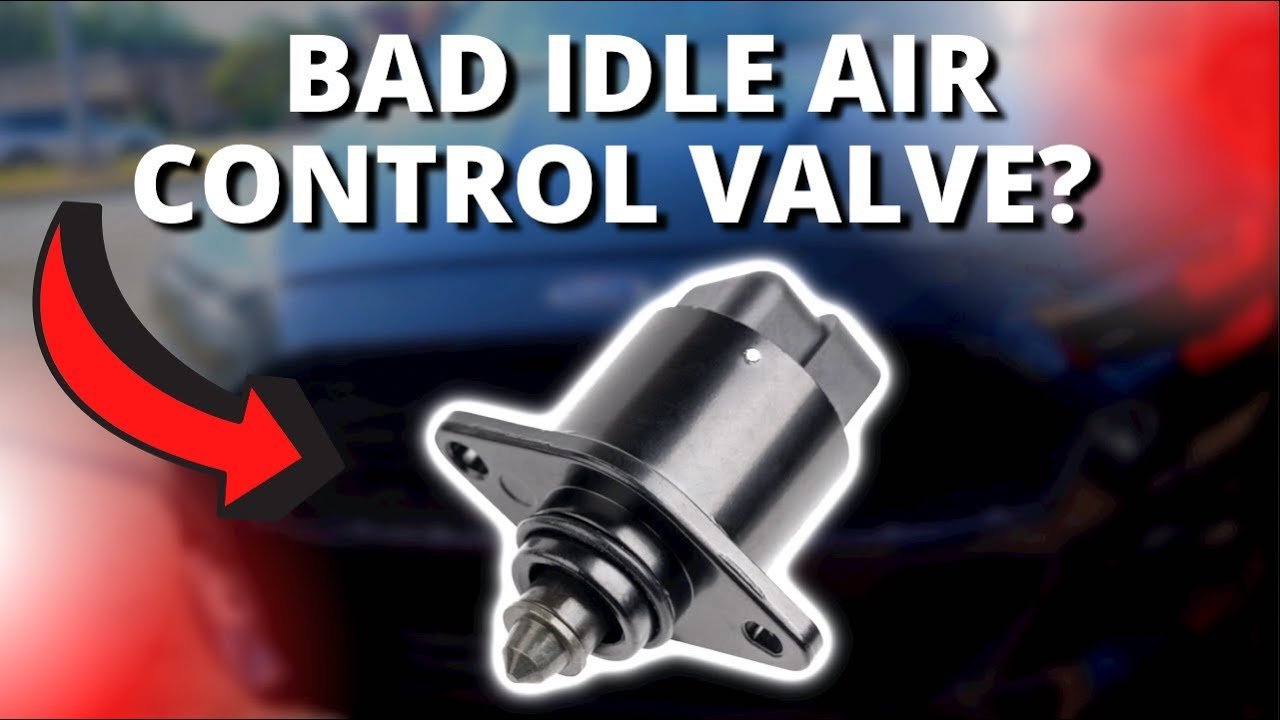
Replacing the valve is the final step when cleaning doesn’t fix the problem. This is for when you’re certain the valve is electrically dead. This isn’t for you if you don’t have basic hand tools or if your vehicle’s system requires a specific “idle relearn” procedure that only a dealer scan tool can perform.
If you decide to replace it, buy an original equipment manufacturer (OEM) part. Cheap aftermarket valves often have poor build quality and fail within months. To replace it, disconnect the battery negative terminal first to avoid electrical shorts. Remove the electrical connector, unscrew the mounting bolts, and pull the old unit out. Install the new unit with a fresh gasket.
After installation, you may need to reset the ECM. Some vehicles require you to turn the key to the “on” position for ten seconds without starting the engine to allow the computer to calibrate the new valve’s position. If the engine idle remains too high after replacement, check if the idle relearn procedure is required for your specific year and model. If you can’t find this information in your owner’s manual, consult a local repair shop.
What not to do
- Don’t spray cleaner into the electrical connector. This will cause corrosion on the pins and destroy the electrical signal, making the valve permanently useless.
- Don’t use sandpaper to clean the plunger. You’ll scratch the surface, which causes the valve to catch on the housing and stick even more than it did before.
- Don’t force the plunger with a metal tool. The internal plastic gears are easily stripped, and once they’re broken, the valve must be replaced.
- Don’t overlook the electrical harness. Many people replace a perfectly good valve when the actual problem is a broken wire or a loose plug at the connector.
How to stop it happening again
Regular maintenance of your air intake system prevents carbon buildup from ruining your idle control components.
| If you’re doing this | Do this instead | Why |
|---|---|---|
| Ignoring a check engine light | Scan the error codes | You might be missing a simple fix. |
| Using cheap, low-grade fuel | Use Top Tier gasoline | It has more detergents to clean the engine. |
| Neglecting air filter changes | Dirt bypasses a clogged filter into the valve. | |
| Driving only short distances | Take a long highway drive | Heat helps burn off internal carbon deposits. |
Frequently asked questions
Can I drive with a bad idle air control valve?
Yes, you can drive, but your car will likely stall at stop signs or traffic lights. It isn’t safe in heavy traffic because the engine may die unexpectedly when you slow down. If the engine stalls while you’re turning, you’ll lose power steering assist, making the steering wheel feel very heavy and difficult to turn. You should have this repaired as soon as possible to avoid a collision.
How long does an idle air control valve last?
Most valves last between 100,000 and 150,000 miles depending on your driving environment. This assumes you keep your air filter clean and use high-quality fuel. If you drive mostly in dusty conditions or stop-and-go city traffic, the valve may fail closer to the 80,000-mile mark. Always check your specific service manual to see if there’s a recommended replacement interval for your vehicle model.
Is it safe to clean the valve myself?
Yes, it’s safe if you keep the solvent away from electrical plugs and don’t force the internal parts. You must work in a well-ventilated area because the aerosol cleaners are flammable and the fumes are strong. Never smoke or have an open flame near the engine bay while cleaning. If you feel unsure about removing the valve, take it to a qualified mechanic.
What happens if I don’t replace a bad valve?
If you don’t replace it, the engine will continue to run poorly and eventually, it may refuse to start at all. You’ll also notice a significant drop in fuel economy because the engine can’t manage the air-to-fuel ratio correctly. Over time, the extra fuel being dumped into the engine can also damage your catalytic converter, which is a much more expensive repair than a simple valve.
Why is my idle high after cleaning?
The engine computer often needs time to “relearn” the new, clean flow of air. After cleaning, let the engine reach normal operating temperature by idling for ten minutes. If the idle stays high, the computer may be compensating for a leak you created while removing the valve. Check that the gasket is seated perfectly and all bolts are tight, as even a tiny air leak will cause a high idle.
Final Thoughts
If your engine still struggles after you’ve cleaned or replaced the part, don’t ignore the issue. A persistent problem might point to a vacuum leak or a faulty sensor elsewhere in the system. It’s a good idea to check your car’s computer for error codes, as they’ll often lead you straight to the culprit.
Related guides
- Daikin Air Conditioner Troubleshooting: Fix Common Errors
- 10 Best Air Fryer to Buy for Quick and Crispy Meals in 2026
- 10 Best Dehumidifier to Buy Options for Dry Indoor Air in 2026