
For Husqvarna Riding Mower Troubleshooting, start by checking the fuel level, battery connections, and safety interlock switches. Most performance issues stem from simple mechanical or electrical disconnects you can resolve at home. For complex faults, consult an authorized dealer to ensure repairs meet safety standards.
Husqvarna Riding Mower Troubleshooting
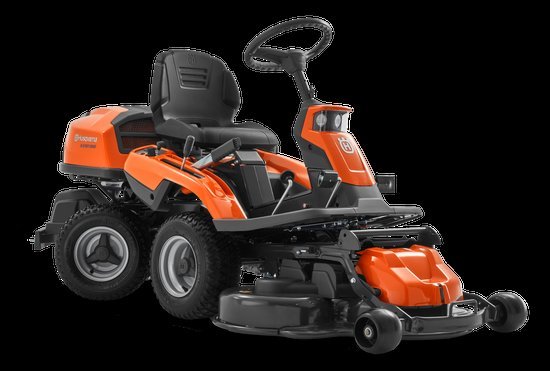
Most performance issues stem from stale fuel, a discharged battery, or a clogged air filter. If your mower has sat through the winter, the old fuel is likely the culprit.
Electrical failures often occur because of corrosion on the battery terminals. Even if the lights turn on, the starter solenoid might not receive enough current to turn the engine over. You should inspect the terminals for a white or blue-green crust. If you find this, it’s a sign of oxidation that blocks the flow of electricity.
Finally, air flow restriction is a major cause of power loss. If the air filter is choked with dust or debris from a long season of mowing, the engine cannot “breathe.” This forces the engine to burn fuel inefficiently, which leads to black smoke or a total stall under load. This varies by model — check the label on your air filter housing to see if yours is a paper pleated type or a foam unit. If you see visible damage to the filter media, replace it immediately rather than cleaning it.
Check the battery and connections
This fix is for owners who turn the ignition key and hear a clicking sound or nothing at all. First, locate the battery under the seat or behind the front hood. Check that the positive (red) and negative (black) cables are tight. If you can wiggle them by hand, they’re too loose. Use a wrench to tighten the nuts until the cables are firm.
If the connections are tight but the mower still won’t start, the battery may be dead. Use a slow-charge setting for 12 hours to bring it back to capacity. If the unit is older, it might not hold a charge; test it at an auto parts store if you suspect it’s failing.
Inspect the fuel and air system
If the filter is covered in thick grass clippings or dark oil, it’s time for a new one. Don’t try to wash a paper filter; it will lose its shape and let dirt into the engine. If the mower still runs poorly after you replace the filter, check the fuel filter. It’s a small plastic cylinder inline with the fuel hose. If it looks dark or clogged, it needs to be replaced. This is a simple task that requires only a pair of pliers to slide the hose clamps back. If you aren’t sure where the fuel lines go or are worried about spilling gas, have a technician handle this to avoid a fire hazard.
Clear the cutting deck obstructions

When the mower vibrates excessively or the blades don’t spin, the deck is likely clogged with wet grass. This often happens if you mow too early in the morning when the dew is still heavy. Turn off the engine, remove the ignition key, and engage the parking brake. Use a wooden stick to scrape the underside of the deck.
Don’t reach under the deck with your hands, even if the key is out. If you see that the drive belt has slipped off the pulleys, you can often guide it back on by hand. However, if the belt is cracked, frayed, or missing chunks of rubber, it must be replaced. This is a trade-off: you can save money by doing it yourself, but it takes time to thread the belt through the routing path. If the belt keeps slipping off after you put it back, the tensioner spring is likely worn out. This requires tools and mechanical knowledge that exceed basic maintenance; if you can’t see the spring clearly, take the mower to a shop to avoid damaging the pulleys.
What not to do
- Don’t spray starting fluid into the carburetor. This can cause a backfire that damages the intake manifold or causes a fire in the engine compartment.
- Don’t bypass the seat safety switch with tape or a wire. This removes a primary safety feature designed to stop the blades if you fall off, which poses a severe risk of injury.
- Don’t use automotive engine oil in the transmission. These machines require specific hydraulic oils or gear lubricants, and using the wrong fluid will destroy the transmission seals.
- Don’t wash the engine with a high-pressure power washer. Water forced into the electrical connections or the air intake will cause immediate ignition failure and corrosion.
How to stop it happening again
To keep your mower in top shape, you must follow a seasonal maintenance schedule. The following table helps you prevent the most common mid-season failures.
| If you’re doing this | Do this instead | Why |
|---|---|---|
| Leaving gas in the tank | Add fuel stabilizer | Prevents gum and varnish buildup |
| Mowing wet grass | Wait for the lawn to dry | Prevents deck clogs and rust |
| Ignoring the air filter | Check it every 25 hours | Ensures efficient engine combustion |
| Storing outside | Use a mower cover | Protects electronics from moisture |
Frequently asked questions
Can I fix a smoking Husqvarna mower myself?
You can fix most smoking issues by cleaning the air filter and checking the oil level. Overfilled oil seeps into the combustion chamber, creating blue smoke, while black smoke indicates the engine is burning too much fuel. If smoke persists after these checks, internal engine wear may require professional diagnostics.
Why does my mower die when I engage the blades?
This usually happens because the safety interlock system detects an issue or the engine is struggling with a heavy load. Ensure the parking brake is released and the seat switch is connected. If the engine dies, the deck may be packed with grass; clean it thoroughly to allow the blades to spin.
How long should a mower battery last?
A standard lead-acid battery for a riding mower typically lasts several years with proper care. You can extend this life by keeping the battery fully charged during the off-season. If left in a discharged state for months, the internal plates will sulfate and the battery will fail to hold a charge.
Is it safe to drive my mower on steep hills?
It isn’t safe to drive most standard riding mowers on slopes steeper than 10 degrees. The oil pump in many residential engines can’t maintain proper lubrication at steep angles, which can lead to engine seizure. Always mow across the face of slopes, never up and down, to maintain stability.
What happens if I use old gasoline?
Light fuel components evaporate over time, leaving behind a sticky residue that clogs carburetor jets. Drain old fuel completely and replace it with fresh, regular-grade gasoline for reliable performance.
Final Thoughts
Keeping your equipment in top shape doesn’t have to be a chore. If you still can’t get things running smoothly, don’t hesitate to reach out to a local technician. They’ll help you get back to your yard work quickly, so you can enjoy a perfectly manicured lawn all season long.
Related guides
- Hart Lawn Mower Troubleshooting Manual: Fix Common Issues in 2026
- Troy Bilt Riding Mower Troubleshooting: Fix Common Problems in 2026